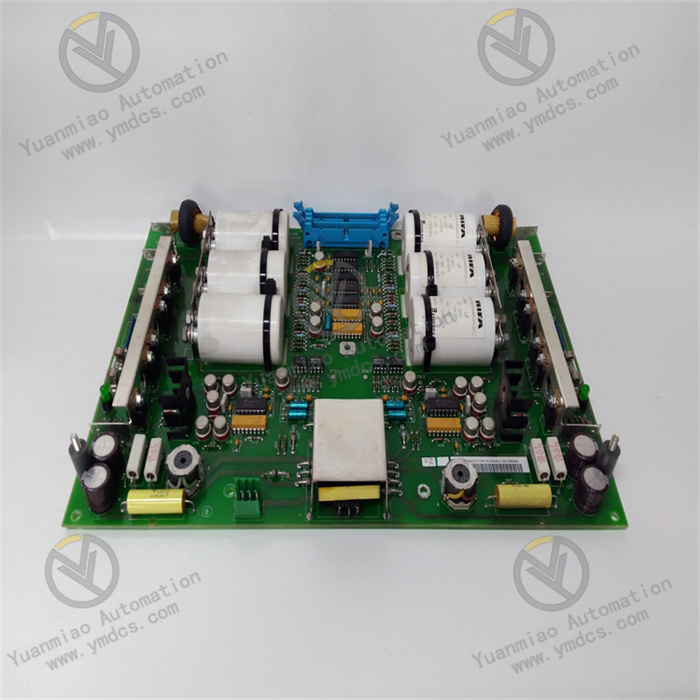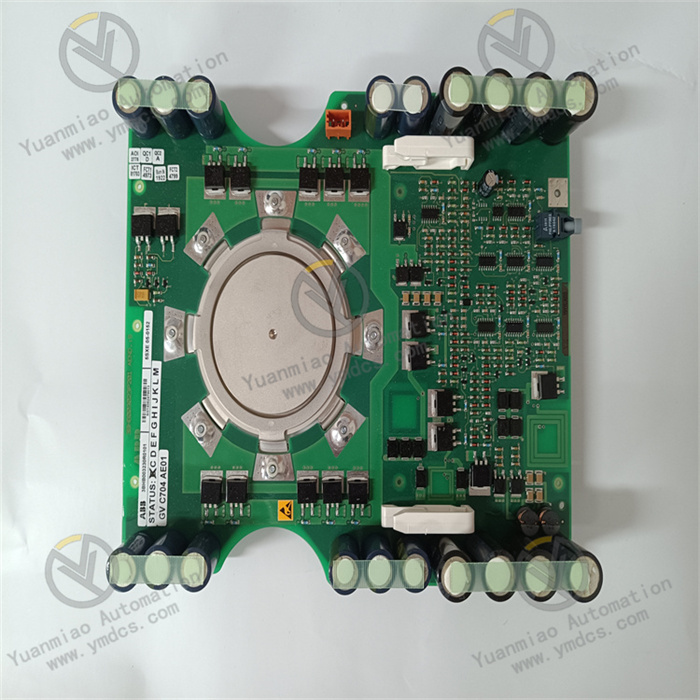
Description
1. Product Overview
Model: 660-243522-123
Brand: LAM RESEARCH
Product Name: Power Drive Control Board / Precision Power Regulation Board for Semiconductor Etch Equipment
Product Positioning
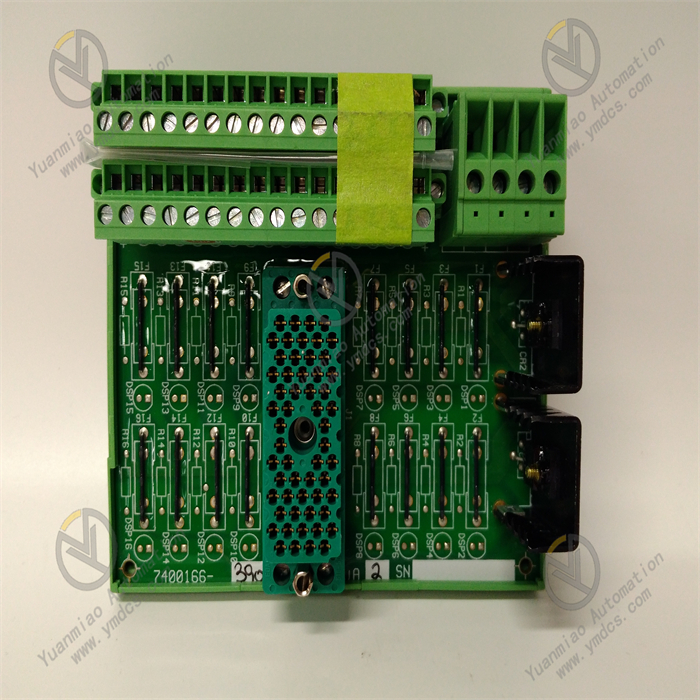
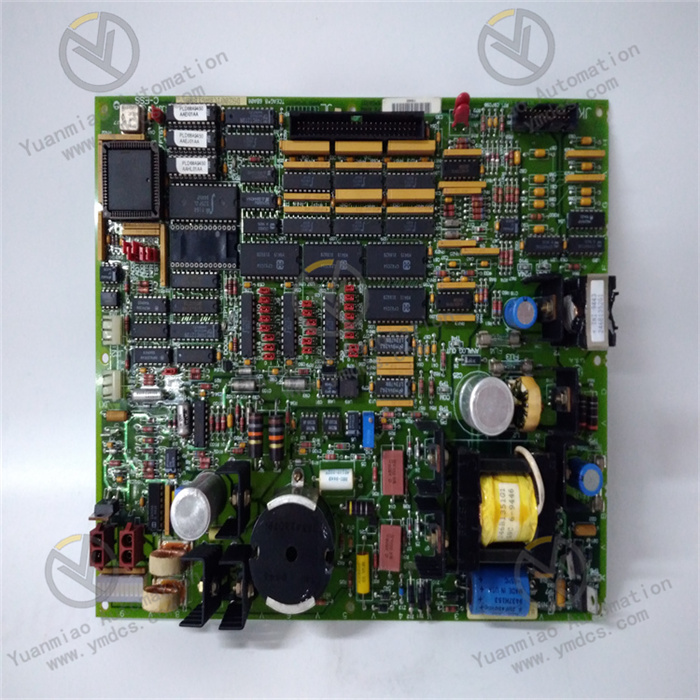
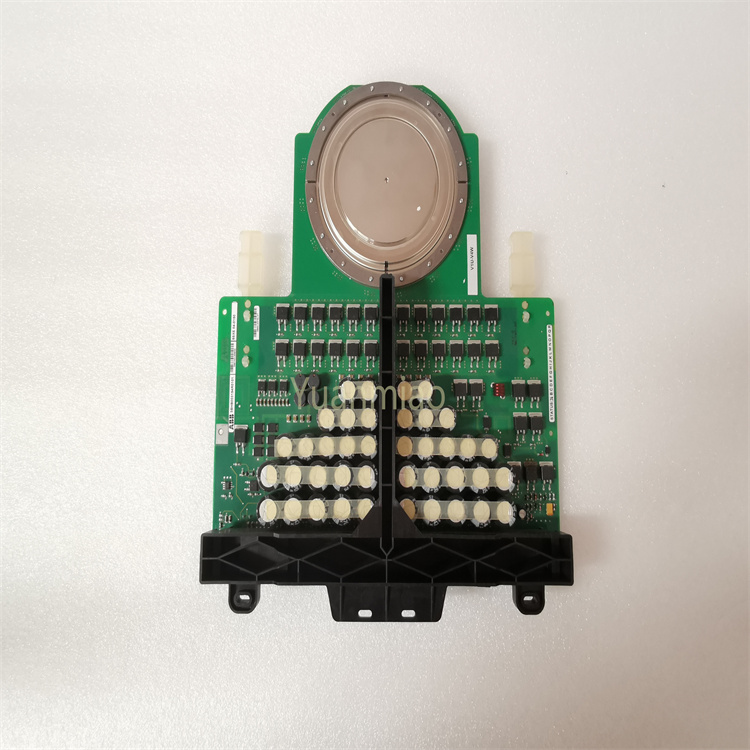
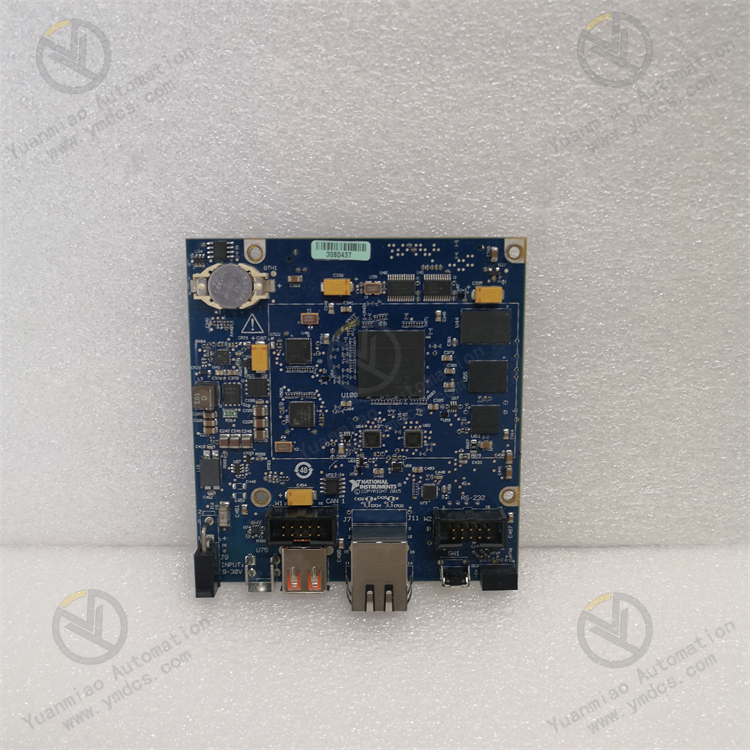
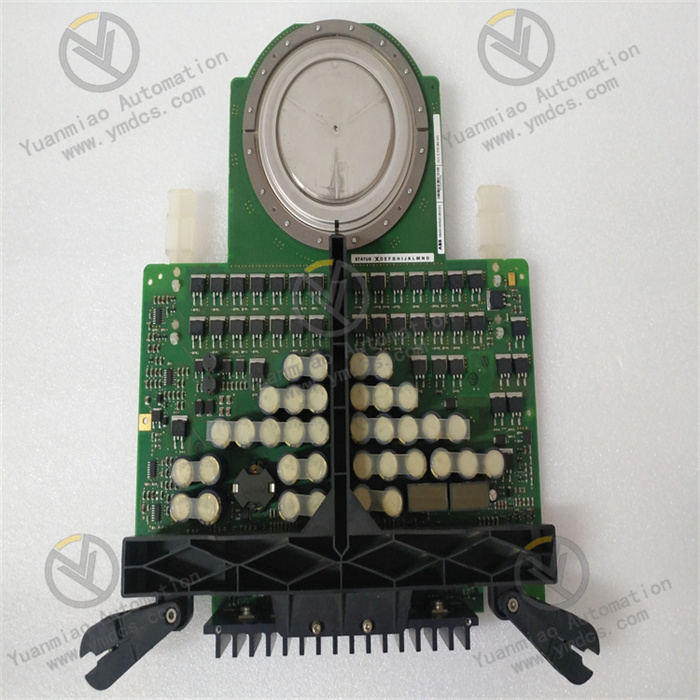
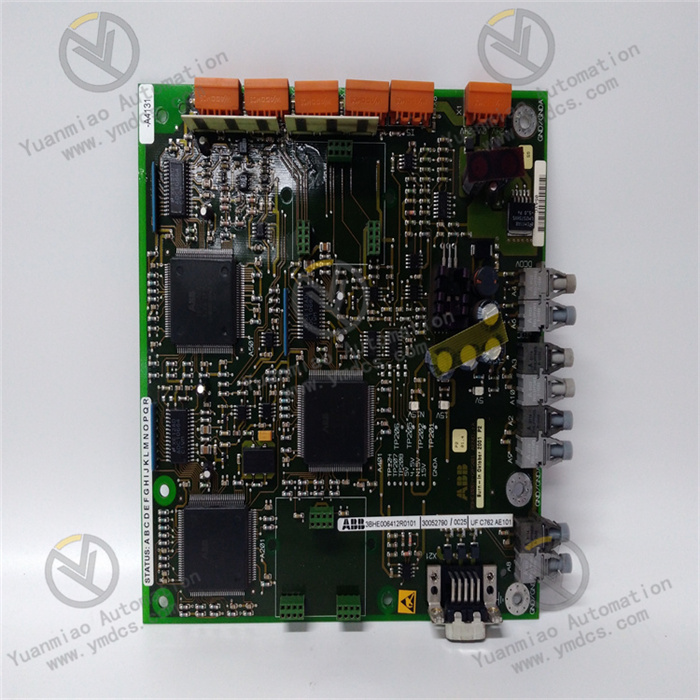
660-243522-123 is a core board developed originally by LAM RESEARCH for high-end semiconductor processing equipment. Designed for precision processes such as plasma etching and thin film processing, it serves as a critical hardware unit responsible for equipment power regulation, power logic driving, load condition monitoring and power supply safety protection. As the power and signal interaction hub between the equipment power module, main control system, chamber process loads, RF assemblies and actuator units, it performs core functions including regulated power supply for process circuits, load voltage and current monitoring, power logic distribution, overload protection and power fault diagnosis. It is an essential original maintenance spare part that ensures stable power supply, continuous process execution and low failure rate of LAM semiconductor etch tools.
Core Functions
It supplies high-precision, low-ripple and stable DC power to RF modules, chamber temperature control assemblies, gas drive units and sensor detection modules of semiconductor etch equipment, and monitors critical parameters in process loops such as supply voltage, load current and power temperature in real time. It accurately receives main control commands for power on/off, power adjustment and load matching, dynamically adapts power load requirements of different etching processes and executes closed-loop fine tuning of power parameters. Embedded hardware-based protection mechanisms including overvoltage, overcurrent, overtemperature and short-circuit protection can identify power supply anomalies, load faults and circuit risks in real time and rapidly cut off abnormal power loops. It prevents abnormal plasma ignition, etching process shift, reduced wafer yield, burnout of equipment modules and production line downtime caused by unstable power supply, overload and short circuit. It fully guarantees consistency and stability of power supply during etching processes, supports 7×24-hour non-stop mass production on wafer fabrication lines, and effectively improves equipment availability and process yield.
Applicable Systems
Exclusively compatible with mainstream dry etch and plasma processing equipment platforms of LAM RESEARCH, fully supporting 200mm/300mm wafer processing tools and matching the main control architecture and power systems of production dielectric etchers, metal etchers, plasma cleaning and surface treatment equipment. Fully compliant with original equipment power supply protocols, hardware interfaces and electrical specifications. It supports legacy board replacement, equipment maintenance, production line expansion and equipment upgrade, featuring excellent versatility and interchangeability between new and existing equipment with zero risks of electrical and program incompatibility.
Application Scenarios
Widely deployed on 200mm / 300mm semiconductor wafer fabrication lines for dry plasma etching, precision wafer surface treatment and plasma ashing processes covering logic chips, memory chips, power semiconductors and advanced packaging. Adopting standard card-mount installation structure inside equipment cabinets, it meets high-precision, high-stability and zero-tolerance production requirements in semiconductor cleanrooms. It is a critical spare part for power system maintenance, fault replacement and routine servicing of LAM etch equipment.
2. Technical Features
High-Precision Regulated Power Supply for Precision Etching Processes
Adopting industrial-grade high-precision power regulation chips and regulated circuit architecture specially optimized for dynamic load characteristics of semiconductor etch equipment, it delivers ultra-low ripple output, accurate voltage calibration and dynamic adaptive voltage stabilization. It maintains constant power parameters amid load fluctuations and process mode switching, effectively avoiding process defects including unstable plasma discharge, uneven etch rate and wafer profile deviation induced by voltage drift and current fluctuation, and fully satisfies stringent power requirements for nanometer-scale precision etching.
Comprehensive Power Supply Safety Protection for Enhanced Equipment Safet
Embedded with LAM proprietary power protection logic and multiple hardware protection circuits, integrating six core protection functions: overvoltage, undervoltage, overcurrent, short circuit, overtemperature and abnormal load protection. It identifies power loop anomalies and load faults within milliseconds and automatically triggers current limiting, power-off latching and fault alarms to isolate faulty loops precisely. It prevents fault propagation that may damage RF modules, chamber components and main control hardware, comprehensively ensuring circuit safety and process continuity.
Dynamic Load Adaptability with Strong Compatibility Across Multiple Operating Conditions
Equipped with intelligent load recognition and power adaptive algorithms, the board detects load variations at different process stages in real time and dynamically adjusts supply power, output current and voltage regulation parameters. It adapts to full-cycle operating states including plasma ignition, steady-state etching, process completion and standby switching. Supporting coordinated power regulation for multiple loads, it simultaneously satisfies power demands of RF assemblies, temperature control units, sensor modules and drive components to accommodate various etching production scenarios.
Industrial-Grade Anti-Interference Design for Stable Operation Under Harsh Conditions
Constructed with military-grade original components, high-withstand-voltage PCB, precision impedance-controlled routing and gold-plated anti-corrosion contacts, tailored to harsh operating conditions of etch equipment including intense RF interference, plasma electromagnetic radiation and cyclic temperature variation in cleanrooms. Built-in EMC shielding, surge suppression, electrostatic protection and power filter circuits effectively resist RF harmonics, electromagnetic crosstalk, electrostatic pulses and ambient temperature fluctuation. Featuring dust-proof, moisture-proof and anti-aging performance, it maintains stable operation under long-duration heavy load without power parameter drift or circuit failure, delivering outstanding reliability.
Intelligent On-Board Power Self-Diagnosis for Efficient Maintenance & Troubleshooting
Equipped with on-board intelligent self-diagnosis monitoring system that continuously tracks power output, load status, circuit temperature, communication links and hardware operating conditions. It accurately locates various faults such as abnormal voltage, current overload, circuit aging, communication failure and load short circuit. Original equipment fault codes and operation logs are automatically generated, supporting online access via equipment host for fault tracing and operation review. It greatly shortens troubleshooting, maintenance and commissioning time of power systems and effectively reduces production line outage losses and maintenance costs.
Standardized Original Modular Design with Excellent Interchangeability & Versatility
Strictly developed in accordance with LAM RESEARCH original hardware specifications, electrical parameters, interface definitions, communication protocols and mounting standards, adopting standardized pluggable modular structure. Board dimensions, mounting positions, pin assignments, electrical performance and communication logic are fully compatible with original equipment. Aged or faulty boards can be directly hot-swapped in situ without modifying equipment programs, adjusting power circuits or reconfiguring parameters. It covers all scenarios including equipment maintenance, capacity expansion, production line renovation and equipment upgrade with zero compatibility risks.
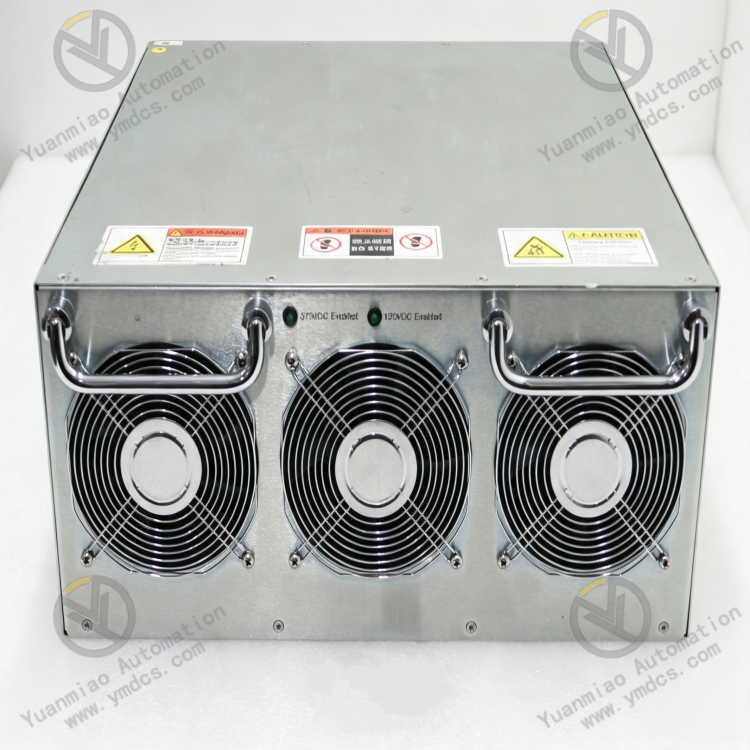
3. Specification Parameters
| Item | Parameter |
|---|---|
| Model | 660-243522-123 |
| Manufacturer | LAM RESEARCH (USA) |
| Equipment Type | Power Drive Control Board / Precision Power Regulation Board for Semiconductor Etch Equipment |
| Compatible Equipment | All dry plasma etch systems of LAM RESEARCH, 200mm/300mm wafer processing equipment |
| Applicable Processes | Semiconductor dry plasma etching, dielectric/metal etching, wafer plasma cleaning, precision surface treatment |
| Core Functions | High-precision regulated power supply, dynamic load adaptive regulation, power loop status monitoring, overvoltage/overcurrent/overtemperature/short-circuit protection, power self-diagnosis, load power matching, bus data communication, equipment power logic management |
| Output Characteristics | Low-ripple regulated output, dynamic current adaptation, real-time load matching, automatic voltage accuracy calibration |
| Protection Mechanisms | Multiple hardware protection: overvoltage, undervoltage, overcurrent, short circuit, overtemperature and abnormal load |
| Communication Mode | Original proprietary equipment bus communication; supports real-time power data upload, parameter configuration and fault alarm |
| Input Power | Standard industrial regulated input; wide voltage range tolerates equipment power fluctuation |
| Operating Temperature | 0℃~+70℃ (standard operating environment for semiconductor cleanrooms) |
| Storage Temperature | -40℃~+85℃ |
| Ambient Humidity | 5%~95%, non-condensing, suitable for high-cleanliness production environments |
| Protection Configuration | EMC electromagnetic shielding, surge suppression, electrostatic protection, power filtering, multi-stage circuit protection, overtemperature overload latching |
| Operation Mode | Fully automatic load-adaptive power supply, real-time condition monitoring, fault self-locking protection, online dynamic calibration, closed-loop voltage regulation |
| Mounting Method | Standard card-mount installation inside equipment cabinet, fixed in dedicated slot, in-situ plug-and-play replacement |
| Origin | Original imported from USA |
| Product Characteristics | Ultra-low ripple voltage regulation, dynamic load adaptation, multi-layer safety protection, strong anti-electromagnetic interference, intelligent fault self-diagnosis, fully original interchangeability, drift-free long-term operation, adaptable to full-range etching processes |
4. Working Principle
Power-On Initialization and Full-Board Self-Test
After connected to standard equipment power supply, the board automatically executes power-on initialization. It sequentially completes self-test of power chips, integrity inspection of power loops, verification of protection circuit functions, loading of bus communication protocols, import of original power parameters and calibration of load matching logic. It systematically detects potential risks including hardware damage, circuit anomalies, parameter disorder, communication failures and poor wiring contact. Upon successful self-test, handshake communication is established with the equipment main control system, RF loads and process actuators, and the board enters standby mode for regular regulated power supply and condition monitoring.
High-Precision Voltage Regulation, Filtering and Power Preprocessing
During equipment process operation, the board receives input power and eliminates power noise caused by supply clutter, voltage fluctuation and electromagnetic interference via built-in multi-stage power filters, surge suppressors and voltage calibration circuits. It converts input power into low-ripple, high-precision and stable dedicated power for processes. It fundamentally avoids abnormal load operation, unstable plasma discharge and process parameter drift induced by poor power quality, providing clean and reliable power for all functional modules involved in etching processes.
Dynamic Load Adaptation and Closed-Loop Power Regulation
Based on preconfigured process recipes and original power control logic, the board monitors real-time operating parameters of downstream loads including power consumption, working current and operating voltage. It dynamically compares readings against standard power thresholds, calculates deviations and performs closed-loop fine adjustment. It adapts to power requirements of different stages such as plasma ignition, steady-state etching, load switching and process standby, and dynamically matches power loads of RF modules, temperature control units and sensor assemblies to maintain constant power parameters throughout operation, ensuring stability and batch consistency of etching processes.
Multiple Hardware Protection and Emergency Anomaly Response
During continuous operation, the board monitors supply voltage, load current, board temperature and loop conditions nonstop. Millisecond-level anomaly judgment is realized via underlying hardware protection logic. When abnormal conditions occur including overvoltage/undervoltage, overcurrent/short circuit, overtemperature overload and load failure, current limiting, power cut-off and self-locking mechanisms are triggered immediately to isolate faulty power loops and upload fault alarm signals. It prevents fault escalation leading to hardware burnout, chamber anomalies, process interruption and wafer scrap, comprehensively safeguarding equipment circuit and production safety.
Bidirectional Data Exchange and Fault Trace Storage
Via LAM original proprietary equipment bus, the board uploads real-time power parameters, load conditions, board operating status and protection trigger records to the upper main control system. Meanwhile, it accurately receives commands issued by the main controller for power on/off, power adjustment, parameter calibration and mode switching, and completes high-speed parsing and precise execution. Power curves, operation logs, fault timestamps, error codes and protection records are automatically stored throughout operation, supplying complete and accurate data support for equipment maintenance, fault tracing, process optimization and power parameter tuning.
5. Common Faults and Troubleshooting
Symptom: No output after board power-on; equipment fails to recognize the board; abnormal power supply to process modulesPossible Causes
① Abnormal/unstable equipment input power, loose circuit connection or excessive power ripple;
② Oxidation of board gold fingers and dust accumulation in cabinet slots resulting in poor contact and interrupted power and communication;
③ Lost or crashed board firmware, or firmware version incompatible with equipment system;
④ Aging from long-term operation, damaged core power chips or internal power circuit failure.
Solutions
Shut down equipment, cut off power and complete full discharge. Inspect input voltage and circuit continuity, and fasten power terminals and wiring. Remove the board in a clean environment, clean oxide layers on gold fingers and dust inside slots, then firmly reinsert the board. Re-flash compatible original firmware matching equipment system version and restore factory default power parameters and protection logic. If no output persists with normal power supply, contact and firmware, hardware damage is confirmed and original spare part 660-243522-123 needs to be replaced.
Symptom: Fluctuation and drift of power parameters, unstable etching processes and yield declinePossible Causes
① Aging power filter circuits with degraded anti-interference performance; electromagnetic clutter distorts power accuracy;
② Long-term operation without calibration leads to voltage temperature drift and zero drift;
③ Performance degradation of voltage regulation and load matching modules reduces dynamic adaptability;
④ Abnormal downstream loads and line interference cause power parameter fluctuation.
Solutions
Fully inspect shielding layers of power cables and equipment grounding system, optimize anti-interference measures to isolate RF and electromagnetic interference. Access equipment host to re-perform calibration for output voltage, current and voltage regulation thresholds to correct drifted values. Troubleshoot downstream load conditions to eliminate external load faults. If the fault remains after rectification, power regulation performance degradation of the board is confirmed and the board shall be replaced.
Symptom: Frequent equipment power alarms, false protection triggering and repeated process interruptionPossible Cause① Drifted or improperly configured power protection thresholds;
② Transient electromagnetic interference and instantaneous load fluctuation trigger false protection alarms;
③ Disorder of board protection logic program and parameter confusion;
④ Abnormal sampling data caused by circuit aging results in false protection.
Solutions
Verify and revise protection thresholds for overvoltage, overcurrent and overtemperature, restore original standard configurations. Optimize cabinet electromagnetic shielding and heat dissipation to mitigate transient interference and high temperature impact. Reboot the board for program reset and initialization, recover original power control and protection logic. Test protection functions under simulated load conditions to identify logic defects. Replace the board promptly if faults persist to ensure stable mass production.
Symptom: Board communication interruption; main controller unable to read power data; command transmission disabledPossible Causes
① Loose bus communication cables, oxidized interfaces or damaged wiring;
② Mismatched and disordered board communication address, baud rate and bus protocol parameters;
③ Address conflict and link abnormality in equipment bus network;
④ Aging communication chip and damaged communication circuit on the board.
Solutions
Comprehensively inspect communication bus cables and connectors, clean oxidized contacts, fasten loose connections and replace damaged cables. Verify and unify board communication parameters, bus protocols and equipment network configurations to eliminate address conflicts and parameter disorder. Reboot equipment bus and board programs to re-establish system handshake networking. If communication still fails with intact wiring and correct parameters, communication circuit failure is confirmed and the original board needs replacement.
Symptom: Excessive board temperature, frequent overtemperature alarms and automatic power-off restartPossible Causes
① Blocked cabinet air ducts and heavy dust accumulation resulting in poor heat dissipation of the board;
② Long-term heavy-load operation leads to abnormal power consumption of fully loaded power chips;
③ Severe fluctuation and excessive clutter of equipment input power increase circuit load;
④ Crashed firmware and mismatched parameters cause abnormal power consumption.
Solutions
After shutdown, thoroughly clean cabinet air ducts and dust on the board surface to improve ventilation and stabilize cabinet operating temperature. Optimize equipment input power quality, stabilize voltage output and suppress power interference. Flash stable original compatible firmware and rectify disordered parameters to reduce unnecessary power consumption. Recurring failures indicate board circuit aging and performance degradation; replace the spare part in advance to avoid production downtime and wafer scrap risks.
Symptom: No power supply to partial loads; partial process modules out of service and local process abnormalityPossible Causes
① Corresponding power loop damage, disabled output channels or fault self-locking;
② Short circuit or failure of downstream load modules triggers protection latching of power channels;
③ Aging and component damage of partial power circuits on the board;
④ Disorder of load matching parameters leading to failure to adapt to operating conditions.
Solutions
Inspect operating status of downstream load modules and circuits, replace defective load components and eliminate external faults. Check configuration parameters of each power channel on the board, release fault protection lock and activate disabled power channels. Reboot the board for program reset and initialization, and test power output and load matching functions of each loop. If no power supply is available with normal downstream equipment and correct parameters, partial circuit damage on the board is confirmed and original board replacement is required.