Description
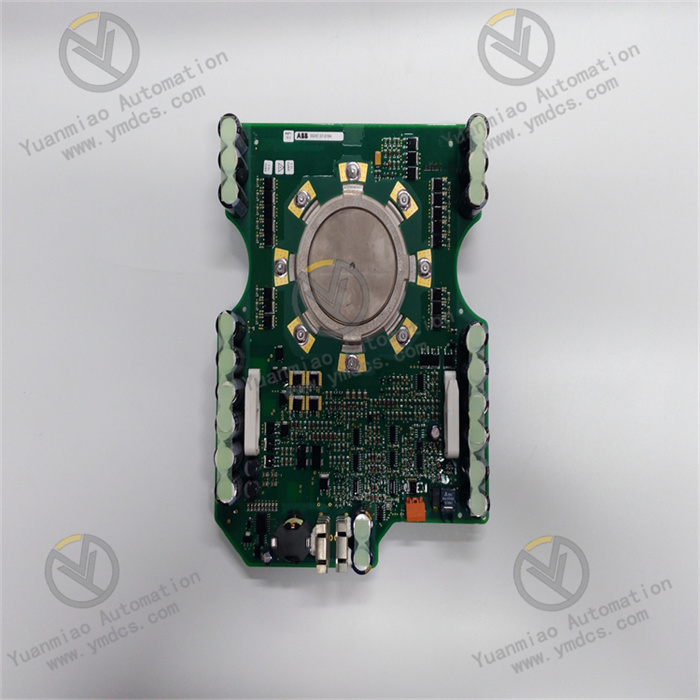
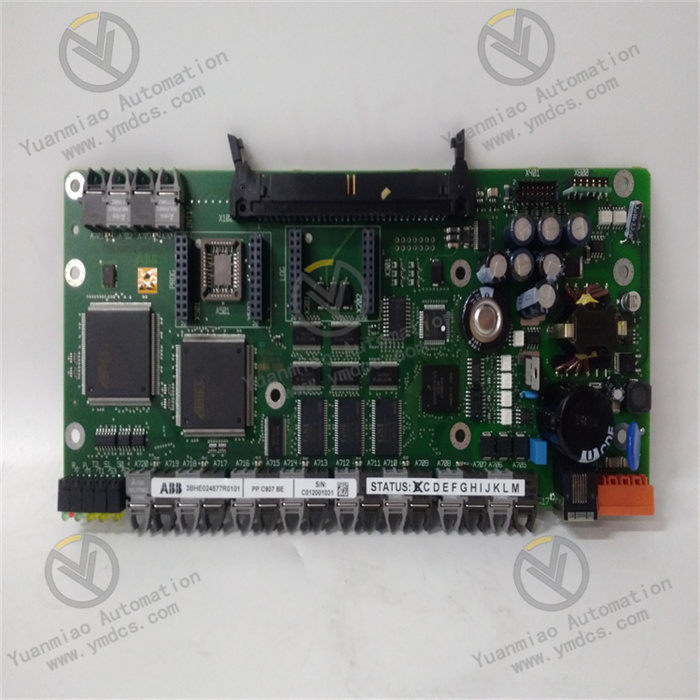
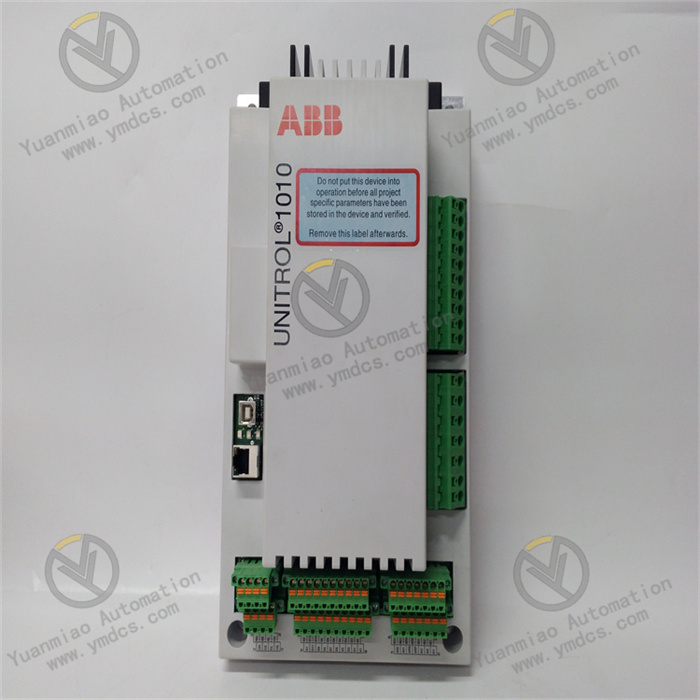
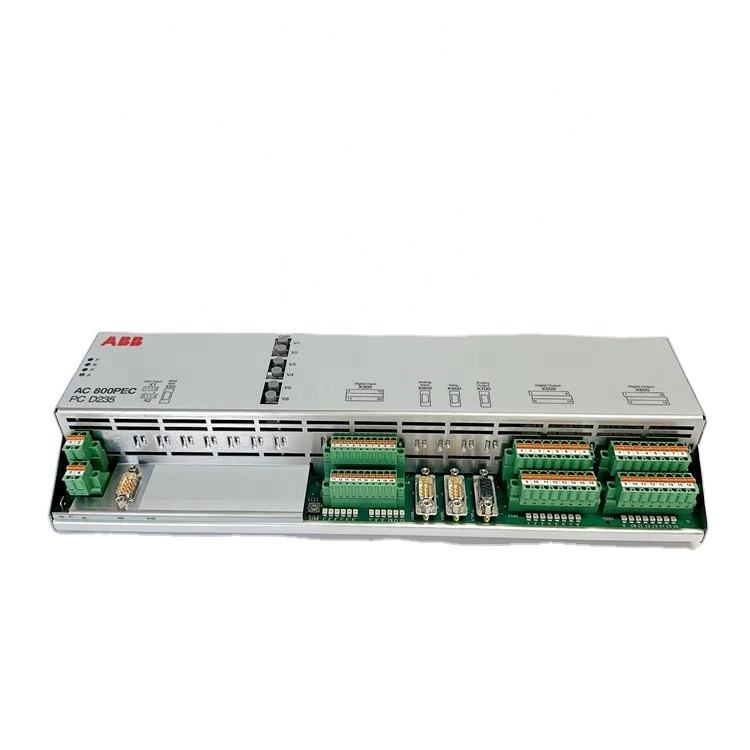
ABB 3BHE014026P0065
I. Basic Information
Model: 3BHE014026P0065Brand: ABB (Sweden)Product Line: Special PCB control board for UNITROL 5000/6000 static synchronous generator excitation systems, an auxiliary signal interface unit for excitation regulation channels, applied to AVR automatic voltage control platforms of thermal, hydro and combined cycle gas turbine generating units.
Product Positioning
3BHE014026P0065 is an extended signal processing board for excitation system channels, operating cooperatively with COB main control board and MUB measurement acquisition board. It realizes forwarding of rectifier bridge trigger pulses, collection of rotor excitation circuit status, interaction of external interlock digital signals and output of fault alarm signals. It supports signal isolation and synchronous distribution of dual-channel redundant excitation systems, eliminates mixed signal interference in high-power generator excitation loops, and serves as the core secondary hardware spare part for power station excitation regulation, rotor protection and system interlock control.
Hardware Architecture
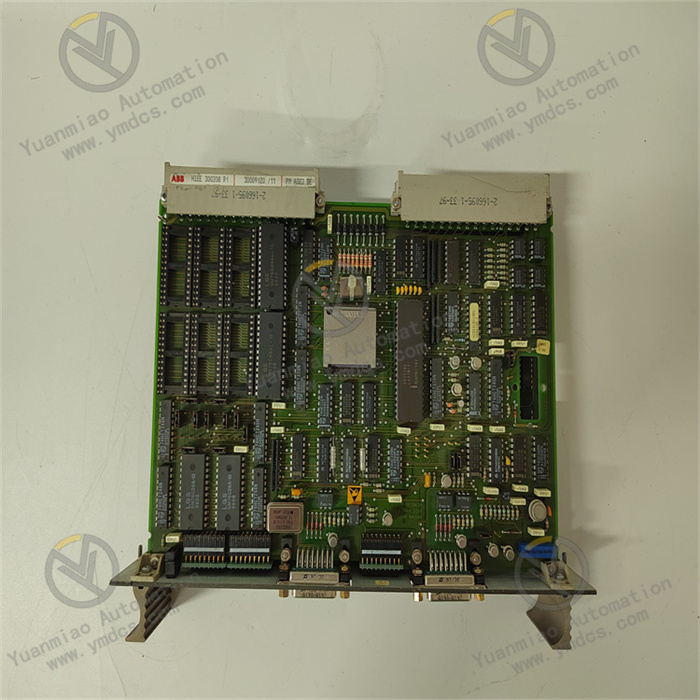
The board adopts FR4 high-insulation epoxy glass PCB industrial card architecture, equipped with dedicated signal isolation operational processing chips, multi-channel optocoupler isolation circuits, pulse amplification drive circuits and EMI filter loops. The PCB is divided into analog acquisition zone, digital pulse output zone and communication signal zone with independent wiring for strong and weak current circuits, integrated with transient surge absorption and electrostatic discharge protection devices.It is equipped with standard European socket connectors for direct stacking installation on the excitation cabinet backplane, built-in hardware self-test circuit for channel verification after power-on, and real-time collection of abnormal states such as pulse loss, circuit short circuit and power undervoltage for upload to the main control unit.
Mounting Specification
Standard vertical plug-in installation for excitation cabinets, compatible with mixed layout of single-channel and dual-channel redundant systems in integrated metal regulation cabinets of UNITROL series.It has passed IEC industrial anti-seismic, wide-temperature aging and humidity cycle tests. The thickened and reinforced PCB withstands long-term vibration and temperature & humidity fluctuation in generator rooms. LED indicator lights are arranged on the front of the board, with standardized pin terminals and anti-loosening buckles.
Compatible Systems
- Excitation Host: UNITROL 5000, UNITROL 6000 static self-shunt excitation regulators
- Upper Monitoring: ABB 800xA DCS, local HMI excitation monitoring background of power stations
- Communication Adaptation: MODBUS TCP, IEC 60870-5-104, GOOSE station interlock communication
- Matching Boards: COB main control board, MUB terminal measurement board, CIN rectifier interface board, EGC gate pole expansion board
Product Characteristics
- Full-channel optocoupler electrical isolation completely blocks strong current interference from main excitation loops, avoiding sampling distortion and false pulse triggering of the main control board;
- Multi-channel thyristor trigger pulse synchronous distribution supports seamless switching of dual-channel redundancy without interruption of excitation regulation;
- Integrated collection of rotor current, de-excitation switch and excitation start-up circuit status, integrated acquisition of multiple interlock digital signals;
- Built-in hardware fault self-diagnosis real-time reports pulse fault, circuit disconnection and power supply abnormality to shorten downtime troubleshooting time;
- Compact plug-in structure with direct plug-in installation without extra wiring adapters for fast on-site spare part replacement;
- Wide temperature and wide voltage adaptive design for long-term stable operation under high and low temperature and voltage fluctuation conditions in generator rooms;
- Standardized communication signal forwarding seamlessly connects power station DCS and background monitoring to realize remote excitation status monitoring.
II. Technical Specifications
1. Electrical Signal Parameters
- Operating Power Supply: 24VDC industrial control power supply, allowable fluctuation DC20.4V~28.8V, reverse polarity protection
- Analog Acquisition Channels: 0~5V / 4~20mA standard signal input for excitation current and temperature analog quantity collection
- Digital Switch Channels: Passive dry contact input / relay passive output, maximum withstand voltage 250VAC
- Pulse Output Channels: Adapt to thyristor rectifier bridge gate trigger pulse, amplitude ±15V, synchronization accuracy <1μs
- Withstand Voltage Insulation: 2kV/1min power frequency withstand voltage between strong and weak current channels, PCB surface insulation resistance ≥100MΩ
- Signal Sampling Accuracy: Digital signal response ≤2ms, analog signal linear error ≤0.2%FS
2. Environmental Resistance Parameters
- Operating Temperature: -20℃ ~ +65℃ (standard working condition without air cooling in excitation cabinet)
- Storage & Transportation Temperature: -40℃ ~ +85℃
- Relative Humidity: 5%~95%RH, no condensation and corrosive gas
- Seismic Grade: IEC 60068-2-6, continuous vibration 0.7g in horizontal and vertical directions
- Protection Class: Bare board IP20, overall IP30 after installed in standard excitation metal cabinet
3. Structural Physical Parameters
- Overall Dimension (L×W×T): 340mm × 118mm × 22mm
- Net Weight: 0.24kg
- Mounting Method: Standard European backplane direct plug-in stacking installation
- Material: FR4 flame-retardant epoxy glass PCB, gold-plated signal contacts for anti-oxidation
- Interface Type: Multi-pin European connector with snap lock for anti-falling off
4. Communication & Diagnosis Parameters
- Local Diagnosis: On-board LED indicator lights (power normal, pulse output, channel fault, communication alarm)
- Internal Bus: High-speed parallel bus on cabinet backplane for real-time data interaction with COB main control board
- Fault Storage: Local cache of 32 latest fault records, including fault type, occurrence time sequence and channel number
III. Key Features
1. Isolation & Distribution of Thyristor Trigger Pulses
Receive regulation pulses output by COB main control board, isolate and amplify via optocoupler then synchronously output to rectifier cabinet thyristor gate poles. Under dual-channel redundant system, automatic seamless pulse switching is realized, and single-channel fault will not interrupt generator excitation output, stabilizing generator voltage and reactive power regulation to eliminate the risk of field loss shutdown.
2. Multi-State Collection of Excitation Loops
Uniformly collect position signals of de-excitation switches, start-up contactor status, rotor earth fault protection action signals, rectifier bridge fan faults and excitation transformer temperature digital signals; simultaneously collect rotor excitation current analog quantity, upload to main control unit in real time to participate in AVR closed-loop regulation and over/under excitation limit logic operation.
3. System Interlock & Fault Alarm Output
External passive relay alarm contacts can be connected to unit ETS shutdown circuit and sound-light alarm devices; receive external grid interlock, unit start-stop and synchronizer blocking signals to realize linkage logic of excitation system switching on and off, complying with interlock specifications for power station unit start-stop and fault tripping.
4. Hardware Self-Diagnosis & Fault Upload
Full-channel self-test after power-on, continuous monitoring of pulse output disconnection, circuit short circuit, board power undervoltage and communication bus interruption during operation; lock fault code and channel information the moment fault occurs, synchronously upload to local HMI and remote DCS to quickly locate fault points of excitation channels.
5. Anti-Interference Optimization with Full-Loop Optocoupler Isolation
All signal channels adopt independent optocoupler isolation with on-board LC filter circuits to suppress harmonic waves of rectifier cabinets, electromagnetic radiation from motor start-stop and transient bus voltage disturbance. It avoids excitation regulation oscillation, false pulse triggering and distortion of PT/CT sampling, adapting to complex electromagnetic environments of high-power steam and water turbine generators.
IV. Working Principle
3BHE014026P0065 serves as an intermediate isolation hub between excitation main control and on-site execution loops based on the core logic of optocoupler isolated signal processing + pulse synchronous distribution + multi-loop status acquisition to complete full signal interaction.
After the cabinet 24VDC power supply energizes the board, the hardware self-test circuit first verifies all input and output channels. Under normal working conditions, the COB main control board issues voltage regulation control pulses, which are isolated and amplified by this board then transmitted to rectifier bridge thyristors to realize closed-loop regulation of excitation current.
V. Application Scenarios
- Thermal power steam turbine generating units: Signal processing of regulation channels for UNITROL5000/6000 self-shunt excitation systems;
- Hydro / pumped storage power units: Dual-channel redundant control of water turbine generator excitation and status monitoring of de-excitation loops;
- Combined cycle gas turbine power stations: Isolation of AVR voltage regulation pulses and interlock collection for medium and small synchronous generators;
- Excitation renovation of old power stations: Replacement of old signal boards of the same specification, compatible with original excitation cabinet backplane;
- Self-owned power plants of metallurgy and chemical industry: Isolation control of excitation loops for high-power synchronous motors.