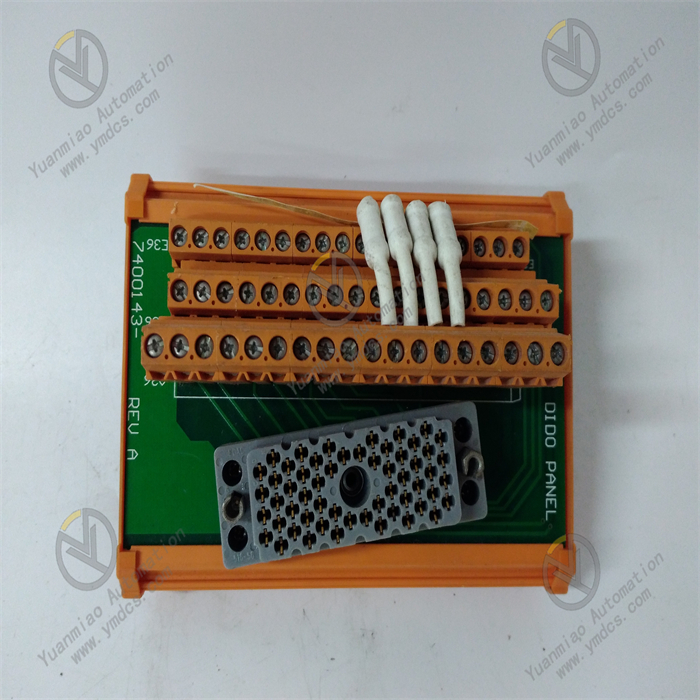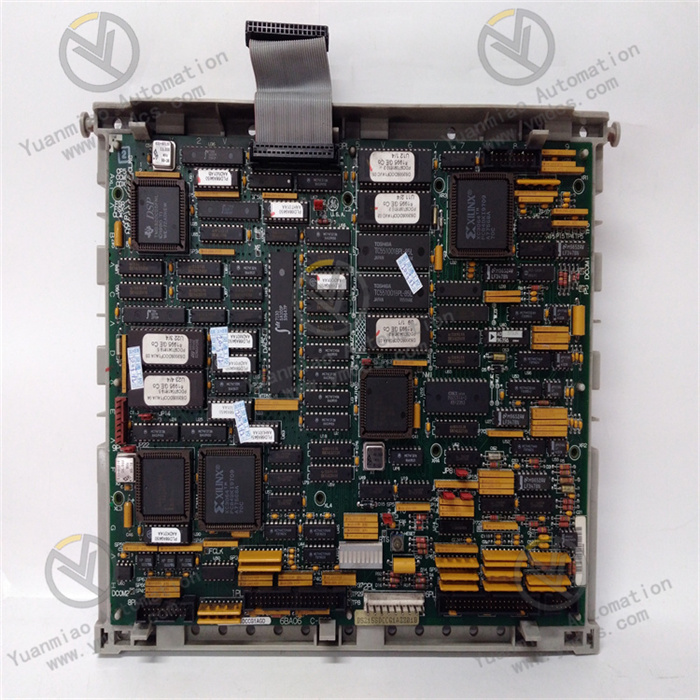
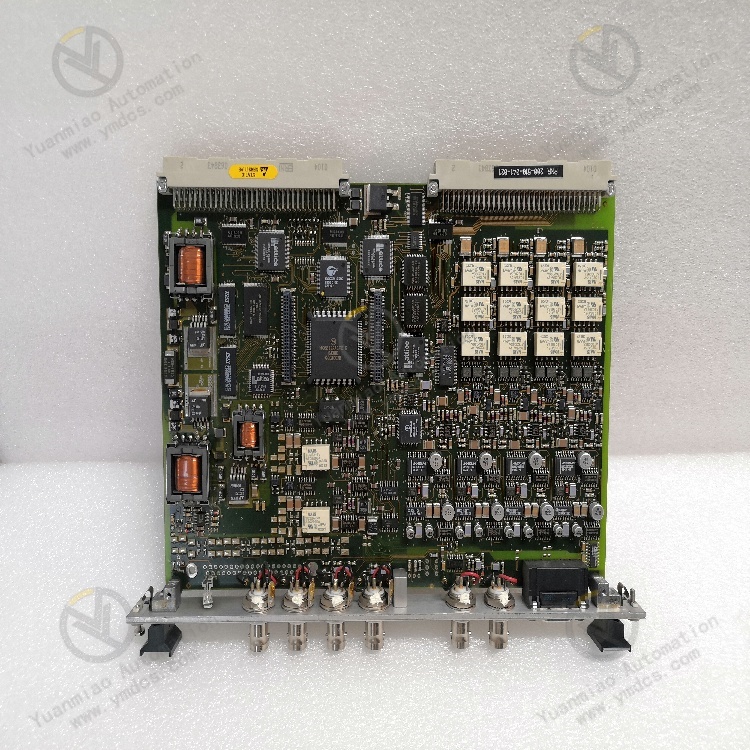
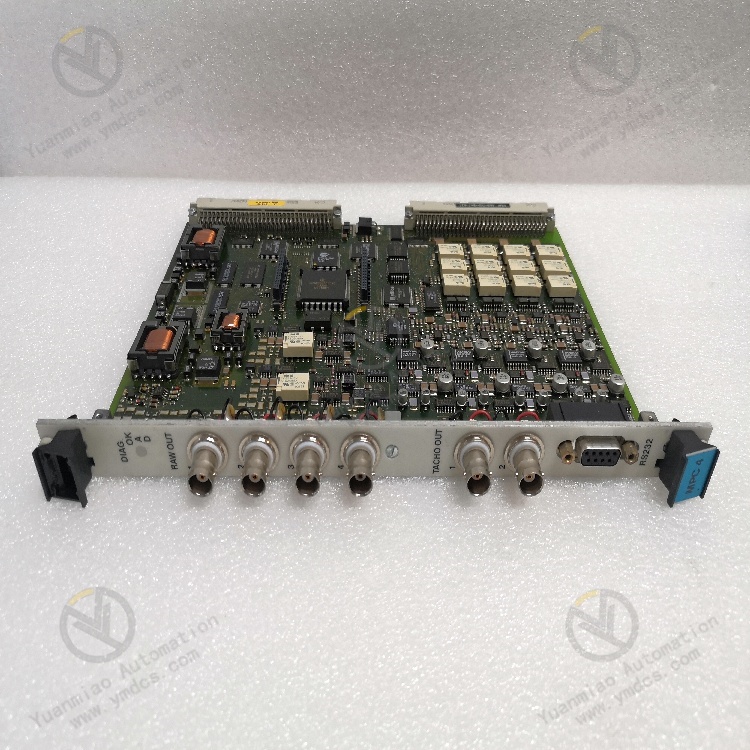
Description
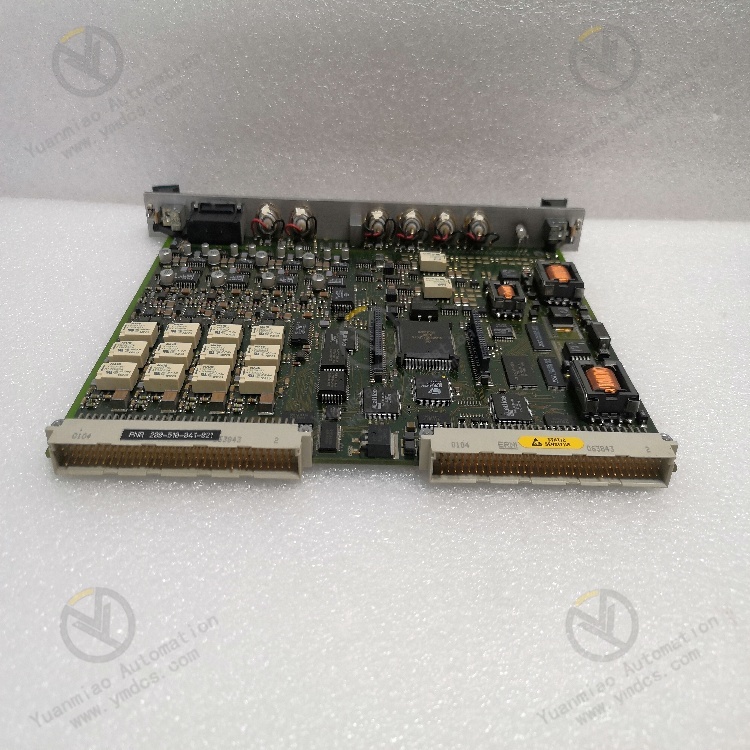
Vibro-meter VM600 200-510-041-021 200-510-111-021 MPC4
1. Basic Information
Vibro-meter VM600 is a high-precision Machinery Protection System (MPS). Models 200-510-041-021 and 200-510-111-021 are core components of the VM600 system, while MPC4 (4-Channel Machine Protection Card) serves as the core machinery protection card and the key unit for vibration monitoring and fault early warning. Working in tandem, they deliver comprehensive condition monitoring and protection for critical rotating machinery.
2. Technical Specifications
2.1 General Specifications of Core Components
- Power Supply: Rated input voltage 24VDC. The MPC4 supports sensor power supply of +27.2V±5% and +15.0V±5% with supply current 6.16mA±5%. It is equipped with on-board overcurrent protection (11.0A for +5V line), providing stable power for acceleration, velocity, eddy current and other sensors.
- Environmental Adaptability: Operating temperature: -20°C ~ 60°C; Storage temperature: -40°C ~ 85°C. Operating humidity: 0~90% non-condensing; Storage humidity: 0~95% non-condensing. Protection class: IP20, suitable for complex industrial site environments.
- Dimension & Weight: MPC4 card: 262mm(H)×20mm(W)×187mm(D), weight 0.40kg. Full set of core components including 200-510 series accessories: approx. 210×170×75mm, weight approx. 1.5kg. Adopts 19-inch card-type structure for easy modular installation.
Communication Interface: Supports RS-485, RS-232 and VME bus communication (standard & independent circuit versions), enabling data interaction with VibroSight software and other industrial control systems. BNC connectors are adopted for signal input to facilitate original signal analysis and debugging.
2.2 Core Technical Parameters of MPC4 Card
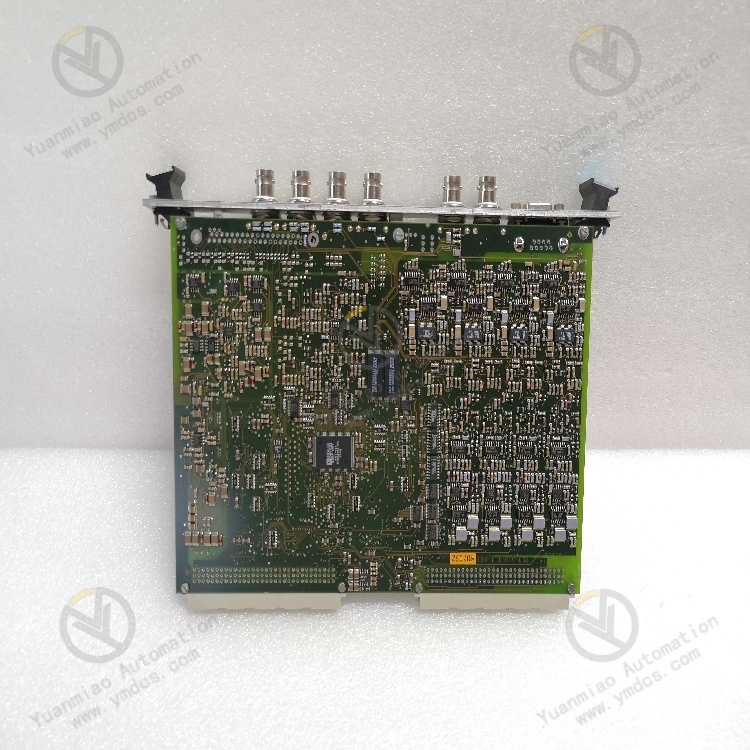
- Channel Configuration: 4 programmable dynamic signal input channels and 2 programmable speed/phase input channels. It can simultaneously measure and monitor dynamic signals including acceleration, velocity and displacement, as well as signals from various speed sensors such as eddy current, reluctance and TTL sensors, and supports fractional speed ratio.
- Signal Processing: Adopts advanced Digital Signal Processing (DSP) technology, featuring digital filtering, integration/differentiation, digital modulation (RMS, average, peak, peak-to-peak, etc.) and order tracking (amplitude & phase). Frequency range: DC to 10kHz (-0.1dB or 1%), maximum up to 60kHz (-3dB). Amplitude error <2%, phase error <5° within DC~10kHz.
- Alarm Function: Supports two-level high limit (A+, D+) and low limit (A-, D-) alarms; velocity channels support A- and A+ dual alarms. Maximum alarm scanning interval: 100ms. Alarm value, hysteresis, interlock and delay time are all user-programmable. It can adaptively set alarm and trip values according to rotating speed, and provides individual alarm and common alarm (open-collector transistor) output, complying with API 670 standards for partial models.
- Measurement Accuracy: Dynamic signal input conversion ratio: 1V/V for voltage input, 0.3245V/mA for current input. External speed resolution up to 1 revolution. Reliable minimum input voltage: 0.8Vpp square wave (0.016Hz~10kHz), 0.8Vpp sine wave (10Hz~10kHz). DC component range: -20V ~ +20V, featuring high and stable measuring precision.
Other Functions: Built-in self-test function with sensor health status monitoring, channel fault and alarm status detection to diagnose faults of sensors, preamplifiers and cables. Hot-swap supported. 7 LED indicators on front panel display equipment status and alarm information. Output units can be set to metric or imperial via software. Analog output optional 0-10V or 4-20mA (matched with IOC4T card).
2.3 Specifications of 200-510 Series Accessories
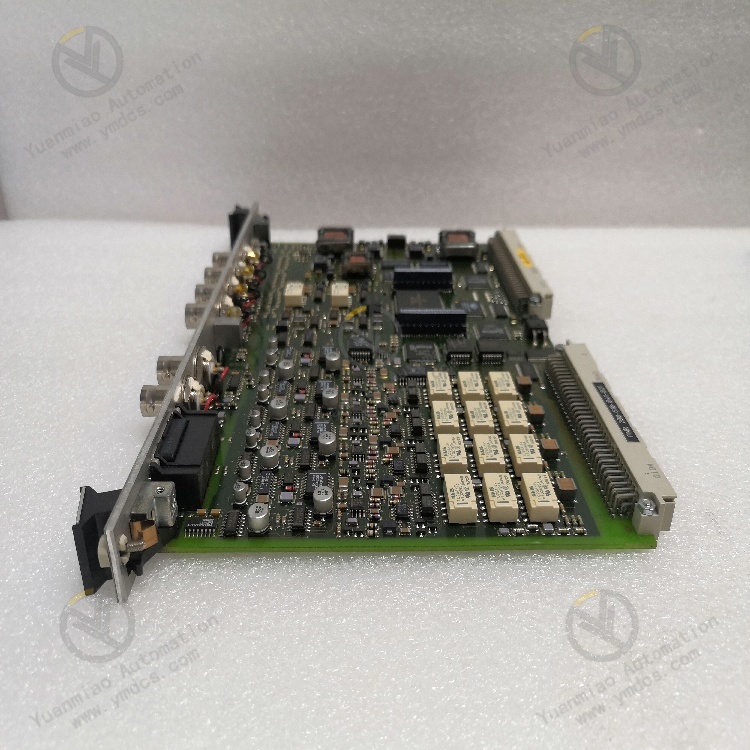
- Interface Type: Fully compatible with MPC4 cards and IOC4T I/O cards. Connect to rack backplane via two rows of pins to realize transmission of original sensor signals to MPC4 and output of processed signals.
- Signal Compatibility: Ensures stable transmission of vibration, displacement, speed and other signals with low signal loss and strong anti-interference performance. It meets all dynamic signal and speed/phase signal input requirements of MPC4 cards to guarantee accurate and real-time measured data.
- Compatibility: Specially designed for VM600 MPC4 cards, compatible with ABE04X series racks. It works cooperatively with other system components without extra adaptation, featuring easy installation and direct hot-swap replacement (in accordance with safety operation regulations).
3. Working Principle
- Signal Acquisition: As signal transmission and adaptation components, 200-510-041-021 and 200-510-111-021 stably transmit original mechanical vibration, speed, phase signals collected by external sensors (accelerometers, velocity sensors, displacement sensors, speed sensors, etc.) to MPC4 machine protection cards. Meanwhile, they deliver stable working power supplied by MPC4 cards to sensors to ensure lossless and interference-free original signal transmission.
- Signal Processing: As the core processing unit, the MPC4 card applies advanced DSP technology to filter, integrate/differentiate and digitally modulate acquired original signals, extracting key characteristic parameters such as vibration amplitude, phase and frequency. Programmable wideband and narrowband filters realize accurate monitoring of specific frequency signals, and synchronous order-based amplitude & phase monitoring is available. It can complete measurement and calculation of various physical quantities including relative shaft vibration, absolute shaft vibration, SMAX, eccentricity and shaft displacement.
- Analysis & Judgment: The MPC4 card compares processed parameters with user preset alarm and trip values in real time, and adjusts alarm thresholds via adaptive algorithms combined with external data such as rotating speed (e.g. automatic doubling of unit trip value when passing critical speed). The built-in self-test function continuously monitors the operating status of sensors, channels and itself, and triggers status prompts immediately once abnormal signals, sensor faults or channel faults are detected.
- Early Warning & Output: When monitored parameters exceed preset thresholds or equipment faults are detected, the MPC4 card displays alarm status via front panel LED indicators and outputs individual and common alarm signals through open-collector transistors. Processed analog signals (0-10V or 4-20mA) are transmitted to external control systems via IOC4T cards, and switching signals are output through matched relay cards to realize equipment trip control and fault indication. In addition, data can be transmitted to VibroSight software via RS-485, VME bus and other interfaces for subsequent data analysis, trend tracking and fault diagnosis.
4. Application Scenarios
4.1 Power Industry
As core monitoring tools for key power equipment, they are widely used for vibration monitoring and protection of turbines, generators, water pumps, fans and other equipment in thermal power plants, hydropower stations and nuclear power plants. They monitor real-time operating parameters such as vibration amplitude and rotating speed, and give early warnings against rotor unbalance, shaft misalignment, bearing wear and other faults, ensuring continuous and safe power production and avoiding power outages caused by equipment failures.
4.2 Petrochemical Industry
Applicable to key rotating machinery including compressors, pumps, motors and centrifuges in petroleum exploitation, refining and transportation industries. They operate stably under harsh high-temperature, high-pressure and high-dust conditions to monitor equipment status parameters such as vibration and displacement, and warn of equipment wear, seal failure and other malfunctions. They prevent safety accidents and economic losses such as medium leakage and production shutdown, and guarantee smooth production procedures.
4.3 Metallurgy & Mining Industry
Applied to rolling mills, fans and motors in metallurgical plants, as well as crushers, conveyors and hoists in mines. They monitor real-time equipment vibration status, timely discover operational abnormalities and warn of gear wear, bearing damage, rotor unbalance and other faults, reducing equipment downtime and maintenance costs, and ensuring efficient and safe production in metallurgy and mining sectors.
4.4 General Machinery Manufacturing Industry
Suitable for production testing, factory inspection and on-site operation & maintenance of large-scale rotating machinery such as large motors, fans, water pumps and centrifuges. It can accurately measure equipment vibration parameters, providing reliable data support for product quality inspection, fault diagnosis and daily maintenance, helping enterprises improve product quality, cut operational costs and prolong equipment service life.
4.5 Other Key Industrial Fields