Description
ATLAS TC-4000-P-PB-ES
1. Basic Information
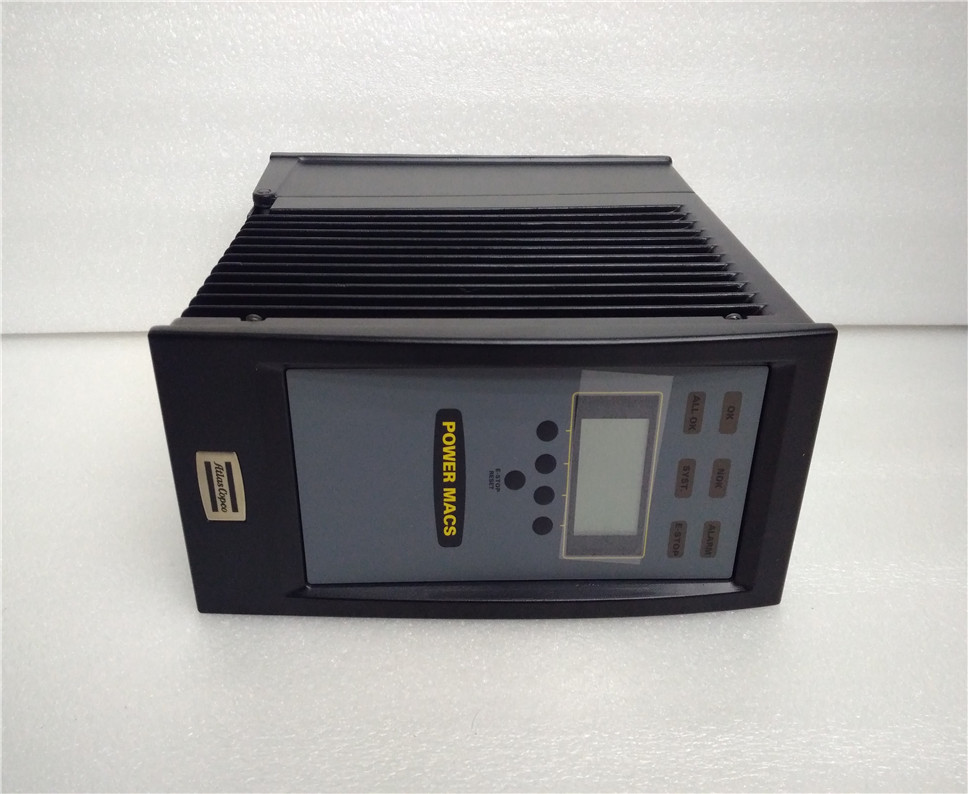
ATLAS TC-4000-P-PB-ES is an industrial high-precision tension controller. This series features high-precision tension regulation, stable performance and strong compatibility, which is widely used for tension control on industrial automatic production lines. Designed precisely for tension management of various coiled materials, wires and strip materials, it is a core device to stabilize material tension during production and prevent material stretching, wrinkling and breaking. Integrated with high-precision tension detection, PID closed-loop control, Profibus bus communication and intelligent adjustment technology, it boasts core advantages including high-accuracy tension control, fast response, remote configurability and strong anti-interference capability.
It is mainly used to detect and adjust material tension in real time and keep the tension within preset range, so as to guarantee processing precision and product quality. It meets tension control demands in industries such as coil printing, packaging, textile, metal processing and wire & cable manufacturing. Adopting robust industrial structure and supporting both panel mounting and DIN rail mounting, it is categorized as industrial tension control component, which can be directly integrated into automatic production lines, coil processing equipment and winding & unwinding systems to build tension control links for various industries.
With excellent environmental adaptability and anti-interference performance, it reaches IP54 protection grade and can withstand harsh on-site conditions including dust, slight dampness and temperature fluctuation. It supports Profibus (PB) communication protocol and is compatible with mainstream bus architectures of industrial automatic control systems. Seamless connection with PLC, host computer, winding actuators and other devices enables remote monitoring, configuration and adjustment of tension parameters. It is widely applied in printing & packaging, textile printing & dyeing, metal foil processing, wire & cable and film production industries, providing reliable guarantee for accurate tension control in material processing.
2. Technical Specifications
2.1 Core Electrical & Control Specifications
- Power Supply: AC 220V ±10%, 50/60Hz. Compatible with conventional industrial power supply circuits with low power consumption, typical power consumption ≤15W. It cuts down overall energy consumption and ensures long-term stable power supply for diverse industrial working conditions.
- Tension Control Parameters: Tension adjustment range: 0.1N~4000N; control accuracy ≤±0.5% FS. Equipped with high-precision PID closed-loop control algorithm with independent adjustable proportional, integral and differential parameters. It can be flexibly matched according to material characteristics and production speed to ensure stable and consistent tension output.
Response Speed: Fast response performance. Tension detection response time <10ms, control response time <50ms. It quickly tracks real-time tension variation and executes timely adjustment to avoid material damage and defective products caused by tension fluctuation.
- Communication Parameters: Supports Profibus DP protocol with configurable baud rate from 9.6kbps to 12Mbps. It realizes remote data interaction with PLC and upper computer, including remote parameter setting, real-time tension data upload and equipment operation status monitoring, greatly improving operation and maintenance efficiency.
- Temperature Resistance: Operating temperature: 0°C ~ +50°C; storage temperature: -20°C ~ +70°C. It adapts to ambient temperature changes in industrial sites, avoiding equipment failure and accuracy decline caused by abnormal temperature and ensuring stable operation in standard industrial environments.
I/O Interfaces: Equipped with tension sensor input port (compatible with strain gauge type and bridge type sensors), analog output port (0~10V / 4~20mA) and universal digital input/output port (PNP/NPN optional). It can connect tension sensors, winding motors, clutches, brakes and other actuators to form complete closed-loop tension control system.
2.2 Physical & Structural Specifications
- Mounting Method: Dual installation options: panel mounting and DIN 35 rail mounting, complying with industrial standard installation norms. Flexible installation selection based on on-site layout facilitates later maintenance and commissioning.
- Dimensions: Compact industrial structure, standard size: 144mm×100mm×75mm (L×W×H). Moderate overall size saves installation space and fits various industrial equipment and control cabinets perfectly.
Weight: Approximately 0.8kg. Solid and lightweight design simplifies field installation and layout without adding extra load to mechanical structures, balancing sturdiness and practicality.
- Housing & Wiring: Adopts industrial flame-retardant casing with IP54 protection grade, featuring good dustproof and splash-proof performance against dust and mild moisture in workshops. It is fitted with dedicated wiring terminals and standard Profibus communication ports with reasonable layout for easy field wiring and debugging. Firm terminal connection is required to guarantee signal stability.
Product Features: Rugged industrial design with outstanding electromagnetic interference resistance and vibration resistance to adapt to complex working conditions and extend service life. It supports local button operation and on-site parameter setting, equipped with LCD screen to display real-time tension value, control parameters and running status. Remote parameter configuration is available via Profibus bus. It also has high/low tension limit alarm function to timely feed back abnormal tension status and secure production safety.
2.3 Core Function & Compatibility Specifications
- Core Functions: Integrates high-precision tension detection, PID closed-loop tension regulation, Profibus remote communication, tension alarm and parameter storage & recall functions to achieve accurate material tension control and stable production operation. It supports manual/automatic mode switch: manual mode enables direct output adjustment while automatic mode realizes full closed-loop automatic regulation according to preset tension target to meet different production requirements.
Integration Performance: Highly integrated design embeds tension detection unit, PID control unit, Profibus communication unit and alarm unit. No extra auxiliary accessories are needed for direct access to automatic production lines, which simplifies system design and wiring work and reduces construction and maintenance costs.
- Compatibility: Fully compatible with various strain gauge and bridge tension sensors covering multiple measurement ranges. It can work seamlessly with PLC, upper computer, winding motors, clutches and brakes to achieve data exchange and remote control via Profibus bus, matching all kinds of coil and wire processing lines. Multiple groups of tension parameters can be stored and quickly recalled for different materials and production processes for higher flexibility.
- Reliability & Practicality: Stable running performance and strong anti-interference capability ensure long-term trouble-free operation on site and lower maintenance costs. PID closed-loop control guarantees superior tension precision and stability to eliminate quality risks from tension fluctuation. Remote monitoring and parameter adjustment help staff grasp operating conditions and troubleshoot faults timely. Built-in tension alarm effectively reduces material waste and mechanical failures caused by abnormal tension.
3. Working Principle
- Equipment Initialization & Parameter SettingAfter power-on, the controller completes automatic initialization. Operators can set tension target value, PID parameters (Proportional, Integral, Differential), communication parameters and tension limit alarm values via local buttons or Profibus remote communication. Multiple sets of process parameters can be saved and quickly recalled according to different materials and production technologies to shorten commissioning time.
- Tension Signal CollectionConnected with external tension sensors through dedicated input ports, the controller collects real-time mechanical tension signals. Sensors convert physical tension into standard electrical signals, which are filtered and amplified by the internal detection unit. With detection response time within 10ms, subtle tension changes can be captured accurately and instantly.
- PID Tension RegulationThe collected actual tension value is transmitted to the PID control unit for comparison with preset target value. The system calculates optimized control signals through PID algorithm and outputs analog control signals to actuators such as winding motors, clutches and brakes, so as to adjust operating speed and output torque in real time. The actual material tension is steadily maintained within the target range with control response time less than 50ms, ensuring high-precision and stable tension control.
- Data Exchange & Status MonitoringOperating status, real-time tension data, control parameters and alarm information are uploaded to remote PLC and host computer through Profibus bus for centralized remote monitoring and data management. Meanwhile, remote control commands can be sent to modify tension setpoints and PID parameters to realize unattended remote adjustment. The controller monitors its own operating state and real-time tension continuously. Once the tension exceeds preset upper and lower limits, the alarm mechanism will be triggered to remind staff of timely troubleshooting.
4. Application Scenarios
4.1 Printing & Packaging Industry
Widely used in gravure printing, flexographic printing, film laminating, slitting and bag-making production lines. As the core tension control device, it precisely stabilizes tension of printing coils and films to ensure accurate overprinting and smooth lamination, avoiding coil stretching, wrinkling and breakage. It improves finished product quality and satisfies production demands of food packaging, plastic packaging and paper packaging products.
4.2 Textile Printing & Dyeing Industry
Applied to spinning, weaving, printing and dyeing and fabric finishing lines. It stabilizes tension of yarns and fabrics to ensure uniform stress during processing, prevent yarn breakage and fabric wrinkling, and guarantee flatness and consistency of textile products. It fits production requirements of cotton textile, chemical fiber and knitting industries.
4.3 Metal Processing Industry
Suitable for rolling, slitting and rewinding production lines of metal foils, metal strips and iron wires. It accurately controls tension of metal raw materials to prevent tensile deformation and fracture, guarantee metal processing precision, and is widely used in production and processing of aluminum foil, copper foil and steel strips to promote finished metal product quality.
4.4 Wire & Cable and Film Production Industry