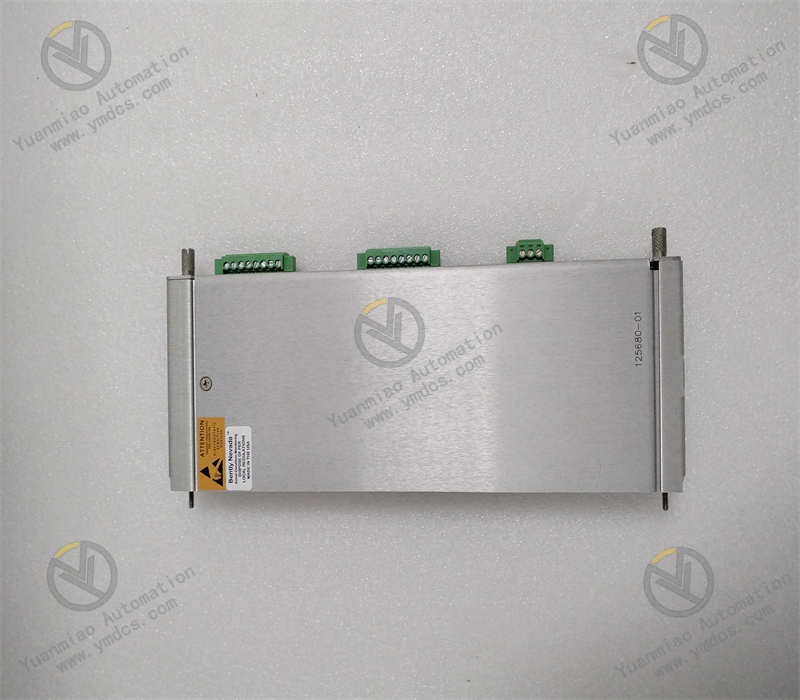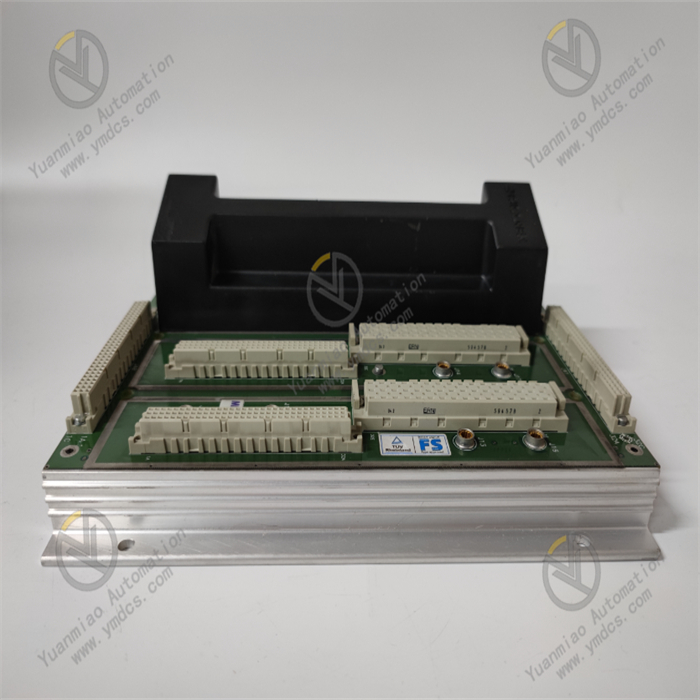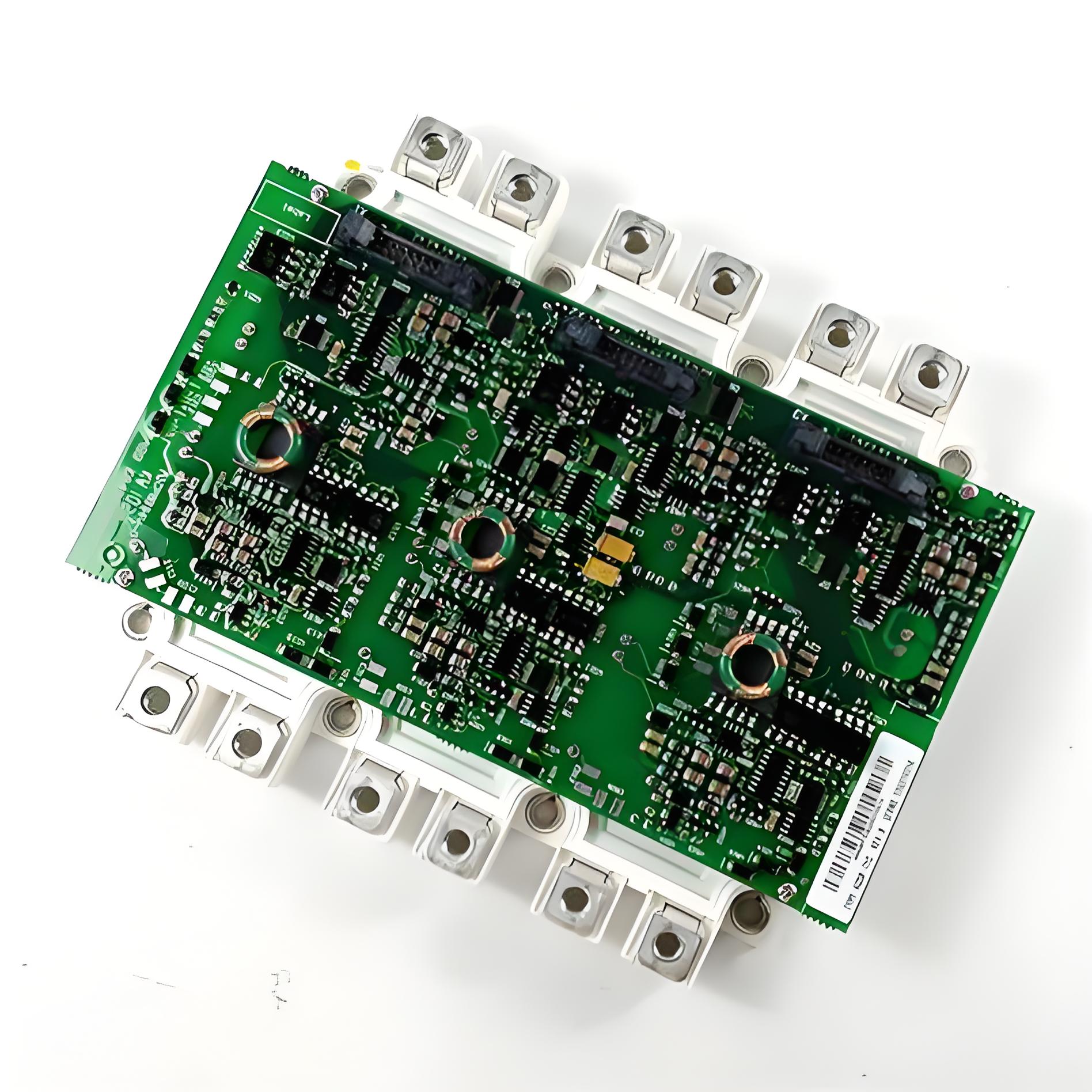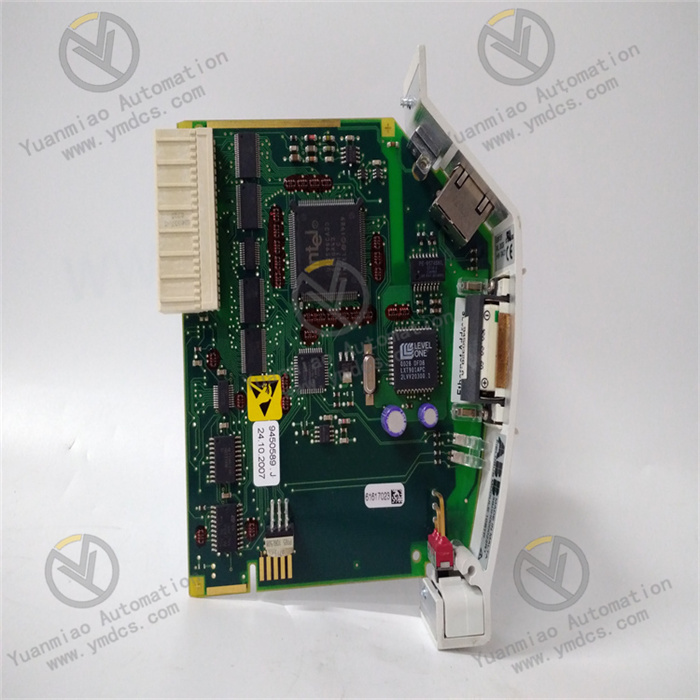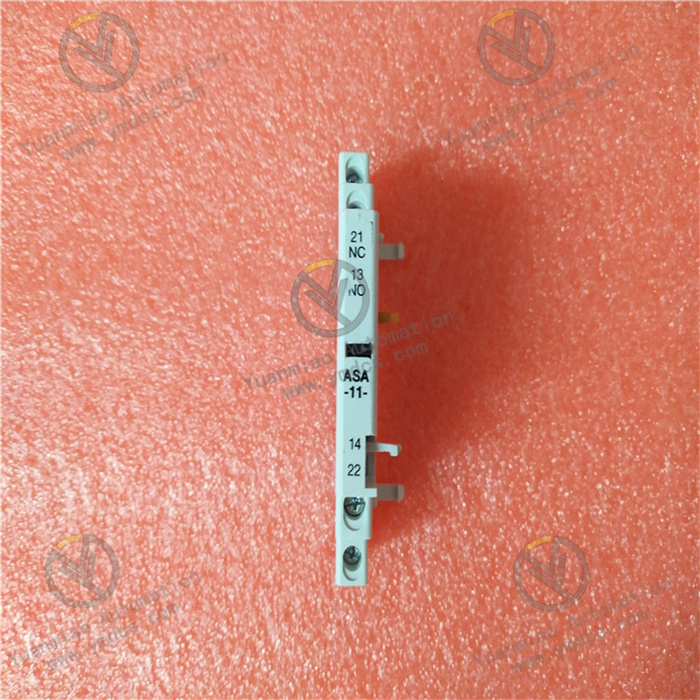
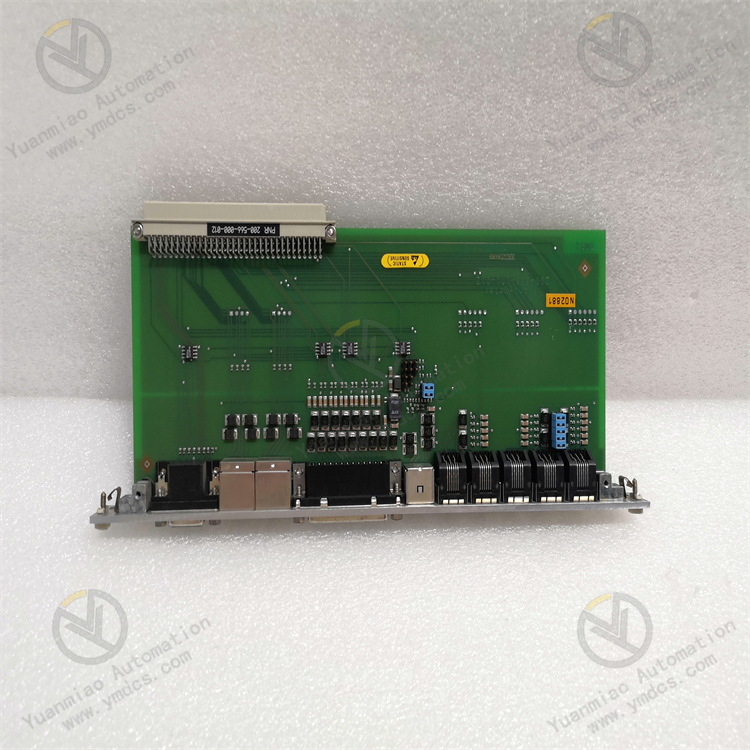
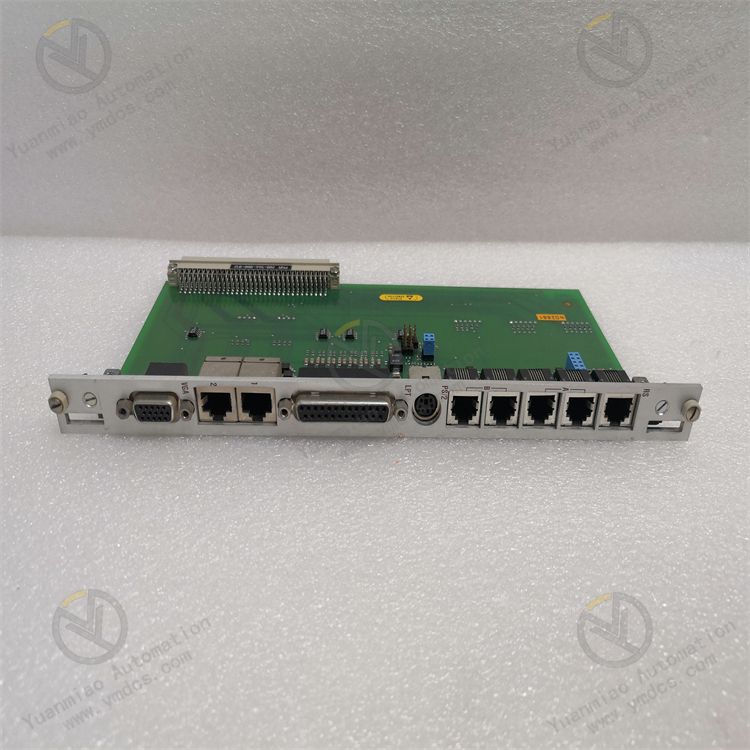
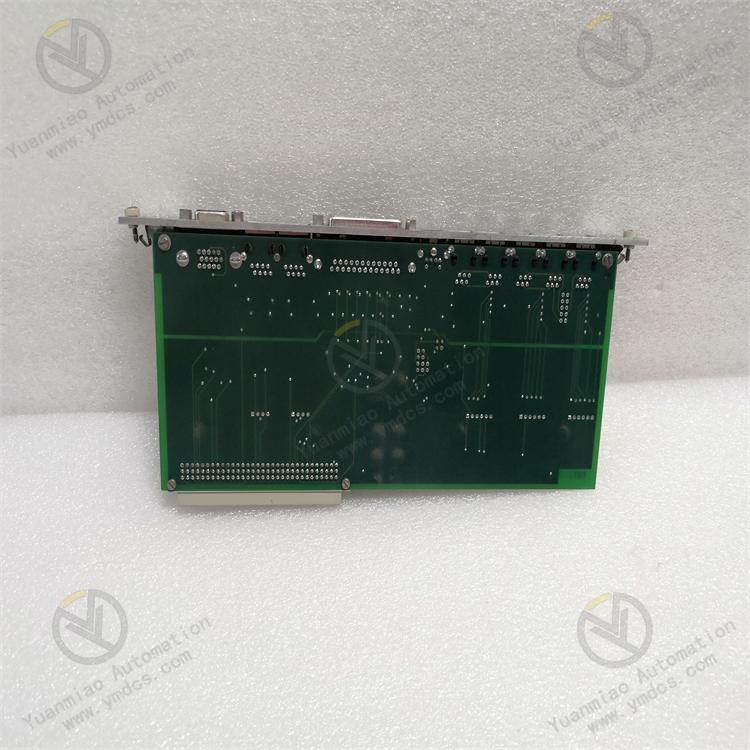
VIBRO-METER VM600 IOCN 200-566-000-012 200-566-101-012 Rack-mounted communication gateway interface card

VIBRO-METER VM600 IOCN 200-566-000-012 200-566-101-012 Rack-mounted communication gateway interface card

Brand: VIBRO-METER

Product ID: VM600 IOCN

Condition: New / used

Terms of payment: Paypal、T/T 、Western Union

Category:

Description

1. Overview


VM600 IOCN (Part Numbers: 200-566-000-012, 200-566-101-012) is a dedicated rack controller and communication gateway interface card for the VM600 Mk2 machinery protection system manufactured by Switzerland-based Vibro-Meter (Meggitt). It acts as the core communication bus hub of the entire VM600 condition monitoring and protection system. It must be used in pairs with the CPUM main control card to form a complete architecture of "system master control + communication forwarding", serving as critical hardware for inter-rack data exchange, protocol conversion and upper-level networking.


Different from the IOC4T analog output card, the IOCN does not perform measuring-point signal acquisition or analog conversion. It focuses on rack-wide bus management, cross-card data scheduling, industrial protocol communication, system configuration management and remote maintenance gateway functions. It centrally aggregates monitoring data, alarm status and fault logs from all functional cards such as MPC4 and AMC10 inside the rack, completes protocol encapsulation and bidirectional data interaction, and realizes seamless connection between the full-unit protection system and DCS, SCADA, upper configuration software and remote maintenance platforms.


This standard industrial version of the model is compatible with the full series of standard VM600 racks including ABE04x and ABE056. It supports hot swapping, system-level self-diagnosis, bus fault tolerance and parameter retention after power loss. Complying strictly with the API 670 standard for rotating machinery monitoring, it is widely deployed in rotating machinery protection systems for thermal power plants, combined-cycle gas power stations, petrochemical and metallurgical facilities. It is an indispensable core module for networking communication, centralized management and intelligent maintenance of VM600 systems.


2. Technical Features


2.1 System-Level Bus Gateway Realizes Unified Rack-Wide Data Scheduling

As the exclusive external communication gateway of the VM600 rack, the IOCN manages the high-speed backplane bus of the rack in an overall manner. It collects vibration, displacement, rotating speed, temperature, alarm and fault data from all monitoring cards, and uniformly completes data packaging, time sequence sorting and protocol conversion. Centralized uploading, configuration and fault management of monitoring data from multiple sets of MPC4 in one rack are realized, thoroughly eliminating data disorder, time sequence dislocation and communication conflicts caused by multi-card networking, and ensuring a closed-loop unified data link of the whole protection system.


2.2 Exclusive CPUM Matching Architecture Ensures Controllable Closed-Loop Operation

The IOCN forms a hardware-specific matched combination with the CPUM main control card, and the two cooperate to fulfill system master control logic and communication forwarding functions. The CPUM undertakes overall rack logic management, task scheduling and system self-diagnosis, while the IOCN handles internal/external bus data interaction, upper-level communication and parsing & distribution of remote commands. In-depth matching of hardware and software protocols enables millisecond-level data synchronization. The system architecture boasts superior fault tolerance, stability and security compared with general communication modules, representing the native standard architecture of the VM600 Mk2 system.


2.3 Compatibility with Multiple Industrial Protocols Adapts to Various Upper Automation Systems

Multiple standardized industrial communication protocols are embedded to support docking with mainstream upper-level systems including power station DCS, industrial SCADA, configuration monitoring platforms and remote maintenance systems. Remote parameter setting, protection enable/disable, signal reset, fault log reading, remote firmware upgrade and system status diagnosis are supported. No additional protocol conversion modules are required to realize full-function intelligent remote management of unit protection systems, fitting the unattended maintenance mode of power stations.


2.4 Bus Fault Tolerance and Data Caching Prevent Data Loss and Communication Interruption

Mechanisms of bus fault tolerance, power-off data caching and resume transmission after disconnection are adopted. When transient fluctuation of the rack bus or short-term upper communication outage occurs, local data can be automatically cached and historical records retransmitted after communication recovery to avoid loss of operating data, fault oscillography and event logs. Meanwhile, bus conflict detection and abnormal message filtering functions are available to effectively eliminate communication disorder, data jump and system offline induced by interference.


2.5 Industrial-Grade Hot Swapping Enables System Maintenance Without Shutdown

Fully compliant with the hot-swap mechanism of VM600 racks. When modules are replaced or serviced online, system configurations, bus settings and communication parameters of the CPUM are automatically synchronized. No unit shutdown, re-networking or reconfiguration of protocol parameters is needed. It drastically cuts downtime costs for system overhaul, module replacement and system expansion, adapting to scenarios of continuous industrial production and maintenance with non-stop unit operation.


2.6 Full-Range System Self-Diagnosis Enables Accurate Fault Localization

Full automatic hardware self-test, bus link verification, protocol initialization and paired-card handshake are completed upon power-on. Real-time monitoring of rack bus status, upper communication links, module hardware conditions and data transceiving status runs throughout operation. Hidden hazards such as bus abnormality, communication disconnection, protocol error, pairing failure and hardware damage can be precisely identified. Onboard LED indicators intuitively display operation, communication and fault status, while fault codes are uploaded to upper systems for rapid troubleshooting and improved maintenance efficiency.


2.7 Harsh-Environment Resistant Triple Protection and EMC Design

The entire PCB is coated with conformal coating for dustproof, moisture-proof, anti-corrosion and anti-aging performance. Certified by CE and FCC for full electromagnetic compatibility, it resists harmonic noise from frequency converters, radio frequency interference, power surges and electrostatic discharge. Designed for wide-temperature operation with vibration and shock resistance, it runs stably 24/7 at full load in high-temperature, high-humidity, dusty and electromagnetically intensive cabinet environments of power stations with consistent long-term communication free of disconnection or packet loss.


2.8 Maintenance-Free Parameter Storage Supports Long-Term Unattended Operation

High-performance non-volatile memory is mounted on the board. All communication protocol parameters, bus configurations, networking parameters and system configuration data are permanently retained after power loss without backup batteries, eliminating risks of parameter loss and networking failure. It satisfies demands of long-term unattended and stable continuous operation in power plants.


3. Detailed Specification Parameters


3.1 Basic Hardware Parameters

  • Model: VM600 IOCN Mk2
  • Part Numbers: 200-566-000-012, 200-566-101-012 (standard general version)
  • Manufacturer: Vibro-Meter (Meggitt, Switzerland)
  • Device Type: Rack controller communication gateway interface card for VM600 Mk2 systems
  • Matched Device: Must be used in pairs with the CPUM main control card installed in the rack
  • Compatible Racks: ABE04x standard rack, ABE056 slim rack
  • Physical Dimension: 6U rack height with standard embedded mounting size
  • Weight: Approx. 0.25kg, lightweight industrial modular design
  • Core Functions: Rack-wide bus management, multi-protocol communication forwarding, system data aggregation, remote maintenance gateway, configuration storage, bus fault tolerance
  • Configuration Software: Dedicated VM600 MPS1, MPS2 configuration tools
  • Compliance Standard: Conforms to API 670 design specifications for rotating machinery monitoring systems
  • Operating Characteristics: 24-hour uninterrupted continuous operation, hot-swap compatible, parameter retention after power failure, bus fault tolerance, cached data resume transmission


3.2 Electrical Parameters of Bus and Communication

  • Internal Bus: Dedicated high-speed backplane bus for VM600 racks supporting high-speed data exchange across the whole rack
  • External Communication: Multi-protocol industrial communication interface enabling bidirectional data interaction with upper systems
  • Communication Mechanism: Real-time polling plus active event reporting with millisecond-level data refresh
  • Data Processing: Supports multi-card data aggregation, time sequence calibration, data packaging and parsing
  • Fault Tolerance Capacity: Supports caching & resume transmission after communication disconnection, bus abnormality blocking and invalid message filtering
  • Networking Capacity: One single module manages networking communication of all monitoring cards in the rack to support centralized monitoring of multiple measuring points


3.3 System Function Parameters

  • System Management: Rack-wide equipment status monitoring, online card identification and system configuration synchronization
  • Remote Maintenance: Remote parameter modification, protection logic configuration, firmware upgrade, fault diagnosis and log export
  • Data Forwarding: Full upload of vibration, displacement, rotating speed, temperature, alarm, fault and equipment status data
  • Fault Handling: Bus fault alarming, communication abnormality recording and reporting of system error codes
  • Linkage Logic: Cooperates with the CPUM to complete system-level fault blocking, status linkage and system reset management


3.4 Status Indication and Self-Diagnosis Parameters

  • Onboard Indicators: Multi-status LEDs for power supply, system operation, bus communication, upper communication and module faults
  • Self-Diagnosis Items: Hardware self-test, bus link detection, communication link detection, pairing status detection and abnormal data transceiving detection
  • Fault Feedback: Dual fault notification via local light alarms and upper fault code upload


3.5 Environmental and Mechanical Parameters

  • Operating Temperature: -20 ℃ ~ +60 ℃ for long-term continuous wide-temperature cabinet operation
  • Storage Temperature: -40 ℃ ~ +85 ℃ for equipment transportation and long idle storage
  • Operating Humidity: 5%~95% RH (non-condensing) suitable for high-humidity power station environments
  • Mechanical Performance: Industrial vibration resistance, dust-proof, moisture-proof and anti-corrosion, tolerating long-term vibration and shock inside cabinets
  • Ingress Protection: IP20 standard for embedded cabinet installation


3.6 Power Supply

Power is centrally supplied by the backplane of the VM600 rack; no external independent power supply is required. The module features low power consumption and low heat generation with controllable temperature rise under full-load operation. Communication remains stable with no parameter drift or data packet loss during long-term operation and boasts high power supply reliability.


4. Working Principle


After power-on, the VM600 IOCN communication gateway card automatically completes full hardware self-test, bus initialization, communication protocol loading and parameter reading. It finishes pairing handshake with the CPUM main control card in the rack, automatically identifies all functional cards such as MPC4 and AMC10 in the rack, completes initialization of rack-wide bus networking and enters normal communication management operation.


During system operation, the IOCN continuously polls and collects monitoring data, alarm status, fault information and equipment conditions of all functional cards via the high-speed rack backplane bus, performing time sequence calibration, data encapsulation and protocol conversion. On one hand, full-unit operating data, alarm information and fault logs are uploaded to upper monitoring systems such as DCS and SCADA in real time. On the other hand, remote setting, parameter modification, signal reset, firmware upgrade and system diagnosis commands issued by upper systems are parsed and distributed to corresponding functional cards via the internal bus to execute remote maintenance operations.

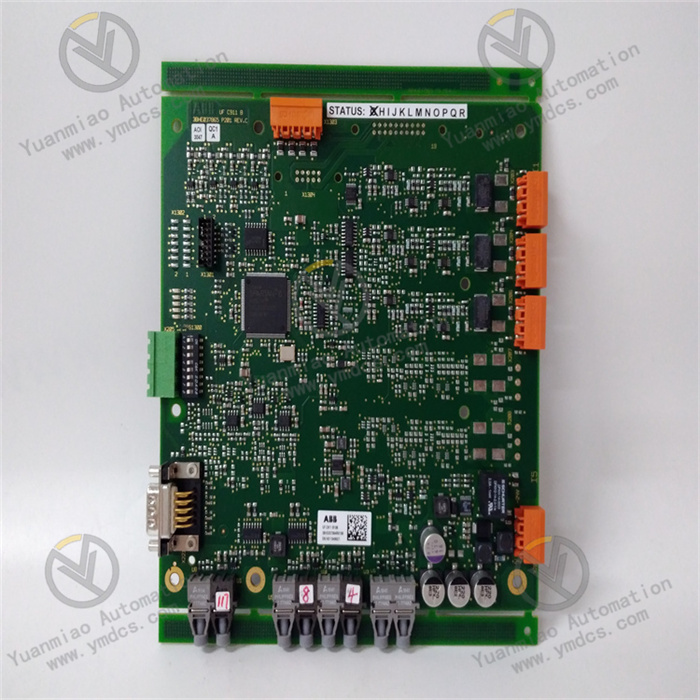
Full-time bus monitoring and fault tolerance mechanisms run throughout operation to verify bus data and communication link status in real time and filter abnormal interference messages. Local data is automatically cached during transient communication interruption and retransmitted after link recovery to guarantee complete data integrity. Meanwhile, system-level self-diagnosis is implemented in coordination with the CPUM to identify hidden hazards such as networking abnormality, card offline and communication fault, triggering timely fault alarms and uploading fault codes. During hot-swap replacement, all rack configurations and communication parameters are automatically cached and synchronized to ensure uninterrupted system networking and data communication.

contact us