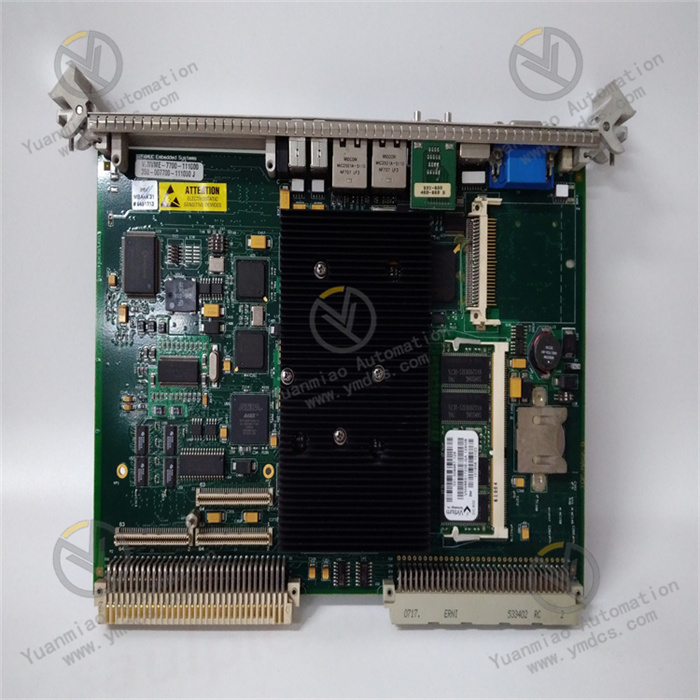
1. Overview
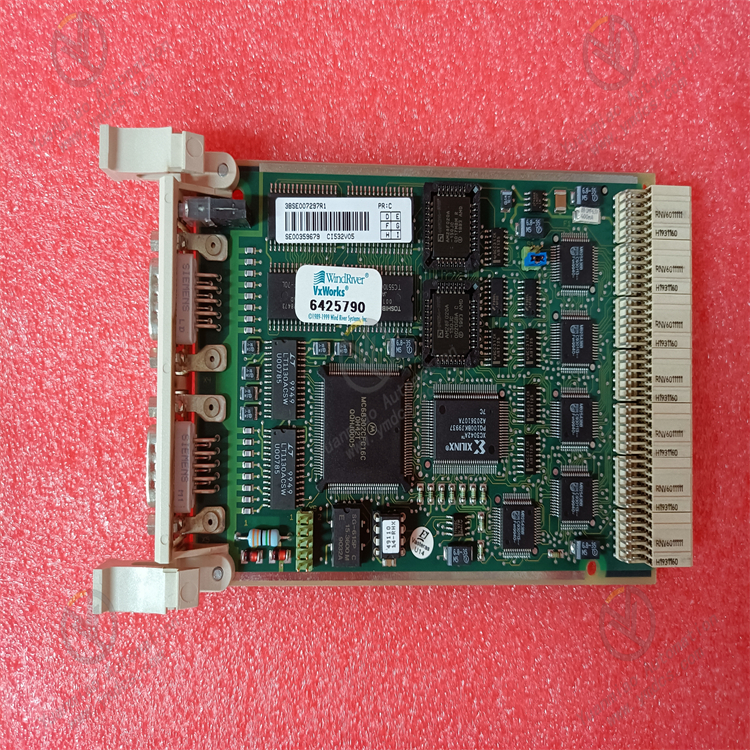
Molex APP-ETH-PCU-C (PCU2000ETH) is an industrial intelligent Ethernet PCI process control unit developed by Molex (Woodhead Applicom). Equipped with an independent embedded processor and local storage resources, it performs industrial protocol parsing, data preprocessing and link management locally without occupying host CPU resources. As a high-reliability industrial communication hardware, it supports 10/100Mbps TCP/IP Ethernet and multi-function serial communication, widely used in industrial IPC, DCS, PLC networking and automated monitoring systems.
Complying with RoHS and industrial EMC standards, this card features anti-interference, low latency and high fault tolerance. It adopts universal 3.3V/5V PCI bus architecture, compatible with mainstream industrial operating systems. It realizes dual-link communication expansion of Ethernet and serial port, effectively simplifying the hardware architecture of industrial control hosts and meeting the stable data interaction requirements of complex industrial automation scenarios.
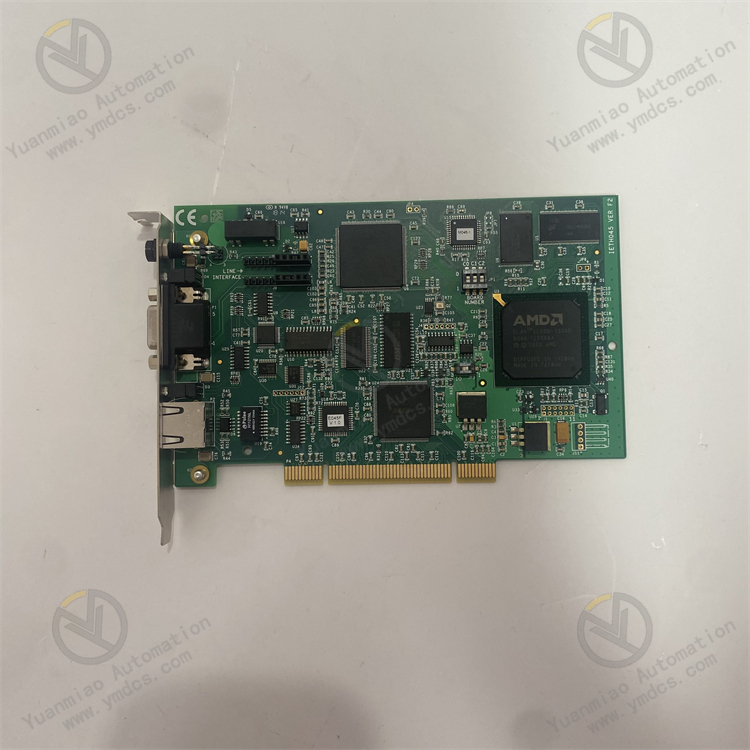
2. Technical Features
2.1 Independent Embedded Computing Architecture
Built-in 133MHz AMD SC520 dedicated communication processor with 16MB SDRAM and 4MB Flash completes all data processing, protocol analysis and link maintenance tasks locally. It effectively reduces industrial host load, avoiding communication interruption and data packet loss caused by host system congestion, ensuring long-term stable industrial data transmission.
2.2 Dual Integrated Communication Interfaces
Integrated 10/100Mbps RJ45 Ethernet port and multi-function DB9 serial port (RS-232/422/485 adaptive). The Ethernet interface realizes large-capacity network data transmission, while the serial port connects field instruments and sensors. Single-card dual-link expansion greatly enriches the host communication capability and adapts to diverse industrial peripheral access.
2.3 Industrial High-Speed Low-Latency Communication
Supports 10/100Mbps adaptive rate and standard TCP/IP protocol. Built-in data verification, retransmission error correction and link self-healing mechanisms eliminate common industrial problems such as flash disconnection, packet loss and data disorder, ensuring high-throughput and high-reliability continuous data interaction.
2.4 Universal PCI Bus Compatibility
Compatible with standard 32-bit PCI bus (3.3V/5V dual voltage), widely applicable to various industrial IPCs, automatic control hosts and legacy industrial equipment. It supports direct replacement and upgrading without hardware modification, featuring strong universality and replaceability.
2.5 Multi-OS Driver Support & Simple Configuration
Natively supports Windows, Linux, VxWorks and other industrial operating systems. The matched configuration tool realizes online parameter setting, real-time status monitoring, message capturing and fault diagnosis, greatly reducing system commissioning and maintenance difficulty.
2.6 Industrial EMC Anti-Interference & Isolation Design
Optimized circuit design meets industrial EMC standards and resists complex electromagnetic interference from frequency converters and high-power equipment. The serial port adopts 500V galvanic isolation protection to prevent surge and voltage impact damage, adapting to harsh industrial workshop environments.
2.7 Visual Status Monitoring
Equipped with multiple status indicator LEDs to intuitively display link connection, data transceiving and operating status. Maintenance personnel can quickly locate communication and hardware faults, improving troubleshooting efficiency and reducing equipment downtime.
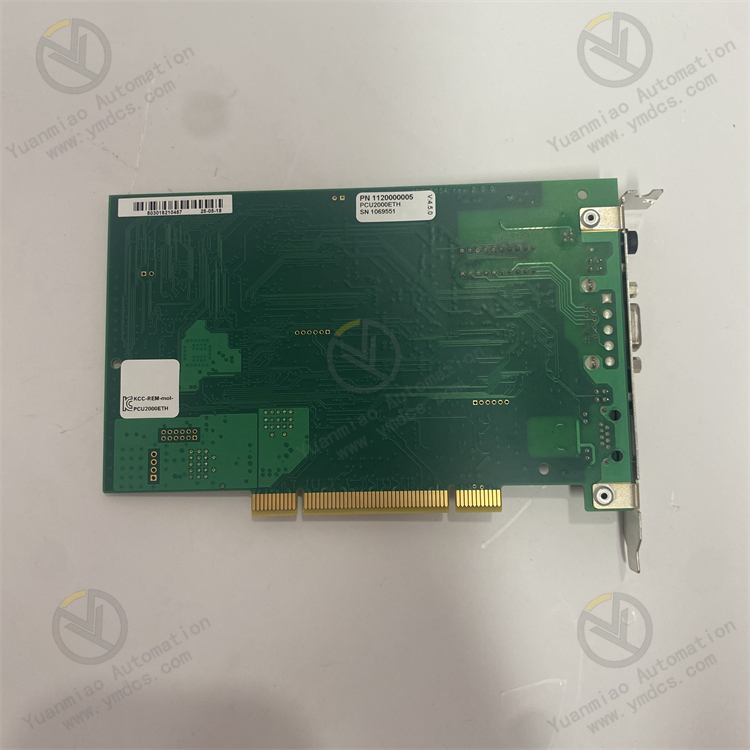
3. Detailed Specifications
3.1 Basic Hardware Parameters
- Model: APP-ETH-PCU-C (PCU2000ETH)
- Manufacturer: Molex (Woodhead Applicom)
- Product Type: Industrial Intelligent Ethernet & Serial PCI Communication Card
- Processor: AMD SC520 @ 133MHz
- Memory: 16MB SDRAM, 4MB Flash
- Bus Standard: 32-bit PCI, 3.3V/5V Compatible
- Dimension: 168mm × 107mm
- Power Consumption: 5.5W (Rated)
- Certification: RoHS, Industrial EMC Compliance
3.2 Communication Interface Parameters
- Ethernet Port: 1×RJ45, 10/100Mbps Auto-Negotiation, IEEE 802.3
- Serial Port: 1×DB9, RS-232/422/485 Adaptive
- Serial Isolation: 500V Galvanic Isolation Protection
- Serial Baud Rate: 9.6Kbps ~ 1.5Mbps
- Debug Port: 1×USB2.0 for Configuration & Firmware Upgrade
- Indicators: Link, TX/RX, Running Status LED
3.3 System & Software Parameters
- Supported OS: Windows, Linux, VxWorks Industrial Systems
- Communication Protocol: Standard TCP/IP & Universal Serial Protocols
- Core Functions: Data Preprocessing, Protocol Parsing, Link Self-Check, Fault Self-Recovery
- Firmware Version: V4.5.0 Industrial Stable Version (Upgradable)
- Debug Tool: Original Configuration Software for Monitoring & Diagnosis
3.4 Environmental Parameters
- Operating Temperature: 0℃ ~ +65℃ (Full Load Stable Operation)
- Storage Temperature: -40℃ ~ +85℃
- Operating Humidity: 10%~90%RH (Non-Condensing, Non-Corrosive)
4. Operating Principle
The Molex PCU2000ETH communication card is mounted and powered via the industrial IPC PCI bus. After power-on, the independent processor loads firmware, completes hardware self-inspection and interface initialization, and establishes dual communication links of Ethernet and serial port. With local computing capability, it independently processes industrial data without relying on host resources.
The Ethernet link realizes high-volume TCP/IP data interaction with PLC, DCS and upper computer for working condition uploading and control command delivery. The serial link collects field process data from on-site instruments and sensors and completes protocol conversion. All transmitted and received data are verified, filtered and preprocessed locally to eliminate interference noise and correct abnormal data, ensuring accurate and efficient data transmission.
During operation, the card monitors bus status, link continuity and data transmission in real time. When faults such as communication timeout and link disconnection occur, it records fault logs, triggers alarm indicators and activates protection logic to avoid system logic disorder caused by invalid data, ensuring long-term stable and reliable operation of the industrial control communication system.
5. Application Scenarios
1. Communication expansion for industrial IPC and main control hosts, realizing network and serial multi-device networking communication.
2. Data interaction and linkage control for automated production lines and process control systems.
3. Performance upgrading and faulty part replacement for legacy industrial control communication systems.
4. Centralized monitoring and remote data transmission for factory digital management systems.
5. Supporting communication core hardware for metallurgy, water treatment, power and chemical industrial equipment.