Description
1. Overview
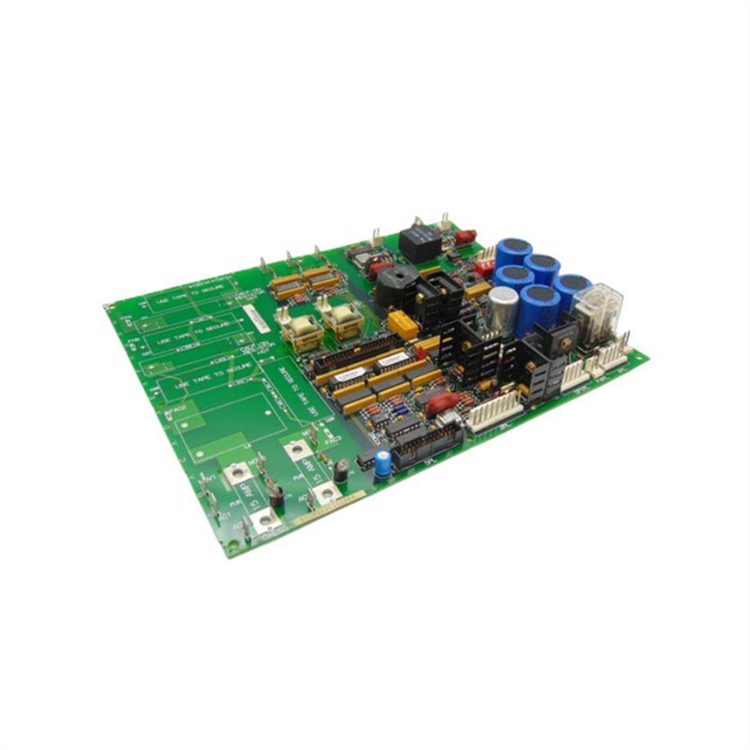
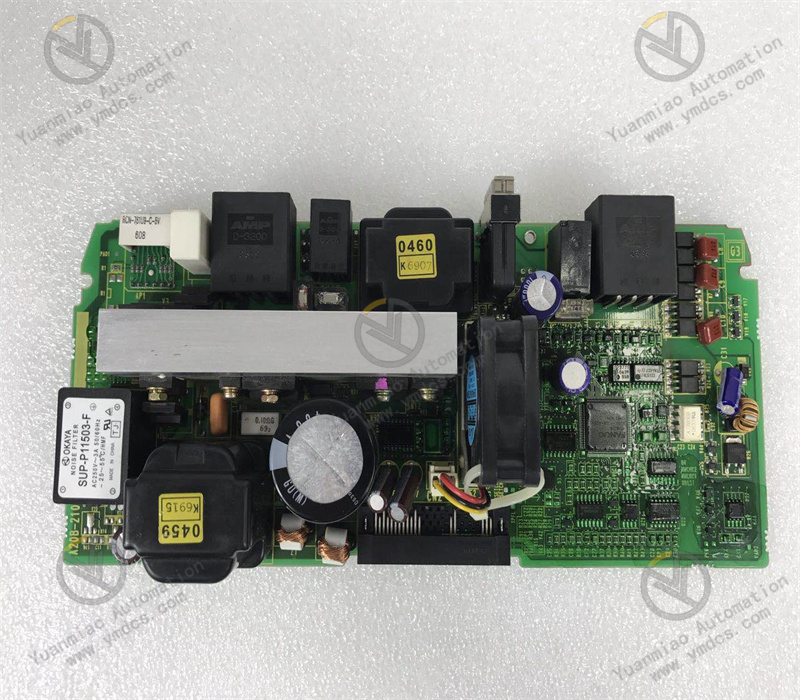
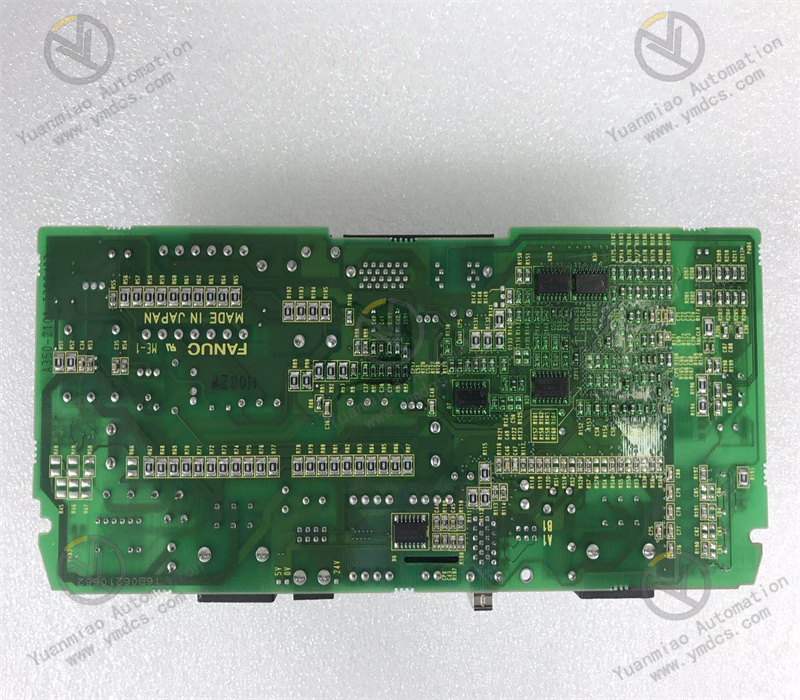
Fanuc A20B‑2101‑0390 is a dedicated servo power‑supply control board for the FANUC Alpha‑I CNC series. As a core hardware component of the CNC servo power system, it is widely compatible with classic CNC systems including Fanuc 0i, 16i and 18i. It is a critical board for stable power supply and power‑logic management of servo drive units and spindle units. Designed for voltage‑stabilized power supply, power‑fault monitoring, overload protection and power‑logic regulation of CNC servo systems, it performs core functions such as servo power distribution, voltage conversion, power‑supply filtering and abnormal interlock protection, ensuring continuous and reliable operation of machine‑tool servo‑axis and spindle drives.
Built with an industrial‑grade high‑power power‑supply circuit architecture, the A20B‑2101‑0390 integrates multi‑stage voltage stabilization, surge suppression, over‑current protection and power‑supply self‑test units. It features high supply stability, sufficient load capacity, excellent anti‑interference performance and low failure rate, and is well‑suited for harsh operating conditions of frequent start‑stop, high‑speed cutting and continuous mass production. As a commonly‑used maintenance‑replacement spare part for CNC equipment, it offers outstanding OEM‑level compatibility. It can directly replace aged, faulty or damaged power boards of the same model without modifying system parameters or machine wiring. Normal production can be rapidly restored after simple power‑on commissioning. It is widely used for maintenance, repair and upgrade of Fanuc‑based CNC equipment such as machining centers, CNC lathes, milling machines and drill‑tap centers.
2. Functions and Features
2.1 Core Functions
Servo‑System Voltage‑Stabilized Power Conversion: Accepts three‑phase AC input. Through high‑precision power‑conversion circuits, it provides stable standard DC power for servo amplifiers, spindle drive units and system control loops. It precisely meets the power‑supply requirements of Fanuc servo systems and prevents equipment malfunctions caused by voltage fluctuations.
Machine‑Tool Power‑Logic Management: Executes power‑on sequence control, power‑loop allocation and standby‑power voltage‑stabilization management for the CNC servo system. It implements step‑by‑step power‑on, power‑supply self‑check and load activation strictly per system preset logic, ensuring compliant power‑on timing and balanced power distribution across the whole machine.
Comprehensive Power‑Fault Protection: Embeds multiple hardware protection mechanisms for over‑voltage, under‑voltage, over‑current, overload, short‑circuit and surge impact. It monitors input/output voltage, load current and loop conditions in real time and triggers interlock power‑off protection upon abnormalities to prevent burnout of servo drives, motors and the board itself.
Real‑time Power‑Status Self‑diagnosis and Alarm: Continuously monitors its own circuit conditions, power‑link status and load operation. It accurately identifies faults such as power anomalies, poor‑loop contact, load over‑limit and voltage drift, and reports alarm codes to the CNC system for fast fault localization of power‑related issues.
Industrial‑grade Power‑supply Filtering and Anti‑interference: Integrates multi‑stage power filtering, electromagnetic shielding and noise‑suppression circuits. It effectively filters shop‑grid fluctuations, high‑frequency interference and line noise to purify power quality, avoiding servo jitter, positioning deviation and system alarms induced by power‑supply noise.
Support for Continuous Servo‑load Conditions: High‑power load‑capable design. It can sustain long‑duration power demands of multi‑axis interpolation and heavy‑load spindle operation without overheating or power‑supply degradation, suitable for 24‑hour non‑stop mass‑production scenarios.
Native System Compatibility: Natively compatible with Fanuc Alpha‑I servo units. It fully conforms to underlying power‑supply logic and hardware protocols of classic CNC series. Parameter reconstruction is not required after legacy‑board replacement, enabling plug‑and‑play and fast commissioning.
2.2 Product Features
High‑power Stable Load Capacity: Adopts industrial‑grade high‑power power‑supply components with ample output load capability. It can simultaneously supply multiple servo axes and spindle drives with no voltage drop or abnormal current fluctuation under heavy‑load conditions.
High‑precision Voltage Stabilization with Low Drift: Equipped with precision voltage‑regulating circuits. Accurate regulated output is achieved across a wide input‑voltage range with very low temperature drift. Power‑supply parameters remain stable despite cabinet temperature cycling and long‑time operation.
Machine‑tool‑grade Anti‑interference Design: Optimized for heavy electromagnetic‑interference shop‑floor environments with dense inverters, servo motors and high‑frequency equipment. Multi‑stage filtering and isolation defenses resist grid disturbance and equipment electromagnetic radiation to deliver clean and stable power.
Full‑series High Compatibility: Fully compatible with mainstream Fanuc 0i, 16i, 18i CNC systems and Alpha‑I servo drive units. Pin assignments, power‑supply logic and communication interfaces fully match OEM standards with zero adaptation overhead for replacement.
Industrial‑grade Long‑term Reliability: Manufactured with high‑temperature‑resistant, anti‑aging PCB substrates and rugged industrial components. It tolerates high cabinet temperature, dust, minor vibration and humid conditions with extremely low failure rates for long service life under continuous operation.
Easy Maintenance and Fast Commissioning: Standardized modular construction allows simple installation and removal. Fault replacement requires no complex debugging or system‑parameter rewriting. Normal machine‑tool operation can be restored via basic power‑on self‑test, greatly reducing maintenance downtime.
3. Specifications
| Parameter Item | Technical Specification |
|---|---|
| Model | A20B‑2101‑0390 |
| Device Type | Fanuc Alpha‑I series servo power‑supply control board |
| Compatible Systems | Fanuc 0i, 16i, 18i CNC systems; Alpha‑I servo drive units |
| Core Functions | Servo‑system voltage‑stabilized power supply, power‑on sequence control, over‑voltage / over‑current / overload protection, power‑supply filtering, fault self‑diagnosis & alarm |
| Input Voltage | Three‑phase AC 200V~240V industrial AC |
| Standard Output | Stable DC24V for servo‑unit control loops |
| Output Load Capacity | High‑power design; supports simultaneous power supply for multi‑axis servos plus spindle |
| Protection Mechanisms | Hardware interlock protection: over‑voltage, under‑voltage, over‑current, overload, short‑circuit, surge |
| Operating Temperature | 0 ℃ ~ +65 ℃ (standard machine‑tool cabinet environment) |
| Ambient Humidity | 5%‑95% RH, non‑condensing |
| Ingress Protection | IP20 (for cabinet‑internal installation) |
| Mounting Method | Slot‑type embedded installation inside servo cabinet |
| Application Equipment | CNC lathes, machining centers, milling machines, drill‑tap centers and other Fanuc‑based precision CNC machines |
4. Working Principle
The Fanuc A20B‑2101‑0390 servo power‑supply board implements a closed‑loop power‑supply workflow: 3‑phase Input Filtering → Voltage Conversion & Stabilization → Power‑on Sequence Control → Load Power Output → Real‑time Monitoring & Protection. Upon machine‑tool power‑on, external three‑phase AC is fed into the board input circuit. Multi‑stage filtering removes grid noise, voltage spikes and electromagnetic interference for power‑supply purification.
Purified AC enters the high‑precision power‑conversion and voltage‑regulation unit. Voltage conversion proceeds step‑by‑step following system‑defined timing, producing stable DC power for servo amplifiers, spindle drives, system control loops and signal‑sensing circuits. The board governs the overall power‑on logic, enabling ordered activation of standby power, control power and main power. It prevents instantaneous high‑current surges that could damage servo hardware and ensures safe and controlled power‑on.
During operation, on‑board monitoring chips continuously sample input voltage, output voltage, load current and loop temperature, dynamically adjusting regulation parameters to maintain supply stability. Once grid anomalies, load short‑circuit, over‑current, overload or out‑of‑range voltage is detected, hardware interlock protection activates immediately. Output power is cut off, fault codes are reported to the CNC, and machine‑tool operation is locked to avoid burnout of servo drives, motors or the board itself. After fault clearance, automatic or manual reset restores normal power supply, guaranteeing safe, stable and continuous operation of the machine‑tool power system.
5. Application Scenarios
Fanuc‑based Machining Centers: Compatible with Alpha‑I servo systems of vertical and horizontal machining centers. It delivers stable power for multi‑axis servo units and spindle drives to support stable high‑precision milling, boring and drilling for molds and precision parts.
Servo Power‑supply for CNC Lathes: Deployed on various Fanuc CNC lathes to manage power for servo feed axes and spindle drives. It mitigates instability caused by grid fluctuation and load variation and ensures dimensional consistency in mass turning production.
CNC Milling Machines & Drill‑tap Centers: Suitable for drill‑tap machines and CNC mills with frequent start‑stop and heavy‑duty cycles. It provides steady power and withstands current shocks from frequent cycling for long‑term reliable servo performance.
Maintenance Replacement for Fanuc Servo Systems: General‑purpose replacement spare for Alpha‑I power boards. It replaces aged, bulging, poorly‑regulated or frequently‑alarming legacy power boards to resolve symptoms such as no power‑on, servo alarms and spindle failure to start.
Retrofit of Legacy CNC Equipment: For older Fanuc machines suffering from power‑supply aging, voltage drift, random power‑loss and interference‑triggered alarms, board replacement improves overall power quality and operational stability for cost‑effective equipment upgrade.
6. Common Faults and Troubleshooting
6.1 Machine cannot power‑on; black screen; no machine response
Fault Causes: Damaged input circuit, defective power‑supply main control chip, failed rectifier‑regulator circuit, poor input‑terminal contact, complete loss of board output voltage.
Solutions: Measure external three‑phase input voltage and incoming terminals to rule out grid faults, open circuits and loose connections. Clean board gold‑fingers and slots, then reseat and fasten the board. Measure board input and output voltages. If power‑on still fails with confirmed healthy external wiring and mains supply, the power board is hardware‑defective; replace A20B‑2101‑0390.
6.2 Servo alarms on power‑on; spindle fails to start; drive‑unit errors
Fault Causes: Unstable board output voltage, failed voltage‑regulation circuit, excessive voltage drop, degraded load‑driving capability, corrupted power‑on sequence logic.
Solutions: Measure DC output voltage of the board to check for voltage drift and excessive drop. Inspect servo amplifiers and spindle drives for short‑circuit or overload to eliminate downstream load faults. Clear dust buildup and improve cabinet cooling to prevent performance degradation from high temperature. Replace the power board if symptoms persist.
6.3 Machine jitter, drifting machining dimensions, intermittent servo alarms
Fault Causes: Aged filtering circuits, degraded noise‑suppression capability, power‑supply noise and minor voltage fluctuations leading to unstable servo operation.
Solutions: Optimize shop‑floor grid and machine‑tool earthing to reduce external interference. Check cable shielding inside cabinet to suppress electromagnetic crosstalk. Inspect capacitors and filtering components for aging. Improve thermal conditions. Replace the power board if parameter drift and intermittent alarms cannot be resolved.
6.4 Overload / over‑current alarms under heavy‑load machining
Fault Causes: Degraded load‑driving capacity of power board, aged power components, shifted over‑current protection threshold, insufficient power supply under heavy‑load conditions triggering protection.
Solutions: Check servo motors, drives and spindle for mechanical binding or overload; verify loop current and eliminate downstream equipment faults. If operation is normal at no‑load but alarms occur under heavy‑load, the power‑board load performance has failed; install a replacement board.
6.5 Severe overheating of power board, frequent interlock power‑off, repeated rebooting
Fault Causes: Aged power components, internal cold‑solder joints, abnormal overload protection, poor heat dissipation, performance degradation from sustained high temperature.
Solutions: Clean cabinet air ducts and board dust deposits; enhance ventilation and heat dissipation. Check load conditions and avoid over‑rating operation. Secure board connectors and slots to eliminate contact risks. Replace with OEM power board if overheating, interlock and reboot faults recur.