Description
1. Product Overview
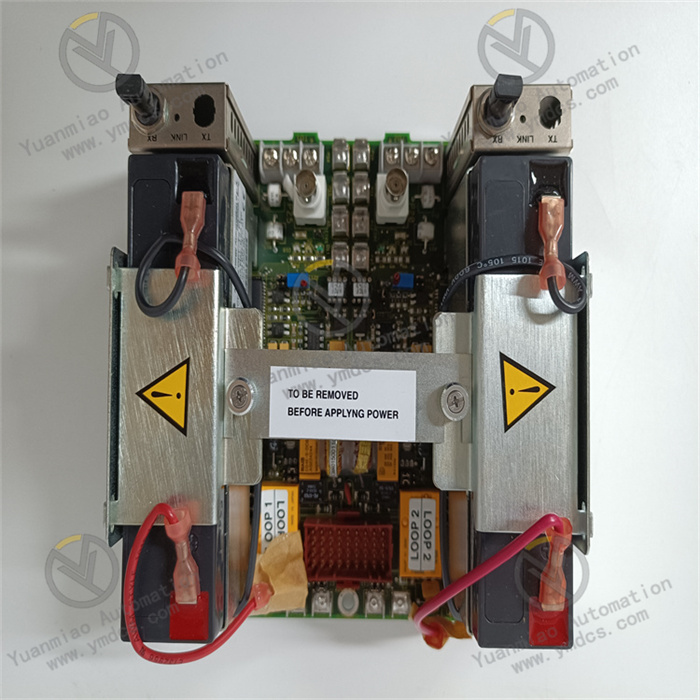
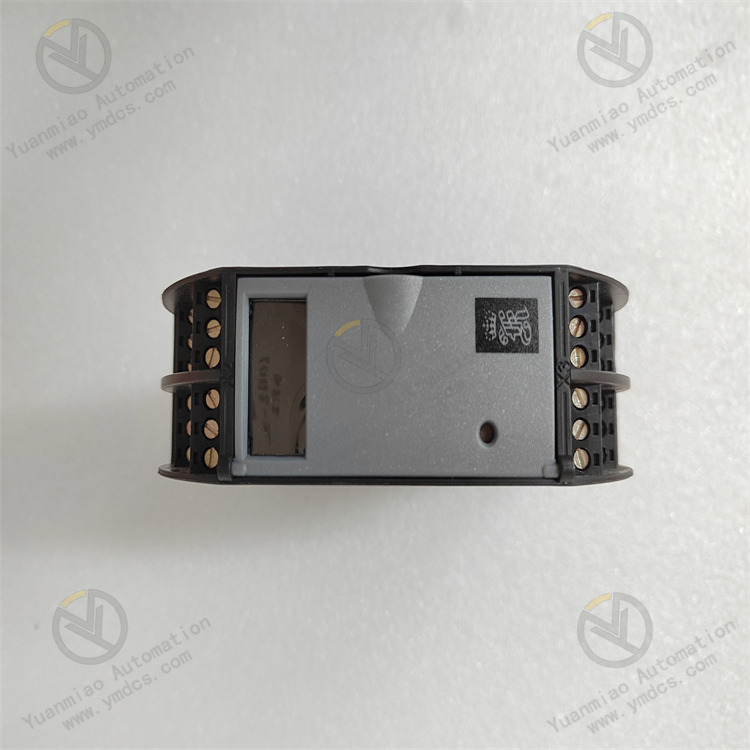
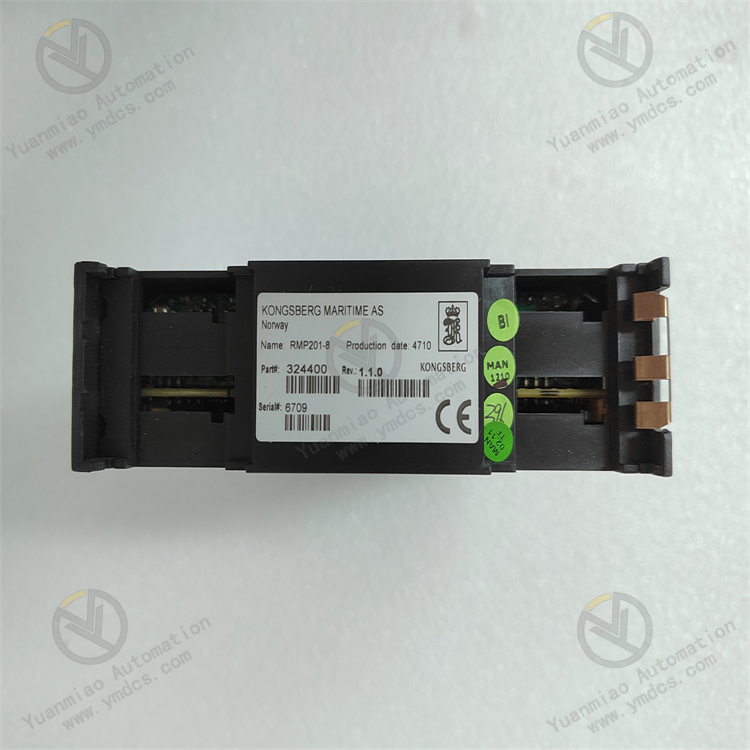
The Kongsberg RMP201‑8 is a remote multi‑function I/O module specially designed for marine and offshore engineering, researched and manufactured originally by Kongsberg, Norway. It belongs to the core hardware portfolio of Kongsberg marine automation control system and is developed for vessel power monitoring, engine‑room automation and industrial‑control systems on offshore platforms.
Integrated with multi‑channel analogue and digital input/output acquisition & control functions, this module serves as a core unit for distributed remote signal acquisition, on‑site equipment logic management and system data interaction. Equipped with high‑precision ADC chips, it supports the acquisition of multiple standard industrial signals and is compatible with communication protocols for harsh marine operating conditions. It can realize full‑range process‑signal acquisition and local control for engine‑room temperature, pressure, liquid level, valve position, pump status, switch interlocks and other parameters.
Adopting marine‑grade reinforced, vibration‑proof design and certified by multiple authoritative marine standards, the module delivers excellent moisture‑proof, salt‑spray‑resistant, EMC‑immune and shock‑resistant performance and supports 24/7 non‑stop stable operation. It is widely deployed in automation control systems for ocean‑going cargo ships, oil tankers, bulk carriers, offshore drilling platforms and marine energy equipment. It is a standardized core module for new marine‑control‑system construction, obsolete‑equipment replacement and distributed I/O capacity expansion & upgrade.
2. Core Technical Parameters
2.1 Basic Specifications
‑ Product Model: RMP201‑8 ‑ Product Series: Kongsberg Marine Remote Multi‑function I/O Module Series ‑ Product Type: Distributed remote integrated analogue/digital acquisition and control module ‑ Core Function Positioning: Remote signal acquisition, field‑device control, bus data interaction and process‑condition monitoring for marine industrial‑control systems ‑ Compatible Systems: Kongsberg engine‑room automation system, vessel power‑monitoring system, distributed control systems for offshore platforms ‑ Mounting Method: Standard DIN‑rail mounting inside control cabinets, suitable for compact layout of marine control panels ‑ Overall Dimensions: 170 mm × 120 mm × 55 mm ‑ Weight: Approx. 0.6 kg, lightweight and compact to save cabinet installation space ‑ Approvals: CE, UL, ABS marine certifications, fully complying with marine equipment access requirements
2.2 I/O Channels & Acquisition Parameters
‑ Analogue Inputs: 4‑20 mA standard current signal and 0‑10 V standard voltage signal, compatible with marine pressure, temperature, liquid‑level and flow transmitters ‑ Digital Inputs: Multiple programmable discrete inputs for acquiring equipment start‑stop status, valve feedback, interlock signals and fault‑alarm contact signals ‑ Analogue Outputs: Standard industrial analogue outputs for valve‑position regulation, variable‑speed drive control and closed‑loop regulation of process parameters ‑ Digital Outputs: Relay‑type discrete outputs for start‑stop control and interlock actuation of on‑site equipment including pumps, fans and solenoid valves ‑ Conversion Accuracy: High‑resolution ADC chip ensures high sampling precision and outstanding linearity without signal drift or sampling deviation ‑ Extended Functions: Pulse counting, signal filtering and user‑defined range configuration to meet non‑standard marine process‑measurement‑point requirements
2.3 Electrical & Communication Parameters
‑ Supply Voltage: Standard DC 24 V industrial power supply, compatible with conventional marine control‑system power networks; wide operating range: 18‑31.2 V DC to withstand voltage fluctuations ‑ Typical Power Consumption: ≤10 W, low‑power design for stable long‑term operation without over‑heating risks ‑ Communication Interfaces: Ethernet, CAN‑bus and RS232 multi‑port interfaces for multi‑link data exchange ‑ Bus Protocols: Supports dedicated marine‑bus protocols, natively compatible with Kongsberg proprietary industrial‑control bus; enables real‑time data upload, remote parameter configuration and fault‑message transmission ‑ Electrical Isolation: Galvanic isolation between channels and internal/external circuits to prevent signal anomalies caused by marine ground‑potential differences and cross‑loop interference ‑ Overload Protection: Built‑in multi‑level protection against over‑voltage, over‑current and short‑circuit, tolerant of transient voltage surges from marine power grids
2.4 Environmental & Protection Ratings
‑ Operating Temperature: ‑40 ℃ ~ +85 ℃ ultra‑wide industrial temperature range, suitable for extreme conditions such as high‑temperature engine rooms, low‑temperature outdoor locations and enclosed cabinets ‑ Storage Temperature: ‑40 ℃ ~ +85 ℃, satisfying strict temperature requirements for ocean‑going transportation and long‑term idle storage ‑ Operating Humidity: 5%‑95% RH non‑condensing, resistant to high‑humidity, water‑mist and oily environments on‑board vessels ‑ Environmental Resistance: Salt‑spray‑resistant, mould‑proof and anti‑corrosion performance for high‑salinity marine atmospheres ‑ Vibration & Shock Resistance: Marine‑grade anti‑vibration and anti‑shock construction to withstand vessel navigation shocks and machinery‑induced vibration ‑ Protection Class: IP20 (cabinet‑mounted), dust‑protected and finger‑safe for indoor installation inside marine control cabinets
3. Product Functions and Core Advantages
3.1 Core Product Functions
Integrated multi‑type signal acquisitionA single module combines bidirectional analogue and digital I/O functions, covering mainstream process‑measurement signals in marine engine rooms. It centrally collects operating data from power, auxiliary and safety systems, eliminating the need for multiple dedicated modules and delivering excellent measuring‑point adaptability.
Intelligent local equipment controlVia programmable I/O output channels, the module can perform on‑site start‑stop control and opening‑degree regulation for pumps, fans, solenoid valves and control valves. Custom interlock logic and sequence‑control functions support distributed autonomous management of field equipment and reduce the computing load of the main control system.
High‑precision data conversion and transmissionA high‑resolution ADC unit guarantees accurate and stable signal sampling. Combined with dedicated marine‑bus communication, process data from field sensors is uploaded to the main controller in real‑time without packet loss, providing reliable data sources for vessel condition monitoring, intelligent regulation and data archiving.
Comprehensive built‑in fault self‑diagnosisSelf‑diagnosis for channel wire‑break, short‑circuit, over‑range, signal abnormality and communication‑link failure. Fault‑alarm messages can be actively reported to pinpoint defective measuring points, damaged cables or equipment anomalies and greatly lower troubleshooting workload for marine maintenance crews.
Remote configuration and maintenanceRemote parameter setting, range modification, logic configuration and program debugging are supported. Sensor calibration and function optimisation can be completed remotely without physical disassembly, which fits the unattended maintenance mode for offshore vessels.
Redundancy and fault‑tolerance supportCommunication‑link redundancy and signal fault‑tolerance configuration are available. Failure of one single channel will not affect the whole module or system operation, effectively preventing system shutdown or data interruption triggered by marine‑condition fluctuations and ensuring continuous stable operation of the industrial‑control system.
3.2 Core Product Advantages
Marine‑grade dedicated design for harsh environmentsCustom‑built for the severe operating conditions of ships and offshore platforms, featuring salt‑spray resistance, corrosion resistance, vibration resistance and wide‑temperature‑range performance. It is perfectly adapted to high‑humidity, high‑corrosion and high‑interference marine environments and cannot be replaced by standard industrial I/O modules.
High integration for simplified system architectureThe all‑in‑one I/O design consolidates multiple signal acquisition and control functions. It drastically reduces the quantity of cabinet‑mounted modules and secondary wiring, simplifies marine control‑system architecture, lowers potential wiring‑related fault points and improves overall system stability.
Seamless compatibility with native Kongsberg systemsNatively interoperable with the full range of Kongsberg marine automation systems. Bus protocols, communication logic and configuration architecture are fully matched for plug‑and‑play deployment with zero compatibility risks for new‑project implementation or legacy‑system replacement upgrades.
High‑precision and highly‑stable operationIndustrial‑grade high‑accuracy sampling chips together with galvanic‑isolation circuits eliminate signal drift and data jitter caused by marine‑grid voltage fluctuations, electromagnetic interference and ground‑loop currents, delivering long‑term stable acquisition and reliable control performance.
Low‑maintenance high‑reliability designNo vulnerable mechanical components; fully solid‑state hardware architecture with excellent anti‑ageing and wear‑resistant properties. 24/7 fault‑free continuous operation requires minimal calibration or servicing during long ocean voyages, resulting in very low life‑cycle maintenance costs.
Authoritative marine‑certified complianceCertified by ABS, CE, UL and other international marine authorities. It fully satisfies ship‑classification survey and offshore‑platform equipment acceptance specifications and meets compliance requirements for all kinds of ocean‑going vessels and marine‑engineering projects.
4. Typical Application Scenarios
‑ Marine Engine‑room Automation Systems: Temperature, pressure and liquid‑level data acquisition and equipment control for power and auxiliary systems on merchant ships, cargo vessels and oil tankers
‑ Offshore‑Platform Industrial‑control Systems: Power‑equipment monitoring, process‑parameter acquisition and local‑device interlock control on offshore drilling platforms and offshore‑wind platforms
‑ Vessel Power‑monitoring Systems: Running‑status monitoring, process‑data collection and fault‑alarm signal transmission for main engines, auxiliary engines and generator‑sets
‑ Marine Safety‑monitoring Systems: Signal acquisition and coordinated control for fire‑safety, liquid‑level, cabin‑pressure and emergency equipment to guarantee navigation safety
‑ Marine‑energy Equipment: Signal acquisition, equipment management and data transmission for industrial‑control systems supporting offshore wind power and marine energy‑storage facilities
‑ Legacy Marine‑system Retrofit Projects: I/O‑module replacement, measuring‑point expansion and intelligent‑system upgrade for ageing automation systems on vessels and offshore installations
5. Installation, Commissioning and Maintenance Guidelines
Install the module on a standard DIN rail. Cut off cabinet power supply and clean dust and oil contamination from the mounting area before installation. Clip and lock the module firmly to prevent loosening or poor‑contact wiring caused by vessel vibration during navigation.
Strictly separate wiring for power‑supply loops, analogue‑signal circuits, digital‑signal circuits and communication lines. Route power and signal cables on different layers and reliably ground shielded communication cables at one single point to avoid sampling anomalies and communication drop‑outs induced by strong engine‑room electromagnetic interference.
Supply stable regulated DC 24 V marine power and keep voltage within the permitted operating range to prevent module restart, parameter loss or control‑logic disorder caused by transient grid surges or over‑voltage events.
During initial configuration, precisely set signal types, measuring ranges, filter parameters, interlock logic and communication parameters according to marine‑process‑measurement requirements. Carry out single‑point signal tests, equipment‑interlock trials and data‑upload verification to ensure full functional compliance with system specifications.
For routine maintenance, periodically inspect module indicator status, wiring tightness and communication‑link stability. Review process data and fault logs via the main‑control system and pro‑actively troubleshoot hidden defects such as signal drift, channel failure and communication attenuation.
Regularly wipe salt spray, dust and oil residues from the module surface. Maintain dry and well‑ventilated conditions to avoid insulation degradation and connector oxidation triggered by humid marine‑environment corrosion and extend service life.
Replace failed units only with original Kongsberg RMP201‑8 modules. After replacement, download the complete matching configuration parameters and re‑run single‑point commissioning, interlock function tests and end‑to‑end communication verification to ensure that system operating performance, measurement accuracy and control‑logic behaviour are fully consistent with the original system.