

Description
1. Product Overview
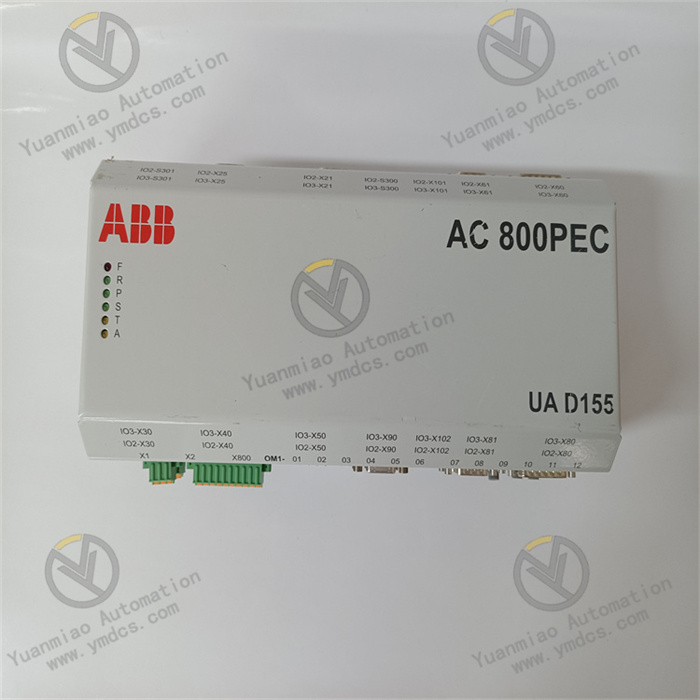
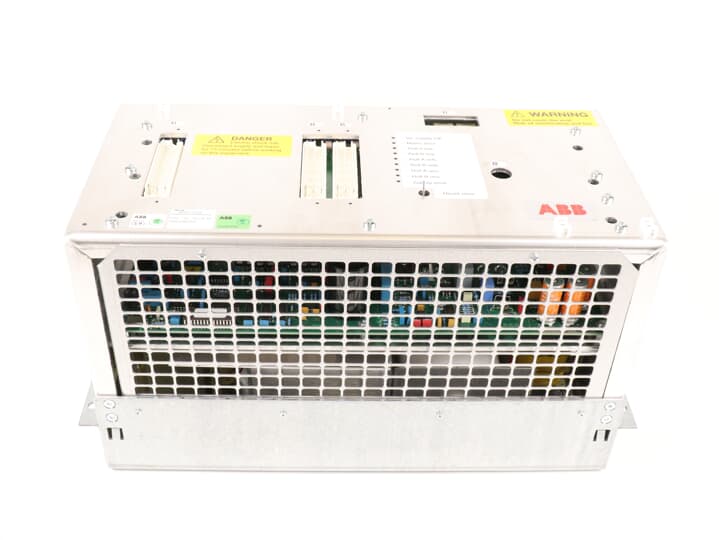
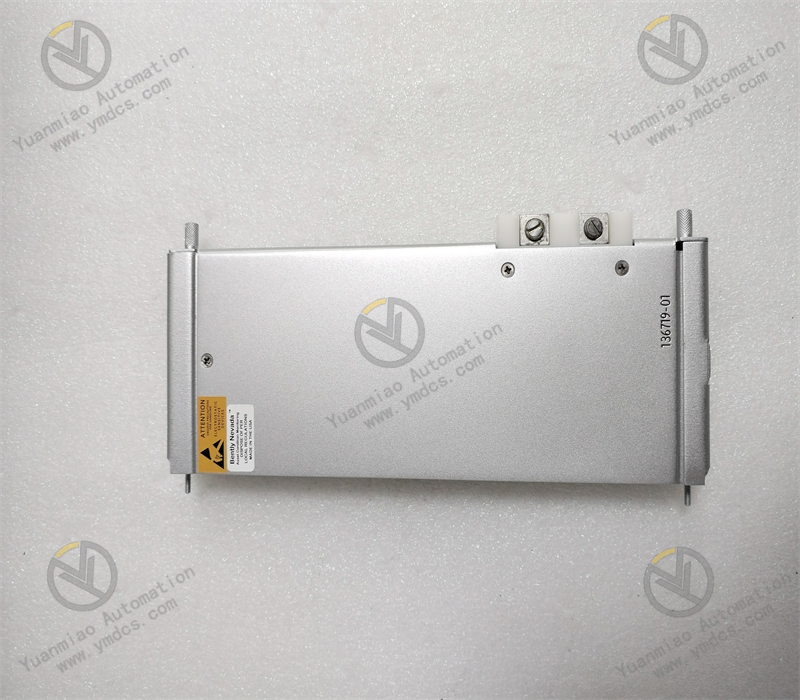
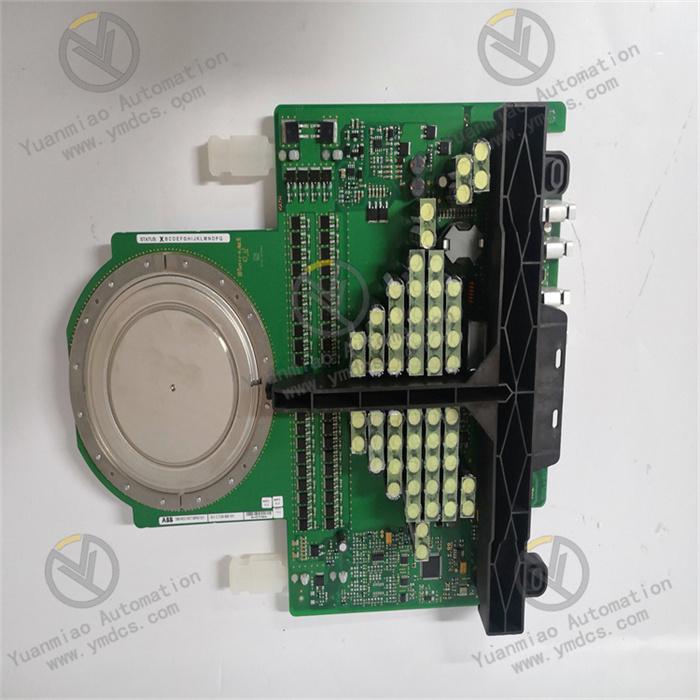
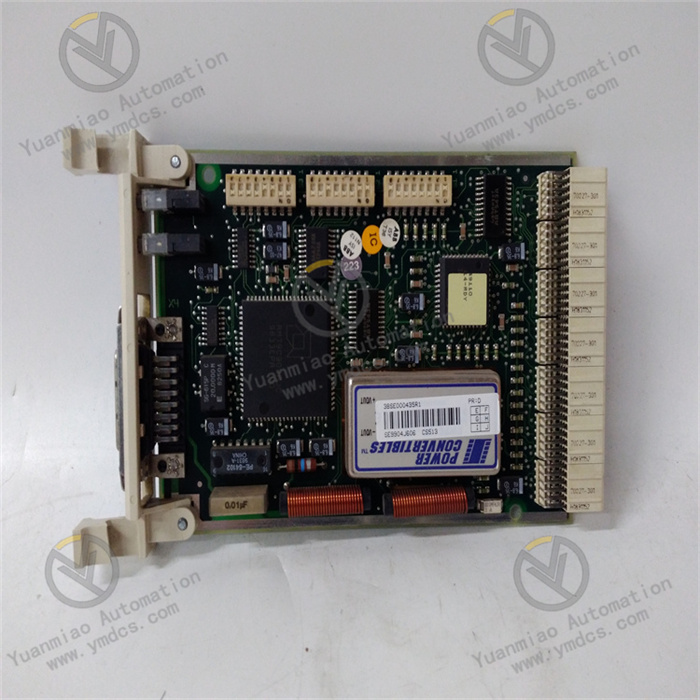
Triconex MP3101S2 is a triple‑modular‑redundancy (TMR) main processor module developed by Triconex (now part of Schneider Electric Triconex safety‑system product line). It serves as the core CPU hardware for Triconex Trident / Tricon series safety‑PLC platforms.
Designed for safety‑instrumented system (SIS), emergency shutdown system (ESD), burner management system (BMS), fire & gas (F&G) and critical interlock‑protection applications across petrochemical, nuclear‑power, cross‑country oil‑gas pipeline, LNG, offshore‑platform, metallurgical and power‑generation industries, the module executes safety‑control logic computation, I/O data scheduling, redundant communication, system self‑diagnostics and 2‑out‑of‑3 voting functions. It acts as the “brain” hardware of Triconex TMR safety‑control systems.
It has passed comprehensive validation including full‑load burn‑in, thermal cycling, vibration‑shock testing, dielectric‑withstand evaluation, electromagnetic‑interference assessment, TMR‑redundancy‑switching and fault‑injection testing. Supporting 7×24‑hour continuous full‑load operation, it withstands harsh cabinet‑level conditions such as elevated enclosed‑space temperature, dust‑humidity cycles, strong electromagnetic interference and mains‑voltage fluctuations. Given the large global installed base of Triconex safety systems across high‑risk industrial plants, MP3101S2, as the primary CPU of TMR systems, is critical for spare‑part logistics, fault‑replacement activities and ongoing system maintenance. It also constitutes key hardware for SIS/ESD retrofits and strategic spare‑part inventory.
2. Functional Features
2.1 TMR Triple‑Modular‑Redundancy Architecture with SIL 4 Safety Integrity
MP3101S2 forms the core processing element of Triconex TMR systems. Three independent main‑processor units execute identical safety‑application logic in parallel; each processor incorporates dedicated CPU hardware, memory, I/O‑bus interfaces and diagnostic circuitry. The three processors exchange I/O data and computation results in real‑time over Triconex‑proprietary synchronisation‑and‑voting buses and implement 2‑out‑of‑3 (2oo3) voting. Single‑point failures of modules, I/O channels or power‑supply paths cannot trigger spurious trips or failure‑to‑trip events. The overall TMR architecture attains IEC 61508 SIL 4 safety integrity level and delivers maximum‑grade safety assurance for high‑hazard sectors including petrochemicals, nuclear‑power and offshore‑platform operations.
2.2 High‑Performance Safety‑Logic Execution with Millisecond‑Range Scan Cycles
MP3101S2 is equipped with high‑performance industrial‑grade RISC processing hardware and large‑capacity SRAM / Flash memory, running Triconex dedicated real‑time operating system (RTOS) to host complete safety‑application software including safety interlocks, ESD emergency‑shutdown sequences, BMS burner‑management logic and F&G fire‑and‑gas processing. Safety‑logic scan cycles reach millisecond‑scale to satisfy response‑time requirements for unit‑trip and fast‑interlock protection. Online download, online backup and on‑line version management for application programs are supported; logic updates and configuration deployment can be performed without plant shutdown.
2.3 2‑out‑of‑3 Voting and Synchronisation with Disturbance‑Free Online Switchover
Three MP3101S2 main‑processor modules synchronise runtime data, I/O status, intermediate variables and program‑counter states continuously over high‑speed dedicated TMR synchronisation links. If one processor develops a fault, the remaining two units continue normal operation under 2oo3 voting without system‑mode switching, plant shutdown or output disturbance. Maintenance personnel may hot‑swap the faulty main‑processor module online. After insertion, the replacement unit automatically synchronises runtime states from the healthy peers and seamlessly rejoins the TMR voting domain. System operation remains uninterrupted and safety interlocks stay active, delivering core assurance for continuous operation of large‑scale petrochemical facilities.
2.4 System‑Wide On‑Board Self‑Diagnostics for Precise Fault Localisation
Multi‑layer self‑diagnostics cover CPU cores, memory, clock circuits, I/O buses, TMR synchronisation‑voting links and power‑supply domains. Multiple front‑panel LEDs indicate power‑supply health, run‑status, fault conditions, synchronisation status and voting‑system health. Using Triconex engineering software (TCM / TriStation 1131), maintenance personnel can remotely retrieve diagnostic words, fault codes, module status registers and I/O‑channel‑health metrics to pinpoint faulty hardware without cabinet disassembly, shortening troubleshooting and repair turnaround times for safety‑system assets.
2.5 Standardised Communication Interfaces for Seamless Integration with Plant‑Monitoring Systems
Via the rack backplane, main‑processor modules interoperate with companion communication hardware such as EICM and Triconex 3000‑series communication boards. Supported industrial protocols include Modbus RTU/TCP, EtherNet/IP, Profibus DP and IEC 61850. Direct integration with plant DCS/SCADA and MES platforms as well as emergency‑shutdown operator workstations enables real‑time upload of safety‑status information, process variables and alarm events, together with remote‑operation command reception. Using TriStation 1131 engineering software, engineers may connect to main‑processor hardware via Ethernet to perform program upload / download, logic monitoring, fault‑recording and configuration backup‑archiving.
2.6 Industrial‑Grade Robustness with Strong EMI Immunity and Wide‑Temperature Stable Operation
Built upon Triconex ruggedised electrical architecture and multi‑layer electromagnetic‑shielding design, the module delivers excellent EMC performance. It effectively mitigates harmonic interference from variable‑frequency drives, inductive‑coupling noise from power cables, solenoid‑coil switching transients and lightning‑induced surges encountered within petrochemical‑plant environments. The component supports cabinet‑grade wide‑temperature operation, exhibiting high‑ / low‑temperature tolerance, humidity resistance and ageing resistance. Under harsh cabinet conditions including high enclosed‑space temperature, dust‑humidity cycles and sustained vibration, no parameter degradation, program corruption or TMR‑voting anomalies occur, ensuring year‑round reliable safety‑system operation.
2.7 Modular Zero‑Adjustment Design for Efficient Maintenance‑Driven Replacement
Adopting standard plug‑in mechanics for Triconex Trident racks, the module features accurate rack alignment, simple handling and secure latching, matching Triconex standard cabinet‑rack layouts. Standardised backplane connectors and TMR synchronisation‑link hardware permit hot‑swap replacement of faulty main‑processor modules online. No shutdown or re‑configuration is required; the replacement unit automatically synchronises and rejoins TMR voting. Form‑factor, connector pin‑out and front‑panel layout are compatible with other Triconex‑series main‑processor variants, delivering high spare‑part commonality and improving efficiency for commissioning, retrofit and emergency‑repair workflows.
3. Technical Specifications
3.1 Core Compatibility Parameters
| Item | Specification |
|---|---|
| Full Part Number | MP3101S2 |
| Brand | Triconex (Schneider Electric) |
| Product Family | Triconex Trident / TMR Safety‑PLC Main‑Processor Module |
| Module Type | TMR Main Processor Module (CPU) |
| Safety Rating | IEC 61508 SIL 3 / SIL 4 TMR certified; TÜV‑Rheinland safety certification |
| Redundancy Scheme | TMR Triple Modular Redundancy; 2‑out‑of‑3 (2oo3) voting |
| Associated Hardware | Triconex rack backplane, power‑supply modules, EICM communication modules, digital / analogue I/O modules |
| Core Functions | Safety‑logic computation, TMR 2oo3 voting, I/O‑data scheduling, redundant synchronisation, self‑diagnostics, communication interfacing |
| Typical Applications | Petrochemical‑plant SIS/ESD interlocks, nuclear‑protection systems, offshore‑platform installations, LNG facilities, BMS burner‑management, fire‑and‑gas systems |
3.2 Electrical Performance Parameters
| Item | Specification |
|---|---|
| Processor | High‑performance industrial‑grade RISC processor running Triconex RTOS |
| Memory | Large‑capacity SRAM / Flash for safety‑application programs, parameters, event logs and diagnostic data |
| Safety Architecture | Three MP3101S2 units operating in parallel; 2oo3 TMR voting; disturbance‑free online replacement upon single‑unit failure |
| Scan Cycle | Millisecond‑range safety‑logic scan cycle to satisfy ESD‑protection response‑time requirements |
| Synchronisation & Voting | Triconex‑proprietary high‑speed TMR synchronisation‑voting bus for real‑time tri‑processor synchronisation |
| Communication Interfaces | Backplane‑connected EICM communication modules supporting Modbus/TCP, EtherNet/IP, Profibus DP, IEC 61850 |
| Engineering Software | Triconex TriStation 1131; supports program download, online monitoring, fault‑recording |
| Power Supply | Powered by Triconex rack redundant backplane power; wide‑input‑voltage range |
| Electrical Robustness | 7×24‑hour continuous operation; immunity against program loss, TMR‑voting faults and communication stalling |
3.3 Environmental and Mechanical Parameters
| Item | Specification |
|---|---|
| Operating Temperature | Industrial wide‑range cabinet‑grade temperature tolerance |
| Storage Temperature | Qualified for extreme‑condition storage and transportation |
| Operating Humidity | 5 %‑95 %RH (non‑condensing); resistant to dust‑laden high‑humidity cabinet environments |
| Environmental Resistance | Dust‑proof, moisture‑resistant, oil‑tolerant, thermal‑ageing‑resistant, vibration‑resistant, high‑EMI‑immunity |
| Mounting | Plug‑in installation onto Triconex Trident standard racks; hot‑swap capable |
| Mechanical Construction | Industrial flame‑retardant reinforced PCB, metal front panel; anti‑vibration, anti‑loosening, ageing‑resistant, flame‑retardant and moisture‑resistant |
4. Hardware Configuration and Structural Advantages
4.1 Core Hardware Configuration
MP3101S2 main‑processor modules implement proven Triconex Trident TMR safety‑CPU hardware architecture. Key components include high‑performance RISC processing hardware, large‑capacity program‑and‑data memory arrays, TMR synchronisation‑voting interface circuitry, backplane‑bus interfaces, power‑management unit, status‑LED array and engineering‑debug communication port. Internally, three‑channel independent power‑domain isolation is implemented; CPU core, memory subsystems, I/O‑bus interfaces and TMR synchronisation links are each powered by segregated supply rails so that single‑point power‑supply faults cannot propagate. Memory incorporates ECC error‑check‑and‑correction mechanisms to mitigate safety‑logic anomalies caused by single‑event upsets or memory‑bit corruption.
The rear‑side gold‑plated backplane connector provides reliable mating with rack‑backplane hardware. The front‑panel hosts multi‑group LED indicators (power, run, fault, synchronisation, voting status) plus debug‑communication port for on‑site status inspection and local commissioning. Reinforced flame‑retardant PCB construction is adopted; all components have passed industrial‑temperature‑grade screening and full‑load burn‑in testing, optimised for long‑term continuous‑operation within petrochemical‑plant cabinets subject to heavy EMI and thermal cycling. Original‑manufacturer and high‑quality alternative spare‑part stocks for MP3101S2 represent critical resources for legacy‑plant maintenance of globally deployed Triconex TMR installations.
4.2 Structural and Engineering‑Related Advantages
The module employs Triconex Trident standard modular rack‑mount form‑factor. Three MP3101S2 main‑processor units occupy adjacent dedicated CPU slots within the rack. TMR synchronisation‑voting signals travel over dedicated internal backplane traces; no additional fibre or copper cabling is required, yielding compact mechanical layout and high intrinsic reliability. Safety‑logic configuration, I/O mapping, protection‑interlock programming, online monitoring and fault‑recording analysis are centrally performed via TriStation 1131 engineering software. All safety‑application programs, parameters and firmware revisions can be backed‑up and archived online. Upon replacement of a faulty main‑processor unit, the new module automatically synchronises runtime states from its healthy peers without on‑site re‑configuration.
Standardised mechanical and software architectures reduce operator‑training overhead and spare‑part diversity. For ageing Triconex TMR installations, spare‑part availability and successful fault‑replacement of MP3101S2 main‑processor hardware directly determine whether SIS/ESD systems can remain safely operational until the next major turnaround or retrofit project. It constitutes a key strategic spare for long‑term asset‑management within high‑hazard industries including petrochemicals, nuclear‑power and offshore‑platform operations.
5. Operating Principle
As the core element of Triconex TMR systems, MP3101S2 implements a closed‑loop safety‑control workflow: three‑processor parallel I/O acquisition → independent safety‑logic computation → TMR 2‑out‑of‑3 voting → output‑command issuance → redundant synchronisation & online hot‑swap capability → self‑diagnostics and fault tolerance. This workflow delivers the full scope of SIS/ESD/BMS/F&G safety‑interlock, emergency‑shutdown and protective‑function capabilities.
During normal operation, three MP3101S2 units periodically read field‑side signals from all rack‑resident digital / analogue input modules in parallel via the Triconex backplane bus. Each processor independently executes the identical safety‑application program, performing interlock‑condition evaluation, ESD‑trip‑condition checking, protection‑limit comparison and sequence‑of‑operation processing. Computation results from the three processors are exchanged in real‑time over the dedicated high‑speed TMR synchronisation‑voting bus for 2‑out‑of‑3 voting: a result is accepted as system‑valid whenever two out of three processors agree. If one processor yields abnormal results or suffers a fault, the remaining two units sustain correct voting and system safety‑operation remains intact.
Voted output commands are transmitted over the backplane bus to corresponding digital‑output modules, driving field safety‑actuators such as emergency‑shutdown valves, ESD solenoids and trip relays. Simultaneously, via backplane‑connected EICM communication modules, the main‑processor assembly uploads system status, process variables and alarm events to operator workstations and DCS/SCADA platforms, while receiving remote‑operation commands and set‑point adjustments.
The three MP3101S2 units maintain fully synchronised runtime states including program‑counter values, I/O‑data snapshots, intermediate variables and communication status. Upon failure of one main‑processor unit, the remaining two continue 2oo3‑based operation without mode‑switching or output disturbance. Maintenance personnel may hot‑swap the faulty unit online. After power‑up, the replacement processor automatically acquires complete runtime‑state data from its healthy peers and seamlessly rejoins TMR voting. Continuous self‑diagnostics monitor CPU, memory, I/O bus, synchronisation‑link and power‑supply health; anomalies trigger front‑panel LED indication and operator‑station alarms.
6. Troubleshooting
6.1 Main‑Processor Module Fault Alarm or TMR‑Voting Abnormality
| Probable Cause | Diagnostic Approach | Remedial Action |
|---|---|---|
| MP3101S2 CPU hardware fault, memory‑check‑sum error or self‑diagnostic failure | Inspect front‑panel LED status; retrieve diagnostic words and fault codes via TriStation 1131 | Perform compliant online hot‑swap replacement of MP3101S2; new unit automatically synchronises and joins TMR voting |
| Poor backplane‑connector contact, pin oxidation or pin‑retention failure | Extract module and inspect gold‑plated fingers and backplane receptacle pins | Clean connector fingers and receptacle pins; firmly re‑seat and latch module; repair backplane hardware for pin‑retention faults |
| Abnormal rack‑power‑supply output or faulty power‑supply module | Measure backplane supply voltage; inspect power‑supply‑module LED indicators | Troubleshoot rack power‑supply circuits; replace defective power‑supply‑module; system recovers automatically |
| TMR synchronisation‑voting‑link anomaly (backplane‑trace fault) | Observe synchronisation‑status LEDs across all three processors; compare diagnostic datasets | Inspect backplane connectors; replace backplane if required; perform slot‑by‑slot troubleshooting per manufacturer documentation |
6.2 Single‑Unit Main‑Processor Fault while System Remains Operational (TMR Degraded Mode)
| Probable Cause | Diagnostic Approach | Remedial Action |
|---|---|---|
| Hardware ageing or partial‑component failure within one MP3101S2 unit | Compare processor‑health status for all three units inside TriStation 1131; read diagnostic words from faulty unit | Perform online hot‑swap replacement of faulty module; system continues undisturbed 2oo3 operation |
| Mismatched firmware revisions or application‑program CRC values across processors | Compare firmware revisions and application‑program CRC checksums for all three processors | Unify firmware and application‑program versions via TriStation; perform sequential per‑unit upgrade following manufacturer‑recommended procedures |
| Unstable power‑domain supply for faulty module | Measure supply‑voltage waveforms at the affected slot | Inspect rack power‑supply‑module and slot‑specific power‑supply wiring |
6.3 Loss of Communication with Operator‑Station / DCS or Stale Data Values
| Probable Cause | Diagnostic Approach | Remedial Action |
|---|---|---|
| Faulty EICM communication module; loose copper / fibre cabling | Inspect communication‑module LED status and physical‑link connections | Re‑torque cable connections; perform compliant hot‑swap replacement of communication‑module |
| Incorrect or conflicting IP‑address / communication‑parameter configuration | Verify EICM communication‑configuration settings against DCS point‑lists and protocol specifications | Re‑configure network‑related parameters via TriStation 1131; resolve IP‑address conflicts |
| Backplane‑bus anomaly affecting main‑processor communication | Review backplane‑bus error counters and communication‑status words | Inspect cabinet earthing and shielding; clean backplane connectors; replace backplane if necessary |
6.4 Unintended Safety‑Interlock Trip or Failure‑to‑Trip on Demand
| Probable Cause | Diagnostic Approach | Remedial Action |
|---|---|---|
| Erroneous safety‑logic‑configuration or incorrect logic‑download | Monitor safety‑logic blocks and input‑variable states online; cross‑reference against design‑logic documentation | Restore validated prior‑revision‑logic; redeploy configuration following formal MOC (Management‑of‑Change) procedures |
| I/O‑module fault leading to incorrect field‑signal interpretation | Compare field‑physical‑state against acquisition values reported by main‑processor hardware | Perform compliant hot‑swap replacement of faulty I/O‑module; no modification required for main‑processor hardware |
| Faulty output‑module drive‑circuitry or sticking field‑solenoid‑actuator | Check output‑channel status indicators; inspect solenoid‑ / actuator‑hardware locally | Repair output‑module hardware; replace defective solenoid‑valves or field‑actuators |