Description
1. Product Introduction
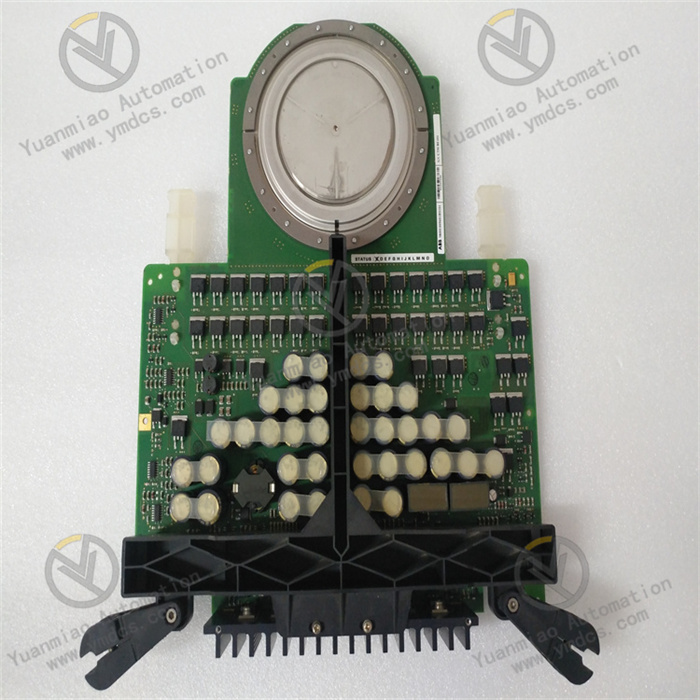
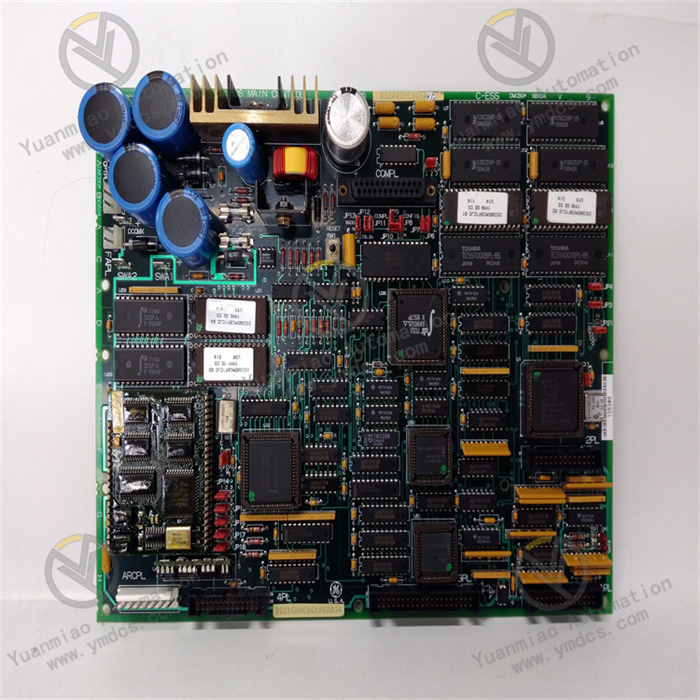
The GE IS215VPROH2B is a overspeed‑protection and emergency‑trip dedicated circuit‑board for the Mark VI turbine‑control system under the GE Speedtronic product family. It constitutes the core hardware of the ETS (Emergency Trip System). Manufactured in strict compliance with GE original turbine‑safety‑control specifications and power‑industry EMC electromagnetic‑compatibility standards, it is widely deployed in safety‑protection systems for gas‑turbine and steam‑turbine generator‑sets.
As safety‑grade dedicated turbine‑control hardware built upon a triple‑redundancy fault‑tolerant architecture, this board operates independently from the main regulation‑control system. It is specially tasked with unit speed monitoring, overspeed judgement and emergency‑trip protection, acting as a critical safety barrier to prevent turbine overspeed‑runaway, mechanical damage and severe safety accidents.
Integrating high‑precision speed acquisition, threshold‑logic judgement, hardware trip output, fault self‑diagnosis and loop‑redundancy monitoring, the board is equipped with industrial‑grade precision sampling chips and hardware‑based protection logic. Protection actions do not rely on software computation, delivering hardware‑direct trip, ultra‑fast response, high fault tolerance and stable operation.
Constructed with reinforced industrial‑grade PCB, full‑board conformal coating for moisture‑proof, dust‑proof and anti‑corrosion performance, as well as vibration‑resistant and anti‑interference components, it adapts to harsh operating‑conditions in turbine halls, such as high temperature, oil‑gas dust, continuous vibration and intense electromagnetic interference. It supports 7×24‑hour non‑stop safety monitoring of generating‑units, and serves as an original core safety component for new‑project configuration, legacy‑unit hardware maintenance, faulty‑board replacement and safety‑level upgrade retrofits of turbine‑safety systems in power plants.
2. Functions and Working Principle
Core FunctionsThe IS215VPROH2B board integrates six core functions: real‑time high‑precision turbine‑speed monitoring, triple‑redundancy overspeed‑logic judgement, hardware‑level emergency‑trip output, safety‑loop fault self‑inspection, process‑signal filtering & conditioning and independent safety interlock protection. It fully satisfies overspeed‑safety‑protection requirements for GE Mark VI turbine units.
It continuously and accurately acquires turbine‑speed signals around the clock, and compares measured speed against the overspeed‑protection threshold in real‑time. When overspeed abnormality occurs, an ETS emergency‑trip command is triggered directly via hardware loops without calculation from the main‑control system. Fuel supply is cut off and inlet valves are closed rapidly to force unit shutdown and eliminate overspeed‑related safety hazards.
Multi‑channel signal acquisition and redundancy‑verification functions automatically identify abnormal speed signals and interference noise, preventing false‑trips or failure‑to‑trip caused by signal distortion. Full‑time board‑level self‑diagnosis, loop‑fault monitoring and abnormality‑alarm capabilities detect faults in acquisition loops, output loops and hardware circuits, and upload fault information promptly. This keeps the turbine‑safety‑protection system in a ready‑to‑operate state at all times and improves overall safety and fault‑tolerance of generator‑sets.
Working PrincipleThe IS215VPROH2B operates on the principle of triple‑redundant hardware speed monitoring + independent hardware overspeed judgement + hard‑wired emergency‑trip protection. It is a pure‑hardware safety‑protection link completely separated from the main regulation‑control system.
During unit operation, three independent acquisition channels on the board synchronously collect turbine speed‑pulse signals. After noise filtering, waveform shaping and signal calibration, data are transmitted to the on‑board hardware‑judgement logic unit. The three groups of signals are mutually verified and cross‑checked to eliminate errors induced by single‑point‑signal interference or component faults and guarantee accurate speed readings.
The hardware‑logic unit compares real‑time measured speed against preset overspeed‑protection setpoints. Once speed exceeds the safety threshold, the board bypasses software logic and outputs trip signals through direct‑drive hardware circuits to activate ETS emergency‑shutdown interlocks. Power input to the turbine is cut off immediately for ultra‑fast safe shutdown.
Meanwhile, a closed‑loop self‑test mechanism continuously monitors acquisition loops, power‑supply loops, output loops and chip operating status. Upon detection of loop breakage, hardware faults or abnormal signals, fault alarms are activated and protection status is latched to avoid protection failure, failure‑to‑trip or false‑trip incidents, ensuring safe and controllable operation of the turbine throughout runtime.
3. Technical Features
Triple‑redundancy fault‑tolerant architecture with extremely high safety level: Adopts 2‑out‑of‑3 voting protection logic. Three independent speed‑acquisition and judgement loops work redundantly. Single‑point‑loop faults will not disable overall protection functions, effectively eliminating risks of protection failure‑to‑trip or false‑trip and fully complying with safety‑protection specifications for power‑generation turbine equipment.
Hardware‑direct trip design with ultra‑fast response speed: Pure‑hardware protection logic eliminates CPU computation and software delay. Trip commands are output at millisecond‑level upon overspeed fault detection. Response performance is far superior to logic‑based protection from the main‑control system, enabling rapid suppression of overspeed conditions and preventing severe equipment damage.
Independent safety link with outstanding protection reliability: Fully decoupled from DCS and main‑regulation systems, it forms an independent closed‑loop safety‑protection system. Protection functions remain unaffected by main‑control crashes, program anomalies or communication failures. Overspeed protection can still be executed even if the main‑control system fails, establishing a solid safety baseline for the turbine unit
High‑precision signal identification with excellent anti‑interference capability: High‑accuracy speed‑sampling circuits and intelligent signal‑verification algorithms filter out signal distortion and data‑jumping caused by strong electromagnetic interference, mechanical vibration and frequency‑converter noise inside turbine halls. Real overspeed faults are identified accurately to avoid unplanned shutdowns that disturb stable unit operation.
Full‑coverage self‑diagnosis‑enabled maintenance‑traceable design: Supports real‑time full‑loop self‑inspection, precise fault localization and proactive abnormality alarms. Hardware health status, loop continuity and signal conditions are monitored continuously with clearly‑identifiable fault locations, drastically reducing troubleshooting difficulty and maintenance downtime for safety‑protection systems.
- Industrial‑grade rugged construction suitable for harsh environments: Thickened industrial PCB, full‑board conformal coating for moisture‑proof, dust‑proof and anti‑corrosion purposes, and vibration‑resistant, anti‑aging components are deployed. Having passed high‑level EMC tests for the power‑generation sector, the board withstands long‑term exposure to high temperature, humidity, oil‑gas corrosion, continuous vibration and intense electromagnetic interference inside turbine halls, delivering trouble‑free long‑term operation.
4. Specifications
Basic Parameters
Product Model: IS215VPROH2B Brand & Manufacturer: GE (General Electric) Product Series: Speedtronic Mark VI Turbine‑Control Series Applicable System: GE Mark VI Gas‑Turbine / Steam‑Turbine ETS Emergency‑Trip Safety System Product Type: Triple‑Redundant Turbine Overspeed‑Protection & Emergency‑Trip Circuit‑Board Applicable Standards: GE Original Turbine‑Safety‑Hardware Specifications, Power‑Equipment Safety‑Protection Standards, IEC Industrial EMC Electromagnetic‑Compatibility Standards Primary Purpose: Real‑time turbine‑unit speed monitoring, hardware‑based overspeed‑fault protection, ETS emergency‑trip interlocking, safety‑loop fault monitoring and severe‑accident prevention for power‑generation turbine units
Core Performance Parameters
Operating Mechanism: 2‑out‑of‑3 redundant hardware monitoring & judgement, independent hardware direct trip, closed‑loop real‑time self‑test protection Acquisition Channels: 3 independent speed‑signal acquisition channels with mutual redundancy‑verification Output Channels: Multiple hardware trip‑output contacts supporting interlocking linkage Response Speed: Millisecond‑level hardware‑protection response with zero software delay Protection Logic: Firmware‑hardened overspeed‑threshold judgement logic for stable and reliable safety‑function execution Self‑Test Functions: Real‑time self‑inspection across all channels and loops, fault localization, alarm generation and status‑latching capability Operational Characteristics: Drift‑free logic and stable parameter performance over long‑term runtime, precise and dependable protection actions
Electrical Parameters
Operating Power Supply: Compliant with standard DC power supply of Mark VI systems, supporting 125 VDC industrial power specification Protection Mode: Triple‑redundancy fault‑tolerant protection with independent hardware‑interlock output Insulation Performance: High‑isolation circuit design eliminating risks of cross‑current, electric leakage and interference breakdown between loops Anti‑Interference Grade: High‑level power‑industry EMC immunity for complex high‑electromagnetic‑interference conditions in power plants
Mechanical & Physical Parameters
Mounting Method: Slot‑mounted installation in standard Mark VI system cabinets and racks Mechanical Characteristics: Integrated PCB‑only structure with no moving parts, reinforced anti‑vibration, dust‑proof, moisture‑proof and anti‑corrosion properties Maintenance Features: No routine calibration or frequent maintenance required; fast fault localization and board‑swap replacement supported
Environmental Parameters
Operating Temperature: −30 ℃ ~ +65 ℃ wide‑temperature operating range for power‑generation safety systems Storage Temperature: −40 ℃ ~ +85 ℃ Relative Humidity: 5 %‑95 % RH, non‑condensing Environmental Resistance: Immunity to heavy industrial electromagnetic interference and mechanical shock; oil‑gas‑corrosion‑resistant, dust‑proof, moisture‑resistant and wide‑temperature tolerant, suitable for 24‑hour continuous safety‑monitoring operation at power‑generation facilities
5. Application Scenarios
The GE IS215VPROH2B board is widely used within GE Mark VI gas‑turbine and steam‑turbine ETS emergency‑trip safety‑protection systems for thermal‑power plants, combined‑cycle gas‑power plants, cogeneration facilities, large‑scale heavy‑industry captive‑power stations and energy‑power sites. It is safety‑critical hardware that prevents overspeed faults and safeguards equipment and personnel for generator‑sets.
Typical applications include: overspeed‑safety monitoring and hardware‑trip protection for medium‑and‑large gas‑turbine units; ETS emergency‑shutdown interlock control for steam‑turbine generator‑sets; safety‑protection‑system configuration for combined‑heat‑and‑power units; original‑equipment replacement of faulty boards in legacy turbine‑safety‑protection systems; safety‑protection‑level upgrade retrofits for generating‑units; stability assurance of safety‑systems under high‑interference conditions inside turbine halls; complete‑set hardware supply for turbine‑safety‑control systems of new‑build thermal‑power / gas‑power plants; fault‑tolerant safety protection for unattended power‑station units; backup emergency‑protection function upon main‑control‑system failure; compliance‑oriented hardware configuration for power‑generation turbine‑control systems, and more.
As a dedicated triple‑redundant overspeed‑protection core board for the Mark VI system, it leverages its key strengths including ultra‑fast hardware‑direct trip response, high‑safety triple‑redundancy architecture, main‑control‑independent safety link, high‑precision anti‑interference fault judgement and long‑term maintenance‑free stable performance. It addresses well‑known industry drawbacks of conventional turbine‑protection systems such as software delay, single‑point‑failure vulnerability, signal misjudgement and low‑protection reliability. Hazards including turbine overspeed‑runaway, blade damage, equipment explosion and unplanned outages are effectively mitigated. The board comprehensively guarantees safe, stable and compliant operation of large‑scale power‑generation turbines, and acts as the preferred original core safety hardware for new‑system deployment, legacy‑system retrofits and maintenance‑service projects of turbine‑safety‑protection systems in the power‑generation sector.