Description
1. Product Introduction
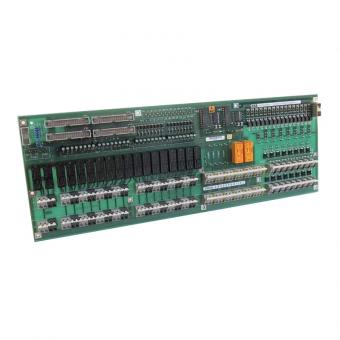
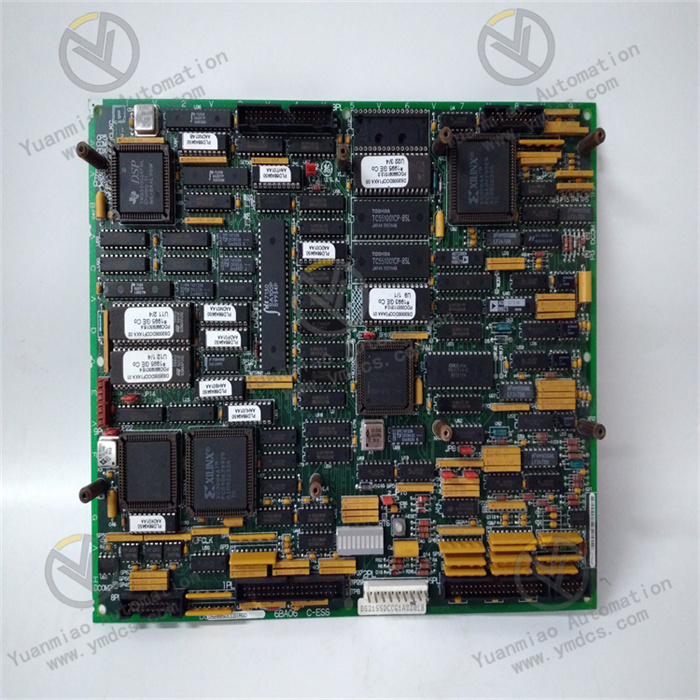
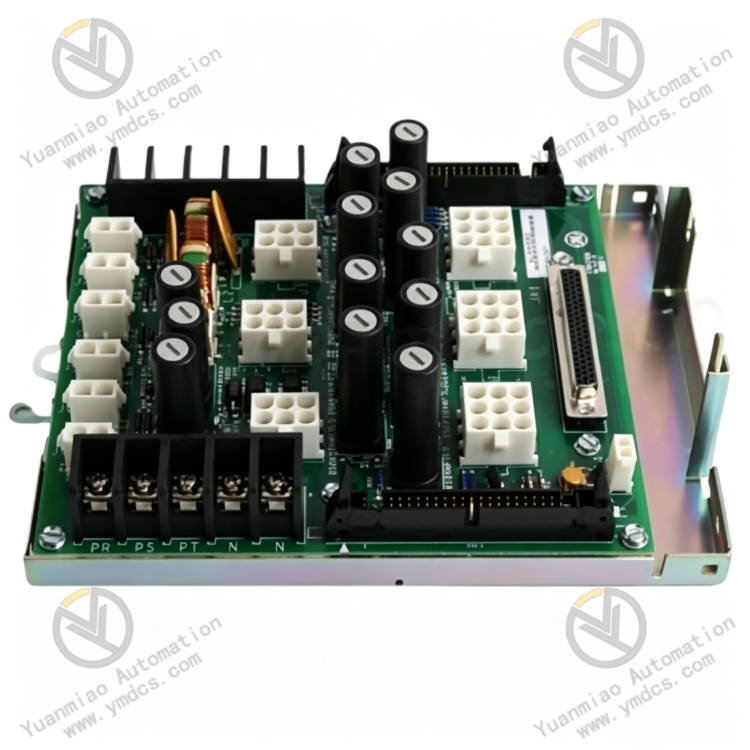
IS200JPDMG1ADC is a dedicated Jumper‑Distribution‑Module (JPDM) for GE General Electric Speedtronic Mark V / Mark VI turbine control system. It serves as a core power distribution and signal conditioning board for gas‑turbine and steam‑turbine generator units. As the core 28 VDC power output and power distribution unit of the system, this board undertakes overall control‑power distribution, hardware jumper configuration and analog‑signal scaling‑conditioning. It supports installation of the PPDA power‑diagnosis module, and constitutes critical hardware for stable power‑supply and accurate‑signal transmission within the turbine control system.
Adopting industrial‑grade rugged PCB technology, it features vibration resistance and excellent EMC performance, and is well‑suited for harsh cabinet‑side conditions in power plants. It enables 7×24‑hour uninterrupted unit operation. It is widely deployed as original‑equipment component as well as spare‑part replacement for turbine‑control systems in thermal‑power and combined‑cycle power plants.
2. Functions and Working Principle
Core Functions: The IS200JPDMG1ADC mainly performs four key functions: regulated‑28 VDC control‑power distribution, loop power‑distribution protection, hardware‑jumper configuration, and analog‑signal conditioning & scaling. It supplies stable 28 VDC power to various I/O boards, control loops and field auxiliary‑control devices of the turbine system. System‑loop configuration and function adaptation are realized via on‑board hardware jumpers. Meanwhile, it filters, scales and conditions process analog‑signals such as 4‑20 mA to guarantee signal‑acquisition accuracy. When equipped with the PPDA power‑diagnosis assembly, it implements real‑time power‑condition monitoring, self‑fault‑check and abnormality reporting, so as to comprehensively secure stability of system power‑supply and signal loops.
Working Principle: After receiving primary‑system power, the board converts and outputs stabilized 28 VDC control‑power through internal voltage‑regulation, filtering and power‑distribution circuits to supply power for secondary‑control loops and board‑level units of the whole unit. Based on multiple on‑board jumper interfaces, hardware configuration can be completed according to unit‑control requirements to adapt to diverse operating conditions and control‑logic. Field process analog‑signals fed into the board go through signal shaping, noise‑reduction and scaling conditioning, then are transmitted in standardized format to the main‑processor to eliminate signal interference and numerical deviation.
With PPDA diagnostic module installed, parameters including power‑supply voltage, load‑current and loop status are collected in real‑time. It continuously monitors faults such as short‑circuit, overload and abnormal voltage inside power‑distribution loops. Upon anomalies, it locks power‑supply status and uploads fault information, preventing unit‑control failure and spurious interlock caused by power‑supply fluctuation and signal abnormality.
3. Technical Features
Dedicated Core Power‑Distribution Design: Custom‑designed for GE MK V / MK VI turbine systems, it outputs standardized 28 VDC control‑power with stable supply and low ripple. It meets power‑supply requirements of precision control boards and actuator loops of the unit, acting as the core distribution unit of the system power‑supply architecture.
High‑precision Signal Conditioning: Supports acquisition, scaling and conditioning of industry‑standard analog‑signals. It effectively suppresses signal jitter and drift induced by on‑site electromagnetic interference, greatly improves acquisition accuracy of process parameters and ensures reliable judgment of unit‑control logic.
Flexible‑adaptable Hardware‑based Configuration: Equipped with multiple on‑board jumper‑configuration points. System‑function configuration and loop adaptation can be accomplished via hardware jumpers without program modification. It fits different turbine‑unit models and process‑control schemes and facilitates on‑site commissioning.
Expandable Power‑diagnosis Function: Natively supports expansion with PPDA power‑diagnosis module. It enables full‑scale monitoring of power‑supply load, voltage and loop status, accurately pinpoints power‑related fault points and substantially reduces maintenance‑troubleshooting efforts.
- Industrial‑grade Adaptability to Harsh Conditions: Manufactured with rugged conformal‑coated PCB. It delivers outstanding EMC anti‑interference, vibration‑resistance and temperature‑humidity fluctuation tolerance. It adapts to complex power‑plant environments, supports long‑term steady‑state non‑stop unit operation with low failure rate and long service life.
4. Specifications
Basic Parameters
Product Model: IS200JPDMG1ADC Brand‑Manufacturer: GE General Electric Product Type: Turbine‑System Jumper‑Distribution Module (JPDM) Compatible System: GE Speedtronic Mark V / Mark VI Turbine Control System Core Purpose: 28 VDC power distribution, hardware‑jumper configuration, analog‑signal conditioning
Electrical Parameters
Rated Output Voltage: 28 VDC Maximum Input Load Current: 35 A Supported Signal: 4‑20 mA standard analog‑signal Expandable Option: Compatible with PPDA power‑diagnosis module Interface Configuration: 13 sets of plug‑in‑connector interfaces
Environmental Parameters
Operating Temperature: ‑20 ℃ ~ +60 ℃ Storage Temperature: ‑40 ℃ ~ +85 ℃ Operating Humidity: 5 %‑95 %RH, non‑condensing Environmental Characteristics: Industrial‑grade EMC anti‑interference, mechanical‑vibration resistance, suitable for long‑term power‑plant‑cabinet operation
Mechanical & Installation Parameters
Product Weight: approx. 1.36 kg (3 lbs) Hardware Technology: Industrial‑grade conformal‑coated rugged‑PCB, corrosion‑resistant and anti‑aging Mounting Method: Back‑plane slot‑mounting inside standard cabinet Operating Mode: Supports 7×24‑hour uninterrupted continuous operation
5. Application Scenarios
The IS200JPDMG1ADC board is exclusively applied to GE Mark V / Mark VI gas‑turbine and steam‑turbine generator‑unit control systems. Its main application fields cover thermal‑power plants, gas‑steam combined‑cycle power plants, large‑scale industrial captive power stations, energy‑chemical process‑drive units and other sectors.
Typical application scenarios include: centralized 28 VDC control‑power distribution for the whole turbine‑control system, hardware‑jumper configuration‑adaptation of unit‑control loops, conditioning and transmission of on‑site analog‑signals such as pressure, temperature and flow rate, condition‑monitoring and fault‑protection of power‑supply system, as well as power‑supply guarantee for unit startup‑shutdown and steady‑state operation.
As a core power‑supply and signal‑conditioning component of the turbine‑control system, it effectively guarantees power‑supply stability and process‑signal accuracy of the unit, and avoids unit‑regulation inaccuracy and interlock faults triggered by power‑supply anomalies and signal drift. It serves as a key OEM spare‑part for stable operation, maintenance and replacement of power‑plant units.