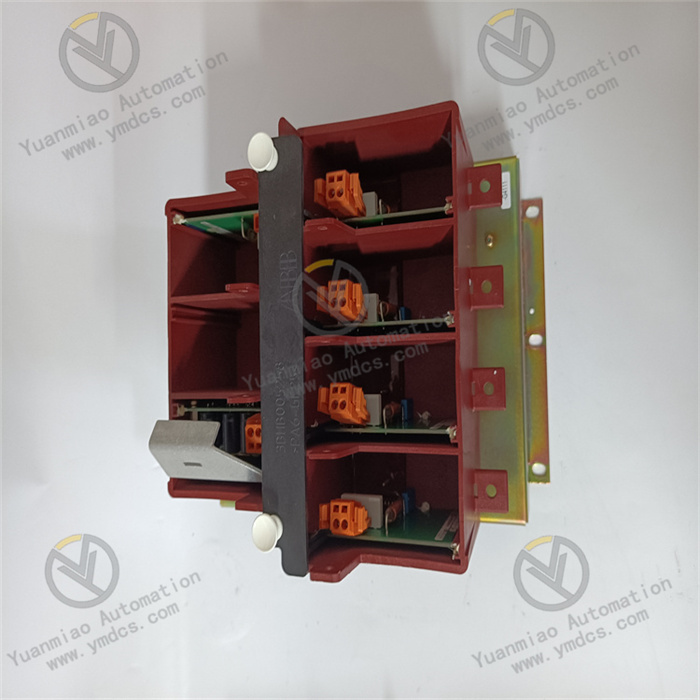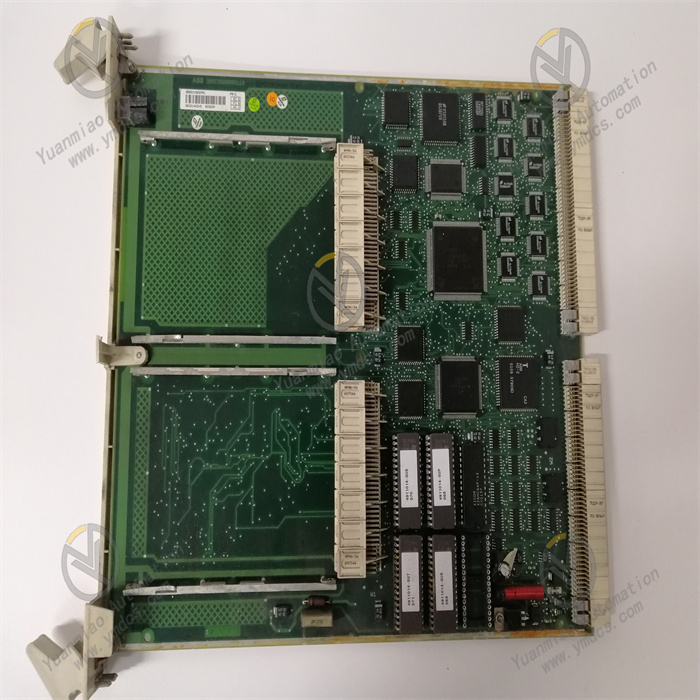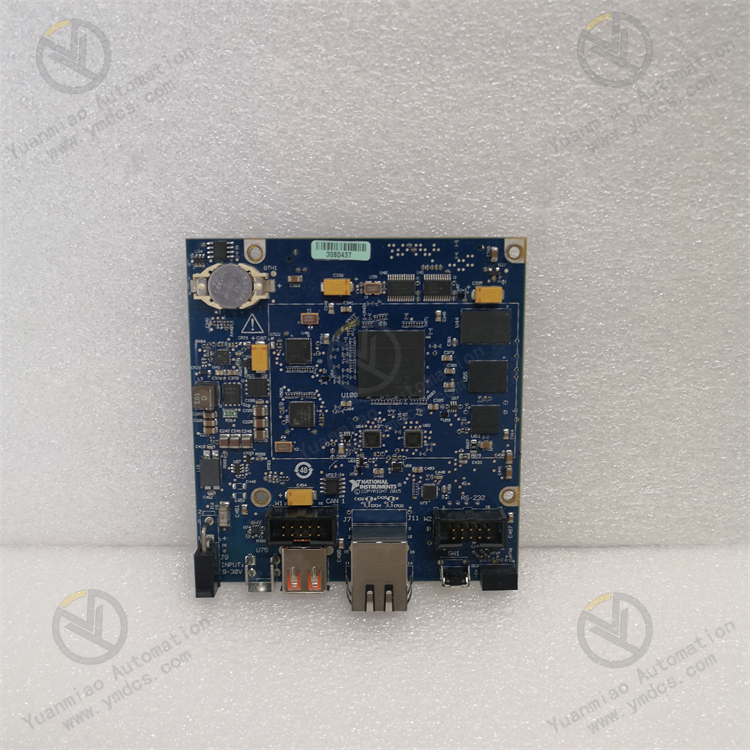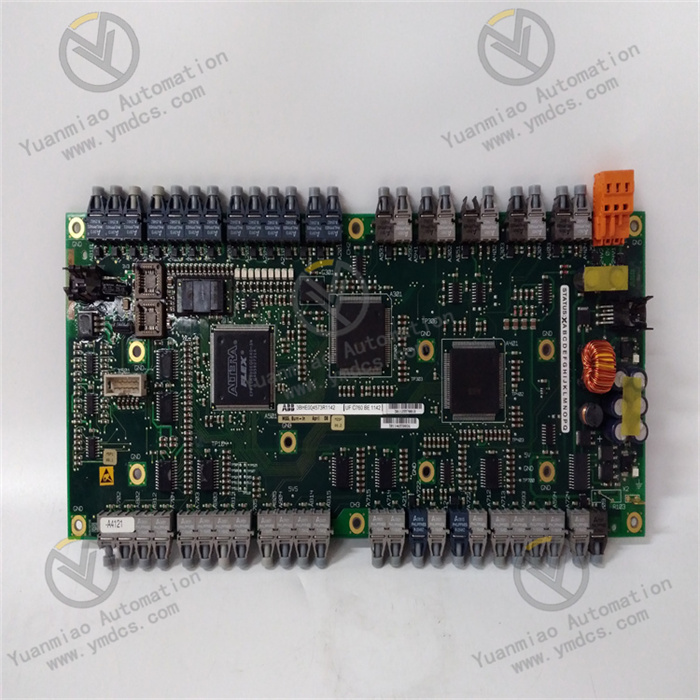
Description
1. Product Overview
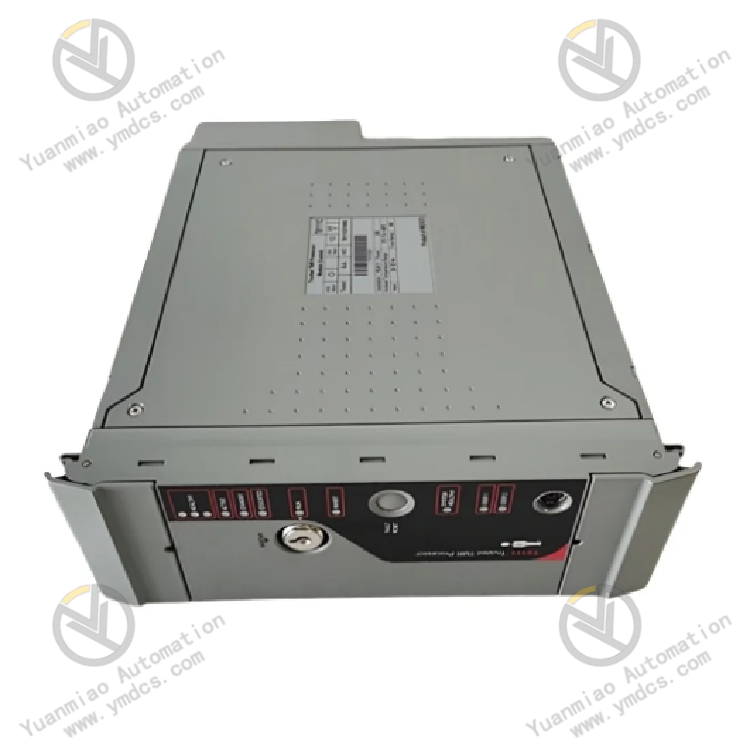
Model: T8471C
Brand: ICS Triplex
Product Name: Trusted TMR 120 VDC Triple Modular Redundant Digital Output Module, SIL3 Safety DO Module
Product Description: T8471C is a TMR triple modular redundant fault-tolerant digital output module developed by ICS Triplex Trusted series for SIS Safety Instrumented Systems and ESD Emergency Shutdown Systems, achieving SIL3 Safety Integrity Level. The module is equipped with three independent redundant channels and a 2-out-of-3 hardware voting mechanism. A single channel fault will not affect overall output, featuring fail-safe operation, hardware fault tolerance and full-channel self-diagnosis.
Adopting 120 VDC high-voltage safety output specification, the module is compatible with critical safety actuators such as field safety solenoid valves, emergency shutdown valves and interlock relays. It is widely deployed in high-risk process facilities including petroleum, refining, chemical, oil & gas and power industries. Serving as the core output hardware for critical industrial safety interlocks, emergency shutdown and process overpressure/overtemperature protection loops, it cannot be replaced by ordinary general-purpose DO modules.
2. Core Functions
TMR triple redundant fault-tolerant output with hardware 2-out-of-3 voting logic to prevent failure to act or false actuation under single-point faults and ensure reliable operation of safety loops
Standard 120 VDC digital drive output with strong load capacity, compatible with mainstream industrial high-voltage safety actuators.
40 independent output channels; each channel supports independent monitoring, overload protection and fault isolation.
Real-time full-loop self-diagnosis to accurately identify channel open circuit, short circuit, overload, undervoltage, loose wiring and other faults, and upload alarms.
Fail-safe design: the module automatically switches to safe state upon severe system or module faults to avoid process risks.
- Compliant with Trusted safety system bus protocol, seamlessly coordinating with the main control system to realize accurate interlock command transmission and closed-loop status monitoring.
3. Technical Features
SIL3 high-safety fault-tolerant architecture: Native TMR triple modular redundant design with hardware-based 2-out-of-3 voting. Single-channel faults do not cause system failure or false operation, fully complying with SIS safety standards for high-risk industries.
Stable high-voltage drive output: 120 VDC output tailored for high-voltage loads such as industrial safety solenoid valves and shutdown valves. Stable load performance and anti-jitter capability support long-term operation of critical safety loops.
Comprehensive self-diagnosis: Independent real-time monitoring for each channel enables precise fault localization down to single channels, supporting remote system alarms and status traceability and greatly reducing maintenance troubleshooting time.
Excellent anti-interference performance for industrial environments: Built-in electrical isolation, surge suppression and EMC protection resist high-frequency field interference, voltage surges and potential fluctuations to eliminate false faults and spurious interlocks.
Non-destructive in-situ replacement: Standard backplane slot mounting compatible with legacy modules of the same series. Hot-swap replacement requires no configuration modification, programming or interlock logic adjustment for high maintenance efficiency.
- Reliable operation under wide temperature range: Constructed with industrial wide-temperature components, dustproof, shockproof and moisture-proof design. Supports 24/7 continuous operation and adapts to harsh conditions in control rooms and field cabinets.
4. Specification Parameters
| Item | Parameter |
|---|---|
| Model | T8471C |
| Applicable System | ICS Triplex Trusted SIS/ESD Safety System |
| Safety Level | SIL3 |
| Architecture | TMR Triple Modular Redundancy, 2-out-of-3 Hardware Voting |
| System Power Supply | 24 VDC (Backplane Powered) |
| Output Voltage | 120 VDC |
| Channel Quantity | 40 Independent Output Channels |
| Operating Temperature | -40℃~+85℃ |
| Storage Temperature | -45℃~+90℃ |
| Ambient Humidity | 5%~95%RH (Non-Condensing) |
| Protection Functions | Overvoltage, Overcurrent, Short Circuit, Open Circuit, Overload Protection; Electrical Isolation, Surge Suppression |
| Diagnosis Functions | Independent single-channel self-diagnosis, fault localization, real-time status upload |
| Mounting Type | Fixed installation on system backplane slots, in-situ replacement |
| Maintenance Characteristics | No configuration modification or programming required, fault-tolerant operation, self-diagnosis, low failure rate |
5. Working Principle
After powered on via the backplane, the module automatically completes hardware initialization, bus matching and full-channel self-diagnosis. It enters fault-tolerant operation mode after verifying normal power supply, communication and loop status. Interlock and shutdown protection commands issued by the main control system are simultaneously transmitted to three independent redundant channels of the module, which parse commands and execute output calculations in parallel.
The module adopts native 2-out-of-3 hardware voting logic to compare and judge output status of the three channels. In case of single-channel fault or signal abnormality, the faulty channel is automatically masked, and output is executed based on results from two healthy channels to guarantee accurate and reliable command delivery. The validated 120 VDC drive signal is sent to field actuators to complete interlock shutdown and protection actions.
Load, voltage and loop status of each channel are monitored continuously during operation, with operational data and fault information uploaded in real time. A faulty single channel is automatically isolated without affecting overall module operation and safety loops, achieving fault tolerance, non-stop operation and prevention of false actuation, and ensuring stable closed-loop operation of the SIS safety system.
6. Common Faults & Solutions
Single-channel alarm, abnormal single-point loop error
Causes: Loose field wiring, damaged cables, short-circuited/overloaded loads, poor cable insulation, micro-short circuit caused by dust and humidity inside cabinet, aging of components on single channel.
Solutions: Fasten terminals, replace damaged cables, inspect and rectify faulty loads; clean dust and moisture inside cabinet. Replace with original module if frequent alarms or performance degradation occur on a single channel.
Field equipment fails to actuate after interlock command is issued
Causes: Poor backplane contact, abnormal power supply, interrupted bus communication, mismatched configuration, simultaneous multi-channel faults or damaged core module circuits, open circuit of field loads.
Solutions: Re-seat and lock the module; inspect backplane power supply and bus links; verify system configuration parameters; test field load loops. Replace the module in-situ if the module suffers total failure.
Transient false alarms, intermittent channel errors with automatic recovery
Causes: Severe field electromagnetic interference, inadequate shielding and grounding of cables, grid voltage fluctuation, transient surge impact, parameter drift of module after long-term operation.
Solutions: Optimize shielding and grounding of signal cables and keep them away from high-power interference sources; install surge protection devices. Replace the module if alarms persist after environment optimization, indicating hardware aging.
Module high-temperature alarm, excessive operating temperature
Causes: Poor cabinet ventilation, heat dissipation blocked by dust, long-term overload of output loads, micro-short circuit caused by internal circuit aging, ambient temperature exceeding rated range.
Solutions: Clear cabinet dust and optimize ventilation; calculate and rectify overloaded loops; inspect circuit abnormalities. Replace the module upon continuous high-temperature alarms to avoid safety loop failure risks.
System fails to recognize the new module after replacement, communication abnormality
Causes: Improper installation, poor slot contact, non-original incompatible module, mismatched system bus address/configuration, faulty backplane bus or power supply.
Solutions: Power off, re-install and lock the module in correct position; adopt genuine original T8471C module; verify and refresh system configuration and bus address; troubleshoot backplane faults and restart communication.