Description
METSO IOP341
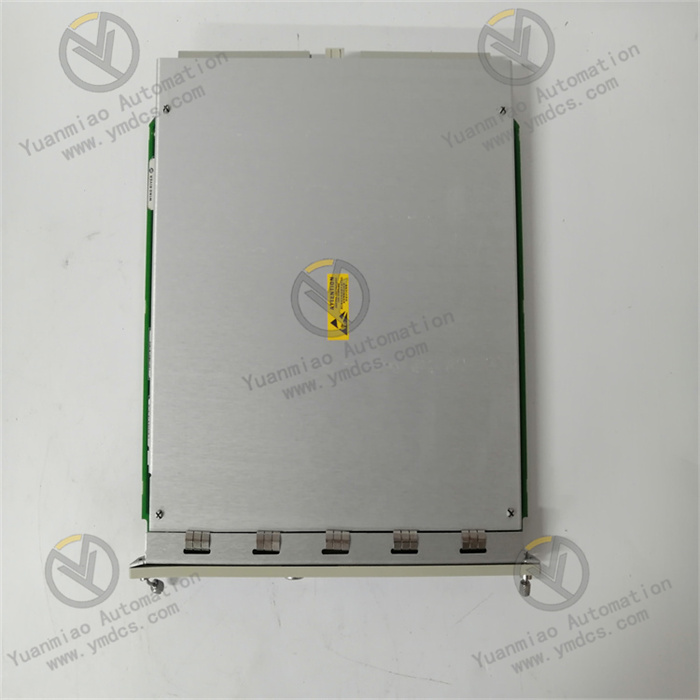
METSO IOP341 is an industrial control module that combines robust hardware construction with flexible software functionality. It integrates multiple industrial communication protocols and diverse I/O interfaces, featuring high-precision measurement and control, fast response, and strong environmental adaptability. Designed specifically for harsh industrial environments such as mining, aggregates, cement, and petrochemicals, it supports process control, pressure control, positioning control, and other functions. As a core component in industrial automation systems connecting operators, field equipment, and upper-level management systems, it provides reliable support for automated, intelligent monitoring and optimization of production processes.
1. Positioning and System Relationship
System Affiliation
Featuring an integrated, modular design, the module can operate independently to perform basic control tasks (e.g., standalone equipment control) or serve as a core control unit in industrial automation systems. It connects to field sensors, actuators, PLCs, and upper management systems via multiple communication interfaces to build a complete automated control chain. Suitable for single-equipment control, small-scale control systems, and large-scale distributed automation scenarios, it balances flexibility and scalability to meet control demands across different production scales.
Core Role
- Precision control: Supports process control, pressure control, positioning control, and other applications with a control range of 0–100%, accuracy up to ±0.5%, and response time under 1 second. It precisely regulates critical parameters such as pressure, flow, and temperature in production to ensure stability and product consistency.
- Data communication hub: Integrates multiple industrial communication protocols and interfaces to exchange data with sensors, actuators, PLCs, MES, ERP, and other systems. It collects production data in real time, issues control commands, and bridges operators and production equipment to enable visual monitoring and remote control of production processes.
- High-reliability operation support: Built with industrial-grade rugged design, it delivers excellent anti-interference and harsh-environment resistance, enabling long-term stable operation in demanding industrial settings, reducing unplanned downtime, improving productivity, and lowering maintenance costs.
- Flexible configuration: Supports multiple I/O configurations and software/hardware options. Its modular design allows expansion and upgrades based on actual application needs, adapting to control requirements across industries and scenarios, reducing system upgrade and retrofitting costs, and enhancing system reusability.
Real-time monitoring and feedback: Capable of real-time data processing and status feedback, it monitors its own operating status and connected equipment, reports anomalies promptly, facilitates system maintenance, and helps maintenance staff quickly locate faults and optimize production efficiency.
Mounting Specifications
- Mounting style: Compact design supports wall-mounted or cabinet-embedded installation. Small in size, it occupies minimal installation space, making deployment easy in space-constrained industrial sites with a simple installation and commissioning process.
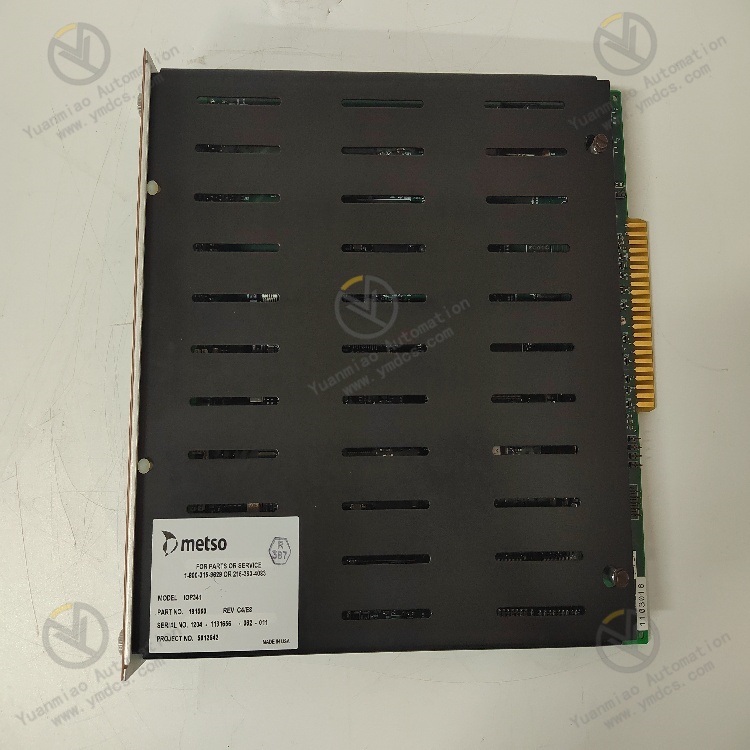
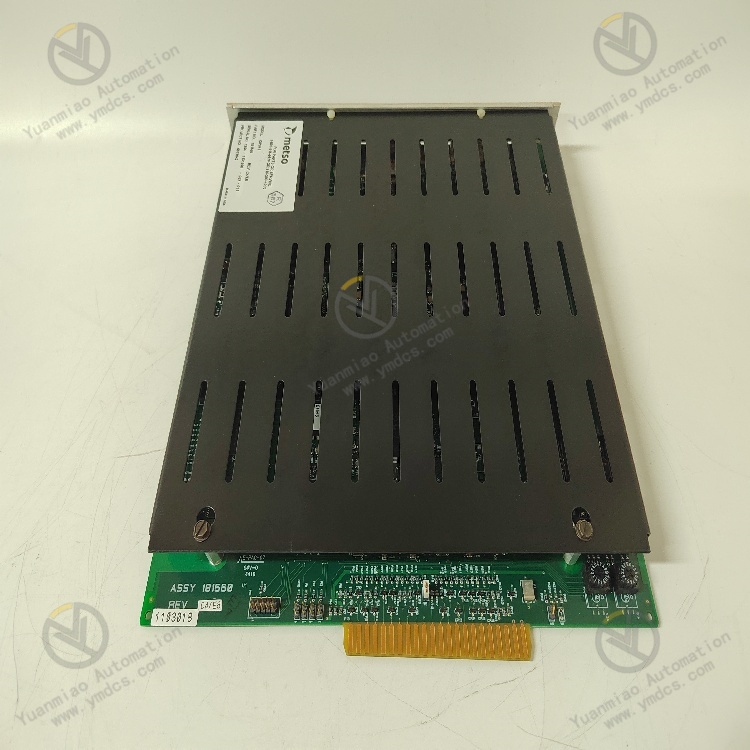
- Physical dimensions: Standard size 150mm × 100mm × 50mm, compact structure, weight approx. 0.8kg. Easy to transport, install, and maintain, it fits various industrial control cabinets and on-site installations without special mounting brackets.
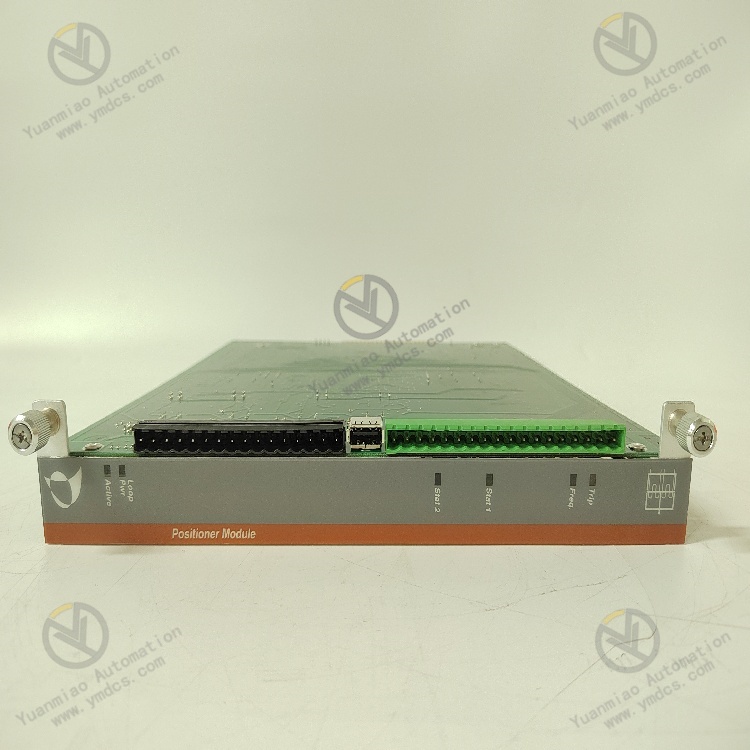
- Front-panel interfaces: Integrates multiple communication and I/O interfaces including 1× Ethernet (RJ45), 1× Profibus DP, 1× Modbus RTU, 4 analog inputs (AI), 2 analog outputs (AO), 4 digital inputs (DI), 2 digital outputs (DO). Also equipped with simple operation keys and 3 sets of LED status indicators (RUN/FAULT/COMM) for convenient wiring, commissioning, and status checking, with user-friendly operation to reduce maintenance complexity.
Operating environment: Ingress protection rating IP65, effectively dustproof, waterproof, and resistant to foreign object intrusion, suitable for harsh industrial environments. Operating temperature range: -10°C to 70°C; storage temperature: -40°C to 85°C; humidity: 5%~95% RH (non-condensing). It operates stably under extreme conditions including high/low temperatures, heavy dust, and high humidity without additional protective equipment for most industrial applications.
System Architecture
2. Functions and Technical Features
1. High-Precision Multi-Scenario Control Capability
- Multi-type control functions: Supports process control, pressure control, positioning control, and other applications. It monitors and regulates key parameters such as pressure, flow, and temperature in industrial production, and controls the position of actuators, motors, and other equipment to meet diverse industrial control needs widely used in production processes in mining, cement, petrochemicals, and other industries.
- High precision and fast response: Control accuracy ±0.5%, control range 0–100%, response time < 1 second (millisecond-level in some scenarios). It quickly responds to changes in production parameters and adjusts control strategies timely to ensure stable and precise production, ideal for applications demanding high accuracy and speed (e.g., cement kiln temperature control, petrochemical pipeline pressure control).
Complex algorithm processing: Equipped with a high-performance 32-bit processor, it supports fast execution of advanced control algorithms such as PID and fuzzy control to handle diverse and demanding control requirements. It also allows custom algorithm configuration to tailor control schemes for specific projects, improving flexibility and adaptability for industry-specific needs.
2. Rich Communication Interfaces and Flexible Data Exchange
- Multi-protocol support: Integrates mainstream industrial protocols including Ethernet (TCP/IP, Modbus TCP), Profibus DP, and Modbus RTU. It seamlessly connects to Metso’s native systems, third-party PLCs (Schneider, Siemens, etc.), and MES/ERP upper systems to achieve data interoperability, eliminate information silos, and enhance production management efficiency.
- Diverse I/O interfaces: Features 4× AI (0-10V/4-20mA), 2× AO (0-10V/4-20mA), 4× DI (PNP/NPN), 2× DO (relay/transistor), enabling direct connection to field sensors (pressure, temperature, flow, etc.) and actuators (solenoid valves, inverters, etc.) without additional adapters, simplifying wiring and reducing system construction costs.
Data acquisition and upload: Supports real-time collection of equipment operating parameters and production data, with periodic uploading to upper management systems. It also allows remote control command issuance to enable remote monitoring and control of production, helping managers grasp real-time status and optimize scheduling.
3. Industrial-Grade Reliability and Harsh Environment Adaptability
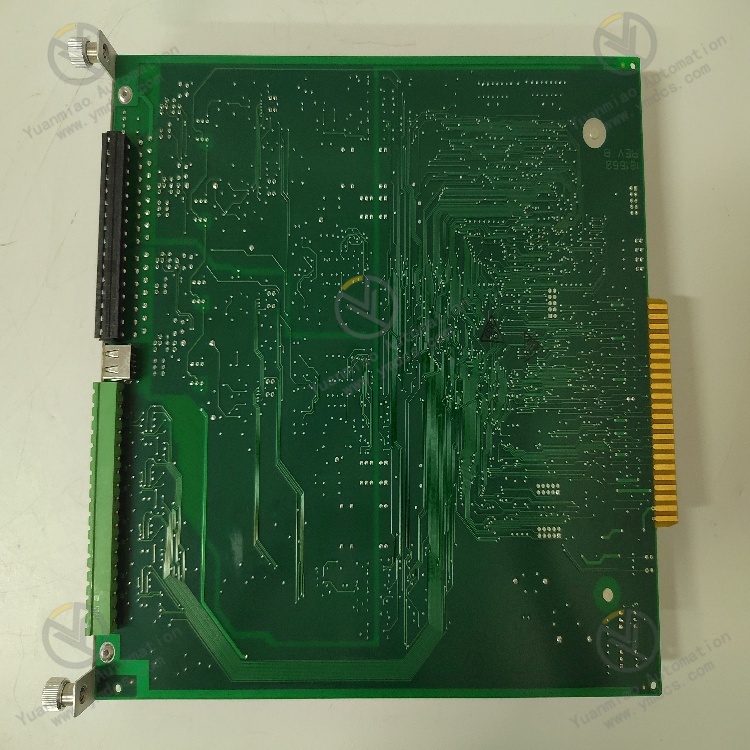
- Robust hardware design: Uses industrial-grade high-quality components with conformal coating on the circuit board for moisture, dust, and corrosion resistance. It effectively withstands dust, humidity, and chemical corrosion on-site, extending service life and reducing failure rates.
- Strong anti-interference performance: Excellent EMC performance compliant with IEC 61000 series standards, resisting electromagnetic interference and voltage fluctuations in industrial environments. It operates stably in high-interference sites such as mines and petrochemical plants without signal distortion or module malfunction.
Wide temperature and voltage range: Operating temperature -10°C to 70°C, wide-range power supply 24V DC ±20%. It adapts to power conditions in different regions and scenarios without extra voltage regulators, lowering deployment costs while maintaining stable operation in extreme climates such as cold northern and hot southern environments.
4. Convenient Programming and Maintenance Diagnostics
- Programming support: Compatible with Metso’s proprietary programming software and IEC 61131-3 standard environments, supporting LD (Ladder Diagram), FBD (Function Block Diagram), ST (Structured Text), and other languages. Programming is flexible and efficient, with online modification, debugging, and upload/download to improve engineering efficiency.
- Status monitoring and diagnostics: Front-panel LEDs clearly indicate RUN, FAULT, and COMM status. Detailed fault information (communication faults, I/O faults, etc.) is accessible via programming software or upper systems, enabling quick fault localization, reducing troubleshooting time, and cutting maintenance costs.
Easy maintenance: Modular design supports hot swapping in certain scenarios for fast replacement without shutdown, minimizing production interruption. It also supports parameter backup and restoration for quick commissioning after module replacement, enhancing maintenance efficiency.
5. Modular Expansion and System Compatibility
- Flexible expansion: Supports I/O module expansion to add analog and digital channels based on control needs, scaling from small-scale to large-scale distributed control without replacing the core module, reducing upgrade costs.
- Broad compatibility: Fully compatible with Metso automation systems and third-party PLCs, sensors, actuators, and upper management systems. It integrates quickly into existing networks without major equipment or system modifications, improving reusability and flexibility while lowering construction costs.
- Redundancy support: Can form redundant systems with other IOP341 or Metso IOP modules for control function backup. Upon failure of the primary module, the standby unit takes over seamlessly to ensure uninterrupted production, making it suitable for high-continuity applications.
3. Technical Specifications
Product Identification
- Model: METSO IOP341
- Brand: METSO (Metso)
- Manufacturer: Metso Group
- Series: Intelligent Operator Platform (IOP)
- Type: Industrial control module
- Mounting: Wall-mounted, cabinet-embedded
- Protection rating: IP65
- Dimensions: 150mm × 100mm × 50mm
- Weight: Approx. 0.8kg
Core Parameters
- Core functions: Process control, pressure control, positioning control, data acquisition and exchange, status monitoring and diagnostics
- Processor: 32-bit industrial-grade, 100MHz clock speed
- Control accuracy: ±0.5%
- Response time: < 1 second (millisecond-level in selected applications)
- Control range: 0–100%
- Communication interfaces: 1× Ethernet (RJ45, TCP/IP, Modbus TCP), 1× Profibus DP, 1× Modbus RTU
- I/O interfaces: 4× AI (0-10V/4-20mA), 2× AO (0-10V/4-20mA), 4× DI (PNP/NPN), 2× DO (relay/transistor)
- Power supply: 24V DC ±20%
- Power consumption: Typical < 5W
- Programming languages: IEC 61131-3 compliant including LD, FBD, ST
Physical and Environmental
- Installation location: Industrial control cabinets, on-site equipment (wall / embedded)
- Operating temperature: -10°C ~ 70°C
- Storage temperature: -40°C ~ 85°C
- Humidity: 5%~95% RH (non-condensing)
- EMC immunity: Compliant with IEC 61000-4 series, strong electromagnetic interference protection
- Protection: IP65, dustproof, waterproof, foreign object resistant
Compatibility
- Compatible systems: All Metso automation systems, MES/ERP upper management systems
- Compatible devices: Third-party PLCs (Schneider, Siemens, etc.), sensors, actuators
- Supported protocols: Modbus RTU/TCP, Profibus DP, TCP/IP
- Incompatible with: Non-industrial standard interface devices, non-compatible communication protocol equipment
4. Supported Systems and Accessories
Compatible Host Systems
- Dedicated compatibility: Metso automation control systems, Metso process monitoring systems
- Application scope: Industrial automation control in mining, aggregates, cement, petrochemicals, metallurgy, and other industries, including equipment control, process monitoring, and parameter regulation. Suitable for single-equipment control, small control systems, and large distributed automation systems, especially high-precision control in harsh industrial environments.
Required Accessories
- 24V DC power supply (within ±20% tolerance for module operation)
- Communication cables: Ethernet (RJ45), Profibus DP, Modbus cables
- Field sensors: Pressure, temperature, flow sensors, etc. (selected per control requirements)
- Actuators: Solenoid valves, inverters, control valves, etc. (selected per control requirements)
- Metso proprietary programming software (for programming, debugging, and parameter configuration)
- Mounting brackets (optional for wall mounting), terminal blocks (for interface wiring)
Optional Accessories
- Identical METSO IOP341 module (for redundancy to improve system reliability)
- I/O expansion modules (to increase channel count for complex control scenarios)
- Surge protective devices (for sites with large voltage fluctuations and high interference to protect the module and communication links)
- Signal isolators (for high-interference environments to enhance transmission stability and avoid signal distortion)
- Specialized maintenance tools (for installation, removal, and troubleshooting to improve efficiency)
5. Application Scenarios
- Mining industry: Controls and monitors mining equipment (crushers, conveyors, etc.) with precise parameter regulation and real-time status monitoring. Adapted to harsh mine conditions including heavy dust, strong vibration, and extreme temperatures, it ensures continuous and stable equipment operation and improves mining efficiency.
- Cement industry: Applied to process control in cement production lines, including cement kiln temperature and pressure control, raw material ratio control, and operation control of conveyors, mills, and other equipment. It precisely tunes production parameters to enhance cement quality while tolerating high dust and high temperatures in cement plants.
- Petrochemical industry: Regulates pressure and flow in petrochemical pipelines, controls temperature and level in reactors, and operates pumps, valves, and other equipment. With high corrosion and interference resistance, it withstands harsh petrochemical plant environments to ensure safe, stable, and efficient production.
- Aggregates industry: Controls and monitors crushing, screening, and conveying equipment in aggregate production, enabling automated operation and precise parameter adjustment to improve productivity and product quality while adapting to high-dust on-site conditions.
- Metallurgical industry: Used in process control for metallurgical production lines, including blast furnace temperature and pressure control and rolling mill positioning. Featuring strong anti-interference and wide-temperature performance, it operates reliably in high-temperature, high-electromagnetic-interference metallurgical workshops to support continuous production.