Description
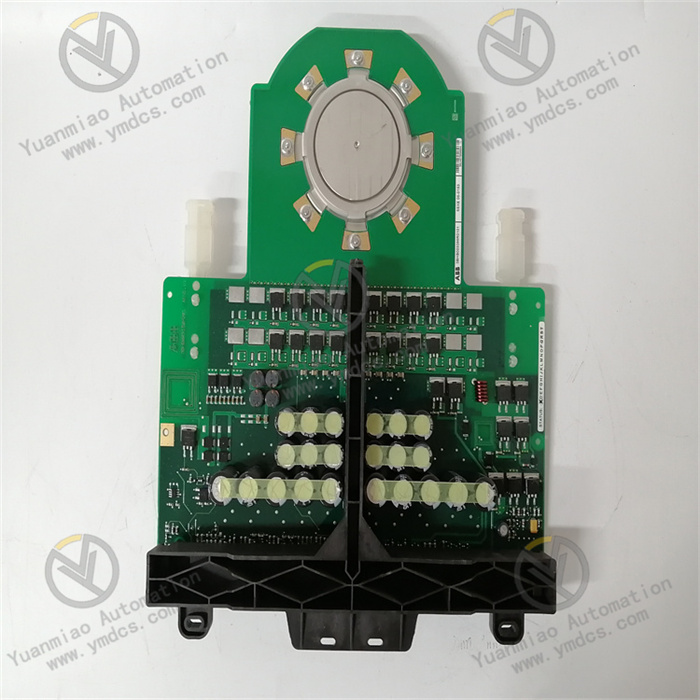
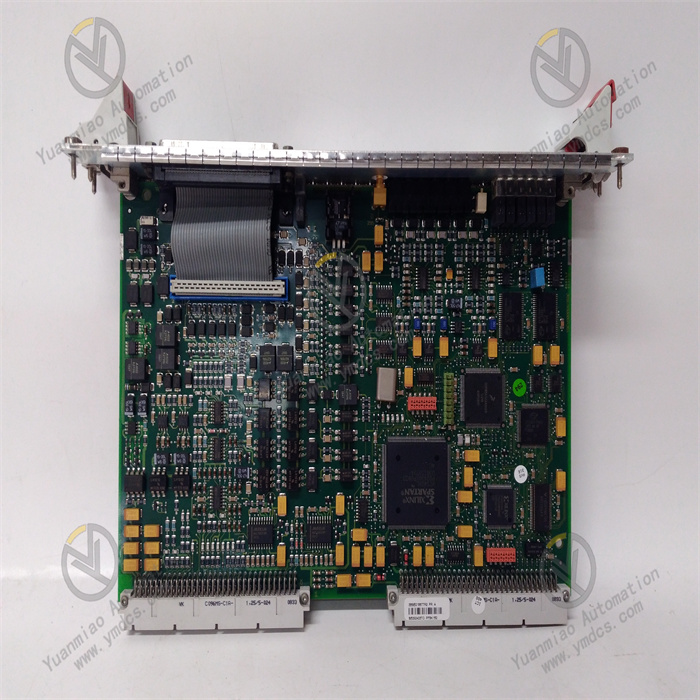
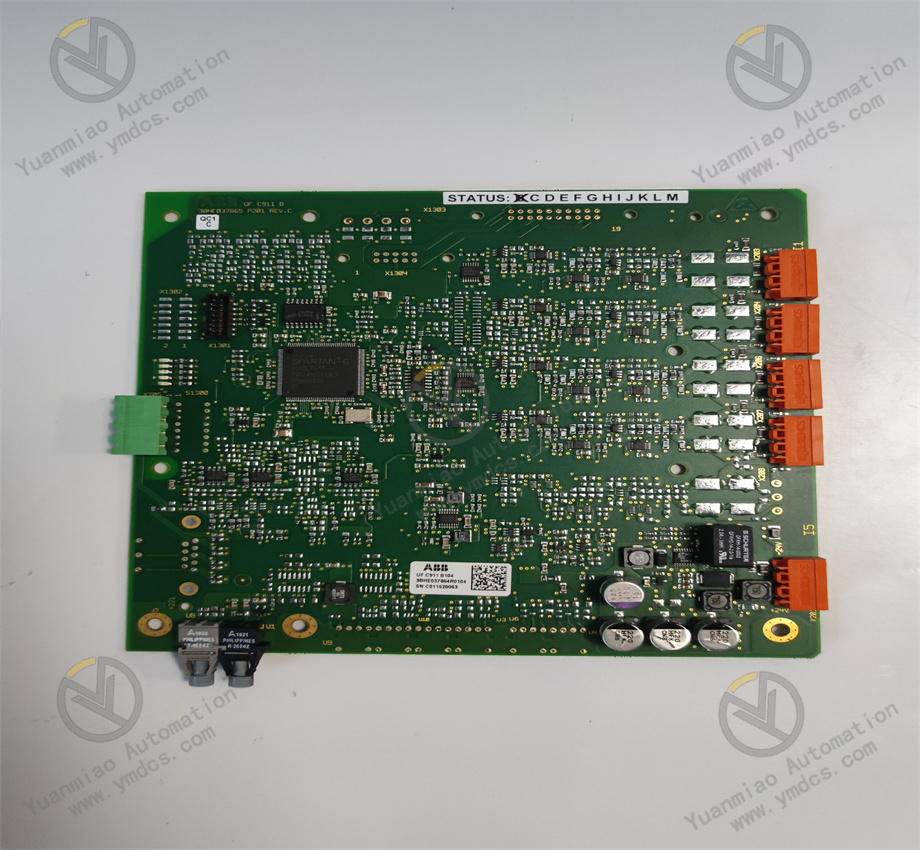
ABB UFD203A101 3BHE019361R0101
1. Basic Information
ABB UFD203A101 (Part No.: 3BHE019361R0101) is a high-power thyristor power drive module of the ABB Symphony series, serving as the core power unit for industrial power control systems. Designed for high-power industrial transmission, variable frequency speed regulation, excitation adjustment and high-power load driving scenarios, it integrates thyristor rectification, inverter driving, power amplification, signal isolation and overload protection functions. It acts as the key power execution module for medium and high voltage transmission systems, power plant auxiliary variable frequency systems and industrial high-power speed regulation equipment.
Adopting an industrial-grade high-power device architecture, the module features strong load capacity and fast dynamic response, enabling smooth start-stop and stepless speed regulation of high-power motors and speed control equipment. With enhanced industrial technology and triple-proof coated circuit board, it is optimized for heat dissipation with excellent anti-overload, anti-shock and anti-electromagnetic interference performance, supporting long-term stable operation under high-load, high-temperature and strong-vibration harsh industrial conditions. Fully compatible with ABB Symphony industrial control systems, it is widely used in new equipment matching and old power module upgrading for high-power transmission equipment in power, metallurgical and chemical industries, delivering outstanding operational stability and load adaptability.
2. Technical Specifications
2.1 Electrical & Power Parameters
- Input Power: 3-phase 380–480V AC, compatible with standard industrial 3-phase power supply, resisting conventional grid fluctuations and instantaneous surges
- Output Voltage: 3-phase 0–480V continuously adjustable, supporting stepless voltage and speed regulation for precise working condition adjustment of high-power loads
- Rated Adaptable Power: Max. 22kW high-power load driving with strong load capacity and excellent overload impact resistance
- Working Power: Built-in 24V DC auxiliary power supply for stable power supply of internal control, sampling and drive circuits
- Operating Frequency: Adaptable to 50/60Hz standard industrial grid frequency, supporting dynamic frequency adjustment for load condition adaptation
2.2 Function & Drive Specifications
- Core Functions: Integrates thyristor rectification, inverter driving, power regulation and load driving to realize variable frequency speed regulation, soft start and steady power output of high-power equipment
- Signal Processing: Receives and analyzes multiple control signals including analog, digital and PWM signals to accurately match regulation commands from upper control systems
- Drive Performance: Fast power response and high dynamic regulation linearity, quickly correcting power output with load changes to avoid speed fluctuation and working condition imbalance
- Operating Characteristics: Supports continuous full-load operation, frequent start-stop and heavy-load startup without power attenuation or device overheating failure
2.3 Protection & Self-diagnosis Specifications
- Multi-protection Mechanism: Built-in comprehensive protection including overvoltage, undervoltage, overcurrent, short circuit, overload and overtemperature protection, real-time monitoring power device and load status
- Fault Response: Quickly cuts off power output and locks fault status under abnormal conditions to prevent power device burnout and rear-end load damage, avoiding fault escalation
- Self-diagnosis: Power-on and real-time operational self-inspection accurately identifies drive abnormalities, power faults, signal errors and heat dissipation failures with fault code locking for rapid troubleshooting
- Anti-interference: Isolated strong and weak current design with multi-stage filter circuits effectively resists on-site strong electromagnetic interference and grid clutter to ensure stable power output
2.4 Communication & Control Interface Specifications
- Communication Protocols: Compatible with mainstream industrial protocols such as Modbus and Profibus for high-speed data interaction with PLC, DCS and upper monitoring systems
- Interface Configuration: Equipped with standardized control and communication interfaces, supporting remote command reception, working condition data upload and remote parameter setting
- Control Modes: Supports local control, remote control and automatic logic regulation to meet linkage control requirements of automated systems
2.5 Environmental & Physical Specifications
- Operating Temperature: -25℃~+70℃, adapting to temperature fluctuations in high-temperature machine rooms, outdoor cabinets and heavy industrial workshops
- Storage Temperature: -40℃~+85℃ with strong environmental adaptability for storage and transportation
- Humidity Range: 5%~95% non-condensing, stable operation in high-humidity, dusty and oily environments without moisture corrosion or performance attenuation
- Protection Grade: Industrial standard protection for closed cabinet installation, dust-proof and moisture-proof
- Structural Technology: Dedicated heat dissipation structure for high-power devices ensures controllable temperature rise during long-term full-load operation. Triple-proof coated circuit board provides anti-aging, anti-corrosion and anti-vibration performance
- Installation Mode: Standard rack mounting for ABB industrial control cabinets with firm fixation and excellent shock resistance for high-vibration power plant and heavy industry conditions
- Weight: Approx. 5kg, compact structure saving cabinet installation space
3. Working Principle
- System Initialization & Self-calibration: After power-on, the module automatically completes hardware self-inspection, power loop verification and interface initialization. It checks the status of power devices, heat dissipation systems and signal links and enters standby mode after passing self-test.
- Control Signal Reception & Analysis: It receives speed regulation, voltage regulation and power adjustment commands from the upper system via communication and signal ports, and processes control signals including PWM, analog and digital signals through error correction and shaping.
- Power Conversion & Regulated Output: The built-in thyristor power unit rectifies, inverts and adjusts the frequency and voltage of 3-phase industrial power. It dynamically optimizes output voltage, frequency and power according to control commands to realize stepless speed regulation and stable operation of rear-end high-power equipment.
- Dynamic Load Adaptation: It collects real-time operating parameters such as output current, voltage and device temperature, dynamically corrects power output, and compensates working condition deviation caused by load fluctuation and grid interference to ensure stable load operation.
- Real-time Monitoring & Intelligent Protection: It continuously monitors faults such as overcurrent, overload, overtemperature and voltage abnormality. Once the protection threshold is triggered, it immediately locks power output, stores fault codes and triggers alarms to protect the module and rear-end equipment.
- Data Interaction & Remote Maintenance: It uploads real-time operating conditions, power parameters and fault information to the upper monitoring system, and receives remote parameter setting, mode switching and fault reset commands to realize automatic operation and remote condition regulation.
4. Application Scenarios
4.1 Power Plant High-power Auxiliary Transmission Systems
Widely used in variable frequency speed regulation systems for high-power auxiliary equipment such as induced draft fans, forced draft fans, circulating water pumps and feed water pumps in thermal power, hydropower and new energy power stations. As the core power drive unit, it realizes smooth speed regulation, energy-saving operation and precise working condition control of auxiliary equipment, ensuring continuous and stable operation of power plant auxiliary control systems.
4.2 Metallurgical & Heavy Industry High-power Speed Regulation Equipment
Applied to high-power transmission equipment in steel, non-ferrous metal and papermaking industries, including rolling mills, conveyors, large fans and dust removal equipment. It adapts to heavy-load impact, frequent start-stop and high-vibration working conditions of heavy industrial equipment to ensure stable production line operation.
4.3 Chemical & Petrochemical Continuous Production Control Systems
Used in variable frequency drive systems for high-power process pumps and compressors in chemical, coal chemical and petrochemical industries. It realizes stepless speed regulation and precise process parameter matching, adapting to continuous high-load production conditions and avoiding process deviation and production interruption caused by power fluctuation.
4.4 Industrial High-power Excitation & Voltage Stabilization Systems
Serves as a power regulation unit for small generator sets and standby power equipment to complete excitation voltage stabilization and adaptive power output, ensuring stable output parameters of power generation and voltage stabilization systems for industrial self-provided power plants and small power stations.
4.5 Upgrading & Renovation of Legacy Industrial Power Systems
It perfectly replaces old-generation ABB power drive modules, solving the problems of weak load capacity, severe heat generation, frequent faults and low regulation accuracy of old equipment. It improves the overall stability, speed regulation accuracy and overload capacity of the transmission system without modifying the system architecture, reducing operation faults and energy consumption costs.