Description
Honeywell CC-MCAR02
1. Basic Information
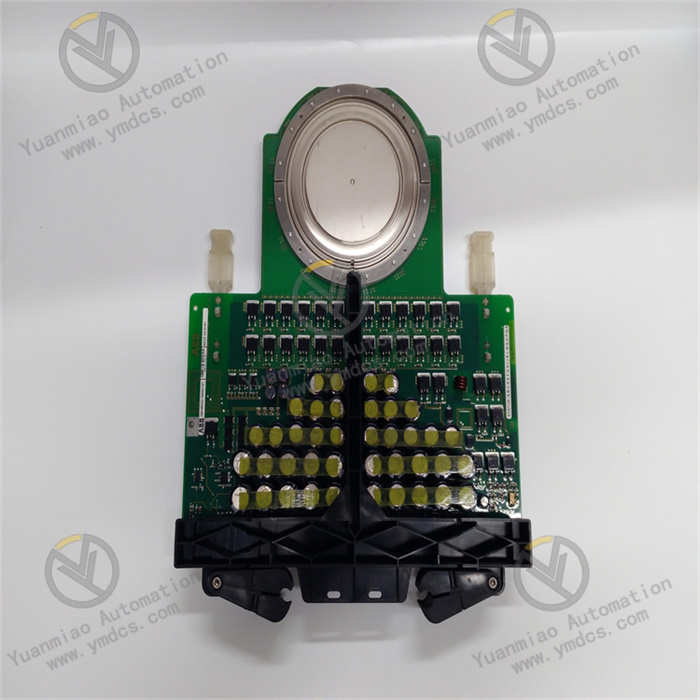
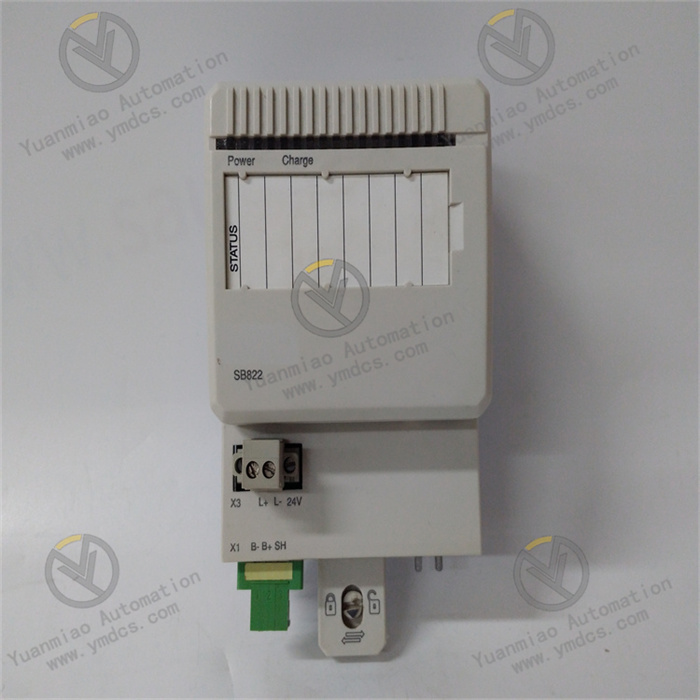
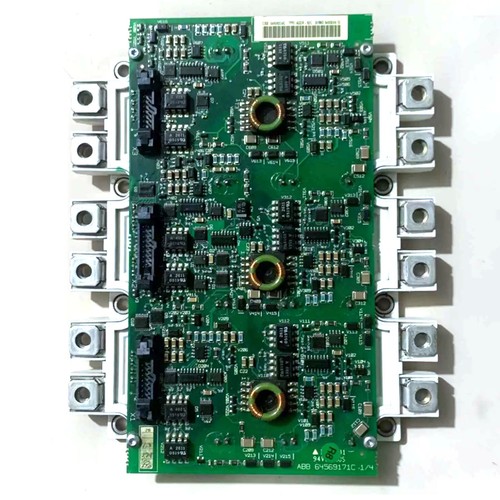
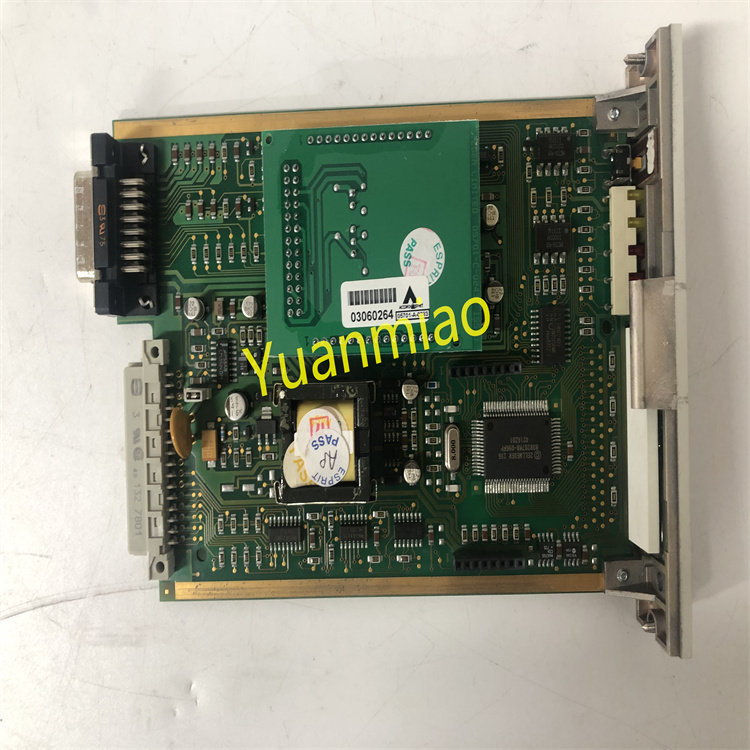
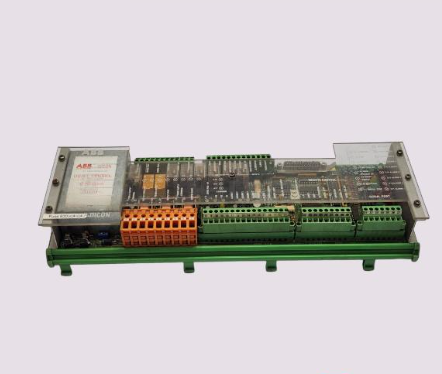
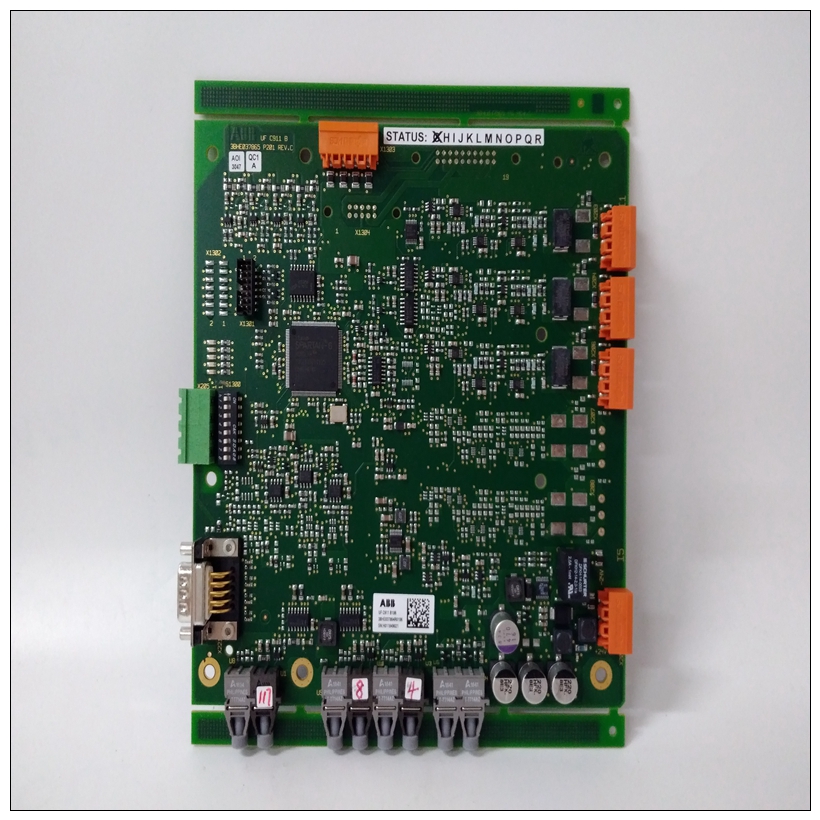
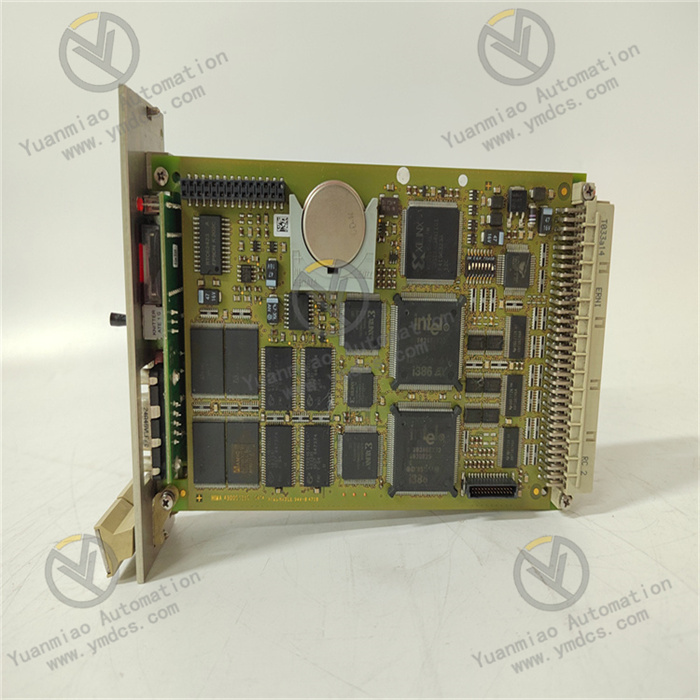
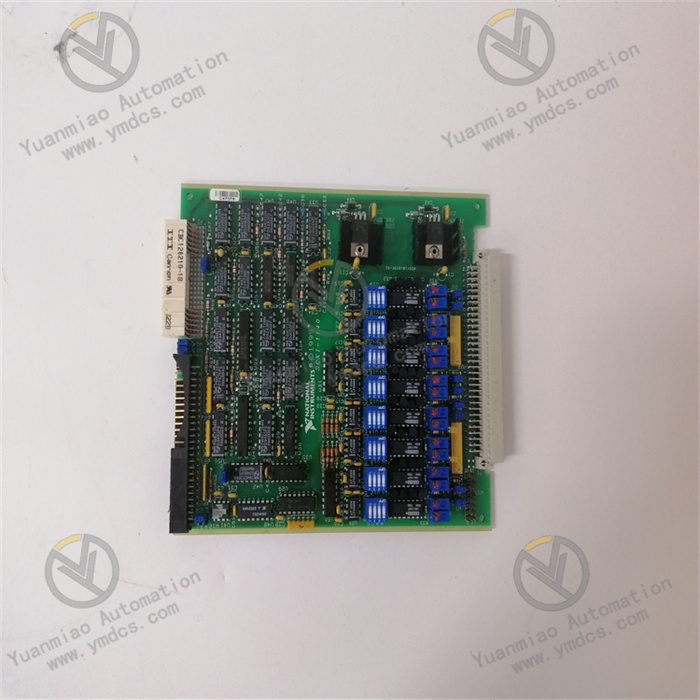
Honeywell CC-MCAR02 (Part No.: 51403892-200) is an upgraded high-speed carrier channel communication module for Honeywell C300 DCS systems, serving as the enhanced successor model of CC-MCAR01. It optimizes carrier bus chip and impedance matching circuit, greatly improving bus bandwidth, signal stability and anti-interference capability.
The module supports hot-swap maintenance, dual-link redundancy and multi-protocol compatibility, with expanded slave device access capacity. It is widely used in large and medium-sized chemical, thermal power and metallurgical industries for DCS network upgrading, communication optimization and faulty spare part replacement.
2. Technical Specifications
2.1 Core Function & Communication Specifications
- Model: CC-MCAR02, Part No.: 51403892-200, Type: Enhanced C300 Carrier Channel Communication Module
- System Compatibility: Fully compatible with Honeywell C300 DCS system, directly replaceable with CC-MCAR01
- Core Functions: High-speed carrier data transceiving, multi-device scheduling, protocol conversion, impedance matching and link fault tolerance
- Optimization Feature: Built-in impedance matching circuit to eliminate signal reflection and waveform distortion
- Supported Protocols: Modbus TCP/IP, Profibus, SSH, Telnet, SNMP and other mainstream industrial protocols
- Slave Capacity: Supports up to 48 Profibus slave devices, 50% capacity expansion compared with the previous version
- Transmission Performance: 30%+ higher throughput and lower latency for high-speed process closed-loop control
- Expansion Capability: Supports multi-level bus networking and large-scale distributed I/O expansion
- Redundancy: Dual-link redundant operation with seamless switchover and zero communication interruption
2.2 Electrical & Power Specifications
- Power Supply: C300 rack backplane power supply, compatible with 5V DC and 24V DC
- Operating Voltage: 3.3V~5.5V, rated 24V DC with wide voltage fluctuation resistance
- Power Consumption: ≤7W full-load power consumption, low heat generation for long-term stable operation
- Power Redundancy: Dual redundant power input to avoid single-point power failure
- Protection: Multi-layer over-voltage, over-current, surge and ESD protection mechanism
- Signal Isolation: Full-port electrical isolation to eliminate bus crosstalk and harmonic interference
2.3 Diagnosis & Operation Characteristics
- Power-on Self-test: Comprehensive self-inspection of carrier chip, impedance circuit, port and protocol stack
- Real-time Monitoring: Precisely monitors bus signal quality, throughput, delay and packet loss rate
- Advanced Fault Diagnosis: Identifies signal reflection, impedance mismatch and protocol errors accurately
- LED Indication: Multi-group status indicators for operation, communication, fault and redundancy status
- Hot-swap Support: Online replacement without system shutdown and process interruption
- Self-recovery & Fault Tolerance: Automatic fault isolation, error correction and post-fault recovery
2.4 Environmental & Protection Specifications
- Operating Temperature: -20℃~+70℃ wide industrial temperature range
- Storage Temperature: -40℃~+85℃, excellent temperature shock resistance
- Humidity Range: 5%~95%RH (non-condensing), dust-proof and moisture-proof
- EMC Performance: High-level anti-interference design against electromagnetic and harmonic noise
- Structural Stability: Vibration-resistant reinforced PCB design for industrial vibration scenarios
- Protection Grade: IP20 standard for indoor industrial cabinet installation
2.5 Physical Structure Specifications
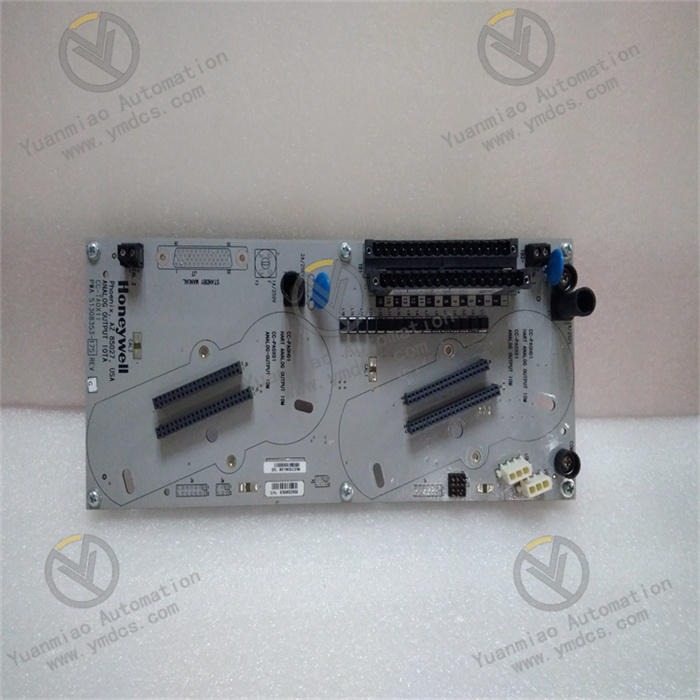
- Structure Type: Compact upgraded carrier communication board for C300 DCS system
- Installation: Standard embedded rack mounting, directly replaceable with CC-MCAR01
- Dimensions: 240mm × 200mm × 30mm space-saving compact layout
- Weight: Approx. 0.35kg, lightweight for long-term stable mounting
- Wiring Mode: Standard terminal wiring for neat layout and convenient maintenance
3. Working Principle
- Power-on Initialization & Handshake: After backplane power-on, the module initializes carrier parameters, impedance thresholds and bus timing, completes full hardware self-test, synchronizes system clock and establishes stable communication handshake with the C300 controller.
- Impedance Matching & Signal Optimization: Automatically adapts to bus cable impedance via built-in matching circuit, eliminates signal reflection and waveform distortion, and purifies carrier signals for long-distance and large-capacity transmission.
- Networking & Device Registration: Scans online field slave devices automatically, completes identity recognition, protocol matching and address registration, and builds a stable multi-level carrier bus topology.
- Dual-way Data Interaction & Protocol Conversion: Parses and uploads field process data and alarm information, converts and forwards upper control commands and parameter configurations, realizing seamless multi-protocol data interaction.
- Bandwidth Scheduling & Link Management: Dynamically allocates bus bandwidth and schedules multi-device data transmission in order, avoiding network congestion and excessive delay to ensure efficient and synchronous network operation.
- Fault Monitoring, Isolation & Self-recovery: Real-time monitors bus link and signal status, isolates faulty points to prevent fault diffusion, automatically re-networks and recovers after troubleshooting, and uploads fault logs for operation traceability.
4. Application Scenarios
4.1 Large-scale C300 DCS High-speed Networking
Serves as the core communication carrier for medium and large C300 DCS systems, adapting to large-capacity I/O and multi-device networking scenarios. It ensures high-speed, low-latency and stable data interaction for complex process control in chemical, thermal power and oil & gas industries.
4.2 Legacy System Communication Upgrade
Directly replaces aging CC-MCAR01 modules without wiring and program modification, effectively upgrading bus bandwidth, anti-interference capability and transmission stability, solving common problems such as data loss and communication jitter of old systems.
4.3 Heterogeneous Multi-protocol Device Access
Supports seamless access of multi-brand and multi-protocol field instruments, inverters and actuators, unifies heterogeneous device networking, and realizes integrated centralized management of factory automatic control equipment.
4.4 Long-distance & Complex Condition Communication Optimization
Adopts impedance matching and signal shaping technology to adapt to long-distance wiring and strong electromagnetic interference sites, eliminating signal attenuation and distortion, and guaranteeing 7×24-hour stable communication of core control systems.
4.5 Large-capacity System Capacity Expansion
Expands single-module slave access capacity to 48 points, meeting the demand of process upgrading and equipment expansion. It realizes low-cost system capacity expansion without additional cabinets and main control units.