I. Basic Information
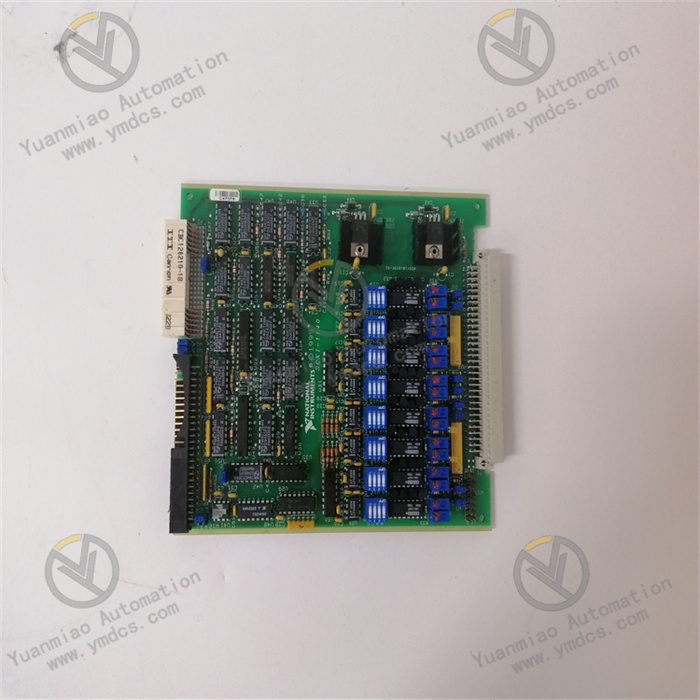
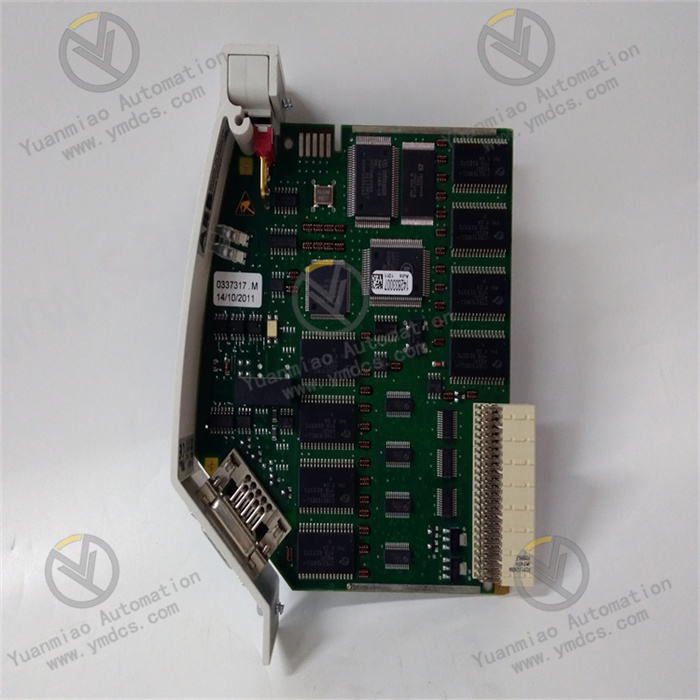
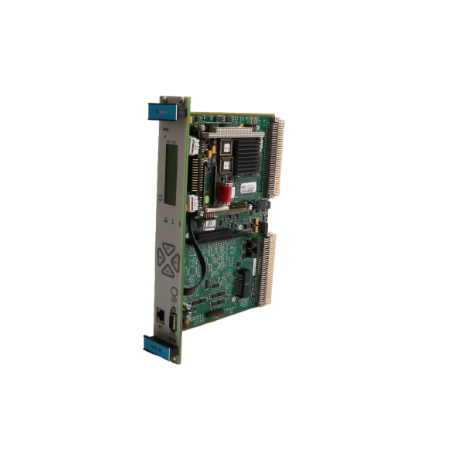
Model:200-595-067-114 (VM600 CPUM Main Processing Module)
Brand:VIBRO-METER (Meggitt Group, Original Core CPU Module for VM600 High-End Machinery Vibration Protection and Condition Monitoring System)
Product Positioning
The VIBRO-METER VM600 CPUM 200-595-067-114 is the core main control operation and data processing unit for industrial rotating machinery condition monitoring and safety protection systems. Serving as the central control hub of the VM600 rack-mounted monitoring system, it undertakes centralized operation, logic judgment, alarm determination, protection output and data upload of unit vibration data, shaft speed and process status signals. It comprehensively manages the collected data of all IO cards in the rack, and completes high-precision vibration analysis, order tracking, spectrum operation, fault diagnosis and interlock protection command output. It is widely applied to key rotating power equipment such as gas turbines, steam turbines, generator sets, large fans and compressors, covering thermal power, oil and gas chemical industry, metallurgy and other industrial scenarios, and acts as the core carrier to ensure the safe and stable operation of large rotating machinery.
Hardware Architecture
Adopting industrial-grade high-performance embedded multi-core operation architecture, the module integrates a 24-bit high-precision data processing core, high-speed FFT spectrum operation unit, real-time logic judgment chip and independent communication processing module. It is equipped with 16 dynamic vibration signal processing channels and 4 independent speed measurement channels, supporting multi-channel synchronous high-speed sampling and parallel data analysis. Built-in large-capacity high-speed cache and solidified fault algorithm library enable autonomous real-time operation of vibration amplitude, velocity, displacement, spectrum characteristics and order parameters. All bus, power and communication loops adopt electrical isolation and anti-interference design to eliminate data distortion and logic misjudgment caused by on-site electromagnetic interference and vibration impact. The reinforced rack-mounted board structure features dust-proof, vibration-resistant and anti-aging performance, adapting to long-term uninterrupted heavy-load cabinet operation and meeting SIL safety protection standards.
Mounting Specification
Designed for standard VM600 system rack slot installation with compact size and accurate positioning, it supports online hot-swap replacement without system shutdown or power cut. The built-in front LCD panel and operation keys support on-site real-time viewing of channel status, vibration parameters, speed data, alarm information and fault codes, as well as on-site parameter configuration, threshold setting and functional debugging. The standardized backplane bus design seamlessly matches VM600 system power supply, IO acquisition and communication modules, featuring neat wiring and convenient maintenance. It is directly applicable to aging module replacement, system performance upgrading, monitoring precision technical transformation and capacity expansion of old VM600 systems with strong on-site adaptability and high commissioning efficiency.
Compatible Systems
Fully compatible with the entire series of VIBRO-METER VM600 rack-mounted condition monitoring systems, it seamlessly matches VM600 IO acquisition cards, communication cards, power modules and expansion modules. It supports bidirectional data interaction with power plant DCS systems, PLC systems, upper monitoring platforms and fault diagnosis systems, and is compatible with mainstream industrial protocols such as Modbus RTU and RS485. It realizes real-time upload of equipment vibration status, speed parameters, alarm records and fault spectrum data, as well as reception of remote configuration and reset commands, fully integrating into the intelligent equipment condition monitoring and operation management system.
Product Characteristics
It supports multi-channel large-capacity synchronous data processing with 16 dynamic channels and 4 speed channels, and each channel can output up to 20 groups of refined processing parameters. Adopting 24-bit ultra-high-resolution sampling architecture, it features excellent signal-to-noise ratio and ultra-high data precision, supporting both fixed-frequency asynchronous sampling and order synchronous tracking sampling. High-definition FFT spectrum analysis quickly generates high-precision vibration spectra to capture early subtle equipment fault features. Built-in multi-level alarm, interlock and shutdown protection logic supports customizable thresholds and delay judgment to prevent false alarms and missing alarms. The industrial-grade wide-temperature and anti-interference design ensures 7×24-hour continuous operation without parameter drift or operation deviation, delivering extremely high long-term stability and data reliability.
II. Technical Specifications
1. Core Channel & Processing Parameters
Channel Configuration: Equipped with 16 independent dynamic vibration processing channels and 4 high-precision speed measurement channels, supporting full-channel parallel synchronous operation with independent data analysis, ensuring single-channel faults do not affect the overall system operation. Processing Output: Each dynamic channel and dual-channel module supports up to 20 groups of customized refined output parameters, including vibration peak value, RMS value, peak-peak value, phase, frequency domain features and order parameters. Sampling Precision: The 24-bit ultra-high-resolution sampling architecture ensures excellent linearity and high signal-to-noise ratio, capturing micron-level vibration changes and tiny speed fluctuations of equipment. Sampling Mode: Dual modes of fixed-frequency asynchronous sampling and order synchronous tracking sampling adapt to constant-speed, variable-speed and variable-load operating conditions. Spectrum Performance: Multi-gear high-definition FFT spectrum analysis outputs 3200-line spectrum data in 200ms and 6400-line ultra-high-resolution spectrum data in 500ms, quickly identifying typical faults such as rotor unbalance, misalignment, bearing wear and surge. Sampling Rate: Maximum 100kHz high-speed sampling ensures real-time data response without lag, adapting to high-speed dynamic condition monitoring of large rotating machinery.
2. Electrical Operating Parameters
Operating Power Supply: Standard industrial wide-voltage DC power supply adapts to dedicated VM600 rack power supply, resisting grid voltage fluctuation, transient surge and ripple interference. Low power consumption and low heat generation support long-term continuous heavy-load operation. Signal Adaptation: Compatible with mainstream industrial vibration and speed probe signals, supporting analysis of acceleration, velocity and displacement vibration signals, adapting to piezoelectric, eddy current and magnetoelectric detection probes. Bus Performance: The high-speed dedicated backplane bus ensures fast data transmission and strong anti-interference capability, synchronously receiving multi-card acquisition data without delay or loss. Isolation Protection: Independent electrical isolation for core operation, communication and signal interaction loops eliminates operation deviation and logic abnormality caused by ground circulation and static impact. Output Logic: Programmable multi-level alarm (warning, high alarm, interlock, shutdown) output with customizable delay, shielding and locking rules to adapt to different equipment safety protection standards.
3. Communication & Interaction Parameters
Human-Machine Interaction: The front LCD and physical keys support on-site real-time display of vibration amplitude, velocity, shaft speed, channel status, alarm thresholds, fault codes and system status, as well as on-site parameter modification, threshold setting, fault reset and commissioning. Communication Configuration: Isolated RS485 interface with standard Modbus RTU protocol supports remote data upload, remote parameter configuration, program upgrading and fault traceability. Data Storage: Built-in high-speed cache and event recording unit retains long-term equipment operation trend data, alarm records, spectrum files and fault parameters, supporting fault analysis and equipment life evaluation. Expansion Performance: Supports multi-card coordinated expansion of the rack, realizing monitoring channel capacity expansion to meet full-dimensional condition monitoring requirements of large units.
4. Environmental Operating Parameters
Operating Temperature:-20℃~+60℃, maintaining stable operation of data calculation precision, spectrum analysis, logic judgment and communication functions in the full temperature range, adapting to cabinet heat accumulation and temperature fluctuation in power plants and chemical industries.
Storage Temperature:-40℃~+70℃, no device aging, parameter drift, board deformation or performance failure during long-term storage.
Operating Humidity:5%~95% RH, non-condensing, adapting to humid and slightly dusty industrial environments without circuit dampness, insulation degradation or operation abnormality.
Condition Adaptation: Passed industrial EMC electromagnetic compatibility, vibration and impact resistance tests, stably resisting on-site strong electromagnetic radiation, high-frequency equipment vibration, grid harmonic disturbance and transient voltage impact. Protection Grade: Industrial-grade reinforced board structure with excellent dust-proof, moisture-proof, anti-interference and anti-aging performance, fully adapting to long-term uninterrupted indoor cabinet operation and meeting high-level industrial reliability standards.
III. Key Features
1. Multi-Channel Integrated Operation for Full-Dimensional Equipment Monitoring
Integrated with 16 dynamic vibration processing channels and 4 high-precision speed channels, the module synchronously completes full-dimensional data acquisition and operation analysis of bearing vibration, shell vibration, shaft displacement, shaft speed and working condition fluctuation of large rotating machinery. Each channel operates independently without mutual interference, and single-channel signal abnormalities and fault alarms will not affect the operation of other channels and the overall system, greatly improving the fault tolerance and operational stability of the monitoring system. Each channel supports up to 20 groups of refined parameter output, fully covering various equipment operating conditions such as steady state, transient state, variable speed and variable load, and accurately capturing subtle equipment operation abnormalities to realize early fault prediction.
2. 24-Bit Ultra-High Precision Sampling for High-Definition Spectrum Fault Diagnosis
Adopting industry-leading 24-bit high-precision data processing core, the module features high sampling resolution, excellent signal-to-noise ratio and superior operation linearity, which can accurately identify micron-level vibration changes and low-speed speed fluctuations, eliminating the defects of rough data and insufficient precision of conventional monitoring modules. Dual sampling modes of fixed-frequency sampling and order tracking sampling perfectly adapt to equipment constant-speed stable operation and variable-speed dynamic operation conditions. Equipped with multi-gear high-definition FFT spectrum analysis, it quickly generates high-resolution vibration spectra, accurately identifying typical mechanical faults such as rotor unbalance, shaft misalignment, bearing wear, impeller failure, airflow surge and mechanical looseness, providing accurate data support for equipment predictive maintenance.
3. Multi-Level Intelligent Protection Logic for Safe and Reliable Anti-Misoperation
4. Local + Remote Dual Interaction for Efficient Operation and Maintenance
The onboard front LCD and operation keys support on-site parameter viewing, threshold setting, fault reset and channel commissioning without external upper equipment, realizing convenient and efficient on-site operation and maintenance. Standard isolated RS485 and Modbus RTU communication support remote real-time data upload, remote parameter configuration, program upgrading and fault record query, enabling seamless access to factory DCS, PLC and upper monitoring platforms to realize remote visual monitoring and intelligent operation and maintenance of equipment status. The complete event and spectrum data recording function tracks the whole process of equipment status changes and fault occurrence, greatly reducing the difficulty of fault troubleshooting and operation and maintenance costs.
5. Hot-Swap High-Compatibility Design for System Upgrading and Replacement
Fully compliant with VIBRO-METER VM600 original factory standard design in board size, backplane bus, communication protocol and logic architecture, it can directly replace old series main control modules without modifying the system structure, re-wiring or large-scale program debugging and parameter setting. It supports online rack hot-swap replacement, enabling module maintenance and replacement without shutdown and power cut, avoiding equipment shutdown losses. It adapts to full scenarios of new unit supporting, old monitoring system technical transformation and upgrading, faulty module replacement and monitoring channel expansion, featuring strong on-site adaptability and high commissioning efficiency.
IV. Working Principle
The VIBRO-METER VM600 CPUM 200-595-067-114 main control module operates based on the multi-channel synchronous sampling + high-precision data operation + spectrum and order analysis + multi-level logic judgment + intelligent protection output + full-status traceability principle. As the core hub of the VM600 system, it overall manages the whole process of system signal acquisition, data processing, status judgment and protection output. The workflow includes six core links: signal reception and integration, data preprocessing, high-precision operation analysis, fault logic judgment, alarm and protection output, and data storage and upload.
During normal system operation, the CPUM module synchronously receives equipment vibration and speed analog data transmitted by each IO card through the rack backplane bus, integrates original data of 16 dynamic channels and 4 speed channels, and eliminates on-site electromagnetic interference and signal distortion through multi-stage digital filtering, signal shaping and noise reduction preprocessing to restore real equipment operating condition data. Relying on the 24-bit high-precision operation core, it calculates basic parameters such as vibration amplitude, effective value, peak-peak value, phase, speed and fluctuation, and analyzes equipment frequency domain characteristics and variable-speed operation rules through FFT high-speed spectrum algorithm and order tracking algorithm.
After operation, the module compares real-time parameters with preset alarm, interlock and shutdown thresholds in the system. When parameters are within the normal range, it continuously uploads equipment operation status and trend data; when parameters exceed the limit, signals are abnormal or fault features are identified, it immediately triggers corresponding levels of alarm, interlock or shutdown protection commands, synchronously locks fault status and records fault spectrum and parameter data for accurate fault traceability. Meanwhile, the module responds to local key operations and remote communication commands in real time to complete parameter setting, status query, fault reset and program upgrading, realizing integrated intelligent management of equipment condition monitoring, fault diagnosis, safety protection and intelligent operation and maintenance.
V. Application Scenarios
1. Core Condition Monitoring of Large Rotating Machinery: Completes full-time high-precision monitoring and data analysis of equipment vibration, shaft speed and shaft status for gas turbines, steam turbines, generator sets, large compressors, fans and industrial pump sets.
2. Equipment Fault Prediction and Diagnosis Analysis: Identifies latent faults such as rotor unbalance, misalignment, bearing failure, airflow disturbance and mechanical looseness relying on high-definition spectrum and order analysis functions, realizing equipment predictive maintenance and avoiding unplanned shutdowns.
3. Unit Safety Interlock Protection Management: Acts as the core logic unit of the monitoring system to execute multi-level alarm, interlock and shutdown protection logic, ensuring timely shutdown of key equipment beyond limits and avoiding equipment damage and production safety accidents.
4. Industrial Automation System Data Docking: Seamlessly accesses power plant DCS, factory PLC and upper monitoring platforms to realize remote visualization of equipment operation data, intelligent operation and maintenance and refined management, adapting to the modern intelligent factory operation and maintenance system.
5. Technical Upgrading of Old Monitoring Systems: Used for aging replacement of main control modules, operation performance upgrading and monitoring precision improvement of old VM600 systems, optimizing equipment condition monitoring capability and fault protection level to meet the needs of intelligent transformation of industrial equipment.