Description
1. Overview
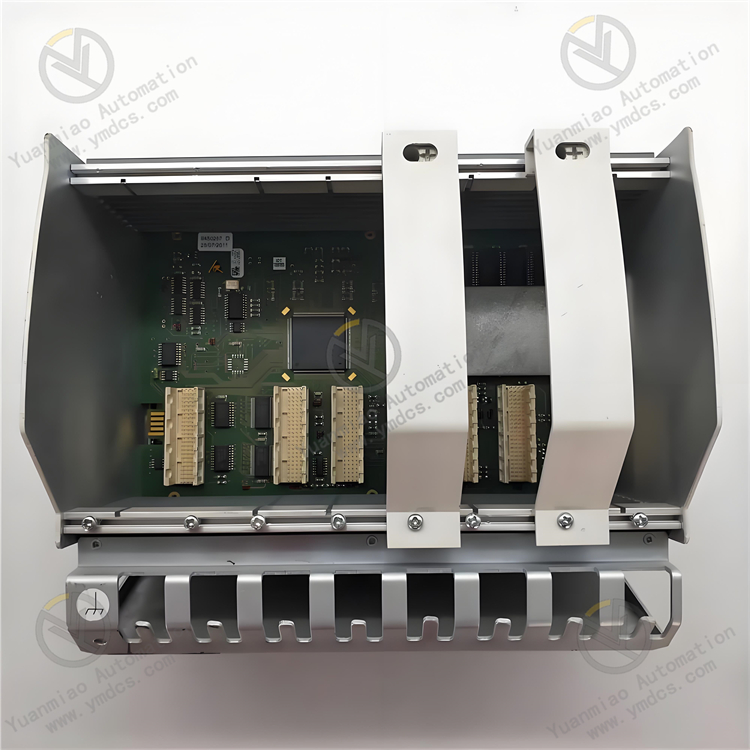
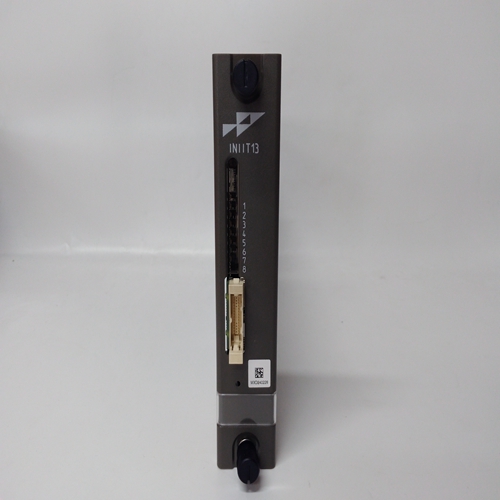
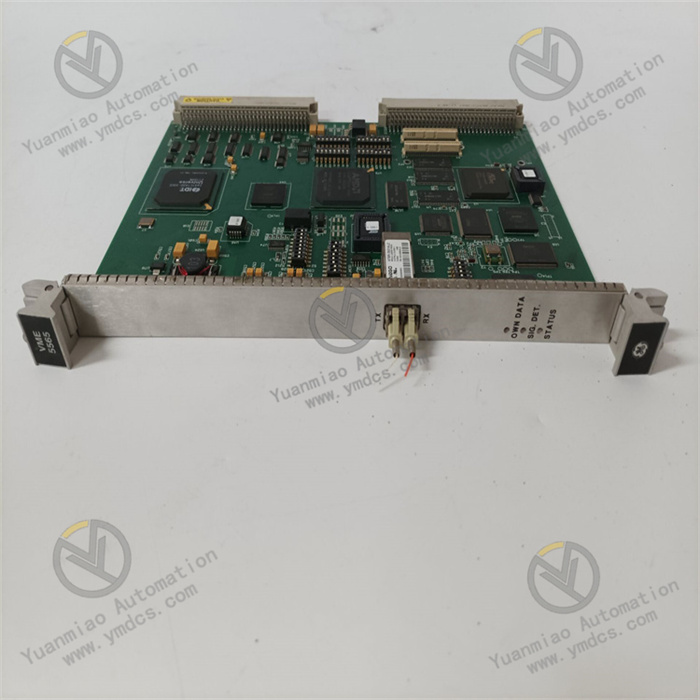
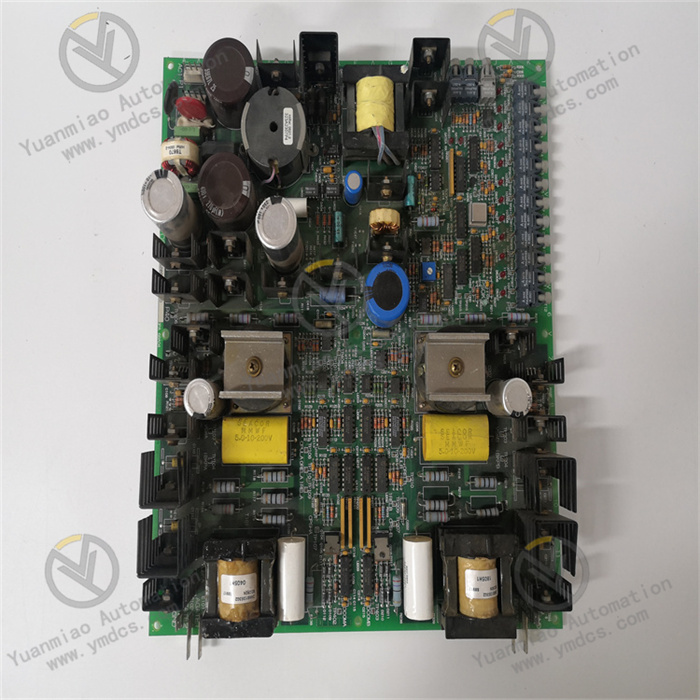
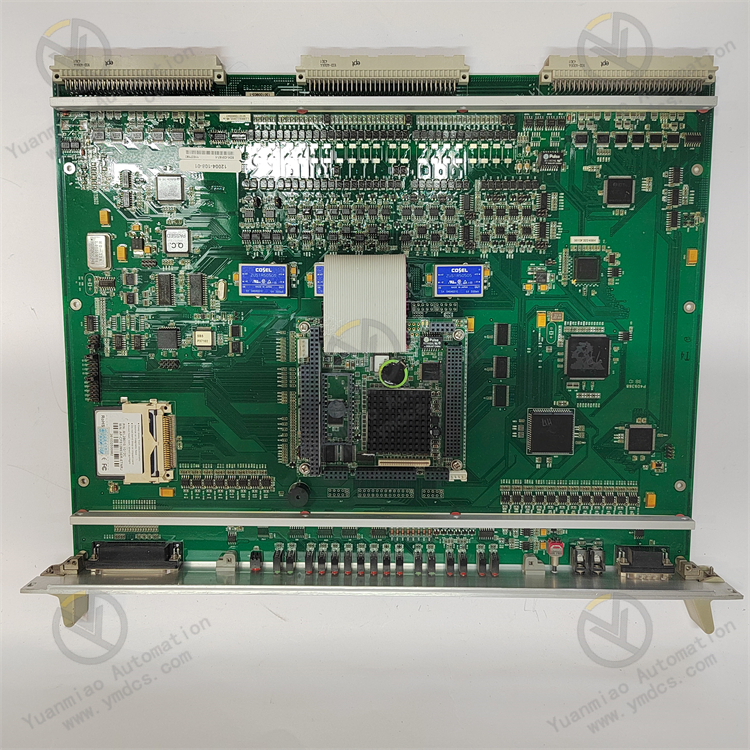
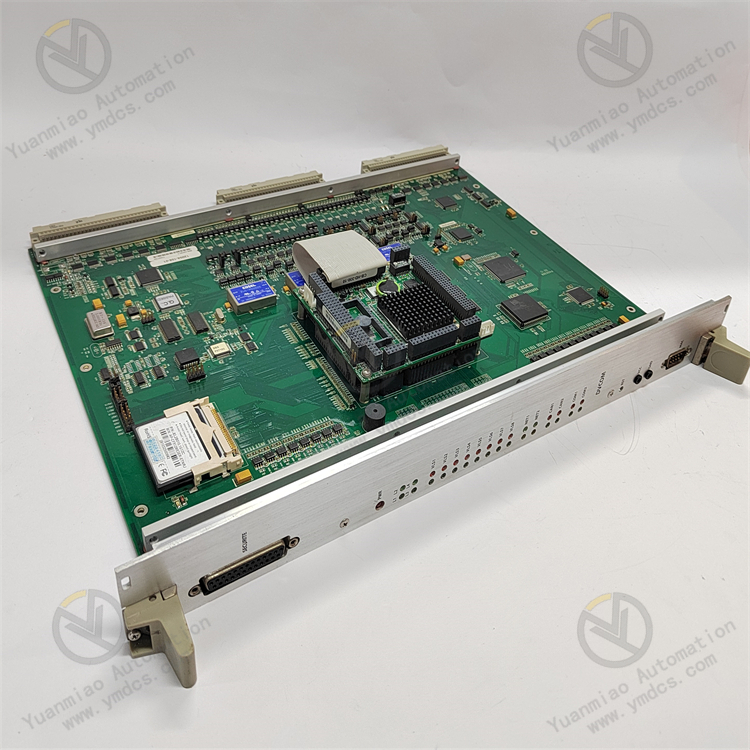
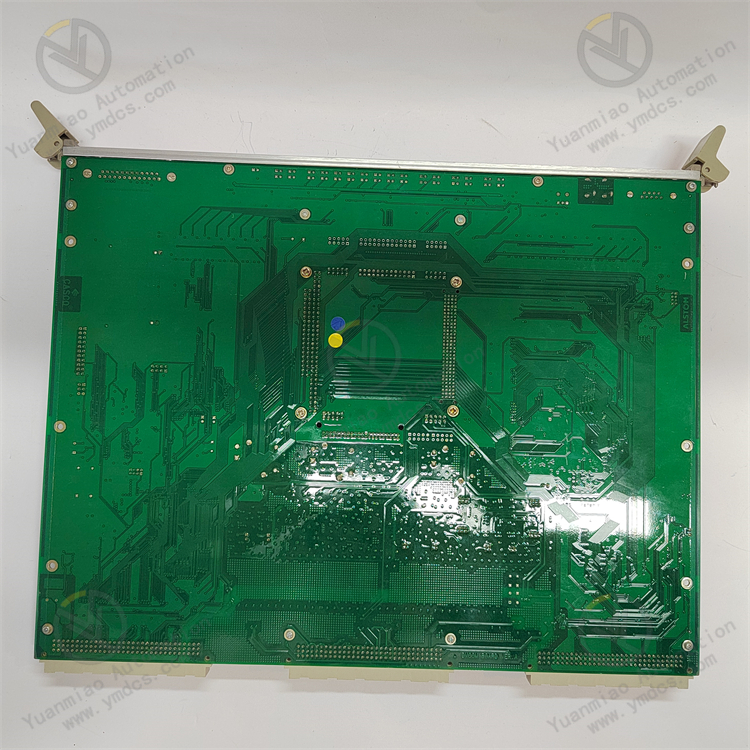
ALSTOM SDK-C0167-1 is a high-performance integrated input/output control module designed for power plant turbine control systems, power protection systems, combined cycle DCS and industrial automation control systems. Its complete identifiers include main part number SDK-C0167-1, production batch code 12004-08-01 and board firmware version SBS07M076B. It belongs to ALSTOM power industrial control hardware product line and is widely compatible with turbine main control, auxiliary equipment control, power relay protection and energy management systems under GE/ALSTOM brands.
As the core signal interaction unit of the control system, this module integrates multiple functions including discrete signal acquisition, logical operation processing, control command output, bus data interaction, operating condition monitoring and fault diagnosis. It realizes bidirectional signal transmission and precise linkage between field actuators and upper master control systems, serving as critical basic hardware to guarantee stable operation of unit start-stop control, working condition regulation, equipment interlock and loop protection.
Adopting an industrial integrated control chip architecture, the integrated PCB integrates signal conditioning, logic processing, driving output and electrical protection units. Different from ordinary single-function signal boards, it features high signal acquisition accuracy, fast logical response speed, strong anti-interference performance and outstanding operational stability. Specially optimized for harsh power plant operating conditions such as severe electromagnetic radiation, wide temperature & humidity fluctuation, frequent equipment startup/shutdown and 24/7 non-stop continuous operation, the whole unit contains no wearable mechanical moving parts with zero long-term parameter drift or false logical action. Natively compatible with cabinet architectures, backplane interfaces and system configurations of all ALSTOM and GE turbine & power control systems, it boasts excellent interchangeability. It is a standardized core module for matching new control systems, upgrading legacy signal boards, replacing faulty spare parts and optimizing signal links of industrial control systems in power plants.
2. Technical Features
2.1 Integrated IO Design with Highly Centralized Functions
The module adopts an integrated input-output architecture to simultaneously complete acquisition & conditioning of field discrete and status feedback signals as well as output driving of system control commands. It combines the dual functions of traditional separate input and output boards and simplifies the hardware structure of control systems. Built-in high-precision signal conditioning circuits shape, filter and denoise chaotic field signals, effectively eliminating jitter clutter and transient interference signals to ensure accurate signal sampling and stable command output. It adapts to complex signal conditions of coordinated operation of multiple equipment in power plants.
2.2 High-Speed Logical Operation Response for Precise & Efficient Control
Equipped with a dedicated industrial integrated control chip embedded with standardized original logical operation programs, it responds to master control system commands in real time and rapidly collects operating condition signals from field equipment to complete millisecond-level logical judgment and command output. Its response logic is optimized for dynamic working conditions including unit startup/shutdown, variable load peak shaving, auxiliary machinery coordination and loop switching to eliminate command delay, signal lag and action deviation. It ensures accurate linkage and smooth working condition switching of the entire control system, with consistent long-term logic and no hidden risks of drift or failure.
2.3 Multi-Layer Electrical Protection for Excellent Condition Adaptability
The PCB is embedded with multiple electrical protection mechanisms including overvoltage, overcurrent, short-circuit, surge impact, ESD protection and reverse voltage suppression, paired with board-level isolation circuits. It effectively isolates interference such as on-site voltage fluctuation, electromagnetic crosstalk, back EMF and ground potential difference, avoiding failures including board burnout, signal disorder and false logical action caused by electrical impulse. Perfectly suited for harsh industrial scenarios in power plants featuring frequent startup/shutdown of high-power equipment, intensive electromagnetic radiation and volatile power grids, it greatly improves equipment fault tolerance and operational safety stability.
2.4 Native Bus Communication Compatibility for Visible & Traceable Data
Compatible with proprietary ALSTOM/GE industrial control bus protocols, it supports real-time bidirectional data interaction with upper DCS and turbine master control systems. It actively uploads key information such as module operating status, sampled signal data, command execution records and fault codes, while precisely receiving control, regulation and interlock commands issued by the system. It supports operation event storage, fault log recording and historical data traceability to visualize control processes and refine fault localization, fully meeting intelligent power plant management demands including remote monitoring, maintenance traceability and parameter commissioning.
2.5 Full-Range Self-Diagnosis & Early Warning for Efficient & Controllable Maintenance
It adopts a dual mechanism of full-coverage power-on self-test and full-time real-time runtime diagnosis. Upon power-up, the module automatically verifies the integrity of hardware circuits, signal channels, power supply conditions and bus communication links. During operation, it continuously monitors hidden hazards such as abnormal signals, channel faults, abnormal loads, power supply out-of-tolerance and communication loss. Fault channels and error types can be precisely located, with fault states automatically locked, logs stored and alarms uploaded to the system. This drastically shortens troubleshooting, maintenance and downtime, effectively improving overall operation & maintenance efficiency and stability of the control system.
2.6 Industrial Three-Proof Ruggedized Construction for Long-Term Unattended Operation
All core components of the module undergo strict wide-temperature screening, high-low temperature cycling tests and industrial aging tests. The printed circuit board is coated with military-grade three-proof conformal coating featuring dustproof, moisture-proof, anti-corrosion, anti-oxidation, mold-proof, vibration-resistant and strong EMI-resistant performance.Highly integrated with no wearable mechanical moving parts, the whole unit operates with low power consumption and heat generation and an ultra-low failure rate. It withstands long-term erosion from temperature & humidity fluctuation, equipment vibration and high-frequency electromagnetic radiation inside power plant cabinets, supporting multi-year 24/7 non-stop continuous operation and fully satisfying long-service-life and unattended industrial operation demands of power generation units.
2.7 Standardized Plug-and-Play Design with No Retrofit or Commissioning Required
Strictly complying with ALSTOM original hardware dimensions, installation specifications, backplane pin definitions, electrical logic and bus communication protocols, it is fully compatible with cabinets and configuration software of all ALSTOM and GE turbine control systems and power protection systems.It can directly replace same-model legacy modules suffering from aging, signal distortion, logical failure, communication anomaly and frequent alarms. No revisions to system control programs, field wiring, circuit connections or parameter settings are required, and secondary calibration is unnecessary for normal commissioning after power-on, greatly cutting hardware maintenance, fault replacement and system renovation upgrade costs of power plants.
3. Specification Parameters
3.1 Basic Assembly Information
- Full Model Identifier: SDK-C0167-1 / 12004-08-01 / SBS07M076B
- Manufacturer: ALSTOM (integrated into the GE Vernova power control product line)
- Device Type: Industrial Integrated Input/Output Control Module
- Core Functions: Acquisition & conditioning of field discrete signals, real-time logical operation, control command output, bidirectional bus data interaction, full-condition hardware self-diagnosis, equipment interlock linkage control
- Compatible Systems: ALSTOM turbine control systems, GE Mark series DCS, power plant power relay protection systems, combined cycle control systems, energy management control systems
- Applicable Equipment: Gas turbines, steam turbines, combined cycle units, CHP generator sets, auxiliary equipment of power plants, power transmission & distribution protection devices, industrial automation actuators
- Application Scenarios: Signal link matching for new control systems, replacement of faulty legacy IO modules, signal precision optimization of industrial control systems, maintenance & renovation of power plant control systems, capacity expansion & upgrade of redundant control channels
3.2 Electrical Performance Parameters
- Operating Power Supply: Standard industrial power supply complying with general cabinet power specifications of power plant control systems, low power consumption and low heat generation during operation
- Operating Voltage: Compatible with conventional industrial control voltage conditions, adapting to 220V industrial power distribution environment in power plants
- Signal Precision: Accurate discrete signal sampling threshold with anti-jitter and anti-transient interference performance, no signal distortion, false judgment or missed judgment
- Response Performance: Millisecond-level logical response and command output, ultra-low action delay and strong synchronization of equipment linkage
- Isolation Performance: Board-level electrical isolation design to effectively suppress surges, ESD, ground potential interference and signal crosstalk
- Electrical Protection: Built-in multi-layer protection mechanisms including overvoltage, overcurrent, short-circuit, surge, ESD and reverse voltage protection to withstand industrial electrical surges
3.3 Communication & Control Parameters
- Communication Method: Bidirectional industrial bus communication complying with original control system data interaction specifications
- Communication Protocol: Compatible with ALSTOM/GE proprietary industrial control protocols for system configuration recognition, data upload, remote diagnosis and parameter commissioning
- Control Mode: Automatic parsing of system logical commands, precise execution of signal acquisition and control output, adapting to fully automatic linkage control conditions
- Status Feedback: Real-time upload of channel signal status, module operating conditions, command execution results and fault alarm information
- Logical Performance: Intelligent anti-interference logical judgment to filter transient field clutter and interference signals and guarantee absolute reliability of interlock control logic
3.4 Diagnosis & Protection Parameters
- Power-On Self-Test: Comprehensive inspection of full-board hardware circuits, signal acquisition channels, output driving units, power supply modules and bus communication
- Runtime Monitoring: Real-time detection of abnormal signals, channel faults, abnormal loads, power supply out-of-tolerance, communication loss and abnormal PCB temperature rise
- Fault Functions: Fault state locking, operation log storage, historical status traceability and remote system alarm upload for accurate fault localization
- Fault Tolerance: Independent locking and isolation of single-channel faults without disrupting operation of other channels and the whole unit to avoid risks of wide-range logical failure
- EMC Rating: Complies with industrial EMC anti-interference standards for power plants to withstand intensive electromagnetic radiation, equipment vibration and power grid fluctuation interference
3.5 Environmental Operating Parameters
- Operating Temperature: -20 ℃ ~ +70 ℃, suitable for wide temperature fluctuation in power plant control rooms
- Storage Temperature: -40 ℃ ~ +85 ℃
- Operating Humidity: 5% ~ 95% RH (non-condensing), adapted to constant temperature & humidity enclosed cabinet environments
- Protection Process: Military-grade three-proof conformal coating applied to PCB for dust, moisture, corrosion, oxidation and mold resistance, anti-aging
- Environmental Adaptability: Tolerates unit operational vibration, intensive electromagnetic radiation and alternating temperature & humidity fluctuation, supporting long-term energized continuous operation
- Operation Mode: 24-hour uninterrupted continuous operation to meet long-cycle unattended operation demands of generating units
3.6 Mechanical & Maintenance Parameters
- Mounting Method: Standard embedded rack slot installation compatible with dedicated backplane interfaces of the control system for stable and reliable connection
- Structural Features: Highly integrated integrated PCB structure with compact size, no mechanical moving parts, stable operation and ultra-low failure rate
- System Compatibility: Fully compatible with the complete architecture and configuration software of original ALSTOM and GE turbine control systems and power protection systems
- Replacement Characteristics: Standardized assembly design requiring no wiring modification, program revision or secondary calibration & commissioning after replacement, ready for commissioning upon power-on
- Maintenance Characteristics: No frequent routine calibration required; visualized and precise fault diagnosis for convenient maintenance and low upkeep costs
4. Working Principle
After power-on, the ALSTOM SDK-C0167-1 module automatically executes full-board hardware initialization and comprehensive self-test procedures, sequentially verifying the integrity and stability of power supply circuits, signal acquisition channels, output driving units, onboard circuits and bus communication links. After confirming no abnormalities, it completes system configuration matching and enters normal standby operating mode.
During regular system operation, the module serves as a core hub for field signal acquisition & conditioning, logical operation processing, remote command execution and bidirectional data interaction.
On the uplink, it continuously collects real-time switching status and operation feedback signals from field auxiliary equipment, solenoid valves, contactors and interlock switches. After built-in filtering, waveform shaping and anti-interference verification, raw signals are converted into standardized digital signals and uploaded to the upper master control system to provide accurate data support for unit logical computation, condition judgment and status monitoring.
On the downlink, it receives real-time control commands issued by the master control system for equipment startup/shutdown, working condition regulation, interlock switching and loop conversion. The internal integrated chip rapidly parses and computes commands to drive output units to deliver precise command signals and actuate field actuators to execute corresponding actions, realizing fully automatic linkage control between the master control system and field equipment.
The module continuously monitors operating conditions of all signal channels, output loops, power supply and bus communication throughout operation. Once signal distortion, channel abnormality, load fault, power supply out-of-tolerance, communication loss or other hidden hazards are detected, it immediately triggers self-protection mechanisms to lock faulty channels and isolate abnormal signals. Fault codes and event logs are recorded synchronously and alarms are uploaded to the master control system to pinpoint faulty channels. It effectively prevents fault propagation leading to false logical action, accidental equipment startup/shutdown, unit working condition fluctuation and system operation disorder, delivering all-round guarantee for accurate signal transmission, stable logical operation and reliable equipment linkage of turbine control systems and power protection systems.
5.1 Signal Interaction for Turbine Control Systems
As the core IO interaction unit of control systems for gas turbines, steam turbines and combined cycle units, it undertakes acquisition of key signals including unit startup/shutdown status, valve position feedback and protection interlock as well as output of control commands. It realizes bidirectional signal communication between turbine main control systems and field actuators, serving as fundamental core hardware for precise control and stable operation of units.
5.2 Automatic Control of Auxiliary Equipment in Power Plants
Widely applied to status acquisition and startup/shutdown control of power plant fans, water pumps, oil pumps, solenoid valves, contactors and other auxiliary equipment, it realizes fully automatic linkage control and real-time operation status monitoring of auxiliary machinery. It effectively filters complex on-site electromagnetic interference to guarantee accurate coordination and stable operation of auxiliary machinery systems and main unit control systems.
5.3 Signal Matching for Power Protection Systems
Adapted to discrete signal acquisition, protection logic output and fault alarm loop control scenarios of power plant power relay protection and transmission & distribution control systems, it provides reliable signal conversion and electrical isolation support for power fault judgment, protection actuation and electrical loop switching, ensuring timely actuation, accurate judgment and safe operation of power system protection functions.
5.4 Hardware Upgrade & Renovation of Legacy Industrial Control Systems
For legacy ALSTOM/GE control systems suffering from large signal sampling deviation, weak anti-interference performance, unstable logic, communication failure and frequent alarms, direct full replacement with this module realizes low-cost performance upgrade with no cabinet, wiring or program modification required. It optimizes system signal link performance, improves signal precision and anti-interference capacity as well as control stability, significantly boosting the overall availability factor of equipment.
5.5 Supporting for Industrial Automation Systems
Adapted to signal acquisition and logical control scenarios of large-scale industrial automation and energy management systems, it applies to industrial sites with coordinated operation of multiple equipment, frequent working condition switching and complex electromagnetic environments, providing stable and reliable signal interaction and logical control support for automated production lines and energy management equipment.
![]()