Description
1. Overview
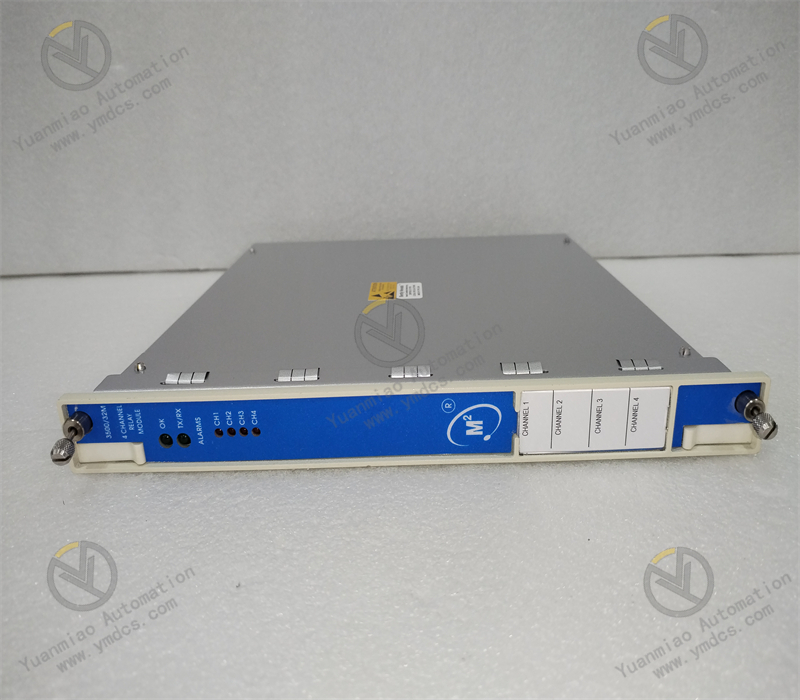
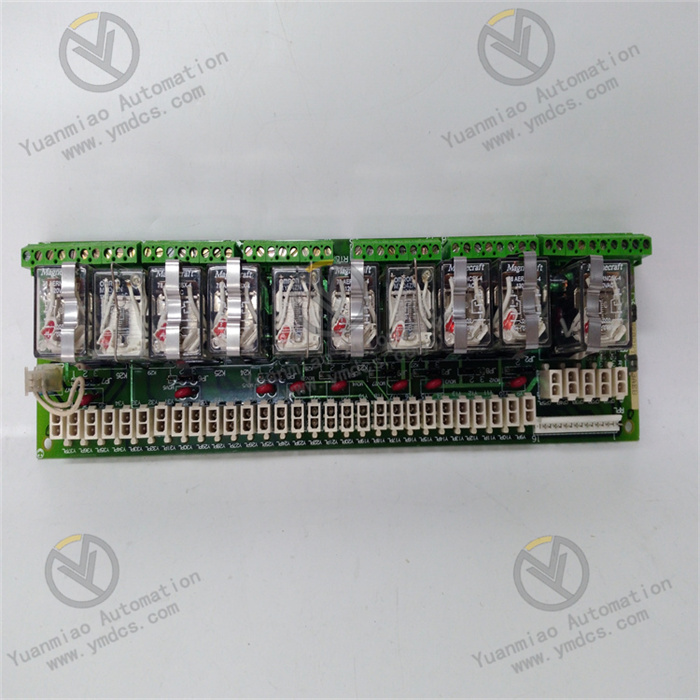
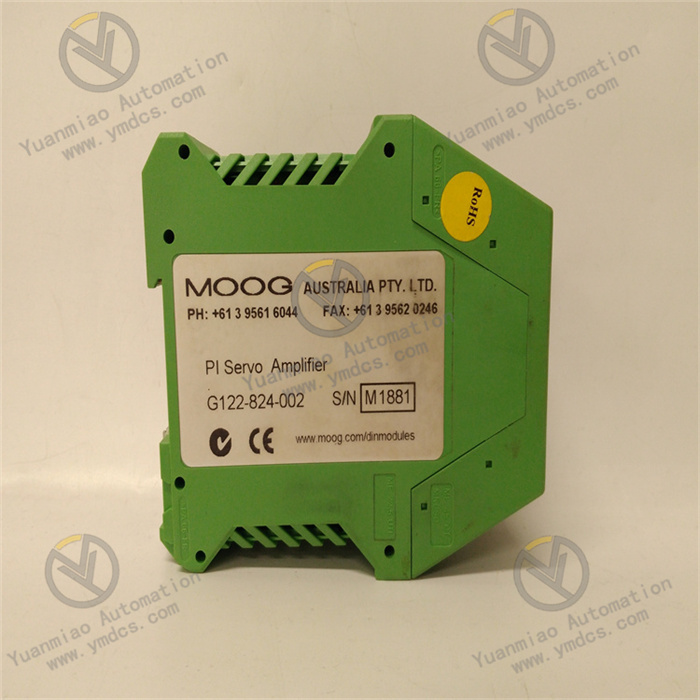
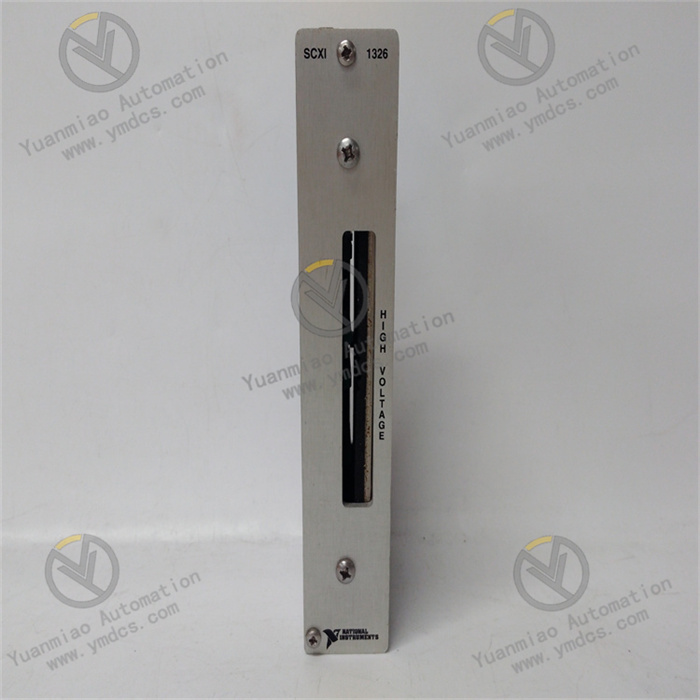
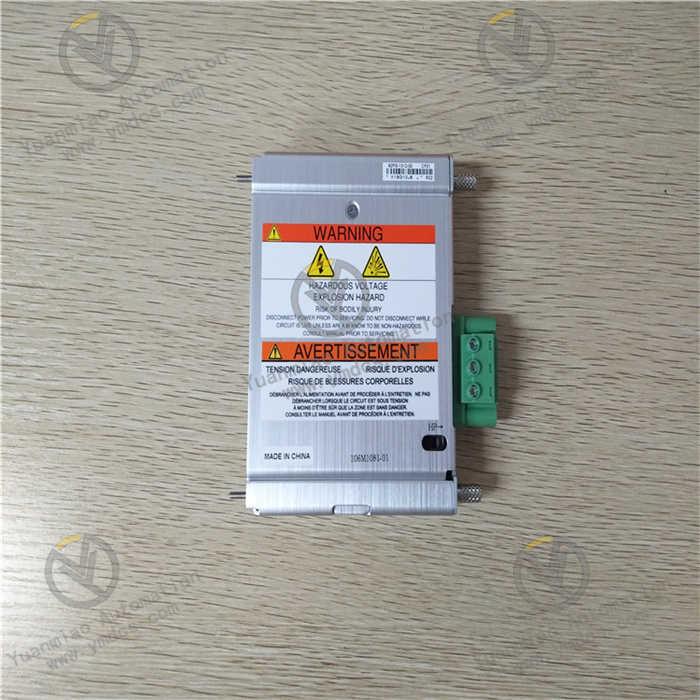
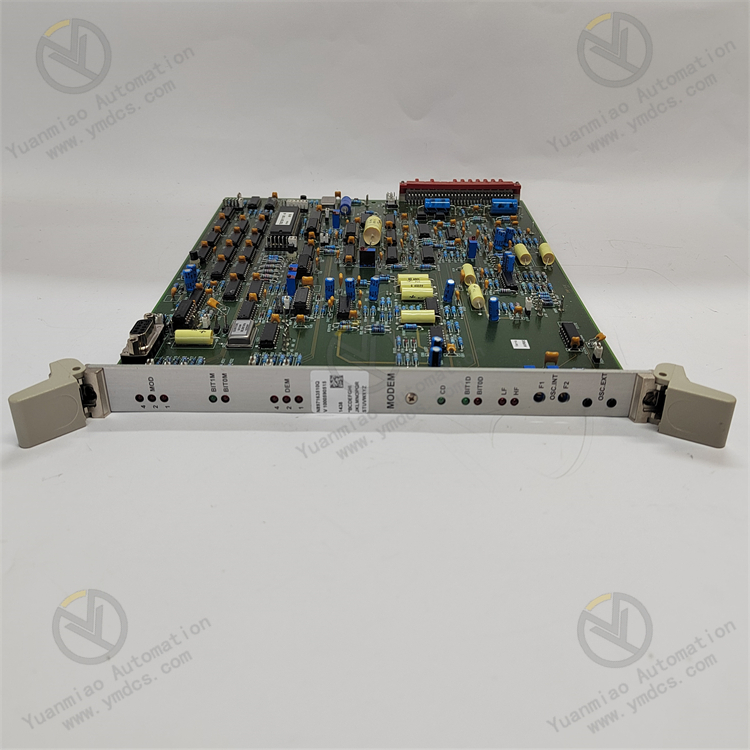
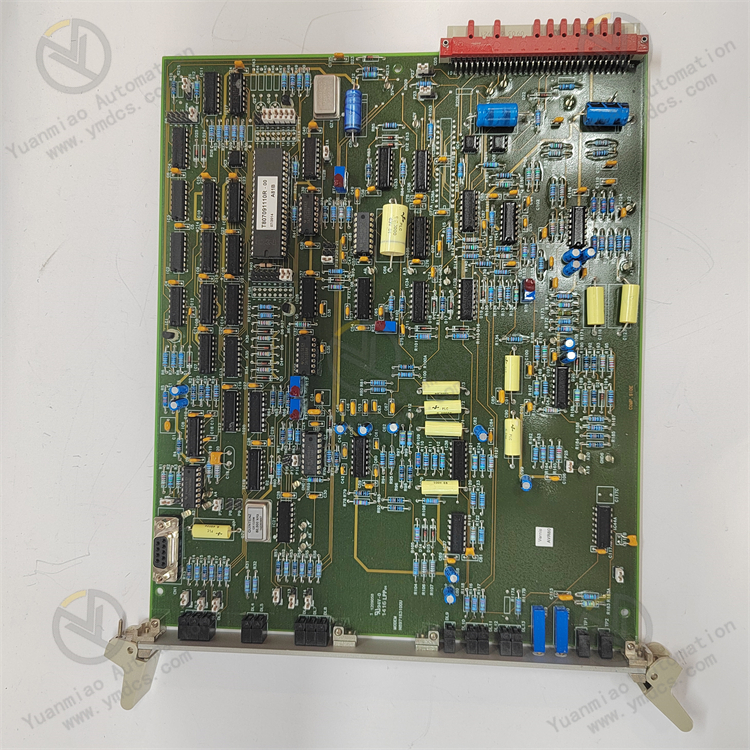
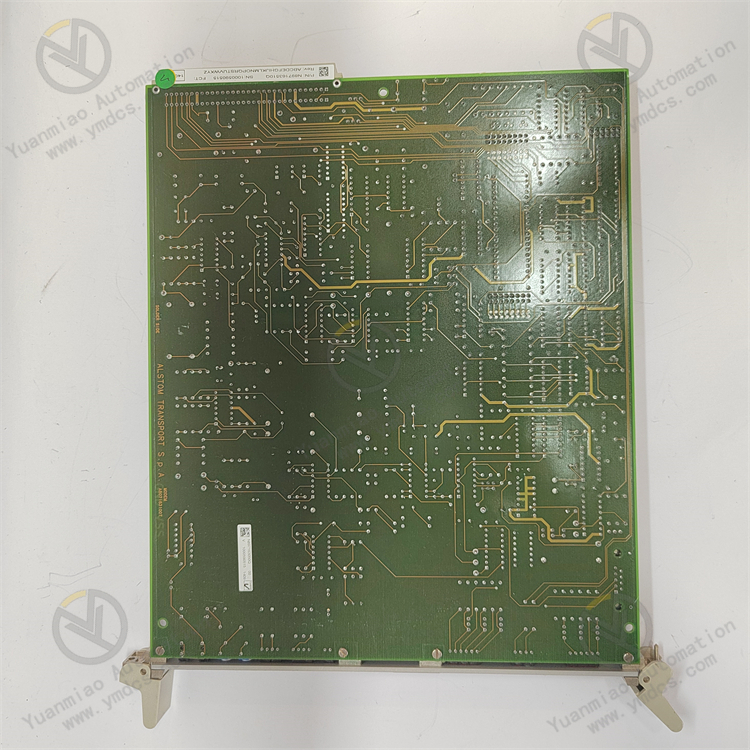
ALSTOM N897163510Q, N897163050Q and N897163100U form a matched complete set of industrial-grade MODEM modulation and demodulation communication modules. They serve as the core dedicated remote data transmission components for ALSTOM turbine control systems, combined-cycle unit DCS systems and power plant auxiliary equipment sequence control systems. The three models are integrated matched assemblies with divided responsibilities and coordinated operation, jointly realizing remote signal modulation, demodulation, data error correction, link encryption and stable long-distance transmission for unit control systems.
Designed specifically for harsh industrial communication conditions of thermal power plants, gas turbines and cogeneration units, this complete MODEM set replaces traditional civilian communication modules. It features industrial-grade anti-interference performance, high-fidelity data transmission, link self-recovery and long-distance transmission capability. It effectively resolves common problems including intense electromagnetic interference in power plants, long-line transmission attenuation, signal jitter, data packet loss and intermittent communication disconnections. It ensures stable and reliable real-time data interaction between the main control system, remote field devices, upper monitoring platforms and remote dispatching systems.
2. Technical Features
2.1 Industrial Modulation & Demodulation Technology for High-Fidelity Data Transmission
2.2 Three-Stage Signal Purification & Isolation with Superior Anti-Interference Performance
2.3 Stable Long-Distance Transmission for Wide-Scale Plant Networking
2.4 Native Full-Set Compatibility for Non-Destructive In-Situ Replacement
2.5 Intelligent Link Self-Check and Fault Self-Recovery
2.6 Rugged Industrial Construction for Long-Term Maintenance-Free Operation
3. Specification Parameters
3.1 Basic Complete Set Parameters
- Complete Set Model: N897163510Q + N897163050Q + N897163100U (MODEM Three-Piece Communication Kit)
- Manufacturer: ALSTOM
- Device Type: Industrial MODEM Modulation & Demodulation Communication Module Assembly
- Core Functions: Industrial data modulation, signal demodulation, data error correction, link isolation, long-line transmission, communication self-check, fault self-recovery, remote data interaction
- Compatible Systems: ALSTOM gas/steam turbine control systems, power plant DCS systems, remote monitoring systems, unit sequence control communication networks
- Application Scenarios: Fault replacement of unit communication modules, rectification of unstable communication links, upgrade of legacy communication systems, optimization of remote monitoring loops, industrial control network maintenance
3.2 Communication & Electrical Parameters
- Operating Power Supply: 24VDC wide-range industrial power supply, compliant with standard power specifications for power plant cabinets, low power consumption and stable operation
- Communication Standard: Exclusive industrial modulation/demodulation transmission protocol adapted to ALSTOM original bus communication logic
- Transmission Characteristics: High-fidelity data transmission, ultra-low bit error rate, resistance to long-line attenuation and electromagnetic crosstalk
- Protection Configuration: Multi-level electrical protection against overvoltage, overcurrent, surge, electrostatic discharge and pulse interference built-in
- Error Correction Mechanism: Hardware real-time data verification, bit error correction and lost packet retransmission to ensure communication reliability
- Link Performance: Supports hot stable operation of communication links, adapting to dynamic working conditions such as unit load variation and frequent start-stop
3.3 Environmental Operating Parameters
- Operating Temperature: 0℃ ~ +65℃, suitable for long-term enclosed high-temperature operation inside cabinets
- Storage Temperature: -40℃ ~ +85℃
- Operating Humidity: 5% ~ 95%RH (non-condensing), moisture resistant to prevent short circuits caused by dew formation
- Environmental Resistance: Dust-proof, moisture-proof, anti-corrosion, vibration-resistant, anti-aging, anti-electromagnetic interference
- EMC Compliance: Meets high-grade power industry EMC standards for complex strong electromagnetic environments in power plants
3.4 Structural & Maintenance Parameters
- Structure Form: Standard plug-in modular card design for ALSTOM original cabinets, installed as a complete matched set
- Mounting Method: Hot-swappable plug-in installation on cabinet slots, precise alignment, reliable contact and excellent vibration resistance
- Compatibility: Fully interchangeable with all ALSTOM control systems of the same architecture for non-destructive in-situ replacement of legacy modules
- Maintenance Features: Power-on self-test, communication diagnosis, fault self-recovery, no routine calibration or parameter configuration required
- Operational Advantages: Stable long-term operation without parameter drift, low failure rate, applicable to 24-hour continuous operation
4. Working Principle
After the whole ALSTOM MODEM communication module set is powered on, the three modules sequentially complete hardware initialization, loop self-inspection, interface calibration and communication link handshake. Normal periodic communication transmission will start once all self-tests are passed.
Raw data signals uploaded from remote or field equipment are first fed into the N897163050Q front-end processing board, which implements noise filtering, surge suppression, electrical isolation and impedance matching to eliminate line transmission interference and electromagnetic noise and output purified raw signals. Afterwards, the signals are transmitted to the N897163510Q main control MODEM board, where exclusive industrial modulation/demodulation algorithms execute signal encoding & modulation, data verification, error correction packaging and data reorganization in accordance with system protocol specifications. Finally, the N897163100U interface driver backplane completes signal driving and port adaptation to steadily upload data to the main control system.
Downlink control commands follow the reverse demodulation process: digital commands issued by the main control system are received by the interface board, demodulated and verified by the main control board, isolated and output by the front-end board, and accurately delivered to field execution equipment.
5. Application Scenarios
5.1 Core Communication Support for ALSTOM Turbine Unit Control Systems
5.2 Supporting Hardware for Remote Monitoring Links of Power Plant DCS Systems
5.3 Complete Set Maintenance & Replacement of Legacy Communication Modules
5.4 Communication Optimization & Renovation for Industrial Control Networks