Description
1. Overview
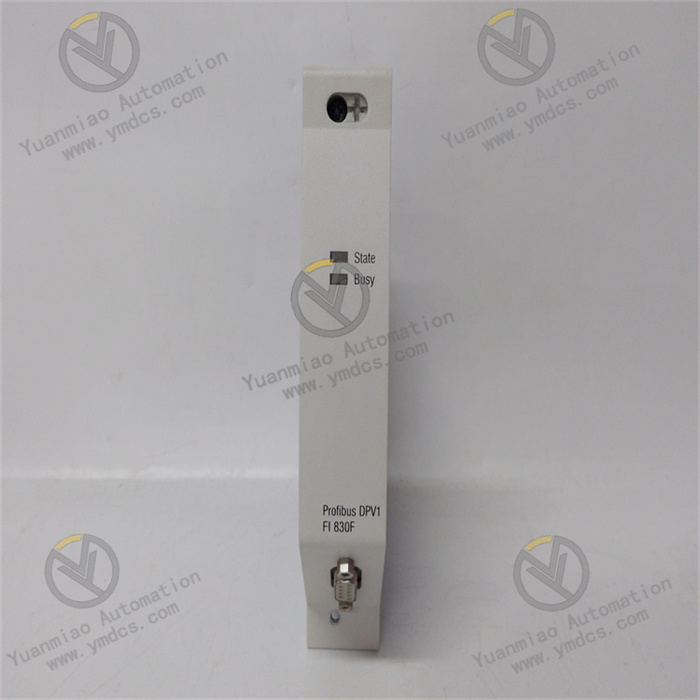
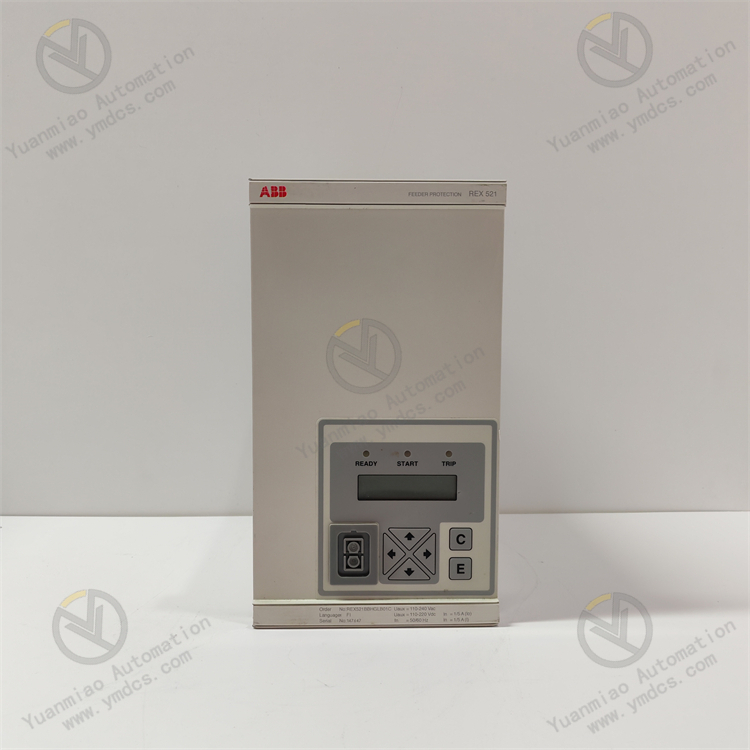
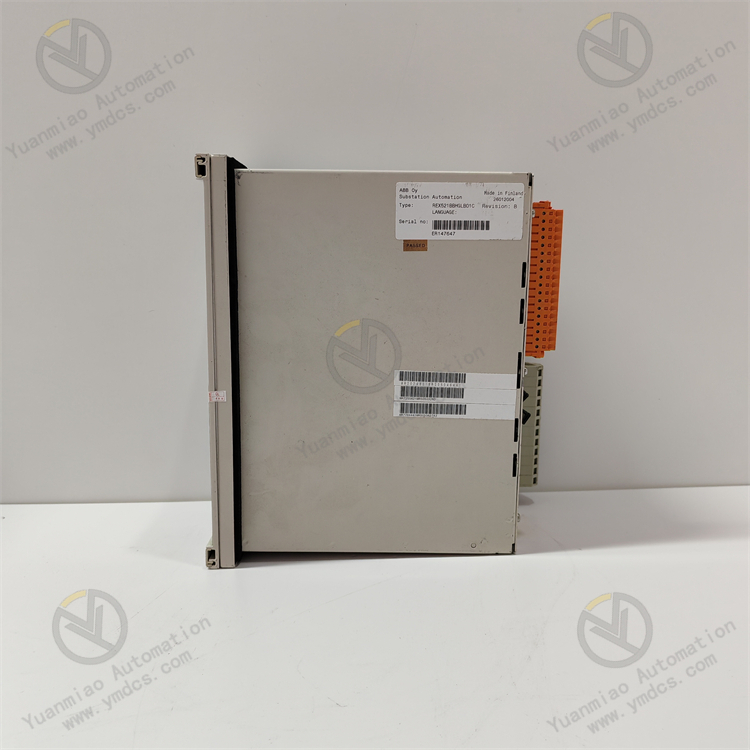
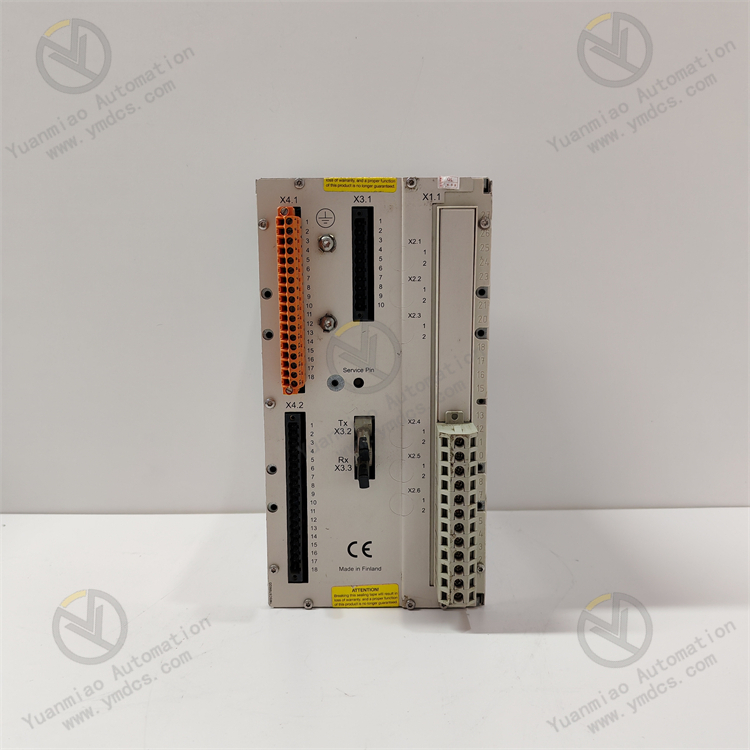
REX521BBHGLB01C is a high-end multi-functional numerical comprehensive protection relay of ABB REX521 series developed for medium-voltage power distribution systems. It serves as an intelligent protection device integrating feeder protection, motor protection, measurement & control, communication and fault oscillography. As an upgraded high-spec variant, this model is applicable to critical primary equipment including industrial medium-voltage feeders, auxiliary power outgoing feeders and high-power high-voltage motors, widely deployed in power substations, industrial & mining enterprises, petrochemical, metallurgical, coal chemical and other power supply and distribution systems. Fully compliant with international IEC relay protection standards, it integrates complete protection logics such as overcurrent, zero-sequence, earth fault, voltage abnormality, frequency abnormality, motor differential, long startup time and locked rotor. It independently completes fault judgment, precise tripping, alarm blocking, data acquisition and remote uploading, acting as core secondary protection equipment for safe and stable operation of medium-voltage systems.
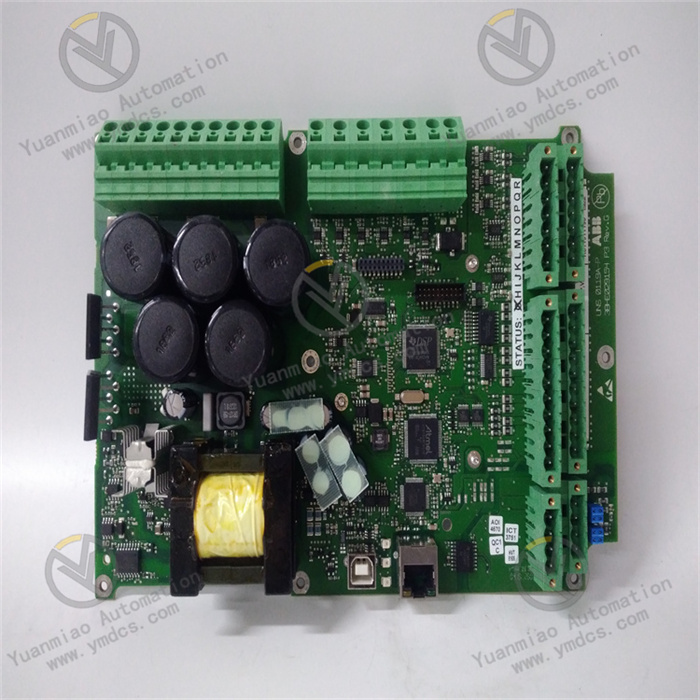
Adopting an industrial modular hardware architecture equipped with high-precision AD sampling units and dedicated protection arithmetic chips, the device features high sampling accuracy, fast operation speed and strong anti-interference capability. It supports multiple protection characteristics including definite time (DT) and inverse definite minimum time (IDMT), adaptable to distribution networks with various neutral earthing modes. Complete self-diagnosis, fault oscillography and event recording functions are embedded to accurately locate fault causes and trace operating conditions. Equipped with native LON bus and multi-protocol communication interfaces, it seamlessly connects to substation automation systems, SCADA and DCS platforms to realize remote monitoring, parameter setting, fault query and intelligent equipment maintenance, suitable for harsh operating scenarios including continuous industrial production and unattended substations.
2. Technical Features
2.1 Full-Functional Comprehensive Protection for Dual Scenarios of Feeders and Motors
The device integrates all essential protection functions for medium-voltage systems, configurable either as feeder line protection or dedicated high-voltage motor protection. The functions include three-phase stepped phase overcurrent protection, directional/non-directional earth fault protection, zero-sequence overcurrent protection, overvoltage/undervoltage protection, overfrequency/underfrequency protection, motor differential protection, long startup protection, locked rotor protection, thermal overload protection and negative-sequence overcurrent protection. It comprehensively covers various faults such as line short circuit, earth fault, voltage abnormality, motor overload, locked rotor, startup failure and winding overheating, with comprehensive and flexibly configurable protection logics.
2.2 High-Precision Sampling & Ultra-Fast Response Ensuring Superior Protection Reliability
Adaptive access of 1A/5A current transformers is supported, compatible with high-accuracy Class 5P and PX measurement CTs with high sampling linearity and negligible error. Built-in ratio restraint and harmonic restraint differential algorithms effectively prevent unwanted protection operation caused by inrush current and external fault interference. The operating time for severe internal faults is as low as 10~15 ms, while reliable blocking is implemented for external faults. Protection action is precise and rapid to cut off system faults promptly and avoid major accidents such as equipment burnout and system blackout resulting from fault escalation.
2.3 Multi-Characteristic Protection Logics Adaptable to Various Grid Earthing Modes
Protection logics support free switching between definite time (DT) and inverse definite minimum time (IDMT), compatible with multiple inverse time characteristic curves specified in national standards and IEC standards. It accommodates all types of medium-voltage distribution systems including unearthed, resistance-earthed, resonant-earthed and solidly earthed networks. Direction discrimination for earth faults helps effectively distinguish internal and external faults, solving misjudgment and missed judgment of earth faults in complex power grids and meeting protection configuration demands of power supply systems with different plant layouts and grid structures.
2.4 Complete Event Recording & Fault Oscillography Enabling Clear Fault Tracing
The device features large-capacity event recording and fault oscillography functions to permanently store protection operation events, switch status changes, parameter modification records and device abnormality logs. Complete waveform data including current, voltage, frequency and phase at fault moments are accurately recorded. Maintenance personnel can retrieve oscillography files via local panel or remote host to precisely analyze fault type, occurrence time and root cause, providing reliable data support for troubleshooting, equipment maintenance and system optimization.
2.5 Industrial-Grade Anti-Interference Design for Harsh On-Site Conditions
The whole device has passed rigorous EMC electromagnetic compatibility tests with outstanding immunity to harmonics, radio frequency interference, power surges and electrostatic discharge. It runs stably in strong electromagnetic environments with frequency converters, high-power motors and frequently switched equipment. Hardware adopts reinforced industrial construction with wide-temperature operation design, vibration resistance, dust-proof and moisture-proof performance. It operates 24/7 in high-temperature, high-humidity and interference-heavy cabinet environments of substations and factory distribution rooms with stable long-term performance and low failure rate.
2.6 Intelligent Communication Networking Adaptable to Smart Automation Systems
A native LON fieldbus communication interface is equipped, compatible with ABB substation automation systems and multiple general industrial communication protocols. It supports remote parameter setting, protection enable/disable, signal reset, remote measurement & status upload and remote switch closing/opening, seamlessly interfacing with MicroSCADA, third-party automation platforms and DCS control systems to satisfy modern operation requirements including unattended substations, remote maintenance and intelligent monitoring.
2.7 Comprehensive Self-Diagnosis & Fault Tolerance Ensuring Controllable Operation Safety
Full hardware self-test, sampling loop calibration and program initialization are automatically completed upon power-on. Hardware faults, sampling anomalies, communication interruption and power supply abnormality are monitored in real time throughout operation. An internal IRF (Internal Relay Failure) alarm is triggered automatically upon internal faults with abnormal logics blocked to avoid unwanted or failed protection operation. Non-volatile parameter storage and logic fault tolerance eliminate abnormal device restart induced by transient interference and voltage fluctuation, guaranteeing continuous and stable system operation.
3. Detailed Specification Parameters
3.1 Basic Hardware Parameters
| Item | Specification |
|---|
| Model | REX521BBHGLB01C |
| Manufacturer | ABB (Switzerland) |
| Device Type | Numerical comprehensive protection relay for medium-voltage feeders and motors |
| Application Scope | Protection, measurement and control of 6kV/10kV medium-voltage feeders, high-voltage high-power motors and auxiliary power distribution circuits |
| Core Functions | Line overcurrent protection, earth fault protection, motor differential protection, motor abnormal protection, voltage/frequency protection, measurement & data acquisition, fault oscillography, event recording, remote communication |
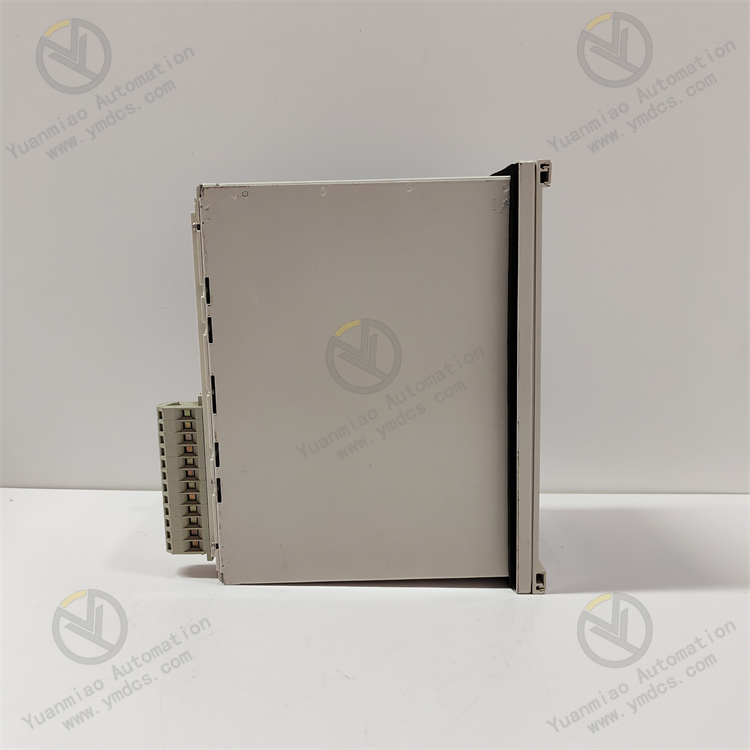
| Mounting Standard | 19-inch standard rack, embedded installation with 6U height |
| Compliance Standards | IEC international relay protection standards, industrial medium-voltage equipment protection codes |
| Operating Characteristics | 24-hour uninterrupted continuous operation, fast fault clearing, logic fault tolerance, parameter retention after power loss |
3.2 Electrical Input & Output Parameters
- Current Input: Compatible with conventional 1A/5A current transformers; applicable to Class 5P and PX high-precision CTs
- Protection Operating Speed: 10~15 ms for severe internal faults; reliable blocking for external faults
- Protection Characteristics: Switchable between multiple DT and IDMT curves
- Contact Rated Capacity: Max AC/DC 250V, suitable for standard tripping and alarm circuits
- Breaking Capacity of Control Circuits: Under L/R <40ms, breaking current is 1A / 0.25A / 0.15A for DC48V / 110V / 220V respectively
- Sampling Accuracy: Industrial high-precision AD sampling with extremely low steady-state measurement error and accurate protection threshold
3.3 Core Protection Function Parameters
- Phase Overcurrent: Three-stage directional/non-directional overcurrent (I>, I>>, I>>>), customizable time delay setting
- Earth Fault Protection: Three-stage zero-sequence earth protection with direction discrimination for various earthed power grids
- Voltage & Frequency Protection: Overvoltage, undervoltage, overfrequency, underfrequency and frequency anomaly blocking protection
- Motor-Specific Protection: Ratio restraint differential protection, harmonic restraint, long startup protection, locked rotor protection, negative-sequence overcurrent and thermal overload protection
- Auxiliary Functions: Auto-reclosing, fault blocking, alarm latching, remote reset and programmable logic
3.4 Communication Parameters
- Communication Interface: Built-in LON bus port
- Communication Protocol: Compliant with LAG (LON Application Guideline); compatible with ABB MicroSCADA and mainstream automation platforms
- Communication Functions: Remote parameter setting, protection switching, remote measurement/status upload, remote control operation, fault log reading and firmware upgrade
- Networking Capability: Multi-device networking supporting centralized monitoring and maintenance of distribution rooms and substations
3.5 Environmental & Mechanical Parameters
- Operating Temperature: -40 ℃ ~ +70 ℃ for wide-temperature operation of industrial distribution rooms
- Storage Temperature: -40 ℃ ~ +85 ℃ for transportation and long-term idle storage
- Operating Humidity: 5%~95% RH (non-condensing) adaptable to high-humidity industrial environments
- EMC Performance: High-grade industrial EMC certification with immunity to static electricity, surges, radio frequency and harmonic interference
- Mechanical Performance: Resists industrial vibration and mechanical shock; dust-proof, moisture-proof with stable long-term performance
- Ingress Protection: Meets indoor industrial protection standard after cabinet installation for long-term distribution room operation
4. Working Principle
After power-on, the ABB REX521BBHGLB01C protection relay automatically completes hardware self-test, sampling loop calibration, program initialization and communication link matching, entering normal monitoring and protection operation upon passing self-inspection. Via external current and voltage transformers, it collects raw electrical parameters including three-phase current, three-phase voltage, zero-sequence current and system frequency of medium-voltage circuits in real time. After high-precision AD conversion, data is sent to the core arithmetic chip for data analysis and logic judgment.
During operation, collected data is continuously compared with preset protection thresholds, and fault judgment is executed according to configured DT/IDMT logics. When faults such as phase short circuit, earth fault and overload occur on lines, or motor faults including locked rotor, long startup time, winding overheating and differential abnormality are detected, the device triggers protection action rapidly, outputs trip contact signals to open circuit breakers and isolate faulty circuits, accompanied by local alarms and recording of fault oscillography and event logs. Harmonic restraint and ratio restraint algorithms reliably block interference signals such as external through faults and magnetizing inrush current to avoid unwanted protection operation.
Full-time hardware self-diagnosis and condition monitoring are implemented to identify hidden risks including sampling abnormality, communication loss, power failure and hardware damage. An IRF internal fault alarm is triggered with abnormal protection logics blocked to guarantee fault-tolerant operation of the protection system. Bidirectional communication with upper monitoring systems is realized through the LON bus to upload electrical quantities, switch status, protection actions and fault codes in real time while receiving remote setting, reset and remote control commands, achieving integrated intelligent management of medium-voltage distribution circuit protection, measurement, communication and maintenance.
5.1 Medium-Voltage Distribution Feeder Protection
Widely applied to incoming/outgoing feeders of 6kV/10kV substations and plant distribution feeders, it realizes fast protection and tripping against line phase short circuit, earth fault, overload and voltage abnormality, effectively isolating distribution system faults and preventing fault propagation to ensure stable operation of power supply systems in factories and substations.
5.2 Special Protection for High-Voltage High-Power Motors
Applicable to high-power motors such as high-voltage fans, water pumps and compressors in petrochemical, metallurgical, mining and power industries. Dedicated logics including differential protection, locked rotor protection, long startup protection and thermal protection accurately prevent motor burnout, shaft damage and startup failure, serving as core protection equipment for safe motor operation.
5.3 Safety Protection of Auxiliary Power Systems of Power Plants
Used for protection of auxiliary power circuits in power plants and on-site self-generating stations, including outgoing feeders of auxiliary transformers and power supply loops of auxiliary equipment. It takes care of both line fault protection and auxiliary machinery protection to guarantee continuous stable operation of plant auxiliary systems and avoid main system shutdown caused by auxiliary equipment faults.
![]()