Description
1. Product Overview
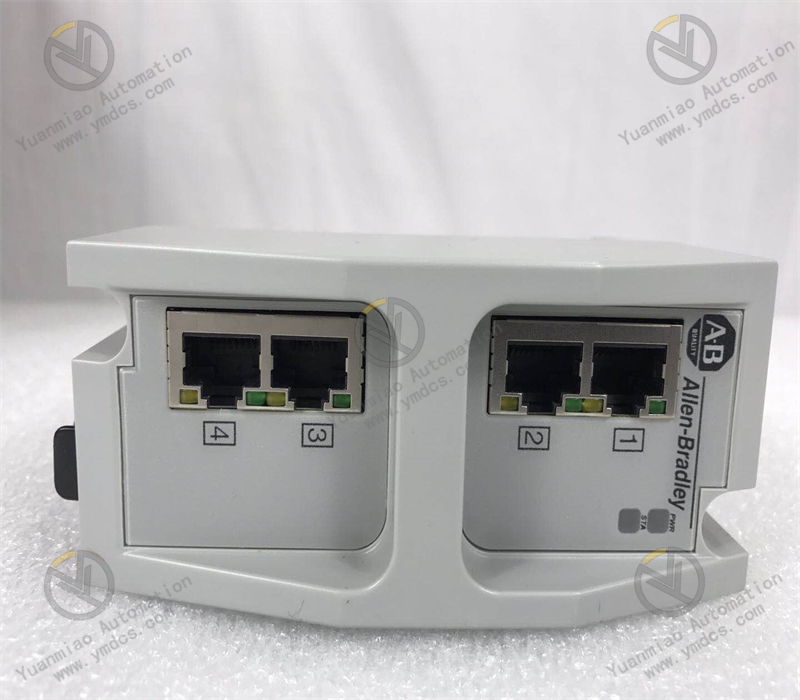
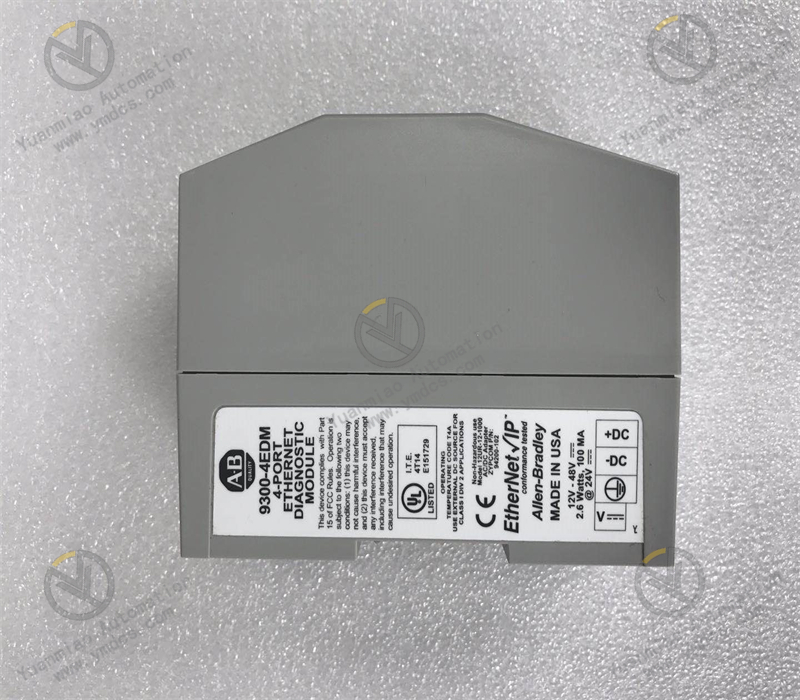
Allen‑Bradley 9300‑4EDM is an industrial‑grade 4‑port Ethernet diagnostic and remote‑operation module within Rockwell Automation 9300 series, specially‑designed supporting hardware for industrial automation networks, comparable to the 1783‑EMS04T industrial switch‑diagnostic unit. Equipped with four independent 100‑Mbps Ethernet ports, this module integrates network data forwarding, link diagnosis, status monitoring, remote access and troubleshooting functions. It is engineered to satisfy high‑reliability, operable and traceable networking requirements of industrial control networks. Natively compatible with the full lineup of Rockwell‑Automation PLCs, industrial control systems and Ethernet‑based field devices, it supports mainstream industrial protocols including EtherNet/IP, TCP/IP and Modbus. It enables hierarchical isolation of control networks, centralized device monitoring, remote commissioning and fast fault localization. With its compact DIN‑rail mounting structure, wide‑temperature operating capability and high‑anti‑interference network performance, it is widely deployed in intelligent manufacturing, power‑energy, water‑treatment, oil‑gas‑chemical, metallurgy and other industrial sectors. Serving as a core component for industrial‑Ethernet optimization, legacy‑network renovation and remote‑maintenance infrastructure construction, it supports 7×24‑hour non‑stop stable factory‑network operation.
2. Core Technical Parameters
2.1 Basic Specifications
- Model: 9300‑4EDM
- Product Series: Allen‑Bradley 9300 Industrial Network‑Diagnostic Series
- Product Type: 4‑port Industrial Ethernet Diagnostic & Communication Module
- Compatible Systems: Full‑range Rockwell‑Automation automation‑control systems and standard industrial Ethernet devices
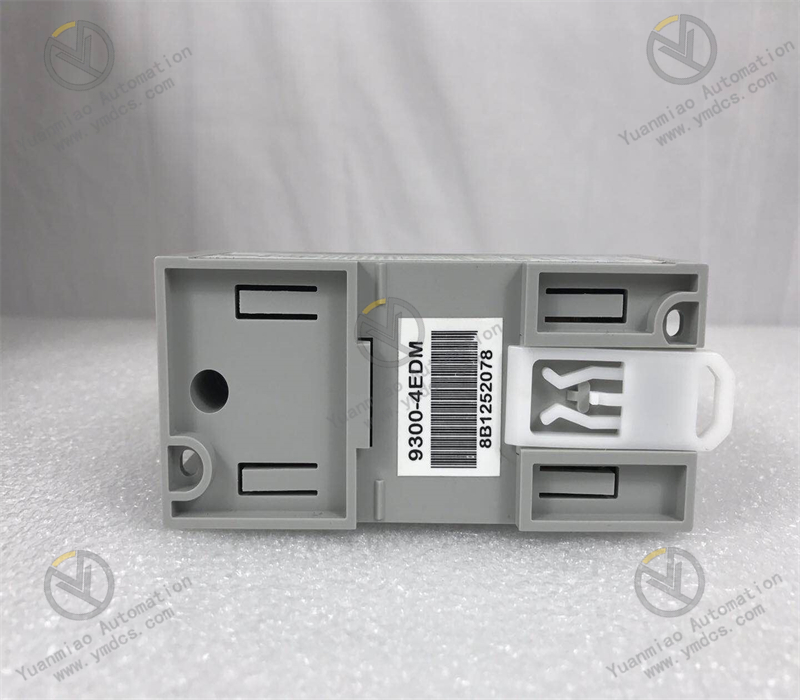
- Mounting Method: Standard DIN‑rail mounting, suitable for standardized layout inside industrial control cabinets
- Net Weight: 0.26 kg, lightweight compact structure
2.2 Network & Communication Parameters
- Port Configuration: 4 independent RJ45 electrical Fast‑Ethernet ports
- Transmission Speed: 10/100 Mbps auto‑negotiation, auto‑sensing full‑duplex / half‑duplex modes
- Supported Protocols: EtherNet/IP, TCP/IP, UDP, Modbus TCP and other mainstream industrial network protocols
- Network Standard: Compliant with IEEE 802.3 industrial‑Ethernet specifications and industrial networking norms
- Data Forwarding: Low‑latency high‑speed packet forwarding, free of packet loss and broadcast‑storm crosstalk
2.3 Electrical & Power‑consumption Parameters
- Power Supply: Standard industrial DC power supply, matching common power‑supply schemes of industrial cabinets
- Power Consumption: ≤ 5 W, low‑power design for energy‑saving stable long‑run operation
- Electrical Protection: Built‑in surge and over‑voltage protection, tolerating industrial‑grid voltage fluctuations and transient surges
- Status Indication: On‑board independent LED indicators showing power status, port link, data transmission‑reception and link‑fault alarms in real‑time
2.4 Environmental & Structural Parameters
- Operating Temperature: ‑20 ℃ ~ +60 ℃, suitable for high‑temperature workshop environments, thermostatic enclosed cabinets and low‑temperature storage scenarios
- Storage Temperature: ‑25 ℃ ~ +70 ℃, meeting requirements for long‑distance transportation and long‑term storage
- Operating Humidity: 5%‑95% RH, non‑condensing, adapted to humid and dusty industrial‑site conditions
- EMI‑resistance Level: Compliant with EN 50155 and industrial EMC standards, resisting electromagnetic interference from frequency converters, high‑voltage equipment and high‑power motors
- Dimensions: 90 mm × 50 mm × 100 mm, compact footprint occupying minimal cabinet space, ideal for dense‑wiring layouts
3. Product Functions and Core Advantages
3.1 Core Product Functions
- Multi‑port Industrial‑network Forwarding: Four independent Ethernet ports operate in parallel to connect multiple field‑side equipment such as PLCs, HMI touch‑screens, variable‑frequency drives, instruments and remote‑I/O modules. Centralized networking and reliable inter‑device data exchange are achieved with high‑efficiency cross‑port data forwarding.
- Comprehensive Network‑link Diagnosis: Real‑time monitoring of link status, transmit‑receive anomalies, network latency and packet‑loss events on every port. It automatically detects cable faults, port failures, device offline status and network congestion, enabling precise localization of network‑related breakdowns.
- Remote‑access & Maintenance Commissioning: Supports remote industrial‑network access for real‑time network‑condition viewing, on‑site‑device debugging, parameter reading and system troubleshooting. On‑site hardware disassembly is no longer required, greatly improving maintenance efficiency.
- Network Isolation & Storm Suppression: Provides basic network‑segmentation and broadcast‑storm‑suppression capability to stop abnormal broadcast and multicast traffic from spreading across the whole network. It prevents faults on one single device from affecting the rest of the control system and ensures stable network performance.
- Device‑status Monitoring & Traceability: Continuously records port operation logs, network‑anomaly history and online‑offline device status. Fault trace‑back analysis is supported, delivering data evidence for network‑optimization work, system inspections and process commissioning.
3.2 Core Product Advantages
- Seamless Original‑equipment Compatibility, Zero Additional Networking‑adaptation Cost: Genuine Rockwell‑Automation hardware natively integrated with Allen‑Bradley control platforms and EtherNet/IP ecosystem. Barrier‑free protocol interoperability removes the need for extra protocol‑conversion devices, delivering plug‑and‑play deployment.
- All‑in‑one Diagnostic Design Doubles Maintenance Efficiency: Combines switch functionality, condition monitoring, fault diagnosis and remote maintenance in one single unit, replacing basic standalone industrial switches. It enables visualized network management, speeds‑up detection of hidden network faults and shortens unplanned downtime.
- Wide‑temperature Stable Operation for Harsh Working Conditions: Extended industrial‑temperature operating range together with high‑grade EMC shielding delivers long‑term uninterrupted service without disconnection or freeze‑up in dusty, humid, high‑EMI and temperature‑fluctuating workshop environments.
- Light‑weight Compact Layout Saves Cabinet Space: Miniature DIN‑rail footprint and ultra‑low power consumption fit densely‑packed control‑cabinet layouts, supporting tidy wiring and reducing internal cabinet heat‑dissipation pressure.
- Strong Network Fault‑tolerance & High System Reliability: Ports operate independently without mutual interference. Faults occurring on one port or connected field device will not disrupt other ports or the whole network, effectively lowering system‑shutdown risks triggered by single‑point network failures.
- High Versatility for New‑build and Retrofit Projects: Interoperable with both legacy and modern industrial‑Ethernet hardware. It is suitable for networking of newly‑built automated production‑lines as well as upgrades of old control networks, diagnostic‑function expansion and local‑to‑remote maintenance‑system transformation.
4. Typical Application Scenarios
- Intelligent‑manufacturing Production‑lines: Industrial‑Ethernet networking, inter‑device communication and network‑diagnosis maintenance for automated assembly‑lines, robot work‑cells and smart‑production stations
- Power‑energy Industry: Control‑network deployment, remote device‑commissioning and network monitoring for power‑plant auxiliary‑control systems, substation automation and new‑energy power stations
- Water‑treatment Industry: Centralized industrial‑network deployment, link‑condition monitoring and remote fault‑troubleshooting for sewage‑treatment, potable‑water, water‑reuse and purified‑water systems
- Oil‑gas & Chemical Industry: Control‑network segmentation, network‑stability optimization and remote‑maintenance management for refinery units, oil‑gas gathering‑transport pipelines and fine‑chemical production‑facilities
- Metallurgy & Building‑materials Industry: Multi‑device Ethernet networking, network‑fault early‑warning and root‑cause tracing for high‑temperature kilns, rolling‑production‑lines and building‑material manufacturing lines
- Industrial‑network Retrofit Projects: Legacy industrial‑Ethernet upgrade, addition of network‑diagnostic capabilities, migration from on‑site‑only maintenance to remote‑operation architecture, network‑stability improvement and system expansion
5. Installation, Operation and Maintenance Guidelines
- Install the unit on a standard DIN rail. Cut off cabinet power supply before installation, clip the module firmly onto the rail and fasten the lock to prevent vibration‑induced dropping or bad electrical contact.
- Complete wiring strictly in accordance with industrial network specifications. Deploy industrial‑grade shielded Ethernet cables, clearly assign connected equipment for each port and avoid mis‑wiring which may cause IP conflicts and signal crosstalk.
- Wire the power‑supply circuit properly to guarantee stable DC voltage. Prevent voltage fluctuations, loose connections and short‑circuits that could trigger repeated module rebooting and network outages.
- Mount the module inside a dry, dust‑proof and well‑ventilated control cabinet. Keep it away from high‑heat sources, corrosive vapors and strong‑EMI equipment to avoid accelerated aging caused by heat accumulation and dust buildup.
- Reasonably plan IP‑address assignments and network sub‑nets for connected devices during commissioning. Optimize data‑transmission strategies to eliminate IP conflicts and broadcast storms for efficient stable network operation.
- During routine maintenance, inspect port‑link health, transmit‑receive statistics and fault logs via onboard LEDs and background network‑monitoring software. Proactively resolve hidden risks such as network latency, packet loss and unexpected device offline events.
- Replace failed units exclusively with original modules of the identical model. Re‑configure network parameters, IP settings and communication topology after replacement to ensure consistent network‑wide communication logic and stable inter‑device connectivity.