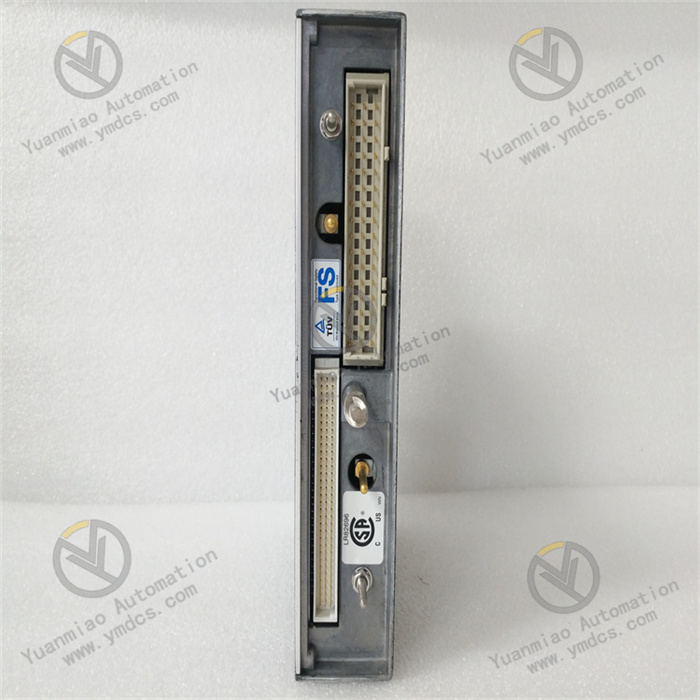
Description
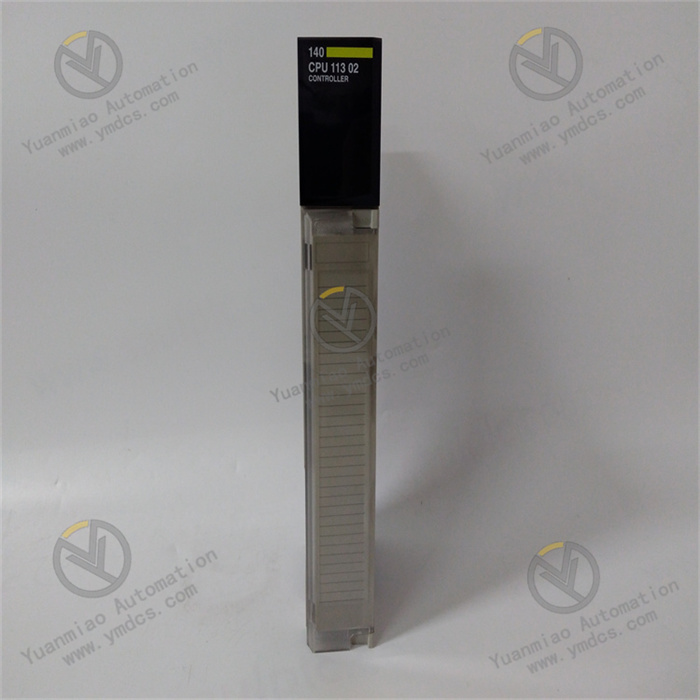
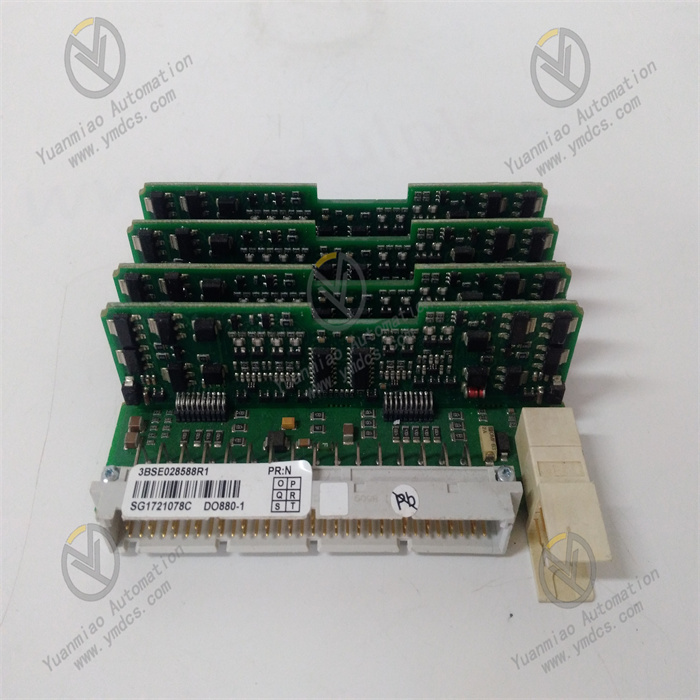
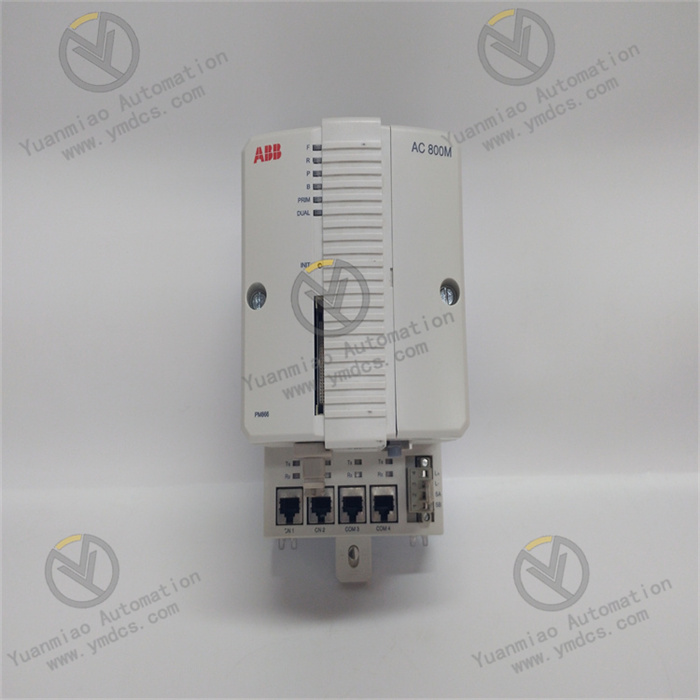
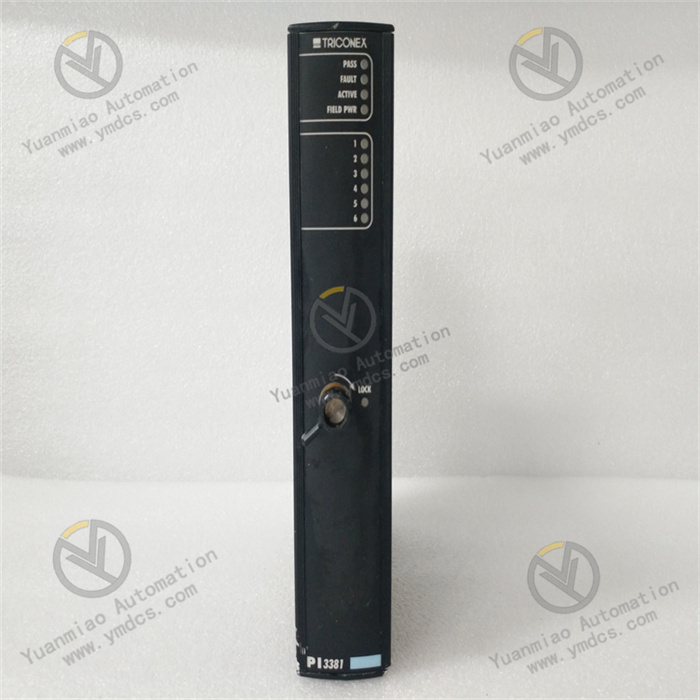
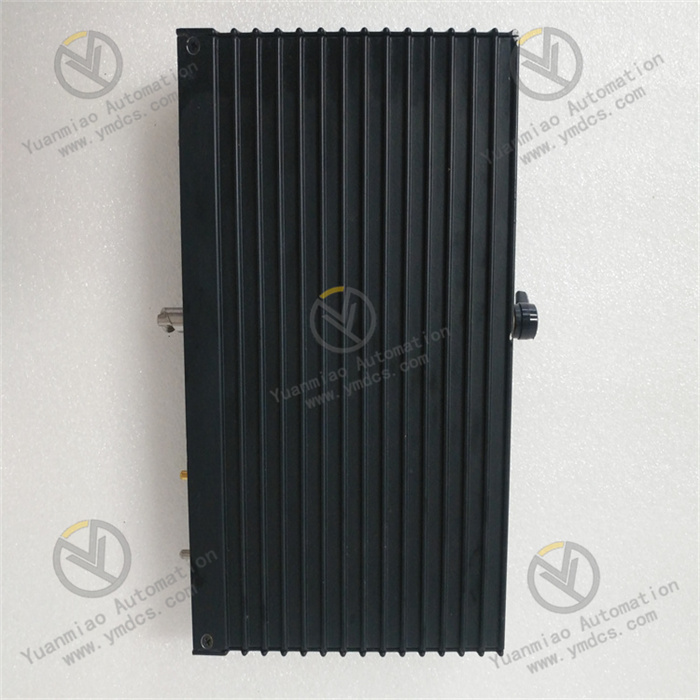
Triconex 3381
I. Overview
Triconex 3381 is a high-performance fault-tolerant Programmable Logic Controller (PLC) module. It serves as the core control unit for industrial critical control and safety systems, specially designed for process automation scenarios with extremely high requirements on reliability and safety, such as petrochemical, power generation and metallurgy industries. It is a key component to ensure the safe and stable operation of industrial production.
The module supports wide-range power input of 90–264 VAC with automatic redundant power switching. It integrates 32 digital input channels and 8 analog input channels, supporting 0–10V voltage input and 4–20mA current input. It is compatible with multiple industrial communication protocols including Modbus TCP/IP, OPC and DNP3, and adopts optoelectronic isolation technology to enhance system safety.
II. Product Parameters
| Parameter Name | Specifications |
|---|---|
| Model | Triconex 3381 |
| Manufacturer | Triconex |
| Product Type | High-performance Fault-tolerant Programmable Logic Controller (PLC) Module |
| Core Functions | Signal acquisition, logic operation, safety interlock control, real-time data transmission, fault self-diagnosis, redundant power switching |
| Power Supply Specifications | Input voltage: 90–264 VAC; supports redundant power supply design with automatic switching |
| I/O Channels | 32 digital input channels; 8 analog input channels |
| Analog Input Specification | Voltage range: 0–10V; Current range: 4–20mA |
| Communication Protocols | Supports Modbus TCP/IP, OPC, DNP3 and other standard industrial protocols |
| Fault Tolerance & Diagnosis | TMR (Triple Modular Redundancy) architecture; self-diagnosis every 60 seconds, fault switching time ≤ 5 seconds |
| Programming Standard | Supports IEC 61131-3 standard programming languages (Ladder Diagram, Function Block Diagram, etc.) |
| Scalability | Modular design, expandable I/O modules to adapt to systems of different scales |
| Mounting Method | DIN rail mounting for easy deployment, compatible with standard industrial installation scenarios |
| Compatible Devices | Industrial sensors, actuators, safety interlock equipment, DCS systems, industrial monitoring equipment, etc. |
| Core Advantages | High reliability, strong fault tolerance, safety compliance, good scalability, flexible programming, remote management support |
III. Technical Features
- High-reliability Fault-tolerant DesignAdopts TMR (Triple Modular Redundancy) architecture with powerful fault tolerance. It performs automatic self-diagnosis every 60 seconds with fault switching time ≤ 5 seconds, effectively avoiding system shutdown caused by single-point failure, ensuring continuity of industrial production and adapting to safety-critical control scenarios.
- Wide-range Redundant Power SupplySupports 90–264 VAC wide voltage input to adapt to on-site power fluctuation. The redundant power design enables automatic switching, ensuring normal module operation even if one power supply fails, further improving power supply stability and system reliability.
- Powerful I/O & Signal Processing CapabilityIntegrates 32 digital input channels and 8 analog input channels to process both digital and analog signals simultaneously. It supports 0–10V voltage and 4–20mA current input, accurately collecting operating signals of various on-site equipment and providing reliable data support for control logic operation.
- Multi-protocol Communication & Remote ManagementCompatible with Modbus TCP/IP, OPC, DNP3 and other standard industrial protocols, enabling seamless integration into existing industrial automation systems and real-time data interaction with DCS and monitoring devices. Equipped with Ethernet interface to support remote monitoring, parameter configuration and firmware upgrade, reducing on-site maintenance costs.
- Flexible Programming & ExpandabilitySupports IEC 61131-3 standard programming languages including Ladder Diagram and Function Block Diagram, simplifying control logic development and commissioning. Modular design allows flexible I/O expansion according to system scale without modifying existing equipment, protecting investment and meeting control demands of different scenarios.
- Industrial-grade Environmental AdaptabilityBuilt with high-quality industrial-grade components, it features excellent anti-electromagnetic interference, high temperature resistance and moisture resistance, enabling stable continuous operation in harsh industrial environments and meeting long-term operation requirements of demanding industries such as petrochemicals and metallurgy.
- Convenient Installation & MaintenanceDIN rail mounting enables simple and fast deployment compatible with standard industrial racks. The built-in self-diagnosis function timely detects and feeds back faults, helping maintenance personnel quickly locate and troubleshoot problems, shorten downtime and improve maintenance efficiency.
IV. Application Scenarios
1. Petrochemical Industry
Widely used in key petrochemical production links such as reactor temperature and pressure control, realizing Emergency Shutdown (ESD) and safety interlock functions to prevent production safety risks. It is also applied in pipeline transportation and distillation tower control. With high reliability and fault tolerance, it ensures continuous and safe chemical production and avoids production accidents and economic losses caused by equipment failure.
2. Power Generation Industry
Suitable for thermal power, hydropower, nuclear power and other power generation scenarios. It monitors the operating status of generator sets, optimizes grid stability, collects real-time operating parameters of power equipment and executes control logic to prevent grid outage caused by equipment failure. It can also be integrated into power system safety interlock systems to improve the safety and stability of power production and ensure reliable power supply.
3. Metallurgy Industry
Applied in steel and non-ferrous metal smelting production scenarios. It optimizes production line sequence control, realizes precise control and coordinated operation of smelting equipment, improves production efficiency and reduces equipment wear. It also monitors and controls parameters such as temperature and pressure during metallurgical processes to ensure compliance with smelting standards and guarantee product quality.
4. Papermaking & Other Industrial Fields
Adapted to production line control in the papermaking industry, realizing precise adjustment of speed, tension and other parameters during paper production to improve production efficiency and paper quality. It can also be applied to other industries requiring high control reliability such as building materials and pharmaceuticals, providing safe and stable control support for production processes.
5. Safety System Field