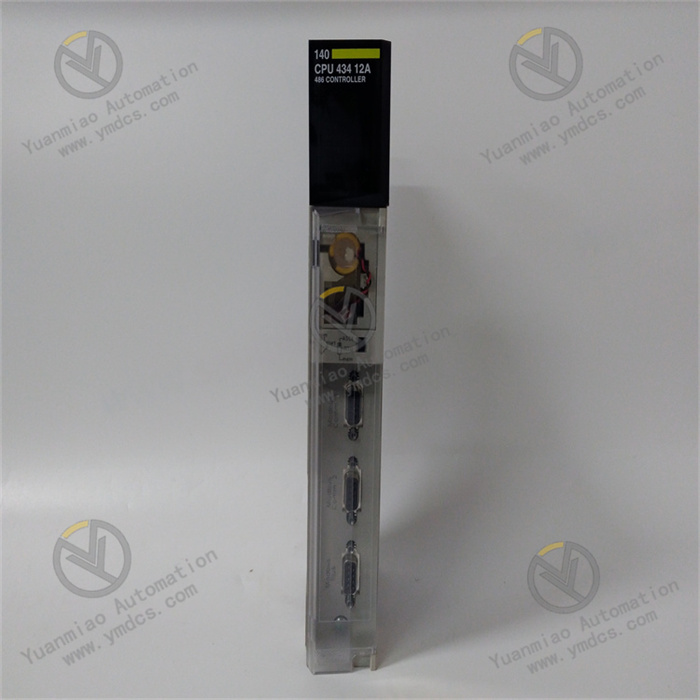
Description
ABB UNS0017A-P,V1 HIEE305106R0001
1. Product Description
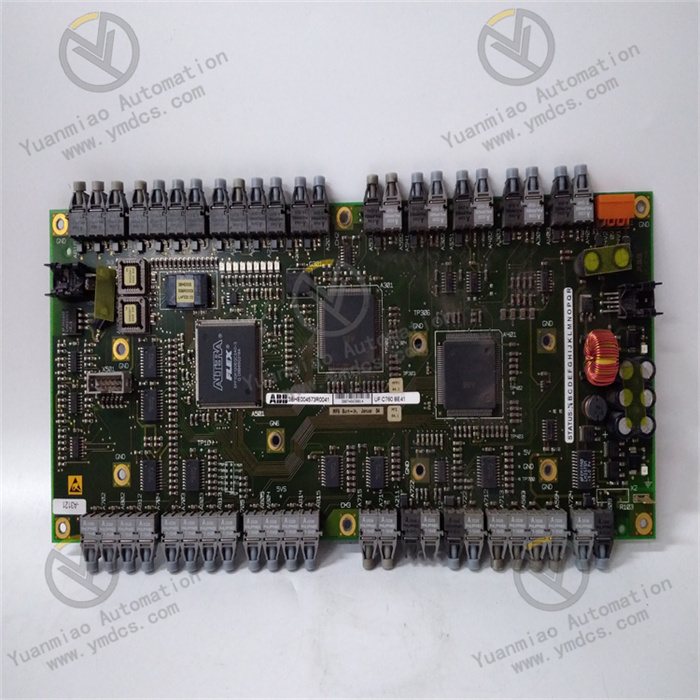
ABB UNS0017A‑P, V1 (Order No. HIEE305106R0001) is a dedicated firing control module for UNITROL F series excitation systems, also known as crowbar firing board. As a core control component of synchronous generator excitation systems, it is designed for mainstream excitation types such as static self‑shunt excitation. It is responsible for regulating generator excitation current and stabilizing terminal voltage, serving as a key unit to ensure controllable reactive power and reliable operation of the excitation system.
The module is suitable for harsh power generation environments including hydroelectric, thermal, nuclear power plants and large‑scale industrial captive power plants, and is widely used in various synchronous generator sets. Its core function is to drive exciters or static excitation systems through silicon‑controlled rectifiers (SCR) or IGBTs to achieve precise control of excitation current, while providing comprehensive protection to prevent generator failures caused by abnormal excitation systems.
2. Technical Specifications
| Parameter Category | Details |
|---|---|
| Model / Order No. | Model: UNS0017A‑P, V1; Order No. HIEE305106R0001; Type: Firing control module (crowbar firing board) for UNITROL F series excitation systems |
| Manufacturer | ABB (compliant with IEC 61000 EMC standards, RoHS/REACH certified, full‑process quality inspection, suitable for excitation systems of various synchronous generator sets) |
| Core Functions | 1) Voltage regulation: Maintains constant generator terminal voltage, supporting multiple control modes such as constant power factor (PF) and constant reactive power (Q);2) Excitation current control: Drives exciters or static excitation systems via SCR/IGBT to achieve precise regulation of excitation current;3) Comprehensive protection: Includes overvoltage (OV), undervoltage (UV), overexcitation (OEL), underexcitation (UEL) protection, V/Hz limitation, and excitation winding overheating protection;4) Communication & monitoring: Supports Modbus, Profibus, IEC 61850 protocols for real‑time monitoring of excitation voltage, current, power factor and other key parameters;5) System compatibility: Compatible with UNITROL F series excitation controllers, supports hot‑swap replacement, suitable for self‑shunt excitation systems;6) Easy maintenance: Built‑in self‑diagnosis for fast fault location and improved O&M efficiency. |
| Electrical Parameters | Input voltage: DC 24V±15% (for low‑voltage DC power supply of excitation systems);Output firing signal: SCR/IGBT trigger signal, firing accuracy ±1°;Response time: ≤50ms (excitation current regulation response);Operating current: ≤100mA;Insulation resistance: ≥100MΩ (500V DC);Dielectric strength: ≥2500V AC/1min (between input/output/power). |
| Communication / Interface | Main communication: Supports Profibus DP, Modbus RTU or ABB S100 bus for data exchange with DCS and excitation controllers;Local interface: Front pluggable spring terminals (AWG 22~14) for power input, firing signal output and fault alarm wiring;Plug‑in terminal design for easy on‑site wiring and maintenance. |
| Physical Characteristics | Mounting: Standard 3U rack mounting (DIN 41494), suitable for UNITROL F system cabinets;Dimensions: 280mm×180mm×190mm, compact design to save cabinet space;Ingress protection: IP20 (module body, for cabinet installation);Housing: Industrial‑grade flame‑retardant material, vibration and shock resistant;Net weight: 0.8kg, original sealed packaging. |
| Environmental Adaptability | Operating temperature: -20℃~+60℃ (covers extreme temperatures in power plant rooms, suitable for outdoor and indoor equipment rooms);Storage temperature: -40℃~+85℃;Relative humidity: 5%~95% (non‑condensing);Vibration resistance: 2g (10~500Hz), compliant with IEC 60068‑2‑6;EMC: Level 4 certification, strong immunity to electromagnetic interference, suitable for harsh EMI environments with inverters and high‑power motors. |
| Reliability | MTBF ≥ 600,000 hours;Supports hot‑swap replacement, maintenance downtime ≤ 10 minutes;Comprehensive self‑diagnosis for real‑time operation monitoring and reduced troubleshooting;1‑year warranty, brand‑new original product, suitable for emergency repair and routine maintenance;Adaptable to generator sets ranging from several hundred kW to 1000MW. |

3. Functions & Features
(1) Precise Excitation Control for Unit Stability
- High‑precision voltage regulation: Maintains constant generator terminal voltage, supporting constant voltage, constant power factor (PF), constant reactive power (Q) modes to meet various operation requirements, ensuring stable output voltage and controllable reactive power, avoiding grid instability caused by voltage fluctuations.
- Controllable excitation current: Drives exciters or static excitation systems via SCR/IGBT with response time ≤50ms, quickly adapting to load changes and ensuring coordinated stable operation of the excitation system and generator set, meeting the fast response requirements of self‑shunt excitation systems.
- Comprehensive protection: Integrates overvoltage, undervoltage, overexcitation, underexcitation, V/Hz limitation and excitation winding overheating protection, effectively preventing abnormal excitation system, winding damage and generator shutdown due to excitation faults.
(2) Strong Environmental Adaptation & Anti‑Interference
- Wide temperature & vibration resistance: Operating temperature -20℃~+60℃, withstands high/low temperatures and vibration in power plant rooms, suitable for outdoor hydropower stations and high‑temperature thermal power plant environments.
- High anti‑interference capability: EMC Level 4 certified, effectively resisting strong electromagnetic interference during generator operation, avoiding false triggering and communication anomalies, ensuring accurate firing signals and stable control logic.
- Industrial‑grade durability: Long‑life industrial components, flame‑retardant and shock‑resistant housing, suitable for dusty power plant environments to reduce maintenance costs. Original sealed packaging ensures safety during transportation and storage.
(3) Intelligent Monitoring & Easy Maintenance
- Full‑status monitoring: Supports Modbus, Profibus, IEC 61850 for real‑time monitoring of excitation voltage, current, power factor, etc. Fault alarm contacts can be remotely uploaded to DCS/SCADA for early warning and timely troubleshooting.
- Hot‑swap maintenance: Supports hot‑swap without shutdown, on‑site maintenance time ≤10 minutes, greatly reducing generator downtime losses. Plug‑in terminals and self‑diagnosis enable fast fault location.
- Remote linkage: Remote monitoring and parameter configuration via communication interface, meeting modern power plant remote O&M requirements, reducing on‑site workload and improving efficiency.
(4) Deep Compatibility & Seamless Integration
- UNITROL F series adaptation: Specially designed for UNITROL F series excitation controllers, cooperating with UNS0861A‑P power modules and UNS0862A‑P analog I/O modules to build a complete self‑shunt excitation control system, realizing seamless “power‑control‑firing” connection.
- Seamless system connection: Supports integration with ABB AC 800M, Freelance 800F DCS systems for remote monitoring and data sharing, improving power plant automation. Adaptable to generator sets from hundreds of kW to 1000MW in hydro, thermal and nuclear power plants.
4. Applications
- Hydro generator excitation: Suitable for self‑shunt excitation systems of hydroelectric generators (including pumped storage units), such as Three Gorges, Longtan and other large‑scale hydropower units, adapting to outdoor wide‑temperature and high‑humidity environments, ensuring precise excitation current regulation and stable terminal voltage.
- Thermal generator excitation: Applied in self‑shunt excitation systems of thermal power units (including 1000MW class), operating stably in high‑temperature and high‑interference environments, supporting grid connection and voltage regulation, ensuring controllable reactive power.
- Nuclear power auxiliary excitation: For self‑shunt excitation systems of new 1000MW class nuclear power units, with high reliability and complete protection complying with nuclear safety standards, ensuring stable operation of nuclear unit excitation systems.
- Industrial captive power plants: Used for synchronous generator excitation control in industrial and park captive power plants in metallurgy, chemical, mining and other industries, ensuring continuous power supply and production safety.
- New energy power generation auxiliary: Applied in supporting generator excitation systems of photovoltaic and wind farms, ensuring stable excitation systems and safe new energy grid connection, adapting to remote O&M requirements.
5. FAQs & Troubleshooting
1. No firing signal output, excitation system fails to start
2. Large generator terminal voltage fluctuation, insufficient regulation accuracy
3. Frequent overexcitation / underexcitation protection tripping, excitation system shutdown
4. Abnormal module communication, unable to upload monitoring data
5. Module operates normally but no response to excitation current regulation