Description
1. Product Overview
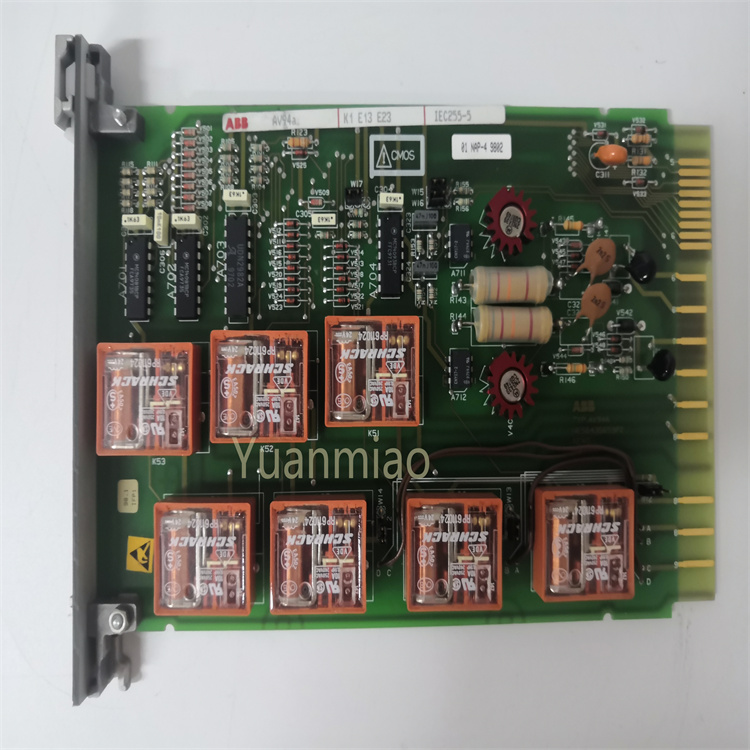
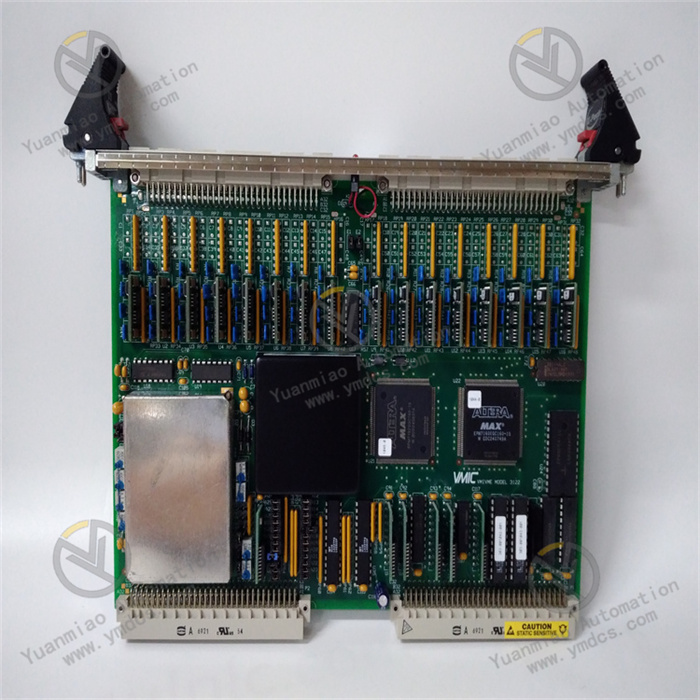
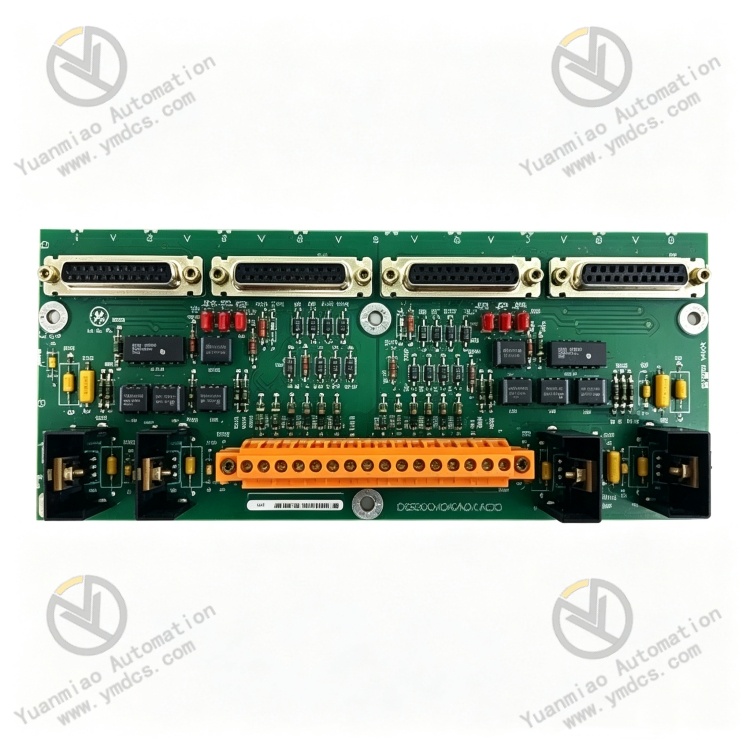
DS200XDSAG1ACC is an intelligent sensor interface terminal board developed by GE for the Mark V gas turbine control system. It belongs to the DS200 series core industrial control components and serves as a dedicated functional module for gas turbine combustion control, fuel pressure signal acquisition and closed-loop calculation. This board is mainly matched with the LG‑1237 fuel pressure intelligent transmitter. It can provide regulated excitation power supply and serial communication links for dedicated sensors, directly complete high-precision acquisition, calibration and data upload of fuel pressure signals without external signal conditioning hardware, and act as a critical acquisition unit for stable combustion, load regulation and safety protection of gas turbine units.
Natively adapted to the backplane bus of GE Mark V system, the DS200XDSAG1ACC board integrates on-board signal processing, hardware diagnosis, data verification and communication interaction functions. It can directly connect to the gas turbine fuel pressure monitoring loop and transmit calibrated pressure data to the system combustion control algorithm in real time to accurately support unit fuel ratio, combustion regulation and stable load control. Adopting an industrial reinforced board design with anti-interference capability, high reliability and maintenance-free performance, it can adapt to harsh working conditions of 24-hour uninterrupted operation of power station gas turbines for a long time. It is widely used in renovation, maintenance and replacement scenarios of GE Mark V gas turbine control systems in thermal power, cogeneration and combined-cycle power plants.
2. Functional Characteristics
2.1 Dedicated Signal Acquisition and Excitation Power Supply for Intelligent Transmitters
Customized for LG‑1237 fuel pressure intelligent transmitters, the board integrates a high-precision voltage regulator circuit, which can stably output 12VDC dedicated excitation power to provide clean working power for field sensors and eliminate signal deviation caused by power fluctuation. It supports serial digital communication of transmitters and directly reads calibrated pressure values from sensors. Different from the traditional analog acquisition mode, it avoids attenuation, drift and interference distortion of analog signals during transmission, greatly improves the acquisition accuracy of fuel pressure, and provides reliable raw data for precise regulation of gas turbine combustion.
2.2 Integrated Signal Processing and Algorithm Adaptation
Integrating original signal conditioning, data calibration and numerical filtering operation units, it can independently complete acquisition, correction and normalization of fuel pressure signals without external signal conversion, amplification and filtering modules. The processed data can be directly imported into the combustion control algorithm of Mark V system, accurately matching the gas turbine fuel regulation logic. It assists the unit in adjusting fuel valve opening and optimizing combustion ratio in real time, effectively suppressing gas turbine combustion fluctuation and load oscillation to ensure steady and efficient operation of gas turbines.
2.3 Full-range On-board Self-diagnosis and Fault Early Warning
Equipped with comprehensive hardware-level fault diagnosis capability, it can monitor various hidden dangers in real time, including abnormal transmitter power supply, serial communication timeout, circuit open circuit, line short circuit and board hardware faults. Once abnormal working conditions are detected, it immediately locks the fault status, generates fault codes and uploads them to the main control system to realize rapid tracing and precise positioning of faults. It effectively avoids risks such as invalid gas turbine sampling, abnormal control and unstable combustion caused by sensor power loss, communication interruption and line faults, and comprehensively improves the operation safety of the unit.
2.4 Native System Adaptation with Strong Compatibility
It strictly follows the standard architecture of GE DS200 series boards and is fully compatible with the backplane bus and system logic of Mark V gas turbine control system. Board point definitions, communication protocols and data interaction formats fully comply with original factory standards. It supports lossless replacement and system upgrade of old equipment without modifying system programs or rewiring and configuration, realizing plug-and-play function, greatly reducing the difficulty of on-site renovation and commissioning as well as unit downtime. It is highly universal and adaptable to complete GE Mark V gas turbine control equipment in various industrial power stations.
2.5 Industrial High-reliability Working Condition Adaptation Performance
The whole board adopts power-station-grade reinforced PCB design. All electronic components are industrial-grade materials with high temperature resistance, aging resistance and electromagnetic interference resistance, complying with power station EMC electromagnetic compatibility and seismic standards. It can effectively resist interference from complex working conditions such as strong electromagnetic radiation, power grid harmonics, equipment vibration and temperature & humidity fluctuations in power stations. Featuring dust-proof, moisture-proof, wide temperature resistance and anti-aging properties, it supports long-term 24-hour uninterrupted continuous operation of gas turbine control systems with ultra-low failure rate and long service life, suitable for unattended normal operation and maintenance mode of power stations.
3. Technical Parameters
3.1 Core Compatibility Parameters
Product Model: DS200XDSAG1ACC Product Type: Intelligent Sensor Interface Terminal Board Applicable System: GE Mark V Gas Turbine Control System Applicable Device: LG‑1237 Fuel Pressure Intelligent Transmitter Core Functions: Fuel pressure signal acquisition, transmitter excitation power supply, data calibration & upload, fault diagnosis Bus Interface: DS200 series standard system backplane bus
3.2 Electrical Operating Parameters
Excitation Output Voltage: 12VDC regulated output (dedicated power supply for sensors) Communication Method: Serial digital communication (special protocol adapted to intelligent transmitters) Signal Processing Mode: On-board hardware filtering + software calibration operation Operating Power Supply: Unified power supply from system backplane Data Transmission: Real-time high-speed upload to Mark V main control unit
3.3 Performance Parameters
Acquisition Accuracy: High-precision digital acquisition without analog signal drift error Response Speed: Millisecond-level data refresh to meet dynamic regulation requirements of gas turbines Fault Diagnosis: Full detection of power supply faults, communication faults, loop faults and hardware faults Operation Stability: No zero drift or temperature drift; constant parameters during long-term operation
3.4 Environmental and Protection Parameters
Operating Temperature Range: 0℃ ~ +70℃ (standard working condition for power stations) Storage Temperature Range: -40℃ ~ +85℃ Operating Humidity: 5%~95%RH (non-condensing) Anti-interference Level: Compliant with industrial EMC electromagnetic compatibility standards for power stations Seismic Performance: Suitable for cabinet fixed installation, resistant to conventional vibration of power station equipment
4. Hardware Configuration and Structural Advantages
4.1 Core Hardware Configuration
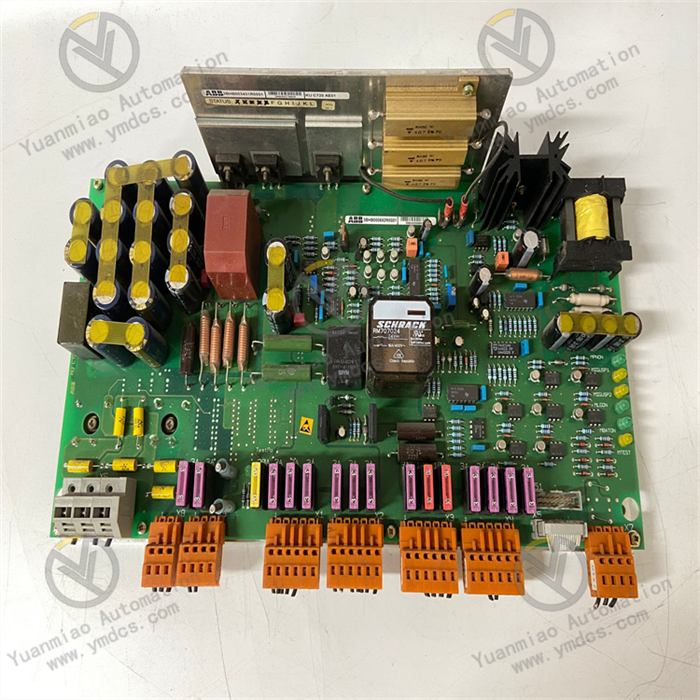
The DS200XDSAG1ACC board is equipped with a dedicated sensor power supply voltage regulator module, serial communication processing unit, high-speed data operation chip, hardware fault detection circuit and data storage unit. The on-board 12VDC high-precision voltage regulator circuit outputs clean voltage with extremely low ripple, which can provide stable working power for intelligent transmitters and guarantee sensor sampling accuracy. The independent communication processing unit is specially adapted to digital signals of LG‑1237 transmitters, which can accurately parse pressure data and prevent data packet loss and parsing errors. Built-in fault monitoring circuit monitors hardware and loop status in real time throughout the operation. Faults will be locked and recorded immediately to provide accurate basis for maintenance and overhaul. All circuits are laid out in separate zones. The power supply zone, communication zone, operation zone and diagnosis zone are isolated independently to effectively avoid circuit crosstalk and electromagnetic interference.
4.2 Structural Design Advantages
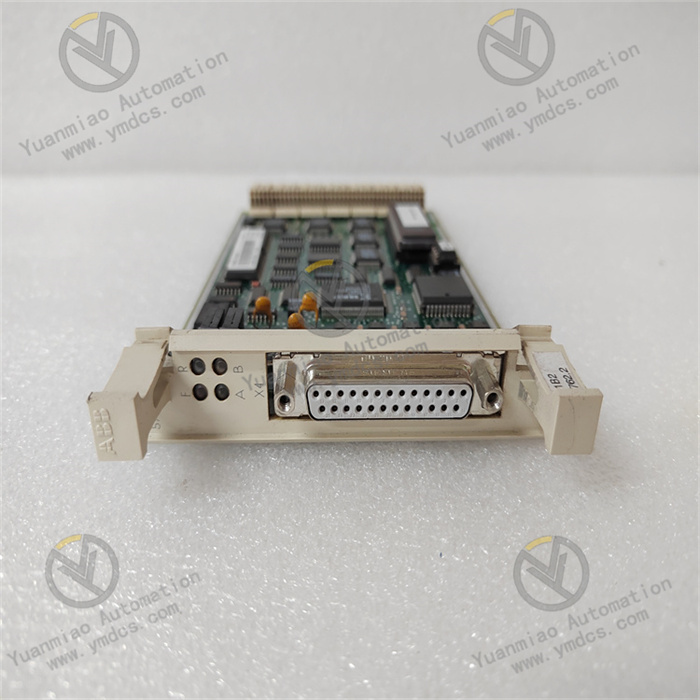
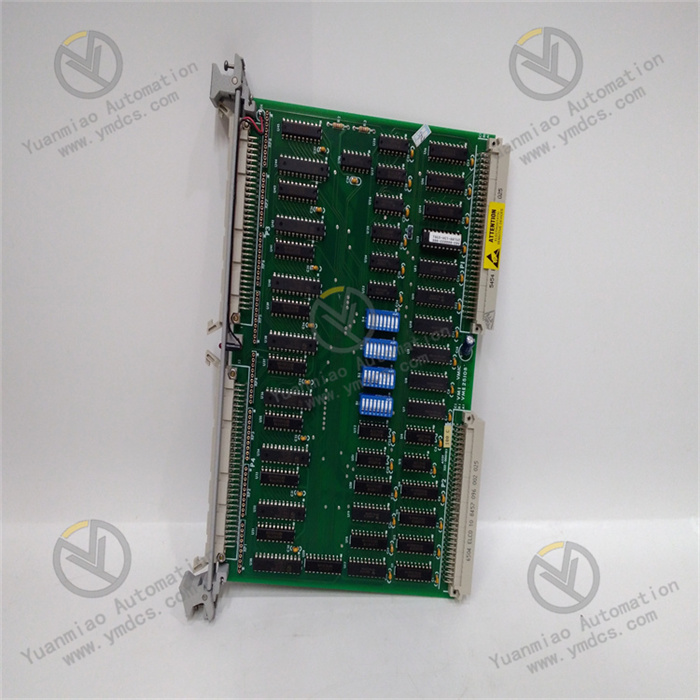
It adopts standardized PCB structure of DS200 series. Dimension specifications, interface definitions and mounting points fully match the card slots of Mark V system cabinets, featuring convenient installation and high fitting degree, suitable for compact layout of standard control cabinets. The board surface is coated with moisture-proof, dust-proof and anti-oxidation coating, which can effectively resist erosion from moisture, dust and oil in power stations and extend the service life of the board. The on-board interfaces have clear marks and regular wiring, facilitating on-site wiring verification, fault troubleshooting and daily maintenance. With no moving parts, it works statically with pure circuits without mechanical loss, delivering stable operation and maintenance-free performance to adapt to long-term uninterrupted operation of units. The standardized pluggable structure supports maintenance replacement without shutdown, greatly reducing the risk of unit outage.
5. Working Principle
The DS200XDSAG1ACC intelligent sensor interface board adopts a closed-loop working mechanism of regulated excitation power supply → digital signal acquisition → data calibration operation → bus data upload → real-time fault diagnosis, to realize high-precision and highly stable acquisition and transmission of gas turbine fuel pressure signals and support closed-loop combustion control of the unit.
After power-on initialization, the board completes hardware self-test and bus calibration and enters normal operation state. The on-board voltage regulator circuit continuously outputs stable 12VDC excitation power to supply power to the field LG‑1237 fuel pressure transmitter. Based on the stable power supply, the transmitter collects real-time fuel pressure parameters and transmits digital signals to the DS200XDSAG1ACC board through a dedicated serial communication link.
The core operation unit of the board performs filtering and noise reduction, calibration correction and engineering quantity conversion on the received digital signals, eliminates interference noise and abnormal data, and generates accurate and stable fuel pressure process values. Then the processed valid data is uploaded to the GE Mark V main control unit in real time through the DS200 high-speed backplane bus to provide core parameters for the main control combustion control algorithm. According to real-time pressure data, the system dynamically adjusts the opening of fuel valves and optimizes combustion ratio to realize stable load, balanced combustion and efficient operation of gas turbines.
The device monitors the power supply status of transmitters, communication link status, circuit continuity and hardware conditions of the board in real time throughout the operation. Once abnormality occurs, it immediately triggers fault alarms and locks fault information, while ensuring the basic operation stability of the system. It avoids unit operation abnormality caused by single-point faults and comprehensively guarantees safe, continuous and stable operation of the gas turbine control system.
6. Application Scenarios
6.1 Gas Turbine Systems of Large Combined-cycle Power Plants
It is widely used in GE Mark V gas turbine control systems of thermal power, cogeneration and combined-cycle power plants. It is mainly responsible for precise acquisition and signal transmission of fuel pressure, supports unit combustion control, load regulation and energy efficiency optimization, and ensures stable grid connection and efficient power generation of large generating units. It serves as the core acquisition and control board for gas turbine systems in power stations.
6.2 Gas Turbine Power Systems of Industrial Self-owned Power Plants
Adapted to self-owned gas turbine power stations of large industrial enterprises such as chemical, petrochemical and metallurgical industries, it provides accurate data support for fuel pressure monitoring and closed-loop combustion regulation of industrial gas turbines, guarantees continuous and stable operation of enterprise self-owned power systems, avoids unit load reduction and shutdown faults caused by combustion fluctuation and abnormal pressure, and ensures stable power supply for industrial production.
6.3 Renovation Projects for Old Gas Turbine Control Systems
Applicable to scenarios including damaged board replacement and system upgrade of various old GE Mark V gas turbine control systems. With original factory compatibility, there is no need to modify system programs and wiring logic. It can quickly restore the sampling accuracy and control stability of units, shorten renovation construction period and reduce renovation costs, meeting the upgrading demands for intelligence and stability of power station equipment.
6.4 Gas Turbine Safety Monitoring and Protection Systems
As a key monitoring unit for fuel pressure, it participates in gas turbine safety interlock and over-limit protection logic, feeds back abnormal fuel pressure conditions in real time, and assists the system in completing interlock protection against overpressure and underpressure faults. It eliminates potential safety hazards such as unstable combustion, deflagration and equipment damage caused by abnormal fuel pressure, and improves the safe operation level of gas turbine units.
6.5 Power Station Automatic Operation & Maintenance and Precise Management Scenarios
Relying on high-precision data acquisition and fault diagnosis capabilities, it provides complete data support for gas turbine condition analysis, energy consumption statistics, equipment status assessment and fault tracing of power stations. It helps power stations realize refined and intelligent automatic operation and maintenance, reduce equipment failure rate and maintenance costs, and improve the overall operation efficiency of units.