Description
1. Product Introduction
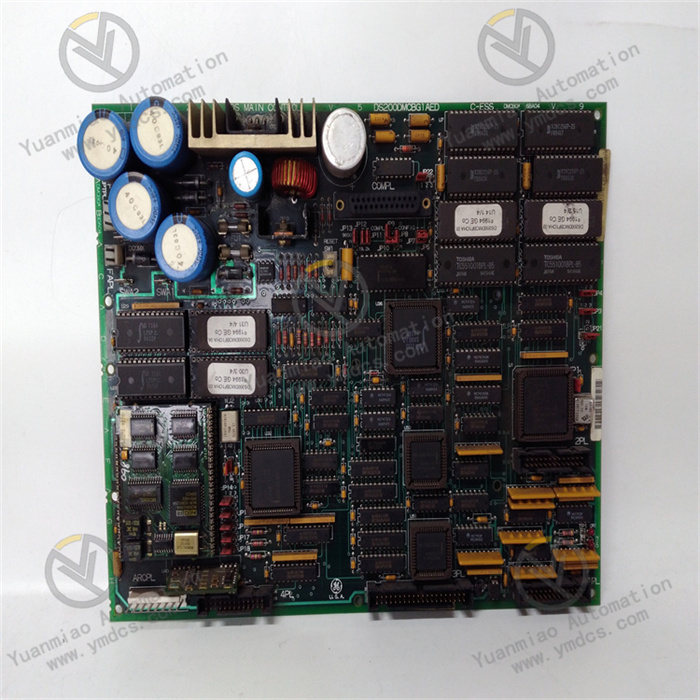
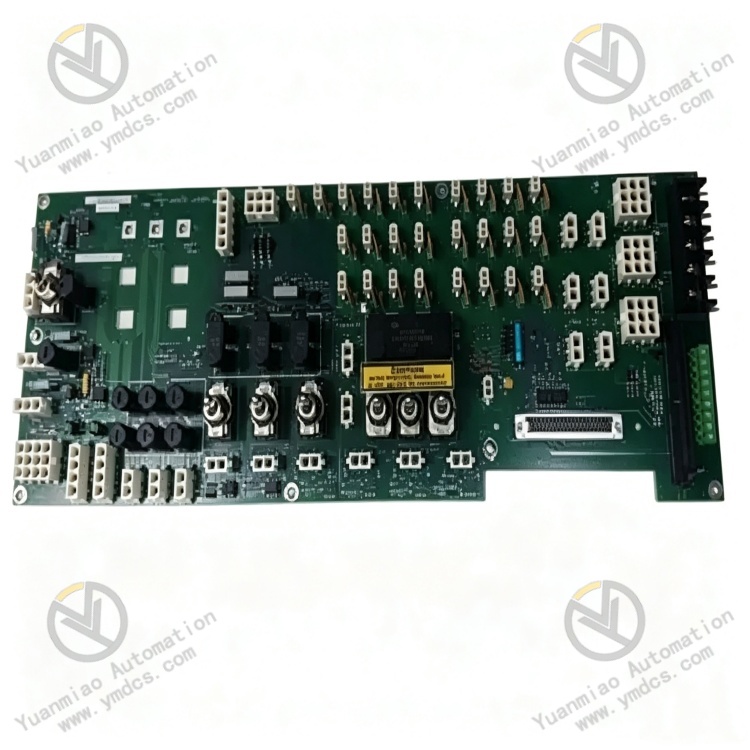
The GE IS2020JPDCG1A is an excitation‑control and power‑distribution dedicated circuit board for the Mark VI turbine‑control system under GE’s IS200 series. It belongs to the GE Speedtronic turbine‑control product line. Manufactured in strict accordance with GE original power‑turbine hardware specifications and IEC industrial EMC electromagnetic‑compatibility standards, it is a core functional board for gas‑turbine and steam‑turbine generator‑set control systems.
This board is an integrated precision‑PCB hardware unit combining multiple functions including excitation regulation control, system power distribution, loop fault protection and process‑signal acquisition & conditioning. It is purpose‑built for continuous and stable‑operation scenarios of large‑scale generator units and combined‑heat‑and‑power cogeneration units. It provides accurate power supply for the excitation unit, I/O modules and monitoring loops of the Mark VI system. Meanwhile, it undertakes critical control tasks such as adjustment of unit excitation parameters, operating‑condition monitoring and interlocking protection against abnormalities.
Adopting industrial‑grade thickened reinforced‑PCB substrate, full‑board conformal coating for anti‑corrosion and moisture‑proof purposes, as well as vibration‑resistant and anti‑interference precision circuits, the board delivers stable power supply, high‑control accuracy, fast response speed and drift‑free long‑term‑operation performance. It perfectly adapts to harsh industrial conditions inside turbine halls including high temperature, oil‑gas dust, continuous vibration and intense electromagnetic interference, and supports 7×24‑hour non‑stop stable operation of generating units. It serves as an original core component for new‑project configuration, hardware maintenance of legacy units, faulty‑board replacement and stability‑upgrade retrofits of turbine‑excitation control systems in power plants.
2. Functions and Working Principle
Core FunctionsThe IS2020JPDCG1A board integrates six core functions: precise excitation regulation for generating units, graded system‑power distribution, hardware‑loop overload protection, turbine‑process‑signal acquisition and conditioning, board‑level hardware self‑diagnosis and closed‑loop stability control of the excitation system. It fully meets excitation‑control and power‑supply‑protection requirements of GE Mark VI turbine generator‑sets.
It collects real‑time critical operating‑condition parameters such as generator voltage, current, power factor and unit rotating speed, and dynamically and accurately adjusts excitation current and excitation voltage via built‑in precision regulation algorithms, so as to stabilize generator output voltage and ensure smooth grid‑connection operation. It performs secondary voltage regulation, filtering and graded distribution on the incoming power, delivering clean and stable operating voltage for excitation‑control loops, signal‑acquisition loops and logic‑operation loops.
Built‑in multi‑level hardware‑protection mechanisms for overvoltage, undervoltage, overcurrent, short‑circuit and abnormal‑excitation conditions continuously monitor loop operating status. Current limiting, blocking and alarm protection will be triggered rapidly upon abnormalities to eliminate risks including excitation runaway, hardware burnout and unit trip‑off. It is also equipped with signal‑noise‑reduction, waveform‑shaping and impedance‑matching functions to improve transmission quality of excitation‑control signals. Together with board‑level self‑test capability for real‑time hardware‑health feedback, it guarantees safe, accurate and stable operation of the generator‑set excitation system.
Working PrincipleThe IS2020JPDCG1A operates based on the principle of dynamic closed‑loop excitation regulation + regulated power‑supply protection + precise‑signal conditioning. During unit operation, the front‑end acquisition circuit of the board synchronously collects generator‑output electrical parameters and turbine operating‑condition signals. After noise filtering, waveform shaping and precision calibration, signals are transmitted to the on‑board core‑operation circuit.
According to rated operating‑condition parameters and real‑time operational deviation, the circuit dynamically calculates and outputs accurate excitation‑regulation commands, and modifies excitation current and voltage in real‑time to form closed‑loop negative‑feedback control. Electrical deviations caused by grid‑load fluctuation and process disturbance are counteracted to guarantee stable power quality of generator output.
Meanwhile, the main incoming power enters the multi‑stage voltage‑regulating and filtering loops of the board. Industrial‑grid noise, voltage spikes and high‑frequency interference are filtered out, and fluctuating voltage is converted into low‑ripple standard voltage which is then accurately distributed to each control loop by functional zones. Each power‑supply and control loop is fitted with an independent monitoring‑and‑protection unit, which compares real‑time operating parameters against safety thresholds. Once faults such as short‑circuit, overload, abnormal excitation or over‑limit voltage are detected, hardware‑protection actions are triggered instantly. The faulty loop is isolated independently without disrupting normal operation of other unit systems, thus ensuring controllable, safe and fault‑tolerant operation of the turbine‑excitation‑control system throughout runtime.
3. Technical Features
Dedicated turbine‑excitation control with superior adaptability: Custom‑engineered for GE Mark VI gas‑turbine / steam‑turbine generator‑sets. Compatible with the full Speedtronic turbine‑control architecture and perfectly matched to unit‑excitation regulation logic. It can seamlessly interoperate with main‑control, I/O and power‑distribution companion boards. No modification to system programs or cabinet wiring is required for replacement installation.
High‑precision closed‑loop excitation regulation with excellent voltage‑stabilization performance: Equipped with original precision operation circuits and closed‑loop regulation algorithms. It dynamically modifies excitation parameters in real‑time to suppress unit‑voltage fluctuation and power oscillation, ensuring stable grid‑connection of generators and outstanding output‑power quality. No regulation drift or control deviation occurs during long‑term operation.
Integrated power‑distribution protection with high system‑fault‑tolerance: Combines regulated power distribution and multi‑layer hardware‑protection functions. Multiple independent power‑supply loops operate without mutual interference. Faulty loops are isolated separately, effectively avoiding excitation failure, unit tripping and hardware burnout triggered by single‑loop faults, and greatly improving operational fault‑tolerance and safety stability of generator‑sets.
Powerful anti‑interference signal processing for wide‑ranging process adaptability: Built‑in multi‑stage signal‑filtering and impedance‑matching circuits effectively eliminate signal distortion and data jumping caused by strong electromagnetic interference, frequency‑converter noise and mechanical vibration inside turbine halls. It ensures accurate transmission and prompt response of excitation‑control signals, and adapts to complex and harsh power‑plant operating conditions.
Industrial‑grade rugged construction with outstanding stability: Manufactured with thickened industrial PCB, full‑board conformal coating, vibration‑resistant and anti‑aging components. It has passed high‑level EMC tests for the power‑generation industry. Capable of long‑term exposure to high temperature, humidity, oil‑gas corrosion, continuous vibration and intense electromagnetic interference, it delivers reliable 7×24‑hour continuous operation.
- Intelligent self‑diagnosis‑enabled maintenance‑friendly design: Supports full‑time board‑level hardware self‑inspection, loop‑fault localization and abnormality alarms. Faults within excitation loops, power‑supply loops and signal loops can be accurately identified with clear fault locations, removing tedious troubleshooting work and drastically reducing unit‑maintenance difficulty and downtime.
4. Specifications
Basic Parameters
Product Model: IS2020JPDCG1A Brand & Manufacturer: GE (General Electric) Product Series: IS200 Speedtronic Turbine‑Control Series Applicable System: GE Mark VI Gas‑Turbine / Steam‑Turbine Generator‑Set Control System Product Type: Integrated Excitation‑Control and Power‑Distribution Circuit Board Applicable Standards: GE Original Turbine‑Hardware Specifications, IEC Electromagnetic‑Compatibility Standards, Safety Standards for Power‑Generator‑Set Control Equipment Primary Purpose: Dynamic excitation regulation of generator‑sets, regulated system‑power distribution, excitation‑loop fault protection, turbine‑process‑signal conditioning, stable grid‑connection control of generating units, hardware‑operation‑and‑maintenance guarantee for excitation systems
Core Performance Parameters
Operating Mechanism: Closed‑loop dynamic excitation regulation + multi‑stage regulated‑and‑filtered power distribution + full‑loop real‑time monitoring and protection Control Characteristics: High‑precision excitation‑parameter regulation, fast‑response speed, high‑voltage‑stabilization accuracy, strong resistance to process disturbance Protection Functions: Instant hardware‑level protection against overvoltage, undervoltage, overcurrent, short‑circuit, abnormal excitation and overload Signal‑Processing Functions: Multi‑channel process‑signal acquisition, noise‑reduction filtering, waveform shaping and deviation calibration Operational Characteristics: Drift‑free parameters, stable regulation accuracy and strong load‑carrying capacity during long‑term operation, suitable for continuous‑operation scenarios of generating units
Electrical Parameters
Operating Power Supply: Compliant with standard industrial power supply for Mark VI systems Control Mode: Automatic closed‑loop excitation regulation for generator‑sets, adaptable to grid‑connected and island‑mode operation Insulation Performance: High‑insulation circuit design eliminating cross‑current, electric‑leakage and mutual‑electrical‑interference risks between loops Response Speed: Millisecond‑level excitation‑parameter response to dynamically adapt to changing operating‑conditions of generating units
Mechanical & Physical Parameters
Mounting Method: Slot‑mounting inside standard Mark VI system cabinets Mechanical Characteristics: Integrated PCB‑only structure with no moving parts, reinforced anti‑vibration, dust‑proof, moisture‑proof and anti‑corrosion performance Maintenance Features: No routine calibration or frequent maintenance required; fast fault localization and hot‑swap replacement supported
Environmental Parameters
Operating Temperature: −30 ℃ ~ +70 ℃ wide‑temperature range for power‑generation industrial‑control equipment Storage Temperature: −40 ℃ ~ +85 ℃ Relative Humidity: 5 %‑95 % RH, non‑condensing Environmental Resistance: Immunity to heavy industrial electromagnetic interference and mechanical shock; oil‑gas‑corrosion‑resistant, dust‑proof, moisture‑resistant and wide‑temperature tolerant, suitable for 24‑hour continuous steady‑state operation inside power‑plant facilities
5. Application Scenarios
The GE IS2020JPDCG1A board is widely deployed in GE Mark VI gas‑turbine and steam‑turbine generator‑set control systems for thermal‑power plants, combined‑cycle gas‑power plants, cogeneration facilities, large‑scale heavy‑industry captive‑power stations and energy‑power sites. It is the critical hardware guarantee for stable operation of generator‑set excitation systems.
Typical applications include: closed‑loop excitation‑regulation control for medium‑and‑large gas‑turbine generator‑sets; grid‑connection excitation‑voltage‑stabilization management for steam‑turbine power plants; power‑distribution and excitation‑protection of power systems for cogeneration units; original‑equipment replacement of faulty boards for legacy‑power‑plant turbine‑excitation‑control systems; power‑quality optimization and excitation‑system upgrade retrofits for generator‑sets; excitation‑system‑stability guarantee under high‑interference conditions in turbine halls; complete‑set hardware configuration for power‑control systems of new‑build thermal‑power / gas‑power plants; fault‑tolerant operation maintenance for unattended excitation systems in power stations; dynamic load adaptation and precise regulation of electrical parameters for generating units; compliance‑oriented hardware configuration for power‑unit control systems, and more.
As a dedicated integrated core board for excitation‑control and power‑distribution within the Mark VI system, it addresses common‑industry pain‑points of conventional turbine‑excitation systems, such as low‑regulation accuracy, severe voltage fluctuation, signal vulnerability to interference and single‑sided fault‑protection capability. Risks including excitation runaway, grid‑connection oscillation, substandard power quality and equipment tripping & damage are effectively mitigated. It comprehensively ensures safe, stable, efficient and compliant operation of large‑scale power‑generator‑sets, and acts as the preferred original core board for new‑system configuration, legacy‑equipment retrofits and maintenance‑service projects of turbine‑excitation‑control systems in the power‑generation industry.