Description
1. Product Introduction
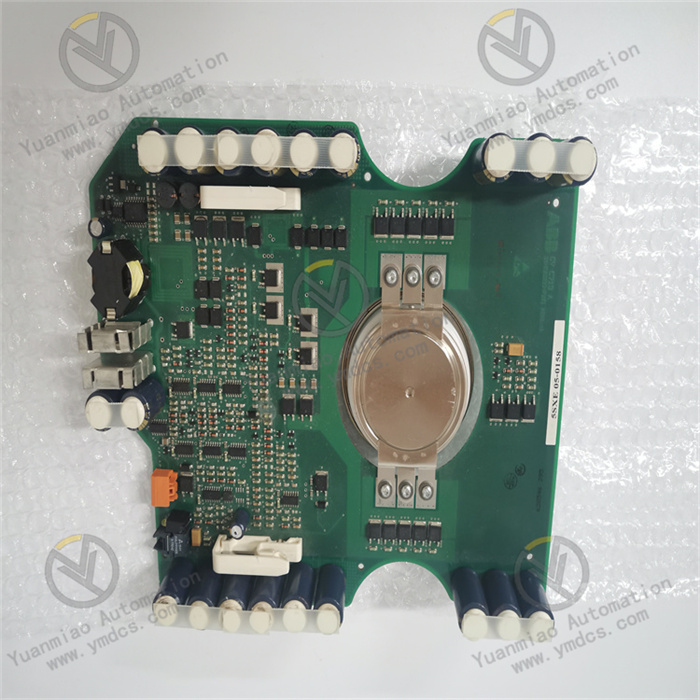
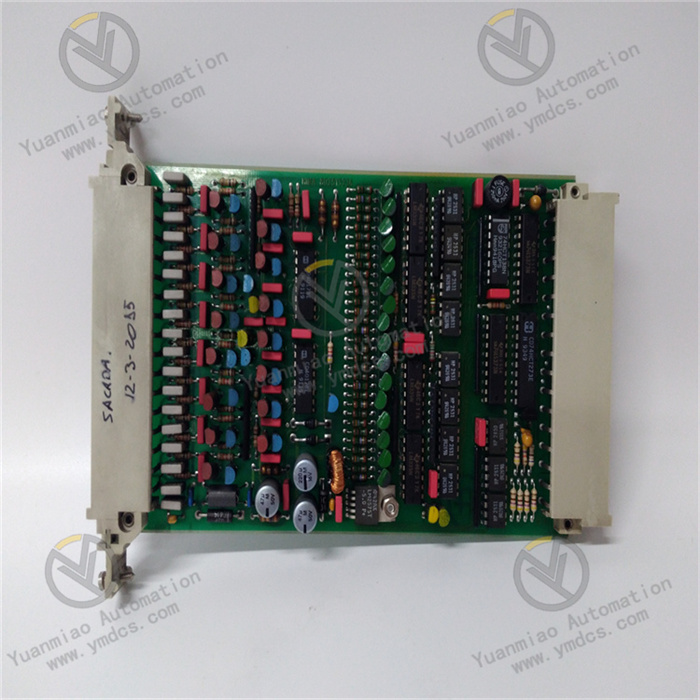
The GE IS2020JPDFG01 is a dedicated power‑distribution and signal‑conditioning printed‑circuit board for the Mark VI turbine‑control system within GE’s IS200 series. It constitutes core control hardware for gas‑turbine and steam‑turbine units. Manufactured in strict compliance with GE original turbine‑control hardware specifications and industrial EMC electromagnetic‑compatibility standards, it is a standard core board for the GE Mark VI turbine‑control system.
Purpose‑built for continuous‑operation scenarios of large power units, the board undertakes key tasks including precise internal system power distribution, regulated power supply for hardware, isolated‑signal conditioning and board‑level hardware monitoring. It delivers stable, graded, filtered and clean power supply to main‑control boards, I/O boards and communication boards inside the Mark VI system, while assisting in noise reduction and anti‑interference processing for control‑loop signals.
Constructed with industrial‑reinforced‑PCB substrate, full‑board moisture‑proof and anti‑corrosion coating, precision voltage‑regulating circuits and anti‑interference wiring technology, it features stable voltage output, ultra‑low ripple, strong load‑carrying capacity and drift‑free long‑term operation. It adapts to harsh conditions inside turbine halls, such as high temperature, vibration, oil‑gas dust and intense electromagnetic interference, and supports 7×24‑hour non‑stop stable unit operation. It serves as an original dedicated core component for new‑project configuration, hardware maintenance of legacy units, faulty‑board replacement and stability‑upgrade retrofits of turbine‑control systems in power plants.
2. Functions and Working Principle
Core Functions: The IS2020JPDFG01 board integrates six primary functions: graded system‑power distribution, voltage regulation & filtering, hardware overload protection, loop‑fault monitoring, control‑signal conditioning and board‑level power‑supply redundancy. It fully satisfies internal power‑supply and auxiliary‑signal‑management requirements of the GE Mark VI turbine‑control system.
It performs secondary voltage regulation, filtering and noise reduction on the main incoming power, removing voltage ripple and interference induced by grid fluctuation and electromagnetic noise. Multiple‑channel clean, stable standard operating voltages are supplied to the main‑control unit, I/O acquisition unit and communication unit. Built‑in multi‑level hardware‑protection mechanisms for overvoltage, undervoltage, overcurrent and short‑circuit continuously monitor operating conditions of each power branch. Upon abnormality, current limiting and power‑off protection are triggered automatically to prevent downstream board burnout and system crash.
Auxiliary signal‑conditioning capability delivers impedance matching, noise reduction and waveform shaping for critical operating signals including unit speed, temperature, pressure and valve position, improving signal‑transmission stability. On‑board hardware self‑test and condition‑monitoring functions feed real‑time data on power‑supply status and board health, ensuring safe power delivery, accurate signals and controllable operation of the whole turbine‑control system and meeting high‑demands for continuous, stable and safe large‑power‑unit control.
Working Principle: The IS2020JPDFG01 operates on the principle of regulated‑and‑filtered graded power distribution + closed‑loop hardware protection + auxiliary‑signal conditioning. After entering the pre‑stage circuit of the board, the main system‑supply voltage passes through multi‑stage high‑frequency filtering, EMI noise reduction and voltage‑regulating‑shaping loops. Industrial‑grid noise, voltage spikes and high‑frequency interference are eliminated, converting fluctuating input voltage into smooth, low‑ripple standard operating voltage.
Through the on‑board graded power‑distribution architecture, multiple independent power branches are allocated accurately according to power requirements of individual functional boards, achieving partitioned power supply free of mutual interference. Each power‑supply branch is equipped with an independent sampling‑monitoring and hardware‑protection loop, which collects real‑time output voltage and current readings and dynamically compares them against rated thresholds. When faults such as abnormal load, short circuit or over‑limit voltage occur, current limiting, protection shutdown and alarm signals are activated instantly. The faulty branch is isolated precisely without disrupting operation of other hardware.
Meanwhile, the signal‑conditioning circuit performs impedance matching, waveform shaping and interference filtering on analog operating signals of the unit to correct signal distortion. Cooperating with the main‑control unit, it completes precise logic computation and turbine control, consistently guaranteeing stable power delivery, clean signals and reliable protection for the Mark VI turbine‑control system.
3. Technical Features
Dedicated‑system adaptation with excellent compatibility: Custom‑engineered for the GE Mark VI turbine‑control system, perfectly matching the complete hardware architecture of the IS200 series. It is fully interoperable with the full range of Mark VI main‑control, I/O and communication boards. As an original supporting board for turbine‑control systems, replacement requires no modification to system programs or cabinet wiring.
High‑precision regulated power distribution with superior supply quality: Multi‑stage voltage‑regulating and filtering circuits deliver powerful ripple suppression, high‑accuracy output and outstanding stability. Power‑supply anomalies caused by grid fluctuation and industrial interference are eliminated. Clean power for precision turbine‑control hardware prevents unit‑control deviations triggered by voltage drift.
Multi‑layer hardware protection with high fault‑tolerance safety: Comprehensive hardware‑protection schemes cover overvoltage, undervoltage, overcurrent, short‑circuit and overload conditions. Independent‑isolation of faulty branches avoids cross‑impact between circuits. System‑wide shutdown and hardware burnout caused by single‑branch failures are effectively prevented, greatly enhancing fault tolerance and operational safety of the turbine‑control system.
Auxiliary‑signal conditioning with prominent anti‑interference performance: Built‑in noise reduction and impedance‑matching functions optimize waveforms of various unit‑operating signals. Signal interference generated by strong electromagnetic fields, frequency converters and mechanical vibration is filtered out, resolving on‑site problems of signal distortion and jumping fluctuations and improving system‑control accuracy.
Industrial‑grade rugged design for harsh environments: Thickened industrial PCB, full‑board anti‑corrosion & moisture‑resistant coating, vibration‑resistant components and reinforced wiring are adopted. Passing high‑level industrial EMC tests, the board withstands long‑term exposure to high temperature, oil‑gas atmosphere, dust, continuous vibration and heavy electromagnetic interference inside turbine halls and delivers trouble‑free 7×24‑hour continuous operation.
- Maintenance‑free design for convenient servicing: Pure hardware‑circuit architecture with no moving parts or consumable components. Parameters remain drift‑free over long‑term operation with no requirement for periodic calibration. Only routine condition inspections are needed, significantly lowering maintenance costs and downtime frequency for large‑scale turbine‑control systems.
4. Specifications
Basic Parameters
Product Model: IS2020JPDFG01 Brand & Manufacturer: GE (General Electric) Product Series: IS200 Series Turbine‑Control Boards Applicable System: GE Mark VI Gas‑Turbine / Steam‑Turbine Control System Product Type: System Power‑Distribution and Signal‑Conditioning Circuit Board Applicable Standards: GE Original Turbine‑Control Hardware Specifications, IEC Industrial EMC Standards, Power‑Generation Industrial‑Control‑Equipment Safety Standards Primary Purpose: Regulated power distribution, power‑supply‑fault protection, operating‑signal conditioning, hardware‑power guarantee and stable operation & maintenance for the Mark VI turbine‑control system
Core Electrical‑Performance Parameters
Operating Mechanism: Multi‑stage filtering & voltage regulation + multi‑channel independent graded power distribution, closed‑loop real‑time monitoring and protection Power‑Supply Characteristics: Low‑ripple, high‑precision regulated output meeting power requirements of precision industrial‑control hardware Protection Functions: Instant hardware‑level protection against overvoltage, undervoltage, overcurrent, short‑circuit and overload; independent isolation of faulty branches Signal‑Processing Functions: Impedance matching, waveform shaping and high‑frequency‑interference filtering for process signals Operational Characteristics: Drift‑free voltage output, no‑parameter degradation and stable load‑carrying capacity during long‑term operation
Mechanical & Physical Parameters
Board Structure: Standard industrial‑grade PCB, slot‑mounted inside standard Mark VI system cabinets Surface Treatment: Full‑board conformal coating for moisture‑proof, anti‑corrosion and dust‑proof performance Hardware Architecture: Integrated‑circuit‑only design; no moving parts, vibration‑resistant and anti‑aging Maintenance Features: Calibration‑free, routine‑maintenance‑free, fast fault‑location and replacement
Environmental Parameters
Operating Temperature: −30 ℃ ~ +70 ℃ wide‑temperature range for power‑generation industrial‑control equipment Storage Temperature: −40 ℃ ~ +85 ℃ Relative Humidity: 5 %‑95 % RH, non‑condensing Environmental Resistance: Immunity to heavy electromagnetic interference and mechanical shock; dust‑proof, moisture‑resistant, oil‑gas‑corrosion‑resistant and wide‑temperature tolerant, suitable for 24‑hour continuous steady‑state operation inside turbine halls
5. Application Scenarios
The GE IS2020JPDFG01 board is mainly deployed in GE Mark VI gas‑turbine and steam‑turbine control systems for thermal‑power plants, combined‑cycle gas‑power plants, cogeneration facilities, large‑scale heavy‑industry captive power stations and energy‑power sites. It is core guarantee hardware for stable operation of main‑control systems of large power units.
Typical applications include: power distribution and voltage regulation for Mark VI control systems of medium‑to‑large gas‑turbines; signal‑conditioning and anti‑interference optimization for steam‑turbine control loops; hardware overload and short‑circuit safety protection for power‑plant control systems; original‑equipment replacement of faulty boards in legacy turbine‑control systems; power‑supply‑quality upgrade retrofits for unit‑control systems; system‑stability optimization under high‑interference conditions in turbine halls; complete‑set hardware configuration for new‑build thermal‑power / gas‑power plant control systems; fault‑tolerant‑operation maintenance for unattended turbine‑control systems; hardware servicing and performance upgrades for power‑unit control systems, and more.
As a dedicated core power‑supply and signal‑conditioning board for the Mark VI system, it addresses well‑known drawbacks of traditional turbine‑control systems, such as high power‑supply ripple, unstable voltage, prone‑to‑distortion signals and weak fault tolerance. Risks including unit‑speed fluctuation, valve‑position deviation, system trip and equipment failure induced by abnormal power supply or signal interference are effectively mitigated. It comprehensively ensures safe, stable, continuous and efficient operation of large turbine units and serves as the preferred original core board for new‑system configuration, legacy‑equipment retrofits and maintenance projects of turbine‑control systems within the power‑generation industry.