Description
Honeywell 51305072-200
1. Basic Information
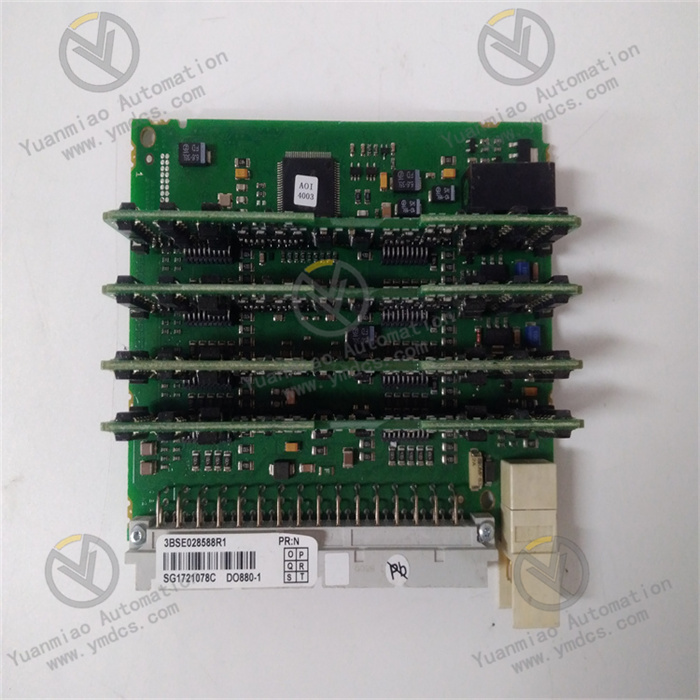
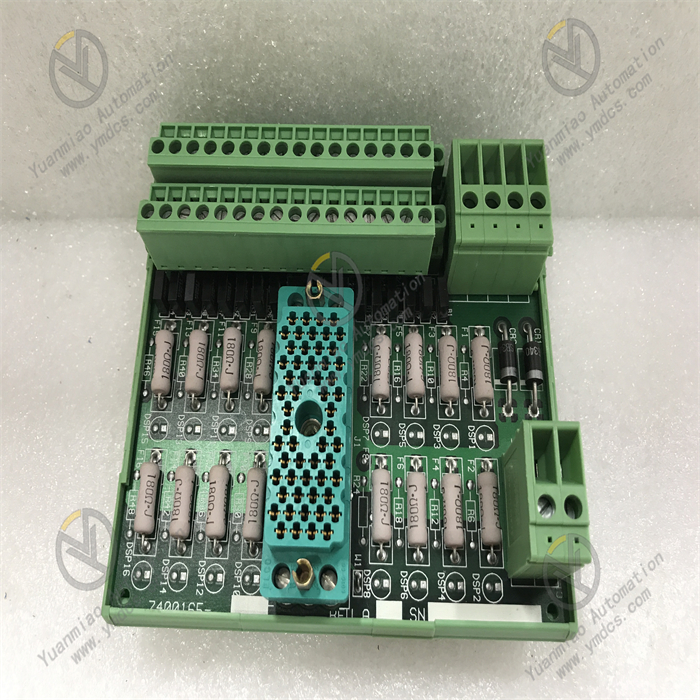
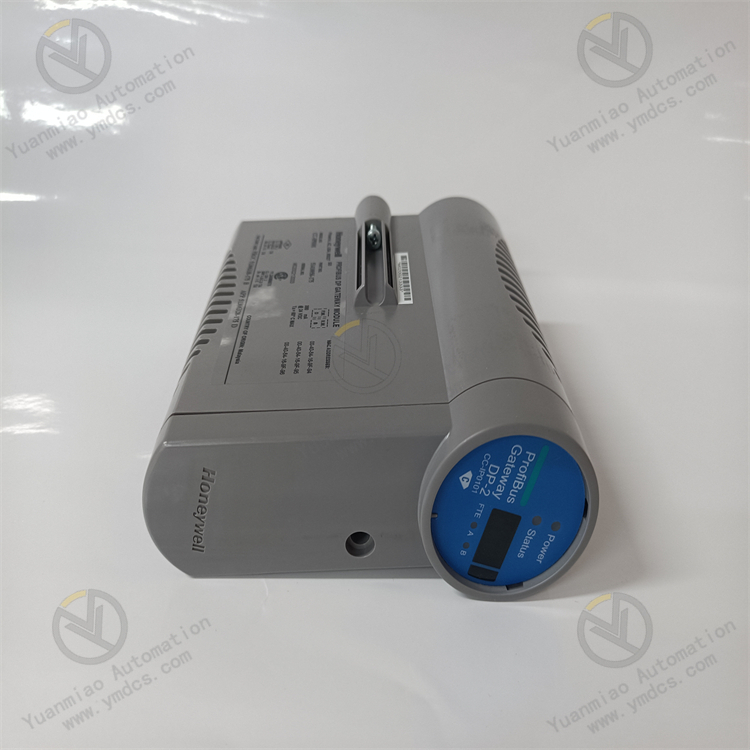
Honeywell 51305072-200 is a dedicated CLCN-A (Control Network-A) LCN communication module for Honeywell TDC3000 DCS systems. As the core bus communication hardware, it is responsible for LCN network data transceiving, node scheduling, protocol parsing and link transmission, realizing high-speed interconnection between controllers, operator stations and I/O units.
Adopting industrial-grade communication chip architecture and native LCN protocol compatibility, the module features stable transmission, strong anti-interference, link self-diagnosis and fault tolerance. Widely used in petrochemical, power, water treatment and metallurgical industries, it serves as a key spare part for network expansion, faulty board replacement and stability upgrading of legacy TDC3000 systems.
2. Technical Specifications
2.1 Core Function & Communication Specifications
- Model: 51305072-200, Type: CLCN-A LCN Control Network Communication Module
- System Compatibility: Fully adapted to Honeywell TDC3000 DCS system and LCN bus architecture
- Core Functions: LCN bus data transceiving, node management, protocol conversion and link status monitoring
- Communication Protocol: Standard Honeywell LCN protocol, supports LCN and LCN-A dual-link mode
- Transmission Rate: Up to 1Mbps, ensuring low-latency real-time data interaction
- Node Capacity: Supports up to 255 network nodes for large and medium-sized DCS networking
- Interface Type: BNC standard bus interface with low signal attenuation and strong anti-interference performance
2.2 Electrical & Power Specifications
- Power Supply: 24V DC backplane power supply, no external auxiliary power required
- Voltage Tolerance: Wide voltage fluctuation resistance for industrial cabinet power supply conditions
- Power Consumption: Low-power design with low heat generation for long-term full-load stable operation
- Protection Mechanism: Built-in over-voltage, over-current and ESD protection to avoid module damage
- Signal Isolation: Port electrical isolation design to eliminate bus crosstalk and signal interference
2.3 Diagnosis & Operation Characteristics
- Power-on Self-test: Comprehensive self-inspection of chip, port and circuit with abnormal fault locking
- Real-time Network Monitoring: Continuously monitors link status, node online status and data transmission quality
- Fault Diagnosis: Automatically identifies link disconnection, data error and bus interference faults
- Status Indication: Onboard LED indicators for visual operation and fault status display
- Fault-tolerant Operation: Single node abnormality does not affect the entire network operation
- Clock Synchronization: Supports full network clock synchronization to ensure consistent data time sequence
2.4 Environmental & Protection Specifications
- Operating Temperature: -40℃~+70℃, suitable for harsh industrial wide temperature conditions
- Storage Temperature: -40℃~+85℃, excellent high and low temperature shock resistance
- Humidity Range: 5%~95%RH (non-condensing), dust-proof and moisture-proof
- EMC Performance: Industrial anti-interference design resisting harmonic and electromagnetic radiation
- Structural Stability: Vibration-resistant and loose-proof for long-term industrial operation
2.5 Physical Structure Specifications
- Structure Type: Standard TDC3000 modular communication board with compact integration
- Installation Method: Backplane plug-in installation, easy assembly and disassembly
- Dimensions: 176mm × 61mm × 25mm
- Weight: Approx. 0.2kg, lightweight with no extra cabinet load pressure
- Interface Configuration: Standard BNC interface for stable LCN-A bus cable connection
3. Working Principle
- Power-on Initialization & Self-test: After 24V DC power-on, the module completes full hardware self-inspection, initializes LCN bus parameters, synchronizes system clock, and enters network standby state.
- Node Access & Network Registration: Completes identity registration and topology building for controllers, operator stations and I/O nodes to establish a stable LCN interconnection network.
- Bidirectional Data Parsing & Forwarding: Receives field operating data and alarm information, forwards upper control commands and configuration parameters, and realizes cross-node high-speed data interaction and protocol conversion.
- Network Quality Monitoring & Error Correction: Monitors transmission quality and data integrity in real time, automatically corrects minor errors and activates fault-tolerant mechanism for transient interference to maintain network stability.
- Full Network Time Synchronization: Calibrates clock parameters of all nodes uniformly to ensure accurate time sequence of process curves, operation records and fault logs.
- Fault Alarm & Link Self-recovery: Triggers LED alarm and remote fault reporting when communication abnormality occurs, isolates faulty nodes to prevent fault spread, and automatically recovers networking after fault elimination.
4. Application Scenarios
4.1 TDC3000 System LCN Bus Core Networking
As the essential core communication board for TDC3000 LCN bus, it undertakes full network node interconnection and data scheduling tasks, forming the hardware foundation for coordinated operation, closed-loop process control and unified data management of the entire DCS system.
4.2 Industrial Process Real-time Communication Support
Provides stable bus communication guarantee for process parameter regulation, equipment interlock and safety protection logic, ensuring accurate command delivery and real-time data uploads, and avoiding process fluctuations caused by communication anomalies.
4.3 Legacy DCS System Network Expansion & Upgrading
Fully compatible with original LCN protocol, chassis and wiring, it realizes low-cost network node expansion and communication performance upgrading without program modification and hardware reconstruction.
4.4 Spare Part Replacement & Daily Operation & Maintenance
Directly replaces aging and faulty CLCN-A modules to quickly restore LCN bus networking functions, solve problems such as node offline and data stuttering, and reduce system downtime and maintenance costs.
4.5 System Communication Stability Optimization
Improves overall network anti-interference ability and transmission stability by replacing low-performance old boards, reducing network flash disconnection and data loss faults, and adapting to 7×24-hour uninterrupted industrial production conditions.