Description
Honeywell 51306673-100
1. Basic Information
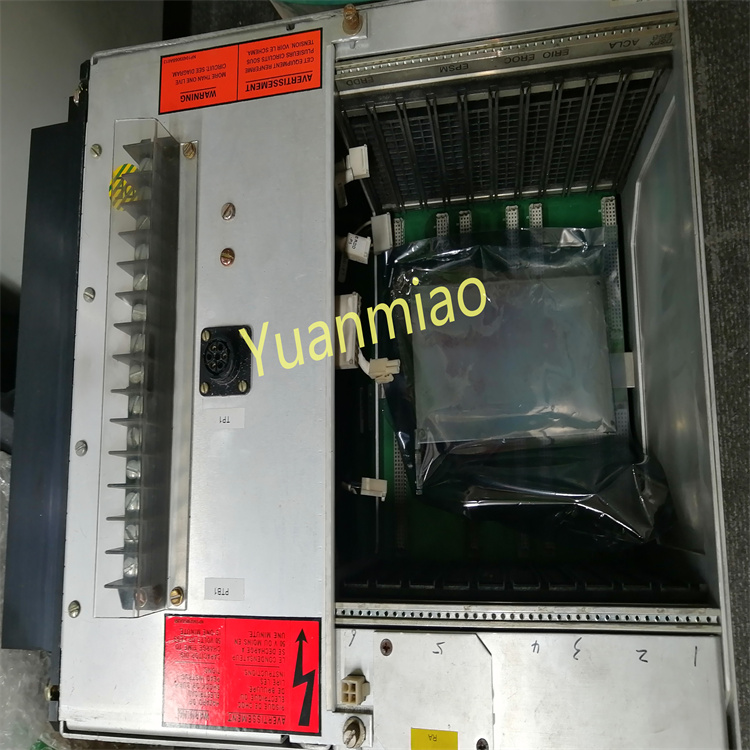
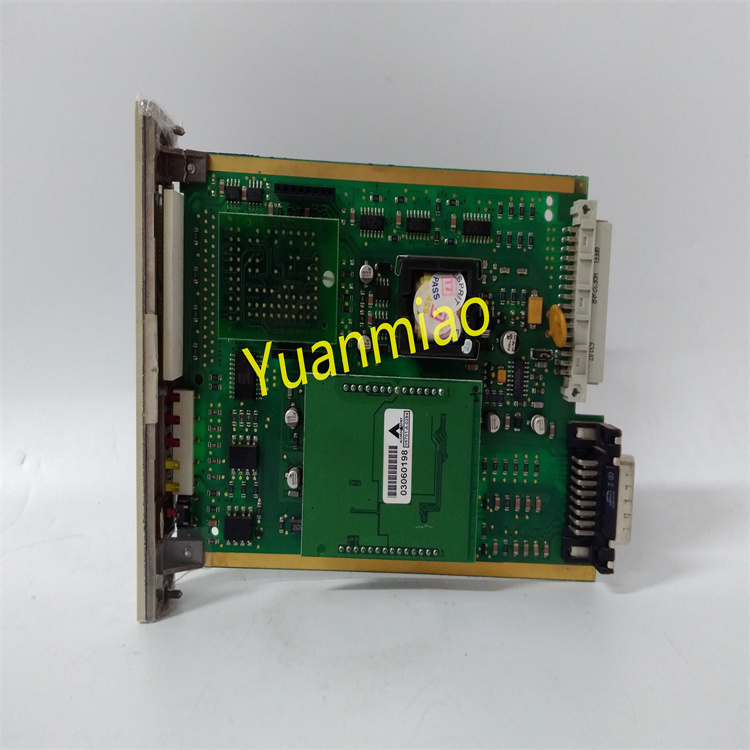
Honeywell 51306673-100 is a core EPNI (Enhanced Process Network Interface) module for Honeywell TDC3000 DCS systems. It acts as a key communication hub, responsible for protocol conversion, high-speed data interaction, command forwarding and link management between the main control network and field I/O subsystems.
Adopting industrial-grade high-integration chip architecture, the module features high-speed transmission, data error correction, full-cycle fault diagnosis and fault-tolerant operation. It is fully compatible with TDC3000 racks and supporting NIM cards, widely used in petrochemical, power, water treatment and metallurgical industries for system expansion, faulty module replacement and network stability upgrading.
2. Technical Specifications
2.1 Core Function & Communication Specifications
- Model: 51306673-100, Type: EPNI Enhanced Process Network Interface Module
- System Compatibility: Exclusively adapted for Honeywell TDC3000 DCS system with native bus protocol matching
- Core Functions: Network link bridging, protocol conversion, bidirectional data forwarding and link status management
- Supported Protocols: DCS dedicated industrial protocol, compatible with TCP/IP and UDP general network protocols
- Network Topology: Supports star and bus industrial network structures for diverse on-site networking schemes
- Transmission Performance: High-speed low-latency data transmission to meet real-time industrial control requirements
- Data Processing: Built-in high-speed data calculation and error correction mechanism to avoid data loss and transmission errors
2.2 Electrical & Power Specifications
- Power Supply: 24V DC power supplied by TDC3000 system rack backplane, no external power required
- Operating Current: Stable rated current with strong voltage fluctuation resistance
- Power Consumption: Low-power design with low heat generation, stable for long-term full-load operation
- Electrical Isolation: Built-in hardware isolation to prevent signal crosstalk and surge damage to main control equipment
2.3 Diagnosis & Operation Characteristics
- Power-on Self-test: Comprehensive self-inspection of hardware, ports, links and power loop with abnormal alarm locking
- Real-time Link Diagnosis: Continuously monitors network status, data quality, communication interruption and link jitter faults
- Fault Memory: Power-off fault data retention for accurate fault tracing and analysis
- Status Indication: Onboard LED indicators for visual display of operation, communication and fault status
- Fault-tolerant Operation: Temporary link abnormalities will not cause system communication interruption with self-recovery capability
- Redundancy Adaptation: Supports system network redundant architecture to improve overall communication stability
2.4 Environmental & Protection Specifications
- Operating Temperature: 0℃~+50℃, suitable for long-term closed cabinet constant temperature operation
- Storage Temperature: -40℃~+70℃, excellent high and low temperature shock resistance
- Humidity Range: 5%~95%RH (non-condensing), dust-proof and moisture-proof
- EMC Performance: Industrial anti-interference design resisting harmonic and electromagnetic crosstalk
- Certification: CE, FM, CSA international industrial safety certified
2.5 Physical Structure Specifications
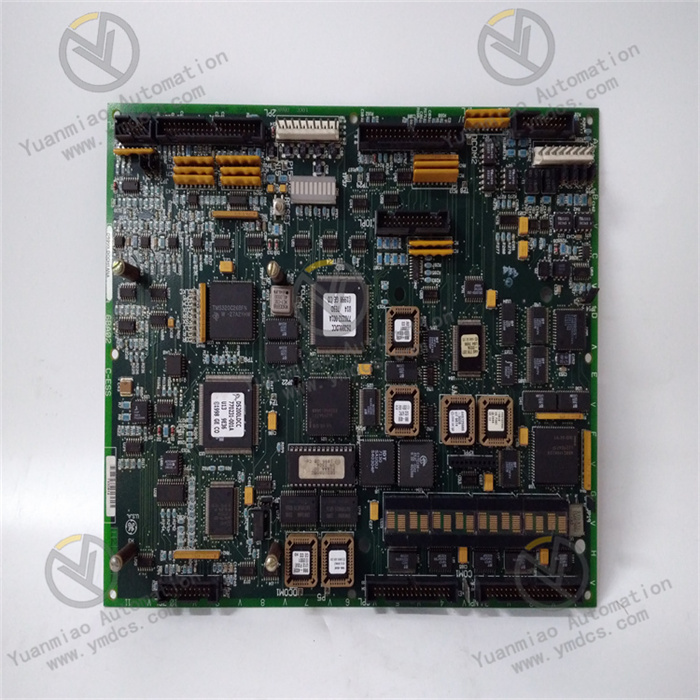
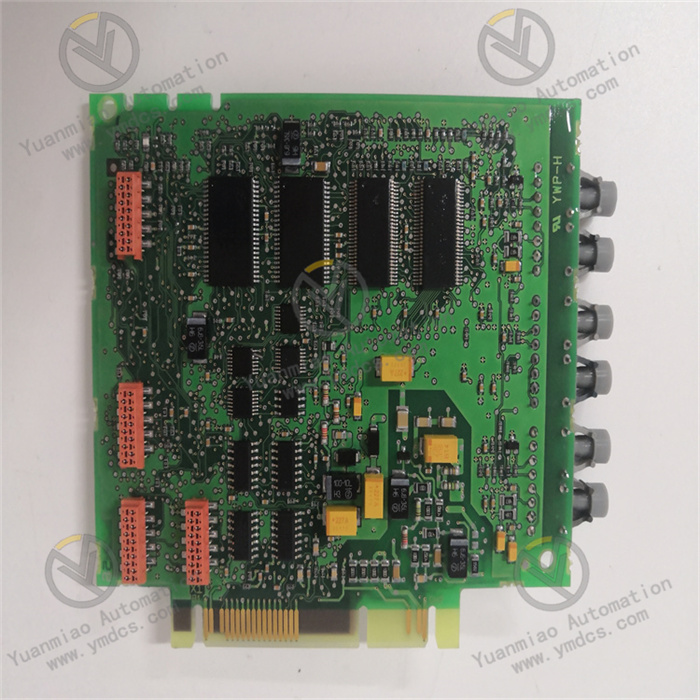
- Structure Type: Standard TDC3000 modular DCS board with high integration and compact layout
- Installation Method: Backplane slot plug-in installation, easy assembly and disassembly
- Structural Performance: Vibration-resistant and loose-proof design for long-term industrial operation
- Matching Devices: Perfectly compatible with TDC3000 NIM cards for stable integrated networking operation
3. Working Principle
- Power-on Initialization & Self-test: After 24V DC backplane power-on, the module completes full hardware self-inspection, loads protocol parameters, establishes communication links with the main control system and I/O subsystem, and enters standby state.
- Command Reception & Parsing: Receives control and configuration commands from the DCS main controller, completes decoding, verification and error correction to filter invalid interference data and ensure command accuracy.
- Cross-layer Data Bridging & Forwarding: Acts as the core communication hub, forwards valid commands to field I/O modules, and uploads field operating parameters, equipment status and fault information to realize bidirectional data interaction.
- Data Processing & Standardization: Filters, corrects and standardizes field collected data to eliminate abnormal points and ensure accurate and stable data uploading.
- Real-time Monitoring & Fault Tolerance: Continuously monitors link quality and data integrity, automatically corrects minor errors, and activates fault-tolerant mechanism for transient link jitter to maintain uninterrupted communication.
- Fault Alarm & Status Locking: Triggers local LED alarm and remote fault code uploading when communication abnormality occurs, locks fault status for rapid troubleshooting and automatic recovery after fault elimination.
4. Application Scenarios
4.1 TDC3000 DCS System Core Networking
As an essential core communication board for Honeywell TDC3000 systems, it builds a high-speed communication bridge between the main control system and field I/O subsystem, ensuring accurate command delivery and real-time data uploads to support stable closed-loop control of continuous production processes.
4.2 Industrial Process Real-time Control
Provides stable communication support for process parameter regulation, equipment start-stop interlock and safety protection logic, ensuring real-time, accurate and safe industrial production control and avoiding process fluctuations caused by communication abnormalities.
4.3 Old DCS System Expansion & Renovation
Suitable for I/O point expansion and network upgrading of legacy TDC3000 systems. It is fully compatible with original system protocols, racks and wiring, realizing low-cost system function expansion and communication performance improvement without program and hardware modification.
4.4 Spare Part Replacement & Daily Maintenance
Directly replaces aging and faulty EPNI modules to quickly restore DCS network communication functions, solve problems such as data stuttering and command failure, shorten equipment downtime and reduce operation and maintenance costs.
4.5 System Stability Upgrading
Replacing old low-performance communication boards with excellent anti-interference, error correction and fault-tolerant capabilities improves the overall network stability of DCS systems, reduces data loss and communication flash disconnection faults, and adapts to 24/7 uninterrupted industrial production.