Description
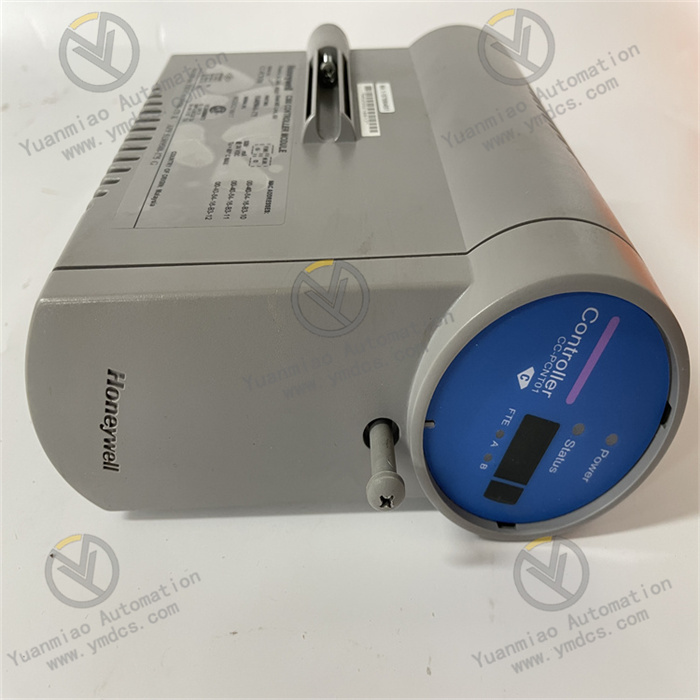
Honeywell CC-MCAR01
1. Basic Information
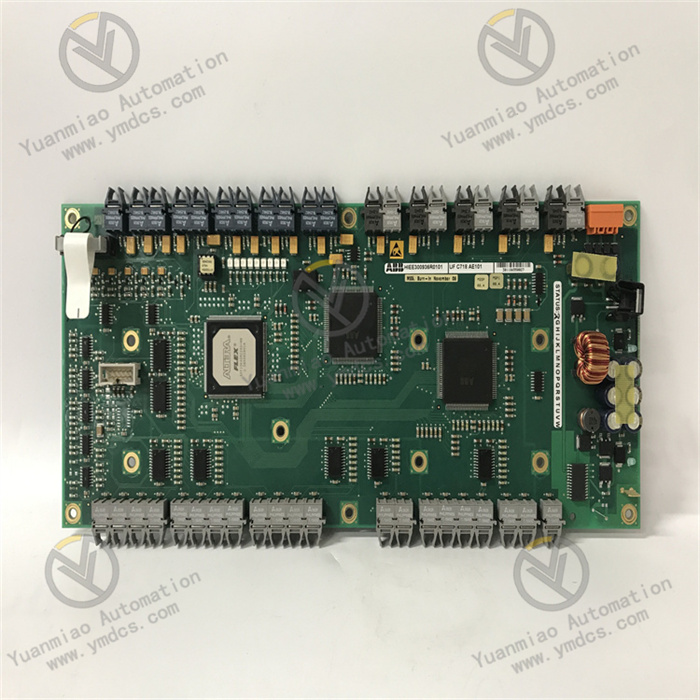
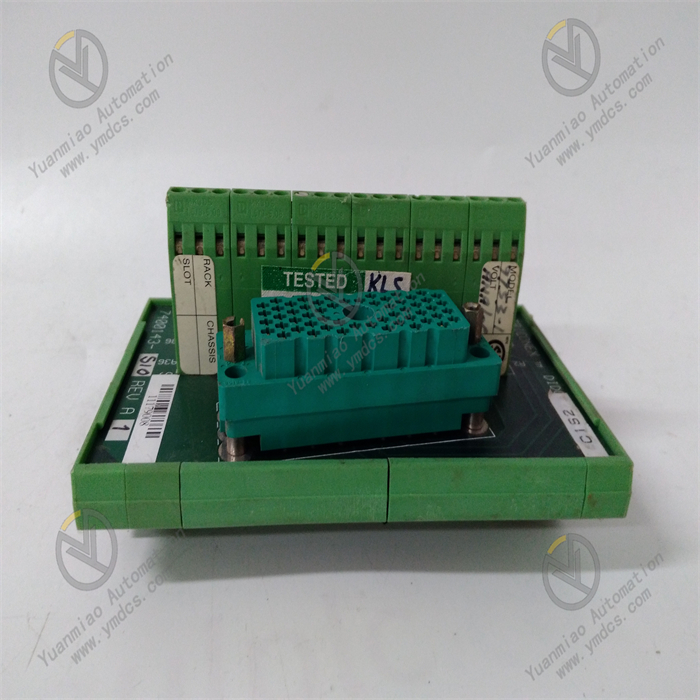
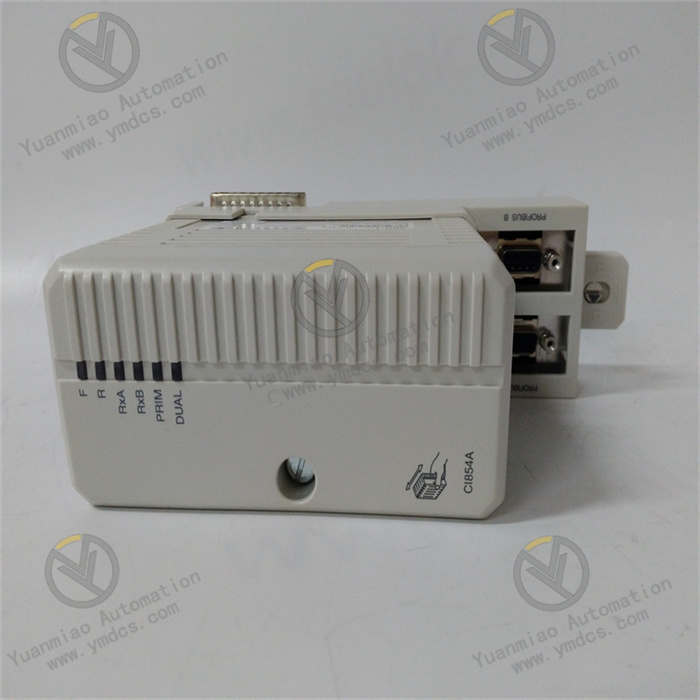
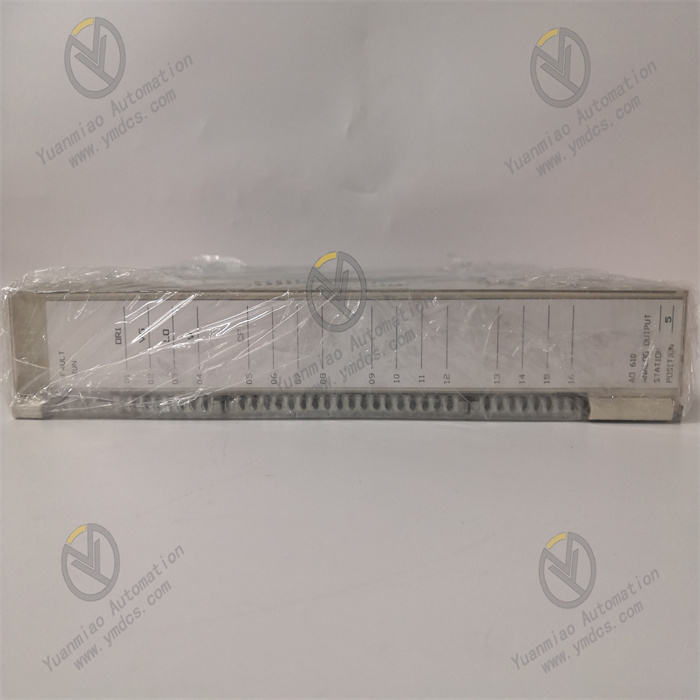
Honeywell CC-MCAR01 (Part No.: 51403892-100) is a dedicated Carrier Channel communication expansion module for Honeywell C300 DCS control systems. It acts as a core bus transmission and protocol conversion unit, responsible for carrier bus scheduling, multi-device data forwarding and link management.
Supporting multiple industrial protocols such as Modbus TCP/IP and Profibus, hot-swap maintenance and link redundancy, the module features low power consumption, strong anti-interference and high operational stability. It is widely used in petrochemical, power and water treatment industries for C300 system network expansion, communication optimization and faulty spare part replacement.
2. Technical Specifications
2.1 Core Function & Communication Specifications
- Model: CC-MCAR01, Part No.: 51403892-100, Type: C300 Carrier Channel Communication Expansion Module
- System Compatibility: Fully adapted to Honeywell C300 DCS system bus architecture
- Core Functions: Carrier bus data transceiving, multi-device scheduling, protocol conversion and link fault tolerance
- Supported Protocols: Modbus TCP/IP, Profibus and other mainstream industrial protocols
- Slave Device Capacity: Supports up to 32 Profibus slave devices per module
- Transmission Performance: High throughput and low latency for real-time process data interaction
- Expansion Capability: Effectively expands the communication interface capacity of C300 controllers
- Redundancy Feature: Communication link redundancy avoids single-point network failure
2.2 Electrical & Power Specifications
- Power Supply: Rack backplane power supply, compatible with 5V DC and 24V DC
- Operating Voltage: 3.3V~5.5V, rated 24V DC with wide voltage fluctuation resistance
- Power Consumption: Less than 6W, low heat generation for long-term full-load operation
- Power Redundancy: Supports redundant power input to ensure continuous operation
- Protection Mechanism: Built-in over-voltage, over-current, surge and ESD protection
- Signal Isolation: Port electrical isolation to eliminate bus crosstalk and signal interference
2.3 Diagnosis & Operation Characteristics
- Power-on Self-test: Comprehensive self-inspection of chip, port, power and protocol stack
- Real-time Link Monitoring: Continuously monitors bus status, slave online status and data quality
- Fault Diagnosis: Automatically identifies link disconnection, protocol mismatch and data exceptions
- Status Indication: Onboard LED indicators for operation, communication and fault status
- Hot-swap Support: Online plug-and-play maintenance without system shutdown
- Fault Tolerance & Self-recovery: Isolates faulty devices automatically and recovers after troubleshooting
2.4 Environmental & Protection Specifications
- Operating Temperature: -20℃~+60℃, suitable for long-term cabinet operation
- Storage Temperature: -40℃~+85℃, excellent temperature impact resistance
- Humidity Range: 5%~95%RH (non-condensing), dust-proof and moisture-proof
- EMC Performance: Industrial anti-interference design resisting electromagnetic and harmonic interference
- Structural Stability: Vibration-resistant reinforced design for long-term industrial operation
- Protection Grade: IP20 standard for indoor industrial cabinet installation
2.5 Physical Structure Specifications
- Structure Type: Compact high-integration modular carrier communication board for C300 system
- Installation Method: Dual installation support for standard I/O rack and DIN rail
- Dimensions: 120mm × 75mm × 67mm, space-saving compact layout
- Weight: Approx. 0.4kg, lightweight without extra cabinet load pressure
- Wiring Mode: Standard screw terminal wiring for convenient maintenance
3. Working Principle
- Power-on Initialization & Handshake: After backplane power-on, the module completes full hardware self-test, initializes carrier bus parameters and protocol rules, synchronizes system clock, and establishes communication handshake with the C300 controller.
- Networking & Device Registration: Scans field slave devices automatically, completes identity recognition and protocol matching, and builds a stable carrier channel bus topology for multi-device interconnection.
- Bidirectional Protocol Conversion & Data Forwarding: Parses and uploads field device operating data and alarm information, converts and forwards upper control commands and configuration parameters, realizing cross-device real-time data interaction.
- Multi-channel Scheduling & Bandwidth Management: Intelligently allocates bus bandwidth and schedules multi-device data transmission in time-sharing mode to avoid network congestion and ensure efficient and orderly data interaction.
- Link Monitoring & Data Error Correction: Monitors real-time link quality and data integrity, automatically filters interference noise and corrects minor data errors to maintain continuous and stable bus communication.
- Fault Isolation & Self-recovery: Isolates abnormal channels and faulty devices to prevent fault spread, automatically re-network and synchronize data after fault elimination, and uploads fault information for operation traceability.
4. Application Scenarios
4.1 C300 DCS System Carrier Bus Networking
As the core expansion hardware of C300 DCS system, it undertakes bus networking and multi-device collaborative control tasks, expands the controller's communication capacity, and forms a stable hardware foundation for the overall coordinated operation of the automatic control system.
4.2 Multi-protocol Industrial Device Access
Realizes unified access of field devices with different communication protocols such as Modbus and Profibus to C300 system, solves the problem of incompatible protocols of new and old equipment, and realizes integrated management of factory automatic control equipment.
4.3 DCS System Communication Capacity Expansion & Upgrading
Solves the problem of insufficient native communication interfaces of C300 controllers, supports up to 32 additional slave devices access, and completes low-cost system network scale expansion without modifying the main control program and cabinet structure.
4.4 Legacy C300 System Maintenance & Fault Replacement
Supports hot-swap online replacement of aging and faulty carrier modules, quickly restores bus communication functions without system shutdown, effectively reduces maintenance time and production shutdown losses.
4.5 Communication Stability Optimization for Complex Working Conditions
Adapts to harsh industrial environments with strong electromagnetic interference, optimizes bus anti-interference and fault tolerance capabilities, reduces data loss and device offline faults, and improves the overall operational reliability of C300 DCS systems.