Description
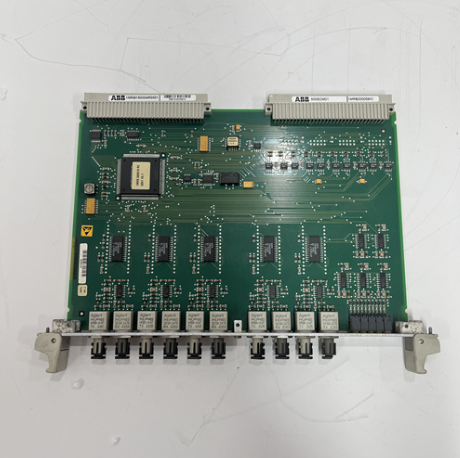
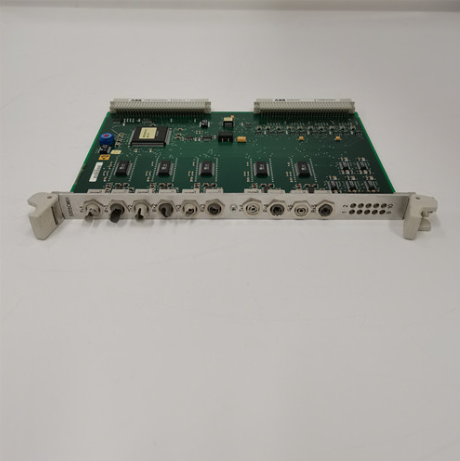
ABB 500SCM01 1MRB200059/C 1MRB15004R0001
I. Basic Information
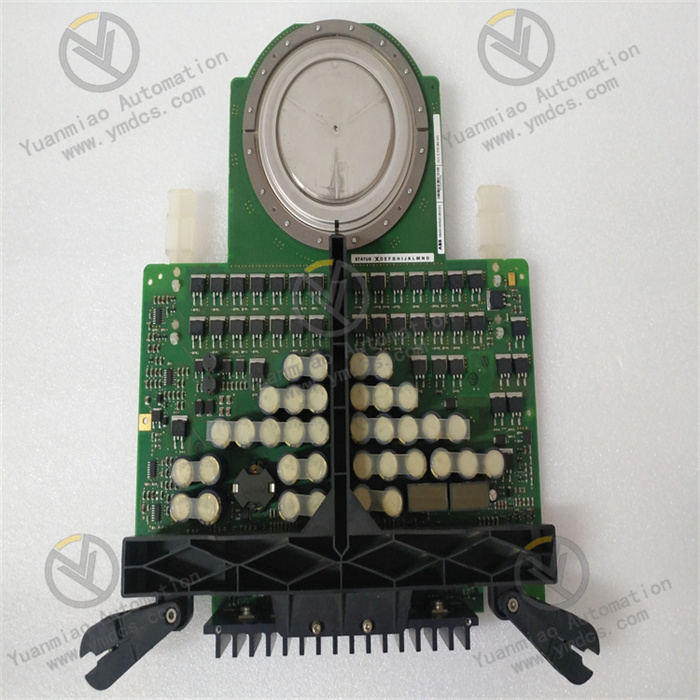
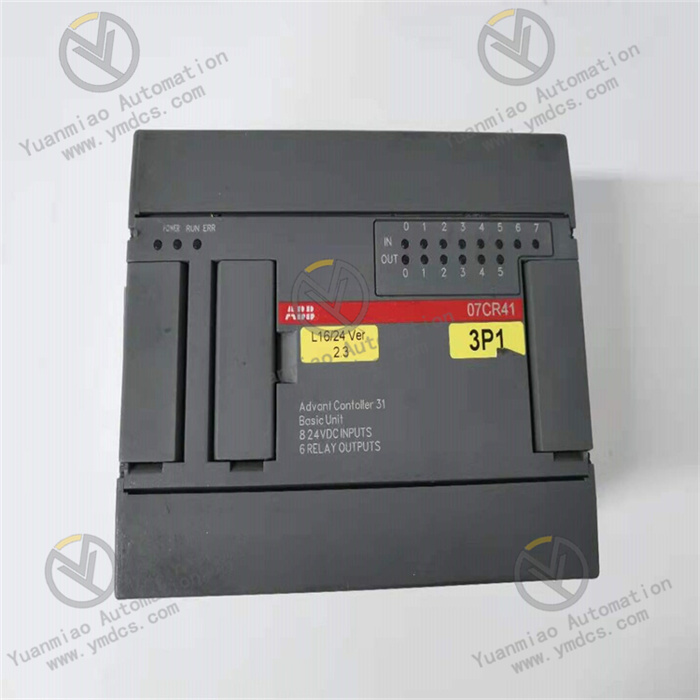
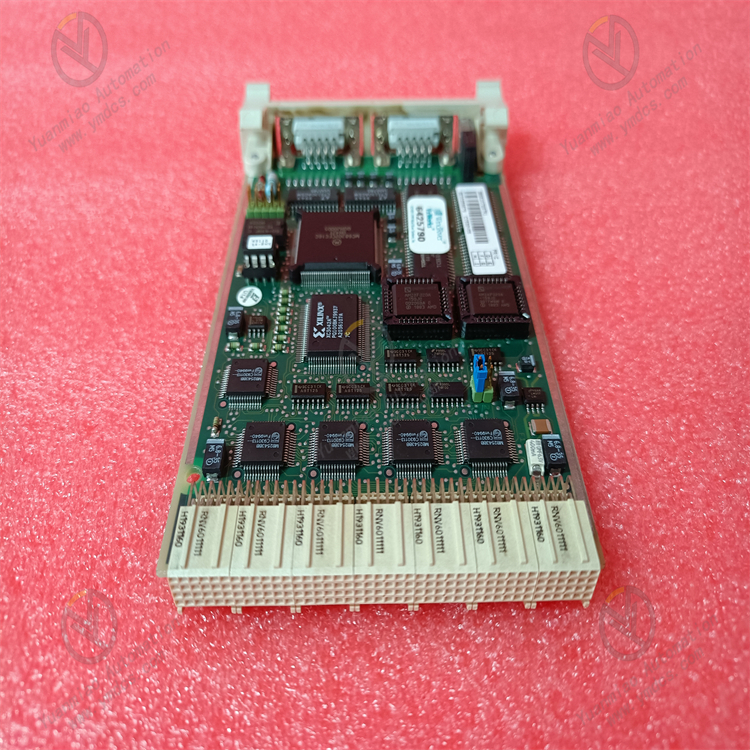
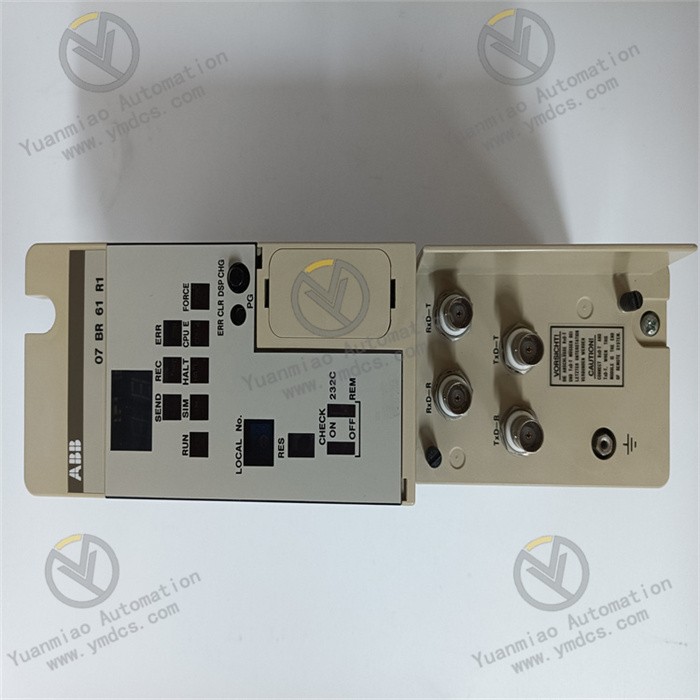
ABB 500SCM01 (Part No.: 1MRB200059/C, 1MRB15004R0001) is a dedicated Star Coupler System Configuration Module (SCM) for the AC500 series. As the core bus coupling unit of AC500 PLC control systems, it realizes star-bus topology networking and synchronous signal coupling among multiple controllers, I/O stations and communication subsystems. Specially developed for high-reliability redundant industrial networking, distributed I/O expansion and multi-device coordinated control, the module integrates bus data links of AC500 CPUs, expansion modules, field instruments and drive units to resolve bus contention, timing offset and signal latency across multi-station systems.
II. Technical Specifications
(1) Basic Hardware Parameters
- Model: 500SCM01
- Part Codes: 1MRB200059/C, 1MRB15004R0001
- Brand: ABB (Original Swiss Manufacture)
- Type: AC500 Series Star Coupler / System Bus Configuration Module (SCM)
- Application Range: Large-scale AC500 PLC bus networking, multi-point distributed I/O expansion, multi-branch topology construction, multi-unit industrial interlock control, redundant automation systems, distributed assembly line control and chemical & metallurgical process control systems
- Hardware Architecture: Dedicated industrial star-coupling bus design integrated with signal reshaping unit, bus timing calibration unit, link isolation protection unit and high-speed data forwarding unit
- Network Topology: Supports standard star bus topology; a single module centralizes multiple bus branches to replace conventional daisy-chain bus structure and avoid full-network shutdown triggered by single-point failure
- Mounting: Standard DIN rail mounting matching standard AC500 PLC cabinet layout for easy installation and compatibility with integrated control cabinets
- Protection Class: IP20 overall protection against dust, moisture and mild contamination inside electrical cabinets
- Mechanical Design: Compact modular industrial housing with no redundant mechanical components for dense cabinet mounting
- Compliance Standards: IEC61131-3 industrial automation standard, industrial bus communication specifications and high-grade EMC industrial criteria
Core Function Positioning: AC500 star-bus networking, multi-branch link coupling, bus signal conditioning & noise reduction, full-network timing synchronization, bus fault isolation, system capacity expansion and coordinated management of distributed field stations
(2) Rated Electrical Parameters
- Operating Supply: Standard DC24V (±10%) DC power supply compliant with unified AC500 power distribution; withstands on-site voltage fluctuation and instantaneous voltage drop
- Rated Frequency: 50Hz/60Hz universal industrial frequency compatible with global mainstream power grids
- Power Consumption: Low-power circuitry with low heat emission for long-term sealed cabinet continuous operation
- Bus Drive Capability: Synchronous driving of multiple bus branches supporting connection of numerous remote I/O stations and functional modules with strong load expansion performance
- Signal Isolation: Electrically isolated bus branches to prevent fault propagation from a faulty leg into the main bus backbone
Power-up Protection: Integrated soft start, overvoltage, overcurrent and reverse polarity protection to avoid module damage caused by miswiring or power-on surge
(3) Bus Coupling & Transmission Performance
- Bus Forwarding Speed: High-speed real-time forwarding with microsecond-level delay to guarantee uniform synchronous timing across multi-station signals
- Signal Reshaping: Automatic reshaping, amplification and waveform restoration for attenuated or distorted bus signals to improve long-distance transmission stability
- Timing Synchronization Calibration: Embedded bus timing logic unifies sampling and communication cycles of multi-branch I/O stations and eliminates timing deviation during multi-device interlocking
- Bus Fault Tolerance: Automatic isolation and disconnection of faulty individual branches while remaining network segments keep running, greatly enhancing system redundancy and fault tolerance
- Maximum Expansion Scale: Enables large-scale distributed I/O networking for AC500 to meet multi-point and multi-station upgrade requirements of large automated production lines
Error Correction Mechanism: Built-in algorithms for frame check, retransmission and noise filtering to reduce packet loss and data corruption induced by industrial electromagnetic interference
(4) Interface & Expansion Parameters
- Bus Ports: Multiple dedicated AC500 bus coupling ports for main bus and multi-branch connection
- Compatibility: Fully compatible with full range of AC500 CPU modules, digital/analog I/O modules, communication modules and special expansion modules
- Remote Networking: Supports installation of remote distributed I/O stations and extended long-distance bus transmission beyond traditional distance limits
Status Indication: LED indicators for running status, bus link status and fault status for visual operational monitoring
(5) System & Communication Compatibility
- System Adaptability: Natively matches underlying AC500 bus protocol; plug-and-play without complicated programming setup
- Communication Compatibility: Works with upper-layer protocols including Modbus TCP and Modbus RTU without occupying native system communication resources
- System Coordination: Cooperates with CPU to realize full-network bus monitoring, link diagnosis, fault alarming and topology identification
Maintenance Function: Supports online system diagnosis; programming software can retrieve bus link status, fault codes and operation logs
(6) Environmental Specifications
- Operating Temperature: -20℃ ~ +60℃ wide industrial range adapting to seasonal ambient variation and cabinet heat buildup
- Storage Temperature: -40℃ ~ +85℃ for long-distance shipment and prolonged warehousing
- Operating Humidity: 5% ~ 95% RH (non-condensing), resistant to humid sealed cabinet conditions and condensation risks from temperature swings
- Environmental Resistance: Complies with high-level EMC specifications against intensive EMI, voltage surges and mechanical vibration for high-interference metallurgical and chemical sites
- Cooling Mode: Passive convection cooling with fully enclosed fanless construction; zero mechanical wear and maintenance-free service
- Pollution Degree: Industrial Pollution Degree 2 suitable for regular dusty and mildly corrosive workshop environments
III. Key Features
Star Topology Prevents Full-network Failure from Single-point Defect: The industrial star-coupling design replaces traditional daisy-chain bus, splitting a single trunk into independent branches. Faulty branches get isolated automatically without total network collapse and greatly improves operational redundancy and safety of AC500 automation systems.
Bus Signal Conditioning Improves Long-distance Transmission: Built-in amplification and waveform repair algorithms recover attenuated and distorted signals after long-distance transmission under heavy interference, extending valid bus range and ensuring precise and stable data transfer of distributed I/O stations.
- Full-network Timing Synchronization Ensures Zero Interlock Offset: Unified communication and sampling timing across all branches fixes timing chaos and linkage delay in distributed multi-station control and delivers high synchronization accuracy for coordinated assembly line operation.
Electric Isolation Delivers Superior Anti-interference & Fault Tolerance: Mutual electrical separation among branches stops fault and noise cross-contamination; combined with frame error correction and clutter filtering, the module reliably operates under severe industrial EMI and fluctuating working conditions.
- Large-scale System Expansion for Heavy-duty Automation: Breaks single-CPU bus loading limits via parallel multi-branch expansion to accommodate high-point-count I/O systems and distributed control architectures for medium-to-large production line upgrades.
- Plug-and-play with Minimal Configuration for Easy Maintenance: Native AC500 bus compatibility eliminates complex coding and protocol setup; the unit auto-detects topology and links after power-up to cut commissioning and after-sales maintenance workload drastically.
- Rugged Industrial-grade Maintenance-free Design: Compact fanless sealed construction with wide-temperature and high anti-vibration performance enables reliable 24/7 unattended industrial operation free of mechanical failure risks.
IV. Working Principle
- Power-on Initialization & Self-test: After being fed with DC24V power, the module automatically runs hardware circuit inspection, bus chip initialization, port detection, protocol matching and topology validation, and switches to standby coupling mode upon successful self-check.
Bus Topology Recognition & Link Establishment: Auto-detects main and branch bus layout, completes branch handshaking, address matching and bus parameter configuration to build a stable star network structure.
- Bus Signal Acquisition & Waveform Restoration: Continuously receives incoming data from main and branch buses; filters, reshapes and amplifies degraded signals to restore standard waveform and guarantee transmission quality.
- Synchronous Multi-branch Forwarding & Timing Tuning: Centralizes data scheduling across all branches, enables bidirectional data exchange between backbone and tributary buses, and synchronizes communication cycles to remove inter-station timing drift.
Real-time Fault Monitoring & Branch Isolation: Tracks link, frame and electrical status of every bus branch; instantly cuts off short-circuited, open or malfunctioning branches to safeguard the main network and remaining healthy segments.
- Bus Error Correction for Stable Data Delivery: Uses embedded frame verification, retransmission and noise suppression to eliminate error data caused by field electromagnetic disturbance and ensure accurate delivery of full-network I/O data, control commands and status messages.
- Status Upload & Maintenance Interaction: Collects real-time bus topology, link health and fault information and uploads to the AC500 master CPU; enables online diagnosis, topology browsing, fault location and system tuning via host software.
- Steady Continuous Network Operation: Under fault-free conditions, the module maintains stable star-bus operation with ongoing data forwarding, timing sync and signal optimization to sustain coordinated, synchronous and reliable performance of the whole distributed automation system.
V. Application Scenarios
(1) Star Bus Construction for Large AC500 Systems
Primarily used in medium & large AC500 PLC automation systems to build robust star topology as a substitute for unstable daisy-chain bus; eliminates full-line outage risks for complex multi-point, multi-module and multi-station control applications.
(2) Long-distance Expansion of Distributed I/O Control
Ideal for shop-floor distributed I/O, remote workstation control and cross-area equipment interlock; its signal enhancement overcomes conventional bus distance limits to secure accurate and real-time data acquisition and field control for remote sites.
(3) Coordinated Multi-device Interlock Control Systems
Extensively adopted for automated assembly lines, multi-unit synchronous control and integrated linkage machinery; full-network timing synchronization eliminates action lag and timing skew to boost line coordination and production process stability.
(4) High-reliability Redundant Industrial Control Systems
Deployed in mission-critical continuous-process plants for chemical, metallurgical and light industries; branch fault containment and reconfiguration prevent full production shutdown induced by isolated faults and improve overall system availability.
(5) Capacity Expansion & Retrofit of Legacy AC500 Installations