I. Basic Information
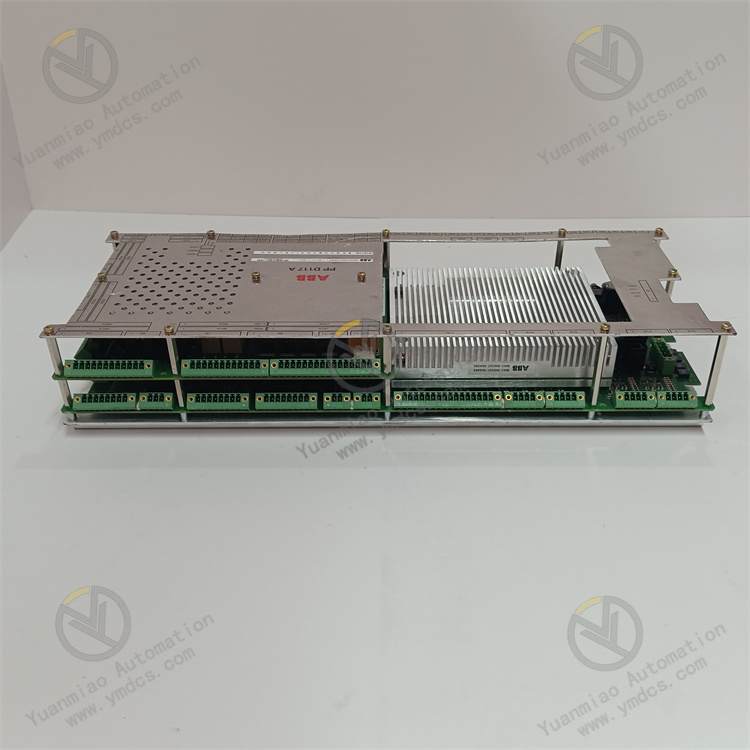
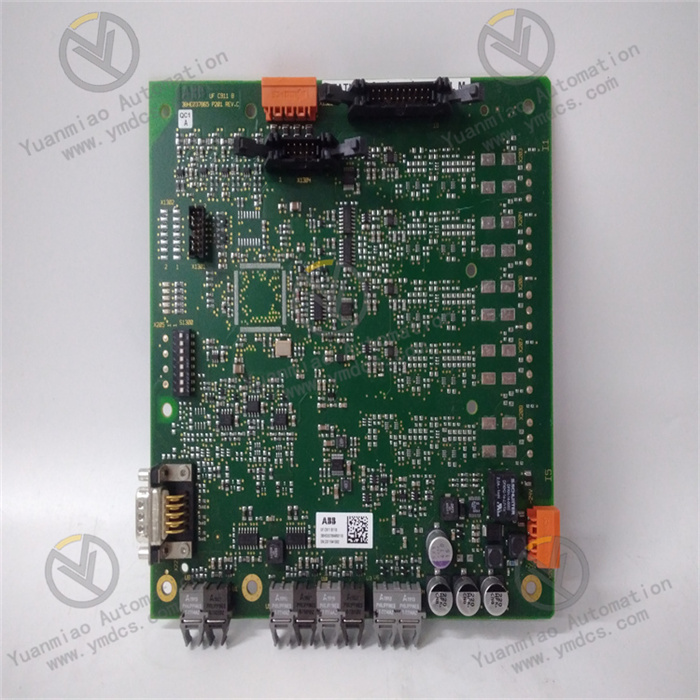
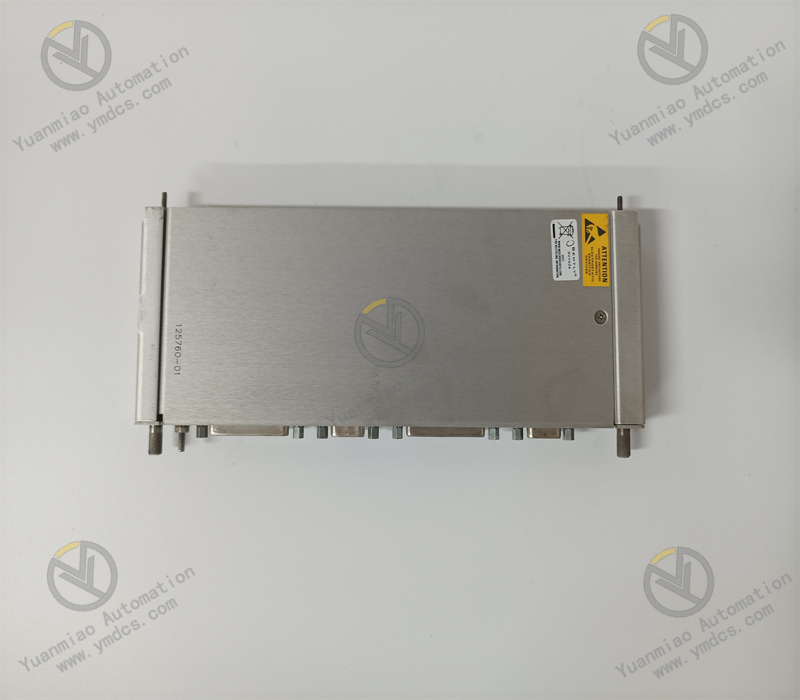
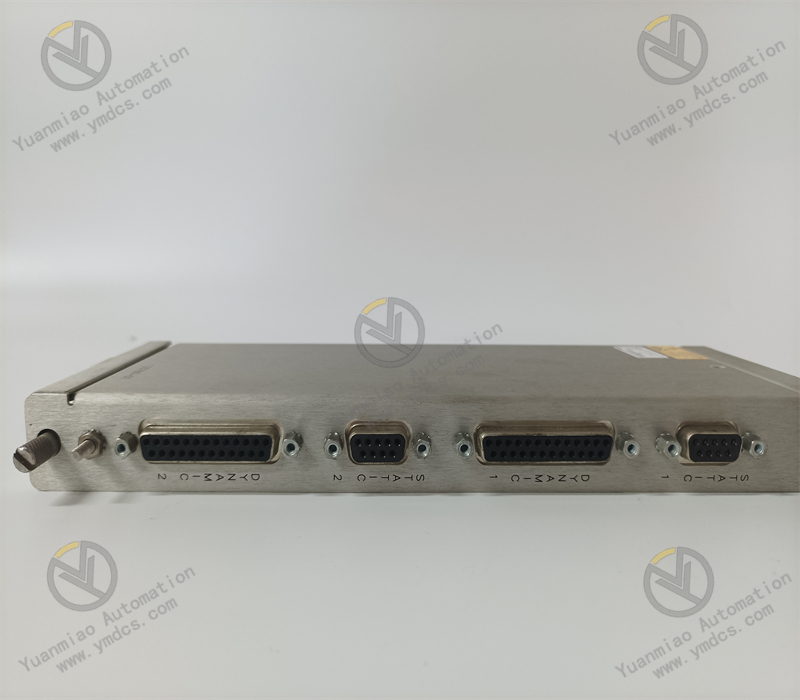
Model:3500/20 135031-01
Brand:Bently Nevada
Product Positioning
The Bently 3500/20 Rack Interface Module (RIM) is the core communication and logic hub of the complete 3500 machinery protection system. It provides unified data interaction, configuration management, status diagnosis and system synchronization services for the entire rack, serving as an essential basic module for 3500 racks. Unlike parameter monitoring cards, it has no sensor acquisition function. Its core functions include overall system scheduling, configuration downloading, data aggregation and uploading, system status monitoring, trip multiplication logic control and rack clock synchronization. All vibration, displacement and temperature monitoring data, alarm status and fault information of the 3500 system are uniformly scheduled and output through this module. It is widely used in complete sets of TSI monitoring and protection systems, transformation of old systems, replacement of faulty modules and communication expansion of major rotating equipment such as steam turbines, compressors and gas turbines in thermal power, petrochemical, coal chemical and metallurgical industries.
Hardware Architecture
Adopting industrial high-speed bus interface architecture, it integrates a dedicated rack bus protocol processing core, serial communication processing unit, system logic controller, full-domain status monitoring circuit, fault latching and reset module, forming a complete system scheduling and data interaction system. The board adopts military-grade multi-layer PCB isolation wiring with complete separation of strong and weak currents, built-in EMC electromagnetic filtering, surge suppression and electrostatic protection circuits, completely eliminating system communication abnormalities and logic disorders caused by bus crosstalk, voltage fluctuation and electromagnetic interference. Adopting pure solid-state integrated circuit design without mechanical loss parts, it features low power consumption and low heat generation, supporting 7×24-hour uninterrupted continuous operation with no bus drift, no communication packet loss and no logic failure during long-term operation. The independent hardware self-diagnosis system can real-timely monitor full-domain working conditions such as rack bus, module mounting, system configuration and power supply status.
Mounting Specification
It must be installed in the first slot of the standard 3500 series 19-inch rack (close to the power supply), perfectly matching the backplane bus contacts, power supply interfaces and buckle locking structure of 3500 racks with stable plugging and accurate bus docking. It is the first core control unit of the entire rack and cannot be installed in arbitrary positions. The front panel is equipped with four sets of multi-function status indicator lights, including OP operation light, TX/TR communication light, TM trip multiplication light and CONFIG OK configuration normal light, which can intuitively feed back core working conditions such as rack system operation status, bus communication, trip multiplication activation and configuration validity, supporting rapid on-site inspection, system status verification and accurate fault location. It fully complies with Bently original factory specifications for installation, wiring and commissioning, and can coordinate the operation of all modules in the whole rack after power-on.
Compatible Systems
Natively fully compatible with the full range of Bently 3500 machinery protection monitoring systems, it can seamlessly dock with all 3500 series monitoring modules, power modules, backplanes and configuration software, serving as the only core interface and configuration hub of 3500 racks. It supports standard RS232 serial communication protocol, which can be directly connected with upper computer configuration software and industrial debugging equipment to realize system parameter configuration, program downloading, data reading and fault log retrieval. It can link with DCS, PLC and SCADA upper industrial control systems to complete centralized uploading of whole rack monitoring data, alarm information and system status, adapting to the networking requirements of intelligent centralized factory management and supporting coordinated networking and data synchronization of multiple racks.
Product Characteristics
As an original industrial safety-level system interface module, it has passed strict full-item tests including full-function aging, full-load bus pressure test, high and low temperature cycle impact, EMC electromagnetic compatibility and communication accuracy verification before delivery, with stable bus scheduling, accurate data transmission and excellent system fault tolerance. It has passed API 670 authoritative certification for industrial unit monitoring, fully meeting the operation standards of TSI safety monitoring systems for major rotating equipment. It is equipped with system configuration verification, bus fault identification, communication abnormality self-locking, trip multiplication logic control and full rack status monitoring functions, which can effectively avoid overall system failure, monitoring interruption and protection mis-operation caused by configuration errors, bus disturbances and module abnormalities. The maintenance-free solid-state design adapts to complex and harsh industrial working conditions and serves as the core basic unit to ensure long-term stable and reliable operation of the complete 3500 system.
II. Technical Specifications
1. Communication & Bus Parameters
Communication Protocol: StandardRS232 serial communication protocol, specially adapted for 3500 system configuration and data interaction with stable protocol and strong compatibility. Communication Baud Rate: Fixed 38.4k baud rate, realizing high-speed and stable transmission of system configuration data, real-time working condition parameters and fault log information with extremely low transmission delay, no data packet loss and no time sequence disorder. Bus Scheduling: Coordinates the 3500 rack backplane high-speed bus, uniformly manages data interaction, instruction synchronization and clock calibration of all modules in the rack, ensuring consistent time sequence and coordinated logic of multi-module parallel operation. Connection Capacity: Supports up to 32 upper computer connections, meeting the needs of multi-terminal commissioning, multi-device data reading and remote configuration monitoring with strong networking scalability.
2. Electrical & Power Consumption Parameters
Power Supply Specification: Adapted to standard centralized power supply of 3500 racks with wide voltage adaptive design, resisting small industrial grid fluctuations and instantaneous voltage disturbances, adapting to long-term continuous power supply working conditions of the whole system. Power Consumption: Typical power consumption 4.75W, ultra-low power consumption design with minimal heat generation under full load, no performance degradation due to overheating and no bus stalling. Electrical Isolation: Full-domain electrical isolation design with completely isolated bus interfaces, communication interfaces and power supply loops, high insulation and voltage resistance, eliminating module damage and system communication faults caused by high voltage series connection, signal crosstalk and electrostatic impact. Operating Current: Standard operating current 1.5A with stable load capacity, which can drive the whole rack bus scheduling and data interaction work for a long time.
3. System Logic & Status Parameters
Configuration Verification: Automatic system configuration detection and verification functions are enabled after power-on, which can automatically identify the integrity and compliance of rack module configuration and parameter configuration, and alarm immediately in case of abnormal configuration to avoid system logic errors caused by mismatched or missing configurations. Trip Multiplication Control: Integrated TM trip multiplication logic indication and control functions, which can accurately feed back the activation status of unit trip multiplication, adapting to the protection logic adjustment of special working conditions such as unit start-stop and process switching. System Self-Diagnosis: Real-timely monitors rack bus status, module mounting status, configuration validity, communication links and power supply working conditions for 24 hours, which can accurately identify hidden dangers such as bus interruption, module offline, configuration failure and communication faults, locking system status and alarming immediately in case of abnormalities. Status Indication: Four sets of LED indicators fully cover system operation, communication, configuration and trip status with visualized status and fast fault location.
4. Environmental Operating Parameters
Operating Temperature:-20℃~+65℃, ultra-wide temperature adaptation to complex high and low temperature working conditions of industrial cabinets, with no attenuation of bus scheduling, data transmission and logic operation performance in the full temperature range.
Storage Temperature:-40℃~+85℃
Operating Humidity:5%~95% RH, non-condensing, resisting humid and alternating water vapor working conditions of cabinets without condensation short circuit, circuit oxidation and communication failure.
Environmental Adaptation: It has passed full-domain EMC electromagnetic compatibility, industrial vibration impact and high and low temperature cycle tests, and can stably operate for a long time under harsh working conditions such as closed high temperature of cabinets, dust accumulation, continuous equipment vibration and high-frequency electromagnetic interference from frequency converters. It features stable bus operation and accurate data transmission, adapting to high-risk industrial scenarios such as thermal power, petrochemical and coal chemical industries.
5. Mechanical Structure Parameters
Overall Dimensions: 241.3mm×24.4mm×99.1mm (H×W×D), compact standardized rack card design, adapted to the first dedicated slot of 3500 racks with small space occupation, suitable for dense cabinet layout.
Weight: Approx. 0.45kg, lightweight reinforced structure with rack buckle locking installation, stable and anti-loosening, resisting long-term unit vibration impact without looseness or poor contact.
Structural Material: Industrial flame-retardant high-strength PCB and reinforced frame, anti-deformation, anti-aging, high and low temperature resistant and anti-corrosion, with no mechanical loss parts, adapting to 7×24-hour long-term continuous industrial operation.
III. Key Features
1. Overall System Hub for Full Rack Operation
As the only core interface module of the complete 3500 monitoring and protection rack, it undertakes the core function of overall system scheduling, uniformly managing the bus communication, data synchronization, logic coordination and clock calibration of all monitoring modules, power modules and communication units in the rack. All measured point vibration, displacement, temperature, speed monitoring data, alarm status and fault signals are summarized, verified, scheduled and output through this module, realizing the closed-loop operation of multi-module coordination of the whole rack system. Without the normal operation of this module, the complete 3500 rack cannot complete configuration, data transmission and system linkage. It is an indispensable basic core unit of the TSI monitoring and protection system, fully ensuring unified time sequence, consistent logic and synchronous operation of the unit monitoring system.
2. High-Speed Stable Communication & Accurate Data Interaction
Adopting high-speed RS232 serial communication architecture with a standard 38.4k baud rate for stable data transmission, it has excellent anti-interference ability and data error correction capability, which can effectively filter data distortion, packet loss and misalignment caused by on-site electromagnetic interference and bus fluctuation. It supports two-way interaction with upper computer configuration software, enabling fast completion of system parameter downloading, configuration modification, program upgrading and fault log reading for convenient and efficient commissioning. Meanwhile, it undertakes overall rack data uploading, accurately synchronizing real-time equipment working conditions, alarm information and system status to the upper industrial control system, ensuring consistent data between the central control terminal and on-site equipment, and providing accurate data support for unit operation and maintenance, fault analysis and process regulation.
3. Intelligent Configuration Check to Avoid System Logic Faults
The module is equipped with a dedicated configuration verification algorithm, which automatically scans the module configuration, parameter configuration and channel configuration integrity and compliance of the whole rack after power-on, accurately identifying configuration errors, missing parameters, module mismatch and program abnormalities. In case of abnormal configuration, it lights up the CONFIG OK fault indicator and locks the system status, prohibiting abnormal configuration from operation, fundamentally eliminating major hidden dangers such as system logic disorder, monitoring failure, false alarm and false interlock. It also has configuration memory and power-off saving functions, automatically loading the original configuration after power-off restart without repeated configuration, ensuring rapid system recovery and greatly reducing system commissioning and operation and maintenance costs.
4. Visual Status Monitoring for Fast Fault Location
Four sets of dedicated LED indicators on the front panel fully cover the core working conditions of the system: the OK light feeds back the hardware operation status of the module, the TX/TR light displays the real-time bus communication transceiving status, the TM light shows the activation status of trip multiplication logic, and the CONFIG OK light verifies the effectiveness of system configuration. On-site operation and maintenance personnel can quickly judge module faults, bus interruption, configuration abnormalities, communication failures and trip multiplication activation status without external debugging equipment, realizing visual and rapid fault location, greatly improving system inspection efficiency and fault disposal speed, and ensuring that the unit monitoring system is always in a normal ready state.
5. High-Reliability Fault-Tolerant Design for Long-Term Maintenance-Free Operation
The pure solid-state mechanical-free structure has no wear, no contact aging and no mechanical faults, adapting to 7×24-hour uninterrupted continuous industrial operation. Built-in multiple bus protection, data error correction and fault self-locking mechanisms ensure that single-point module abnormalities and instantaneous bus disturbances will not cause overall system paralysis with excellent system fault tolerance. Fully compliant with API 670 industrial unit safety standards, it features stable operation, reliable performance, no parameter drift, no communication attenuation and no logic failure during long-term operation. Perfectly adapted to the first slot of 3500 racks with convenient disassembly and strong replaceability, it can directly replace old faulty modules to quickly restore the operation function of the complete system and reduce the risk of unplanned unit shutdown.
IV. Working Principle
As the core scheduling and communication hub of the 3500 machinery protection system, the Bently 3500/20 135031-01 rack interface module is mainly responsible for overall rack system initialization, bus coordination, configuration management, data aggregation, status monitoring, logic control and upper computer interaction functions, serving as the core bridge connecting the underlying hardware of 3500 racks with upper computer configuration and industrial control systems. Fixedly installed in the first slot of 3500 racks, it realizes real-time linkage communication with all functional modules of the whole rack through the dedicated backplane high-speed bus, coordinating the operation logic and data transmission of the complete system.
After the rack is powered on, this module starts first, taking the lead in completing hardware self-inspection, bus initialization, overall module scanning, configuration parameter loading and verification. It automatically identifies the model and configuration of all monitoring modules and power modules mounted in the rack, checks the integrity and compliance of system configuration, lights up the CONFIG OK indicator after verification, completes overall system initialization, and unlocks the monitoring and protection functions of all rack modules. If configuration errors, missing modules, bus abnormalities or hardware faults are detected, it immediately locks the system status, lights up the fault indicator and prohibits system operation to avoid abnormal operation risks.
During normal system operation, the module continuously coordinates backplane bus data interaction, real-timely aggregates monitoring data, alarm status and fault information of each channel, completes data verification, time sequence calibration and format standardization. On the one hand, it supports local system logic operation and status display; on the other hand, it uploads data to upper computer configuration software and industrial control systems through RS232 serial communication. Meanwhile, it monitors rack operation status, communication links and trip multiplication logic throughout the process, updates panel indicator status in real time, and retains system operation and fault logs. The whole process adopts self-diagnosis and fault tolerance mechanisms to ensure unified time sequence, accurate logic, stable communication and reliable operation of the complete 3500 system.
V. Application Scenarios
1. Core Networking Matching for 3500 System Racks: As an essential core module for complete 3500 TSI monitoring and protection systems, it is used for networking of monitoring racks for major rotating equipment such as steam turbines, centrifugal compressors and gas turbines, coordinating the coordinated operation of overall rack modules and ensuring closed-loop system data transmission and logic control.
2. System Configuration, Commissioning and Operation & Maintenance: Undertakes the core functions of parameter configuration, program downloading, configuration modification, fault log reading and system commissioning of the complete 3500 system, serving as the core interaction unit for unit monitoring system commissioning, maintenance and daily operation.
3. Replacement and Upgrade of Old System Faults: In-situ replacement of aging 3500/20 modules with communication abnormalities, configuration failures and bus faults in old systems, quickly restoring the communication and scheduling functions of the complete system without transforming racks, wiring and system configuration.
4. Multi-System Data Linkage Management: Connects with upper DCS, PLC and configuration software to realize centralized uploading of unit vibration, displacement, temperature and other monitoring data, alarm status and system fault information, adapting to the scenarios of factory-wide centralized equipment monitoring, intelligent operation and maintenance and remote management.
5. Special Working Condition Logic Adaptation for Units: Relying on trip multiplication logic control function, it adapts to special working conditions such as unit start-stop, load switching and process adjustment, accurately regulates system protection logic, avoids false protection and false shutdown under special working conditions, and ensures stable unit operation.