Description
1. Overview
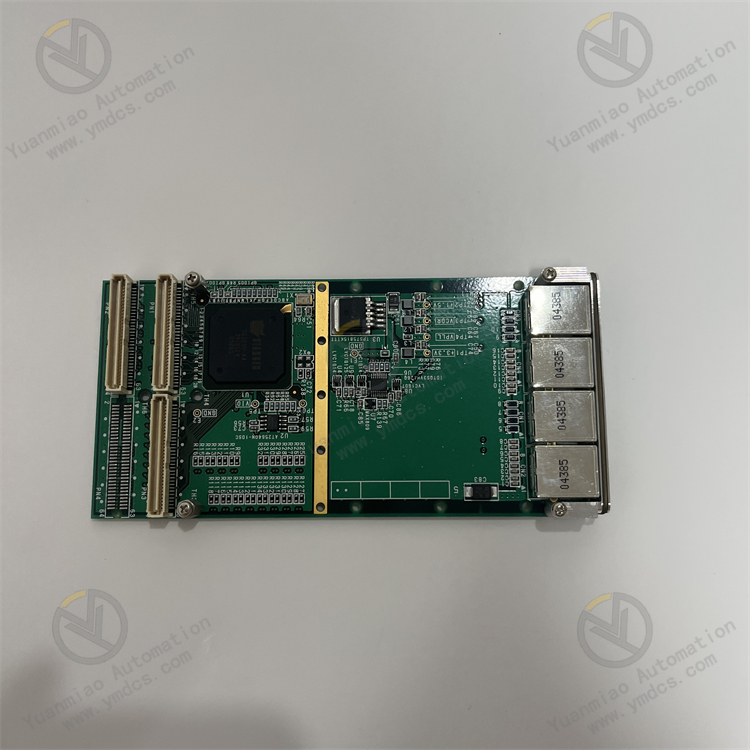
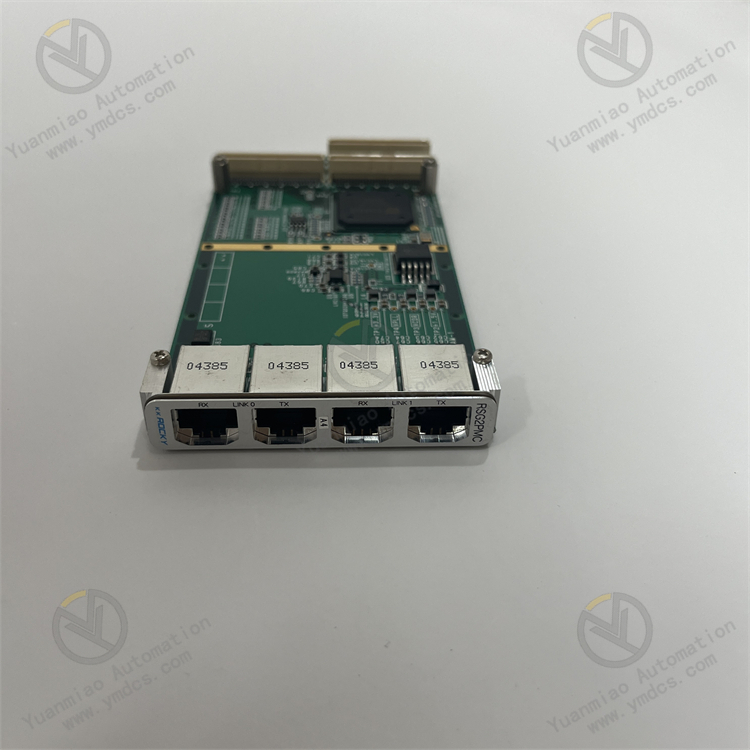
The RSG2PMC (model variant: RSG2PMCF-NK2) is a high-precision redundancy synchronization gateway module developed by Motorola for mission-critical industrial control, base station synchronization, power measurement & control, rail transit and military industrial control sectors. It belongs to the standard PMC (PCI Mezzanine Card) hardware system. Its core functions cover system clock synchronization, redundant signal forwarding, multi-device time sequence alignment and link fault-tolerant backup. It acts as an essential functional module ensuring system-wide unified timing and non-stop link operation for high-reliability industrial control systems, communication base station systems and power automation platforms.
Centered on core capabilities including dual-link redundancy, high-precision clock synchronization, lossless signal forwarding and automatic fault switching, the RSG2PMC and RSG2PMCF-NK2 differ from general communication modules by solving critical defects such as timing disorder in multi-device industrial networking, communication outage caused by single-link failure, synchronization signal drift and overall system clock desynchronization. The module supports hardware-level hot redundant backup with seamless millisecond-level switchover between active and standby links; no data loss or timing jump occurs during switching, meeting requirements for 7×24-hour uninterrupted high-reliability operation in industrial environments.
2. Technical Features
2.1 Dual Redundant Link Architecture Ensures Zero Outage Upon Link Failure
2.2 High-Precision Clock Synchronization Realizes Unified Timing Across the Entire System
2.3 Lossless Signal Forwarding Delivers High-Fidelity Data Transmission
2.4 Standard PMC Form Factor Ensures Excellent Compatibility
2.5 Industrial-Grade Wide-Temperature Design Adapts to Harsh Working Conditions
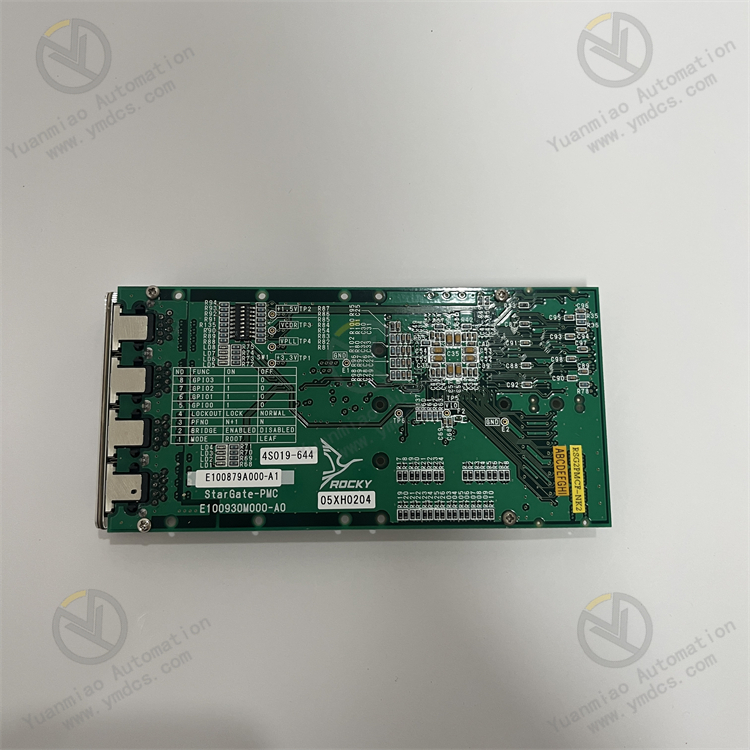
2.6 Comprehensive Hardware Self-Diagnosis Enables Visual Fault Localization
2.7 Passive Maintenance-Free Design Delivers Superior Long-Term Stability
3. Detailed Specifications
3.1 Basic Hardware Parameters
- Model: RSG2PMC / RSG2PMCF-NK2
- Manufacturer: Motorola
- Device Type: Standard PMC industrial redundant clock synchronization gateway card
- Form Factor: Standard embedded PMC mezzanine card dimension
- Core Functions: Dual-link redundant backup, high-precision clock synchronization, timing calibration, lossless data forwarding, automatic link failover, system timing networking
- Operating Modes: Dual-link hot standby, parallel synchronization, automatic fault switching
- Compatible Hardware: Industrial PMC chassis, base station main control racks, power automation cabinets, rail transit signal host systems
- Operational Characteristics: 7×24-hour continuous operation, hardware fault tolerance, microsecond synchronization accuracy, maintenance-free long service life
3.2 Synchronization and Link Specifications
- Link Channels: Two independent synchronization transmission links with active/standby redundant topology
- Synchronization Accuracy: Industrial microsecond-level precise timing with dynamic clock compensation support
- Switchover Mechanism: Hardware-based seamless millisecond automatic switching; no data loss or synchronization interruption during transition
- Transmission Performance: Signal conditioning, error correction verification and lossless forwarding supporting stable long-distance transmission
- Synchronization Protocols: Compatible with mainstream industrial clock synchronization and device timing alignment protocols
- Data Processing: Real-time packet verification, error packet filtering and duplicate data elimination to guarantee transmission reliability
3.3 Status Indication & Self-Diagnosis Parameters
- Onboard Indicators: Power/Run LED, synchronization status LED, dual-link status LEDs, fault alarm LED
- Self-Diagnosis Functions: Hardware self-inspection, link continuity detection, clock precision measurement, abnormal data transceiving monitoring, link imbalance alarm
- Fault Reporting: Dual notification via local LED alarms and remote status upload to upper monitoring platforms
- Exception Handling: Automatic link lockout upon failure, synchronization anomaly alert, automatic bad data filtering
3.4 Environmental & Mechanical Specifications
- Operating Temperature: -25℃ ~ +70℃ for continuous wide-temperature industrial operation
- Storage & Transit Temperature: -40℃ ~ +85℃ meeting transportation and long-term idle storage requirements
- Operating Humidity: 5%~95% RH (non-condensing) applicable to humid equipment rooms and cabinets
- EMC Performance: Industrial EMC hardening against harmonics, RF interference, surges and electrostatic discharge
- Mechanical Properties: Vibration/shock resistance and corrosion resistance for permanent installation inside embedded chassis
- Ingress Protection: IP20 (standard rating for cabinet-mounted embedded equipment)
3.5 Power Supply
4. Working Principle
In normal operation, both links simultaneously receive upstream synchronization clock signals and service data, executing parallel data validation, timing comparison and clock compensation calibration. The two channels back up and cross-check data mutually in real time to ensure consistent output timing and service information. The module continuously collects network-wide timing data and dynamically corrects local clock drift to achieve precise time alignment across all system equipment, unifying timing for system logic execution, data sampling and equipment interlocking.
If any link suffers disconnection, signal attenuation, interference distortion or port fault, the on-board hardware detection circuit instantly captures the abnormality and triggers seamless switchover between active and standby links. The healthy link takes full responsibility for synchronization and data forwarding without system reboot, service interruption or timing fluctuation. Meanwhile, the module outputs fault alarms and logs error events for maintenance review. Once the faulty link recovers, the system automatically reverts to dual-link redundancy and resumes mutual data backup.