Description
1. Product Overview
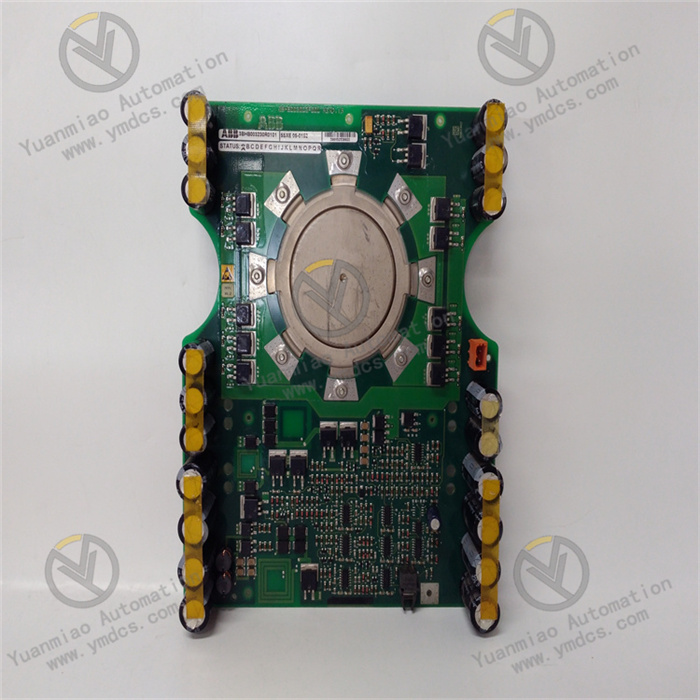
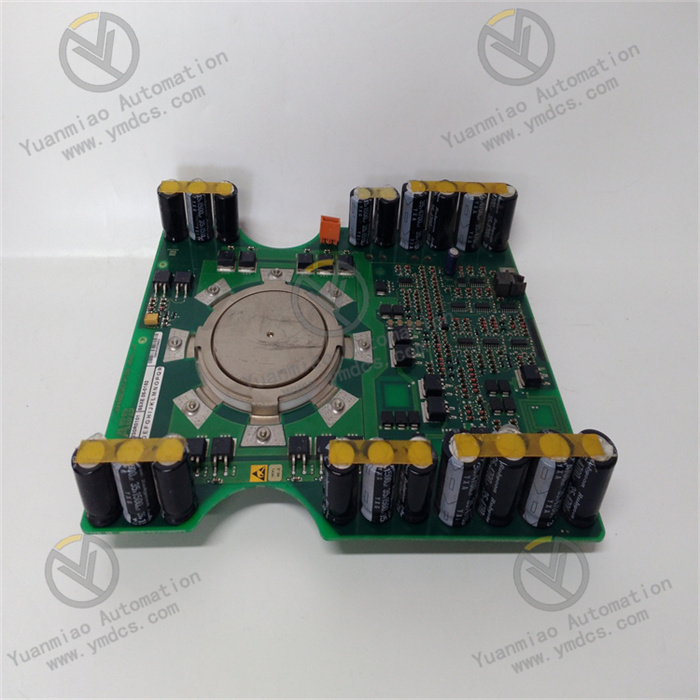
ABB 5SHX1060H0003, part‑number 3BHE024415R0101, is a high‑voltage high‑power thyristor power module originally manufactured by ABB, Switzerland. It belongs to the core product portfolio of ABB high‑voltage semiconductor power devices.
Designed for high‑voltage variable‑frequency drives, flexible power transmission, power‑quality improvement and high‑power industrial rectifier‑inverter systems, this module features high withstand‑voltage rating, strong current‑carrying capacity, stable switching performance and excellent shock resistance. It serves as a core power unit for high‑voltage power‑electronic conversion, grid frequency‑voltage regulation and high‑power industrial drive equipment.
Adopting an integrated press‑pack packaging structure with internally encapsulated chips processed under precision manufacturing, the module delivers uniform heat dissipation, low power loss and high operational reliability. It can withstand frequent switching‑on/off cycles, large‑current surges and voltage fluctuations under long‑term high‑voltage working conditions.
Manufactured under stringent original‑factory standards for power‑grade performance, the module is widely deployed in metallurgical mill drives, high‑voltage frequency converters, SVG static var compensators, wind‑solar grid‑tie converters and flexible‑transmission power‑grid equipment. It is a standardized core component for new‑build high‑voltage power‑electronic systems, legacy power‑module replacement and system capacity expansion & upgrade projects.
2. Core Technical Parameters
2.1 Basic Specifications
‑ Product Model: 5SHX1060H0003 ‑ Material Code: 3BHE024415R0101 ‑ Product Type: High‑voltage high‑power thyristor semiconductor power module ‑ Product Series: ABB High‑Power Thyristor Series ‑ Primary Applications: High‑voltage rectification, inversion, frequency conversion, reactive‑power compensation and electric‑energy conversion ‑ Package Form: High‑power press‑pack package with double‑sided heat‑dissipation structure ‑ Compatible Equipment: High‑voltage frequency converters, SVG / STATCOM reactive‑power compensation devices, high‑power rectifiers, wind‑power grid‑tie converters, industrial high‑voltage drive systems ‑ Structural Features: Stress‑free welding‑free encapsulation; evenly loaded chips; outstanding thermal‑fatigue resistance and surge‑current withstand capability
2.2 Main Electrical Parameters
‑ Rated Repetitive Reverse Voltage: 6000 V, suitable for medium‑ and high‑voltage power‑electronic systems ‑ Rated On‑State Current: 1060 A, meeting high‑capacity industrial power‑conversion requirements ‑ On‑State Voltage Drop: Low on‑state loss, effectively reducing equipment heat generation and power consumption while improving system energy efficiency ‑ Off‑State Leakage Current: Ultra‑low off‑state leakage current, minimizing standby loss and enhancing system stability ‑ Switching Characteristics: Fast turn‑on, stable turn‑off, low switching loss; suitable for high‑frequency continuous‑cycle operation ‑ Surge‑Current Withstand Capacity: Excellent short‑time overload and surge‑current tolerance against transient grid load shocks ‑ Gate Trigger Performance: Stable and highly consistent gate triggering; excellent current‑sharing performance in parallel‑connected multi‑module configurations for capacity expansion
2.3 Thermal & Operating‑Condition Parameters
‑ Heat‑Dissipation Method: Double‑sided press‑pack cooling with low thermal resistance for fast heat extraction from chips ‑ Maximum Allowable Junction Temperature: 125 ℃, enabling stable wide‑temperature‑range operation under high‑temperature overload conditions ‑ Storage Temperature: ‑40 ℃ ~ +135 ℃, satisfying strict temperature requirements for long‑distance transportation and prolonged idle storage ‑ Thermal Stability: Well‑matched chip thermal‑expansion coefficients; no cracking or performance degradation after long‑term thermal cycling ‑ Compatible Cooling Solutions: Water‑cooled radiators, forced‑air‑cooled heat sinks for high‑power equipment thermal management
2.4 Reliability & Protection Parameters
‑ Anti‑Fatigue Performance: Press‑pack construction eliminates welding‑fatigue risks and withstands frequent start‑stop cycles and load fluctuations ‑ Insulation Performance: Reliable external insulation complying with high‑voltage electrical specifications to prevent high‑voltage creepage and breakdown hazards ‑ Electromagnetic Compatibility: Original‑factory power‑grade EMC design with strong immunity to electromagnetic interference in high‑voltage power‑equipment environments ‑ Mechanical Performance: Compact and robust structure with vibration‑resistance and shock‑resistance for long‑term operation under industrial vibration ‑ Quality Certifications: Compliant with IEC standards for power semiconductors and EU CE certification, satisfying acceptance requirements of industrial and power sectors
3. Product Functions and Core Advantages
3.1 Core Product Functions
High‑voltage high‑power energy conversionAs a core switching device inside power‑electronic systems, the module accurately performs rectification, inversion and frequency conversion between high‑voltage AC and DC power, enabling controllable adjustment of electric‑energy forms and power parameters to support stable operation of high‑voltage power equipment.
Dynamic reactive‑power compensation & regulationCompatible with SVG and STATCOM reactive‑power compensation installations. Precise switching‑timing control delivers dynamic grid reactive‑power compensation, suppresses voltage fluctuations and harmonic interference, and improves grid power quality.
High‑power load drive and controlProvides stable power output for high‑voltage industrial drives, rolling mills, large fans and water‑pump variable‑frequency systems, enabling smooth speed regulation, constant‑power operation and stable process control for heavy‑duty loads.
Flexible power‑transmission regulationDeployed in flexible‑AC‑transmission systems to achieve grid power‑flow control, voltage support and fault ride‑through, enhancing power‑grid operational stability and transmission efficiency.
Multi‑module parallel‑series capacity expansionHighly consistent electrical parameters and well‑balanced triggering characteristics allow series‑parallel module combinations to flexibly build high‑power power‑electronic systems of different voltage levels and capacities.
Overload and transient‑shock toleranceExcellent short‑time overload and surge‑current withstand capability handles abnormal conditions such as instantaneous grid short‑circuits and sudden‑load changes, protecting the complete power‑equipment system.
3.2 Core Product Advantages
High‑voltage high‑current performance for large‑capacity applications6000 V rated voltage and 1060 A rated‑current ratings fully meet medium‑/high‑voltage industrial and grid‑side high‑capacity power‑conversion demands. High single‑module power density reduces the required quantity of parallel modules and simplifies system architecture.
Double‑sided press‑pack cooling for superior heat dissipationAdvanced double‑sided press‑pack cooling yields low thermal resistance and uniform heat distribution, eliminating local hot‑spots and heat accumulation. No performance degradation occurs under long‑term full‑load operation with excellent temperature‑rise control.
Low‑loss high‑energy‑efficiency design for reduced operating costsDual optimization of on‑state loss and switching loss cuts down equipment energy consumption and cooling‑system loads, raising overall system energy efficiency and delivering significant long‑term operational‑cost savings.
Ultra‑high reliability and extended service life through anti‑fatigue constructionWeld‑stress‑free press‑pack technology avoids cracking and delamination risks common to conventional welded modules after repeated thermal cycling. Enhanced thermal‑fatigue, shock and vibration resistance delivers far longer service life than standard domestic‑manufactured modules.
High‑parameter consistency ensuring stable parallel operationOriginal‑factory precision component‑sorting yields tightly matched trigger, current‑carrying and voltage‑drop characteristics. Excellent current sharing among paralleled modules prevents unbalanced‑load conditions and single‑point overload failure, guaranteeing stable large‑capacity‑system performance.
Broad compatibility and convenient replacementIndustry‑standard footprint and electrical specifications fit mainstream high‑voltage power‑equipment architectures. Direct drop‑in replacement of legacy same‑rating modules is possible without cabinet‑structure or driver‑circuit modifications, delivering low retrofit costs and short project lead‑times.
4. Typical Application Scenarios
‑ High‑voltage variable‑frequency drive industry: Core power‑unit component for high‑voltage converters driving metallurgical rolling mills, mine hoists, large fans and water pumps
‑ Power‑quality improvement: Key power module for SVG static var compensators and harmonic‑mitigation equipment at industrial sites and substations
‑ Power‑grid systems: Power semiconductor component for flexible‑transmission installations, high‑voltage rectifier‑inverters and grid peak‑shaving / voltage‑regulation equipment
‑ Renewable‑energy power generation: High‑power energy‑conversion unit for wind‑farm / solar‑plant grid‑tie converters and energy‑storage systems
‑ Industrial rectification sector: Primary switching device for high‑power rectifier power supplies used in electrolysis, electroplating and smelting processes
‑ Legacy‑equipment‑retrofit projects: Replacement of aged thyristor modules, system performance upgrades and capacity‑expansion modifications for high‑voltage power‑electronic equipment
5. Installation, Commissioning and Maintenance Guidelines
Before installation, completely disconnect both high‑voltage supply and control power and fully discharge high‑voltage capacitors. Strictly follow high‑voltage electrical work‑safety regulations to avoid electric‑shock and device‑breakdown hazards caused by live‑line operations.
Install the module in standard press‑pack configuration. Clean the contact surfaces of both the module and heat sink prior to mounting to ensure flat, impurity‑free, scratch‑free interfaces. Apply uniform specified clamping torque; uneven pressure will cause poor heat dissipation and permanent module damage.
Fully match trigger parameters of the driver board to guarantee correct gate trigger voltage, current and timing. Prevent uneven current sharing and local over‑heating burnout caused by unsynchronized or abnormal triggering.
Route high‑voltage power cables in compliance with electrical‑clearance requirements for bus‑bar insulation. Arrange wiring neatly to eliminate risks of high‑voltage creepage, earth faults and phase‑to‑phase short‑circuits and ensure high‑voltage‑system insulation integrity.
Maintain proper operation of water‑cooled or forced‑air cooling systems. Periodically inspect radiator flow paths, water pressure and airflow velocity. Avoid module overtemperature protection and thermal breakdown resulting from blocked or failed cooling circuits.
During routine maintenance, regularly monitor module temperature rise, operating current and trigger status. Track operational parameters via the system HMI and pro‑actively troubleshoot hidden faults such as overheating, current unbalance and trigger anomalies.
Replace defective units only with original ABB 5SHX1060H0003 (3BHE024415R0101) modules. After replacement, verify clamping torque, driver‑setting parameters and insulation performance. Complete no‑load and full‑load commissioning tests on the whole system to confirm stable operation.