Description
1. Product Overview
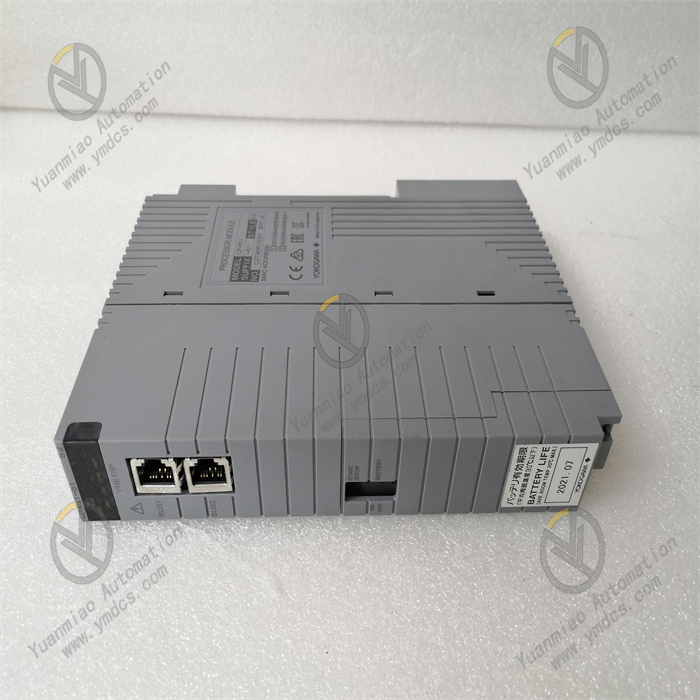
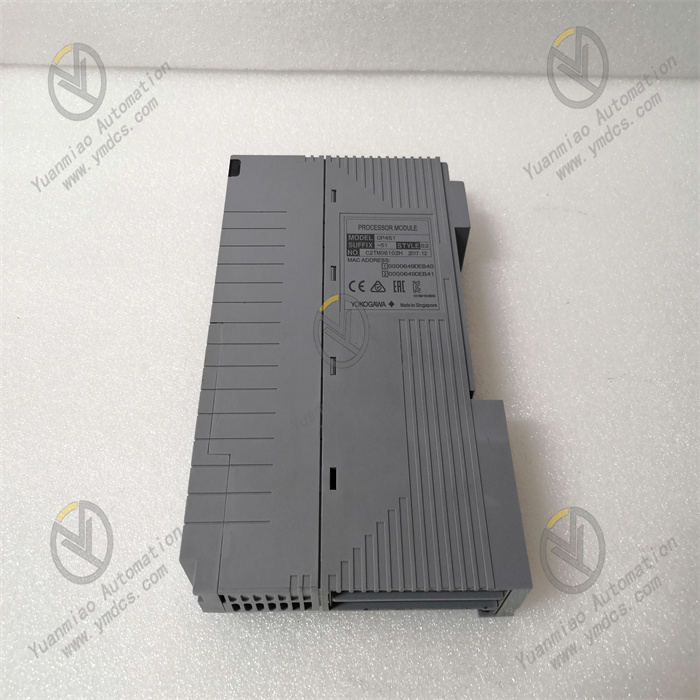
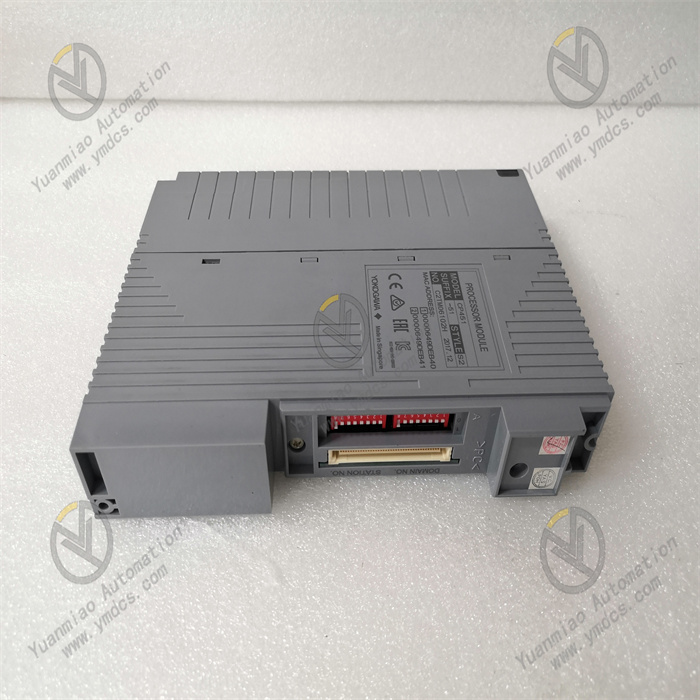
Yokogawa CP451‑51 is a high‑performance processor module originally developed and manufactured by Yokogawa, Japan, specially designed for the CENTUM‑VP DCS system. It serves as the main CPU core of AFV300/AFV400 series Field Control Units (FCU) and is an upgraded replacement for the legacy CP451‑11 module.
As the computing and scheduling core of the entire DCS field control station, this module is fully responsible for closed‑loop process control, logic operation, data processing, I/O bus management, system communication and fault diagnosis, undertaking core control tasks for continuous plant‑wide production. Equipped with an industrial‑grade dual‑core PowerPC high‑performance processor, large‑capacity high‑speed RAM and flash memory, it supports high‑precision PID regulation, cascade control, sequence control, interlock logic and complex process algorithm operations.
The module natively supports system‑redundancy architecture, high‑speed bus interaction and multi‑protocol communication, delivering outstanding computing stability and task real‑time performance. Built with industrial‑strengthened construction featuring anti‑interference, vibration‑resistant and wide‑temperature operating capabilities, it fully adapts to 7×24‑hour non‑stop production conditions in process industries such as petrochemical, oil‑gas and power generation. It is a standard core component for new CENTUM‑VP system deployment, legacy FCU upgrade and faulty‑module replacement projects.
2. Core Technical Parameters
2.1 Basic Specifications
‑ Product Model: CP451‑51 ‑ Product Series: Yokogawa CENTUM‑VP DCS Control Processor Series ‑ Product Positioning: Main CPU Module for Field Control Unit (FCU) ‑ Compatible System: CENTUM‑VP Control System, fully compatible with AFV300 and AFV400 full‑range Field Control Units ‑ Upgrade Property: Successor replacement for CP451‑11 with comprehensively improved performance, computing power and stability ‑ Mounting Method: Standard card‑slot installation inside control cabinets, suitable for standardized layout of Yokogawa DCS cabinets ‑ Overall Dimensions: 96 mm × 96 mm × 115 mm ‑ Weight: Approx. 1.0 kg, compact lightweight structure to save cabinet space
2.2 Core Hardware & Computing Parameters
‑ Processor: Dual‑core Industrial‑grade PowerPC 440e CPU ‑ Main‑clock Frequency: 1.0 GHz, fast computation and ultra‑low task‑response latency ‑ Operating Memory: 512 MB SDRAM high‑speed RAM, supporting large‑scale process‑logic operation ‑ Program Storage: 256 MB Flash memory for system firmware and user‑control‑logic retention ‑ Computing Capacity: Supports massive PID loops, complex interlocks, sequential logic and batch‑process computation; smooth multi‑task parallel processing without stalling ‑ System Firmware: Yokogawa dedicated real‑time embedded operating system with precise control cycles and stable task scheduling
2.3 Electrical and Communication Parameters
‑ Supply Voltage: Standard DC 24 V industrial power supply, matching dedicated DCS power‑supply architecture ‑ Power Consumption: <20 W low‑power design for low heat generation and high energy‑saving performance during long‑term operation ‑ Bus Interface: Supports high‑speed redundant ESB bus for fast data exchange between controller and I/O modules ‑ Communication Ports: Integrated Ethernet and RS485 interfaces for data connection with host systems and third‑party equipment ‑ Redundancy Capability: Supports CPU redundancy, bus redundancy and power‑supply‑redundancy architectures with bumpless switching to prevent system shutdown caused by single‑point failure ‑ Data Interaction: Real‑time data upload, parameter download, event logging, fault‑log storage and traceability
2.4 Environmental and Protection Parameters
‑ Operating Temperature: ‑20 ℃ ~ +60 ℃, wide industrial temperature range for high‑temperature indoor‑cabinet environments ‑ Storage Temperature: ‑40 ℃ ~ +70 ℃, meeting strict temperature requirements for long‑distance transportation and prolonged idle storage ‑ Operating Humidity: 5%‑95% RH non‑condensing, resistant to humid and dusty industrial control‑room conditions ‑ Protection Class: Front‑panel IP65 rating for dust‑proof, moisture‑proof and oil‑resistant indoor cabinet installation ‑ Vibration & Shock Resistance: Industrially reinforced mechanical construction to withstand long‑term cabinet vibration and process‑condition shocks ‑ Electromagnetic Compatibility: Complies with industrial EMC standards; strong immunity to electromagnetic interference from frequency converters and high‑power equipment ensuring error‑free computation
3. Product Functions and Core Advantages
3.1 Core Product Functions
Precise end‑to‑end process controlSupports mainstream process algorithms including single‑/multi‑loop PID regulation, cascade control, split‑range control and ratio control. It accurately regulates process variables such as temperature, pressure, liquid level and flow, adapting to both continuous chemical processes and intermittent batch‑production modes to maintain stable and controllable process parameters.
Complex logic and safety‑interlock computationPowerful logic‑processing capability executes equipment start‑stop sequences, process interlocks, safety interlocks, fault judgement and sequential control. It performs reliable safety management and eliminates risks of false interlock or mis‑operation.
Centralized I/O‑bus managementFully manages data acquisition and command transmission to field‑installed I/O modules, polls I/O status in real‑time and validates signal data. It guarantees real‑time upload of field‑sensor measurements and accurate delivery of control instructions, enabling seamless data linkage between field devices and upper monitoring systems.
Redundancy‑tolerant bumpless operationNatively supports dual‑CPU hot‑standby redundancy architecture. Seamless bumpless switch‑over from primary to standby controller occurs upon main‑unit failure without process‑control interruption or data loss, eliminating production downtime risks caused by single‑point faults.
Data logging and fault traceabilityAutomatically archives process operating data, operator actions and fault‑alarm logs. It enables precise tracing of abnormal conditions, interlock triggers and parameter modifications, providing complete data support for process optimisation, fault troubleshooting and safety‑production audits.
Remote configuration and maintenance debuggingSupports remote parameter downloading, logic modification, program debugging and firmware upgrade from host stations. Process optimisation and equipment commissioning can be completed online without shutdown or hardware disassembly, greatly improving maintenance efficiency.
3.2 Core Product Advantages
High‑performance computing power for complex‑process applicationsThe dual‑core 1.0 GHz processor paired with large‑capacity RAM and flash memory delivers far higher computing capacity than legacy modules. It easily handles large‑scale control loops, sophisticated interlock logic and multi‑device coordinated control with fast response, high‑control precision and no computation‑delay or data lag.
Native system compatibility for risk‑free upgradesCustom‑built for the CENTUM‑VP platform, it is fully compatible with AFV300 / AFV400 FCU units. Direct drop‑in replacement for older CP451‑11 modules requires no changes to system architecture, control logic or wiring, delivering convenient upgrades with zero compatibility risk.
Redundant architecture for ultra‑high operational reliabilityMulti‑level fault‑tolerant redundancy combined with high‑speed redundant bus eliminates single‑point‑failure risks and ensures year‑round uninterrupted plant operation, satisfying stringent continuous‑production requirements of process industries.
Excellent real‑time performance and high‑control accuracyThe dedicated real‑time operating system delivers precise task scheduling and stable control cycles, minimising process‑variable overshoot and oscillation and improving process stability and product‑quality consistency.
Industrial‑grade durability with low‑maintenance costsFully solid‑state hardware contains no mechanically wearable components. Its anti‑interference, vibration‑resistant and wide‑temperature characteristics prevent parameter drift and performance degradation during long‑term runtime; only routine inspection is required, minimising maintenance workload.
Industry‑certified compliance for project acceptanceOriginal Yokogawa industrial‑grade quality proven in thousands of industrial installations meets automation‑system acceptance specifications for petrochemical, power and oil‑gas sectors, satisfying compliance requirements for new‑build and retrofitting industrial projects.
4. Typical Application Scenarios
‑ Petrochemical Industry: DCS main control, parameter regulation and safety‑interlock management for refining and integrated chemical plants
‑ Power‑energy Industry: Automation control of thermal‑power, co‑generation and photovoltaic auxiliary‑equipment systems, equipment interlock supervision
‑ Oil‑gas Industry: Core master controller for unattended field control stations at oilfields, gas fields and long‑distance pipeline installations
‑ Water‑treatment Industry: Automatic control and steady‑state parameter regulation for industrial wastewater, purified‑water and circulating‑water systems
‑ Fine‑chemical & Pharmaceutical Industry: High‑precision batch‑process control, parameter adjustment and sequential‑interlock management for intermittent‑production workflows
‑ Legacy‑system Retrofit: Replacement of aged CP451‑11 modules, FCU performance upgrade and computing‑capacity expansion for existing CENTUM‑VP installations
5. Installation, Commissioning and Maintenance Guidelines
Before installation, cut off both the main cabinet power supply and module power. Remove dust and oil contamination inside the cabinet. Insert the module smoothly into the FCU slot and fasten the locking clip firmly to guarantee reliable contact and avoid poor‑connection or data‑anomaly faults induced by cabinet vibration.
Complete bus, communication and power‑supply wiring strictly according to engineering drawings. Clearly separate ESB‑bus, Ethernet and power‑supply circuits, arrange cables neatly and properly ground all shielded cables to avoid computation errors, communication drop‑outs and signal jumps caused by electromagnetic interference.
Supply clean and stable DC 24 V industrial power. Prevent module reboot, program loss and logic malfunctions triggered by voltage fluctuation, loose connections or harmonic distortion to ensure long‑term online stability.
During initial commissioning, match the correct system‑firmware version. Complete program download, logic verification, redundancy‑switch‑over testing and I/O‑communication joint‑commissioning. Verify control‑loop regulation accuracy, reliable interlock‑action execution and bumpless redundancy switching to confirm full functional compliance.
During routine maintenance, regularly inspect module indicator status, operating temperature and communication‑link health. Monitor controller load, fault logs and operational conditions via the host‑station HMI, and pro‑actively troubleshoot hidden anomalies such as high CPU‑load, communication attenuation or abnormal computation.
Maintain well‑ventilated, dry and dust‑free cabinet conditions. Prevent connector oxidation and insulation degradation caused by humid or dusty environments to extend module service life.
Replace faulty units exclusively with original Yokogawa CP451‑51 modules. After replacement, match system‑software versions, fully download process programs and parameters, and complete stand‑alone commissioning, redundancy tests and process‑linkage trials. Confirm that control accuracy and operating behaviour remain fully consistent with pre‑replacement conditions.