Description
1. Product Overview
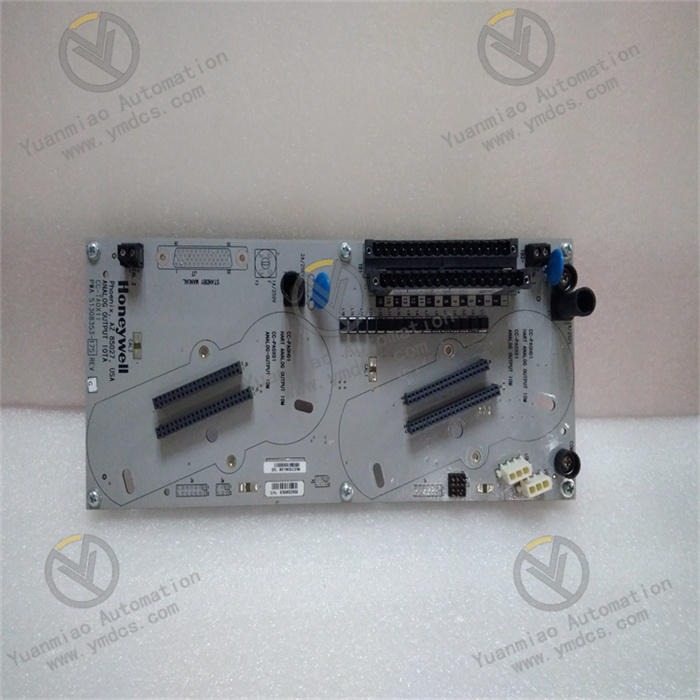
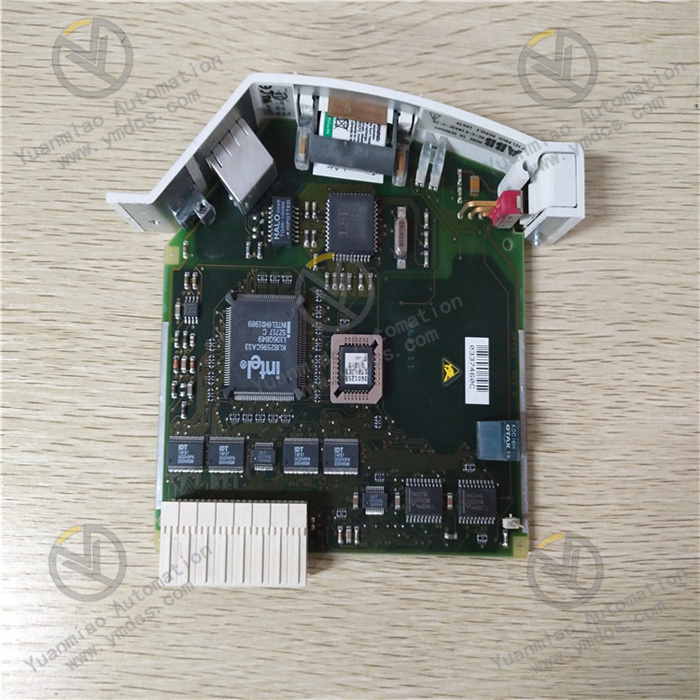
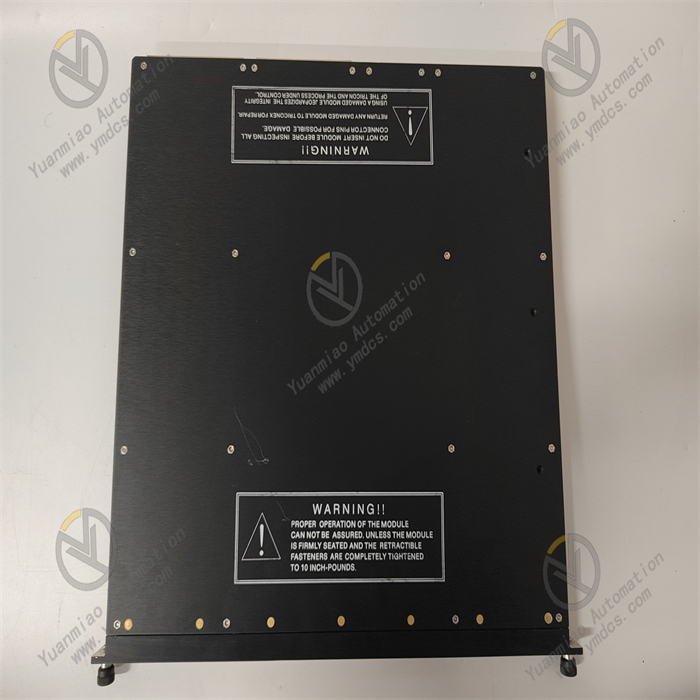
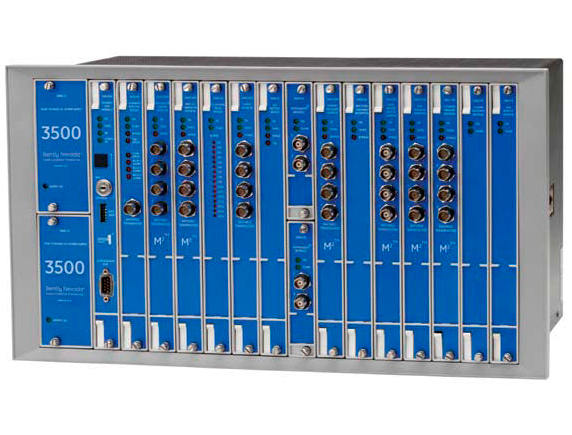
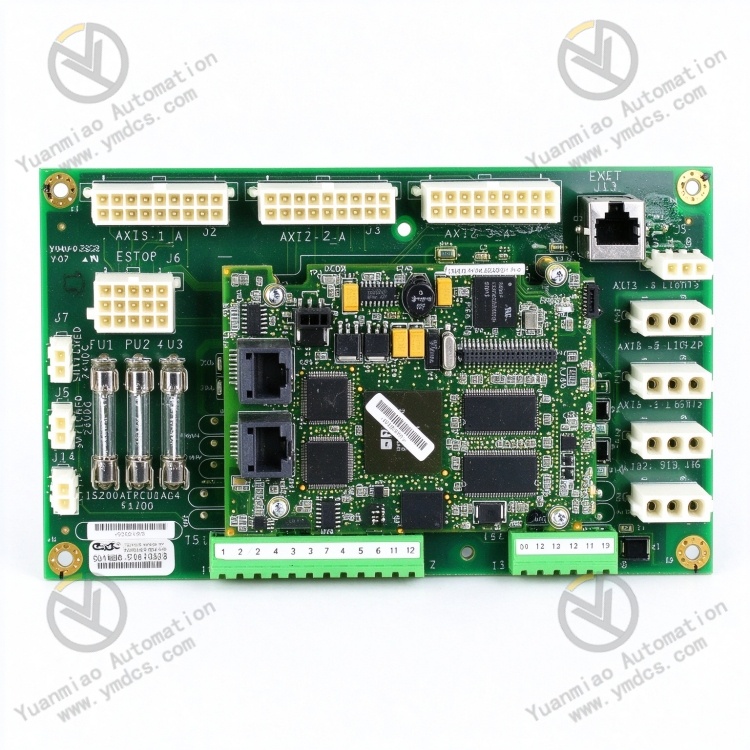
GE IS200AEPCH1ACC and IS215AEPCH1DB are a complete set of core main processor modules of GE Vernova (formerly GE Energy) Speedtronic IS200/IS215 series for Mark VIe gas turbine control systems. They serve as the top-level computing and control core of DCS control systems for heavy-duty gas turbines, steam turbines, combined cycle generator sets and large industrial power installations. The complete module consists of IS200AEPCH1ACC, the underlying core computing mainboard, and IS215AEPCH1DB, the upper extended interface backplane. The two boards must be used as a dedicated matched set and cannot be replaced or mixed separately.
This complete processor module undertakes core functions including global unit logic operation, control strategy execution, I/O data scheduling, interlock protection judgment, fault oscillography calculation, system communication networking and redundant synchronous control. It acts as the "computing center and control brain" of the entire gas turbine control system. Adopting an industrial 32-bit high-performance processor architecture and equipped with large-capacity high-speed storage units and multi-link parallel communication circuits, the module has passed a full set of reliability tests from the original manufacturer, including high-low temperature aging, EMC electromagnetic compatibility, insulation withstand voltage, vibration shock and full-load stability. It features fast computing speed, high logic precision, good redundancy synchronization, stable long-term operation and ultra-low failure rate, supporting 7×24-hour uninterrupted full-load continuous energized operation all year round. It is widely used in complete set construction of new GE Mark VIe systems, replacement of aging main control modules for old units, technical transformation and upgrading of gas turbine power station control systems, and strategic reserve of core main control spare parts for power industry, ensuring reliable logic, precise regulation and safe operation of generator power control systems.
2. Functional Characteristics
2.1 Dual-board Complete Architecture with Powerful Main Control Computing Performance
IS200AEPCH1ACC is the core computing mainboard equipped with a 32-bit industrial high-performance processor and independent Flash, SRAM and NVRAM high-speed storage arrays. It is responsible for all unit control logic calculation, parameter calculation, protection judgment, data processing and program scheduling. IS215AEPCH1DB is a dedicated extended backplane integrated with multiple serial ports, bus interfaces and signal adaptation circuits for system I/O bus docking, external communication expansion, signal isolation adaptation and hardware status interaction. The two boards work collaboratively as a complete set to realize integrated functions of computing, scheduling, communication and expansion. It thoroughly solves problems such as insufficient performance, poor expandability and bus interaction delay of a single module, meeting the high-performance operation requirements of large gas turbines for complex control logic, high-frequency dynamic load regulation and multi-point synchronous monitoring.
2.2 Full-system Logic Operation and Interlock Protection Management
The complete module supports the operation of the full set of gas turbine control programs of Mark VIe system. It can independently complete multi-dimensional operation and management including unit start-stop logic, closed-loop load regulation, temperature control, pressure interlock, vibration protection, overspeed protection, fault discrimination, trip logic and process linkage. It supports real-time operation and processing of massive working condition data with high-precision logic judgment and fast response speed. Fault judgment and protection output can be completed within milliseconds to eliminate risks of unit misoperation, refusal to act and lag out-of-control, and comprehensively guarantee the safety and controllability of gas turbine and steam turbine units during start-stop, load change, steady-state operation and fault conditions.
2.3 Multi-link High-speed Communication and Strong Redundant Networking Capacity
The module is natively adapted to the dedicated VME backplane bus of Mark VIe system, and integrates multiple RS-232/RS-485 serial communication interfaces, compatible with mainstream power communication protocols such as IEC61850, Modbus and DNP3. It can realize high-speed, synchronous and stable data interaction with system I/O boards, redundant main control units, upper monitoring systems, local touch screens and remote dispatching platforms. It supports real-time data upload, remote program downloading, remote parameter setting, fault data reading and system status synchronization. It supports dual-machine hot standby, redundant switching and seamless switching upon fault, featuring strong networking compatibility and adapting to automation control system architectures of new and old power stations.
2.4 Large-capacity Data Storage and Fault Tracing Capability
Equipped with 2MB Flash program storage, 1.5MB SRAM high-speed cache and 512KB NVRAM power-fail storage units, it can store unit operation programs, configuration parameters, historical working conditions, event records, fault codes, action logs and oscillography data for a long time. Key data will not be lost after power failure, and complete time-series data of the whole fault process can be retained, providing accurate data support for fault tracing, root cause analysis, system optimization and parameter setting, and greatly improving the efficiency of fault handling and operation optimization of power stations.
2.5 Full-range Hardware Self-diagnosis and Active Fault Early Warning
Integrated with underlying hardware-level intelligent self-diagnosis mechanism, it can real-timely monitor the operating status of the processor, working conditions of storage units, bus communication links, serial port status, power supply voltage, hardware conditions of the board and coordination status between the two boards. It can accurately identify latent faults such as program abnormality, operation error, bus interruption, link failure, hardware aging, parameter abnormality and mismatch between the two boards. Fault codes and alarm information are uploaded in real time, supporting local indicator prompts and remote alarms of upper systems. Operation and maintenance personnel can quickly locate fault points and eliminate hidden dangers, effectively shortening maintenance downtime and reducing risks of unplanned shutdown.
2.6 Military-grade Three-proof Design for Harsh Power Station Conditions
Both the mainboard and backplane of the complete module adopt high-grade industrial PCB substrates with full coverage of military-grade three-proof coating, delivering excellent performance of dust-proof, moisture-proof, anti-corrosion, anti-oxidation, high/low temperature aging resistance, vibration & shock resistance and strong electromagnetic interference resistance. All core components have undergone multi-stage electrical screening, extreme working condition aging and full-load stability tests by the original manufacturer, featuring high hardware consistency, tiny temperature drift and no performance degradation for long-term operation. It can withstand harsh on-site conditions of power stations for a long time, including high temperature & humidity, dust accumulation, alternating temperature difference, continuous cabinet vibration and strong electromagnetic radiation, satisfying the demand for uninterrupted continuous operation of generator sets all year round.
2.7 In-situ Non-destructive Complete Replacement for Efficient O&M
It strictly follows the standardized dimensions, slot definitions, bus protocols and hardware matching logic of GE IS200/IS215 series, enabling in-situ non-destructive replacement of complete modules of the same model with aging faults, abnormal operation, communication failure and performance attenuation. No cabinet wiring modification, control logic revision, reprogramming configuration or system commissioning is required during replacement. The main control function of the unit can be rapidly restored, applicable to all scenarios including emergency repair of power plants, old system upgrading, daily spare parts replacement and system capacity expansion transformation, greatly reducing O&M and technical transformation costs.
3. Technical Parameters
3.1 Core Adaptation Parameters
Complete Set Model: IS200AEPCH1ACC (Main Computing Mainboard) + IS215AEPCH1DB (Extended Backplane) Brand: GE Vernova (Former GE Energy / GE Fanuc) Product Series: Speedtronic IS200/IS215 Mark VIe Gas Turbine Control Series Adapted System: GE Mark VIe Heavy-duty Gas Turbine / Steam Turbine / Combined Cycle Control System Product Type: Complete Core Main Processor Module (Computing Mainboard + Interface Backplane) Adapted Equipment: Heavy-duty gas turbines, steam turbines, combined cycle generator sets, large industrial power control installations Core Functions: Unit logic operation, control strategy execution, I/O data scheduling, redundancy synchronization, multi-protocol communication, data storage and tracing, hardware self-diagnosis, system main control management Application Scenarios: Complete set of Mark VIe systems, replacement of old main control modules, technical upgrading of gas turbine systems, strategic reserve of core main control spare parts for power stations
3.2 Core Computing and Storage Parameters
Processor Architecture: 32-bit industrial high-performance dedicated control processor for high-speed logic operation Program Storage (Flash): 2MB, for stable storage of system programs and configuration strategies High-speed Cache (SRAM): 1.5MB to guarantee high-speed read-write operation of real-time data Power-fail Storage (NVRAM): 512KB for permanent saving of fault data and parameter logs after power loss Computing Performance: Millisecond-level logic response, supporting parallel operation of multi-point, high-frequency and complex logic Operation Mechanism: Support redundant synchronous operation, hot standby switching and seamless switching without computation interruption
3.3 Communication and Interface Parameters
System Bus: Mark VIe dedicated VME high-speed backplane bus with precise timing and stable transmission Serial Interfaces: 7 channels of programmable RS-232/RS-485 serial ports for extended communication of multiple devices General Protocols: Compatible with Modbus TCP/RTU, DNP3, IEC power standard protocols Data Capacity: Support real-time data upload, remote program downloading, parameter setting and fault reading Networking Feature: Support redundant networking, hot standby redundancy and parallel communication of multiple devices without packet loss or delay
3.4 Electrical and Protection Parameters
System Power Supply: 24VDC industrial standard control power supply, compatible with conventional power supply specifications of power stations Circuit Protection: Built-in multi-stage protection against overvoltage, overcurrent, surge, static electricity, reverse connection and bus overload Isolation Design: Complete electrical isolation between operation area, storage area, communication area and interface area to eliminate crosstalk Anti-interference Grade: Compliant with the highest power industry standards for EMC electromagnetic compatibility, insulation withstand voltage, vibration and shock
3.5 Structural and Environmental Working Condition Parameters
Structure Form: Standard rack slot-type complete modular design with matched mainboard and backplane Installation Method: Embedded installation in standard cabinets of Mark VIe system, seismic, anti-loose and firmly fixed Operating Temperature: -40℃ ~ +70℃, ultra-wide industrial temperature range suitable for complex temperature difference conditions of power stations Storage Temperature: -45℃ ~ +85℃ Operating Humidity: 5% ~ 95%RH (non-condensing) Operation Mode: Support 7×24-hour uninterrupted full-load continuous energized operation all year round Environmental Resistance: Long-term resistance to strong electromagnetic interference, continuous vibration, dust and humidity, alternating temperature difference and frequent load fluctuation
4. Hardware Configuration and Structural Advantages
4.1 Core Hardware Configuration
The complete module adopts a dedicated main control hardware architecture for GE Mark VIe system, precisely composed of IS200AEPCH1ACC core computing mainboard and IS215AEPCH1DB extended backplane. It is mainly equipped with a 32-bit high-speed industrial processor, large-capacity hierarchical storage array, independent bus scheduling chip, multi-serial communication processing unit, hardware logic acceleration module and full-range self-diagnosis circuit. The hardware adopts partitioned isolation design; the computing core, storage units, bus loops, serial interfaces and power supply loops are completely electrically isolated, fundamentally eliminating signal crosstalk, data drift, operation errors and communication abnormalities. All core components have passed strict factory electrical screening, high-low temperature extreme aging, full-load stability test and insulation withstand voltage inspection, featuring high computing precision, fast processing speed and excellent hardware consistency. It fully meets the long-term high-reliability, zero-error and high-precision main control operation requirements of heavy-duty generator sets. Without external expansion equipment, the module can independently complete the whole functions of main control, operation, communication, storage and diagnosis of the whole system.
4.2 Structural Design Advantages
The complete module adopts a highly integrated industrial modular structure with compact layout and small cabinet occupation space, perfectly matching the standard rack installation system of GE Mark VIe series. The mainboard and backplane are fully coated with military-grade three-proof coating, providing excellent dust-proof, moisture-proof, anti-corrosion, anti-oxidation, anti-vibration and high/low temperature aging resistance. It can effectively resist erosion from harsh environments on power station sites including dust accumulation, moisture condensation, alternating day-night temperature difference, continuous equipment vibration and high-frequency electromagnetic radiation, and thoroughly avoid common faults of main control modules such as abnormal operation, communication interruption, parameter loss and hardware aging failure. The standardized slot-type installation structure is easy to disassemble and assemble, firmly fixed, seismic and anti-loosening, adapting to long-term vibration operation of units. Onboard visual status indicators can intuitively reflect the operation, communication, fault and redundancy synchronization status of the module, facilitating quick inspection and fault location by O&M personnel and greatly improving system maintenance efficiency. The original standardized complete set design supports non-destructive replacement without modifying system configuration, control logic and on-site wiring, effectively reducing technical transformation and downtime maintenance costs of units.
5. Working Principle
The GE IS200AEPCH1ACC / IS215AEPCH1DB complete main control module adopts a full closed-loop main control working mechanism: I/O data collection and summarization → high-speed logic operation → control strategy judgment → instruction output scheduling → multi-link data interaction → fault storage and tracing → hardware self-diagnosis protection → redundant synchronous backup, undertaking central management and control of the entire Mark VIe gas turbine control system.
During normal unit operation, analog and digital working condition data collected by all I/O boards of the system are uploaded to IS200AEPCH1ACC mainboard in real time through the VME backplane bus. The 32-bit high-speed processor of the mainboard completes summarization, filtering, verification, calculation and logic judgment of massive data, and synchronously executes preset control strategies including unit load regulation, temperature closed-loop control, process parameter linkage, equipment status monitoring, over-limit alarm and safety interlock protection. The calculated control instructions are issued to each I/O execution module through the bus and serial port links of IS215AEPCH1DB extended backplane to drive field equipment to perform precise actions.
Meanwhile, the complete module finishes data storage, time sequence recording, fault discrimination and log retention in real time. Key operating parameters, action events and fault codes are stored in the NVRAM permanent storage unit to realize fault traceability and working condition review. It conducts real-time self-inspection of processor status, storage state, bus links, serial communication, power supply status and matching state between boards throughout the process. Once hardware abnormality, communication interruption, operation error, parameter abnormality and other hidden dangers are detected, it will trigger alarms immediately, lock fault status, and synchronize the redundant standby module to take over control seamlessly to block fault propagation, ensuring continuous logic, stable operation and safe controllability of the entire gas turbine control system.
6. Application Scenarios
6.1 Core Main Control of Gas Turbine Power Station Control System
It is widely applied to GE Mark VIe heavy-duty gas turbine and steam turbine control systems of thermal power, cogeneration and combined cycle power stations. As the core computing and control hub of the whole system, it is fully responsible for full-process unit logic operation, working condition regulation, interlock protection, data communication and system management, covering all working conditions of unit start-stop, steady-state operation, load change regulation and fault protection. It is the core key equipment for automatic, intelligent and safe operation of generator power systems.
6.2 Stable Main Control Operation under Complex and Severe Working Conditions
Aimed at harsh scenarios of power stations with strong electromagnetic interference, high temperature and humidity, large temperature fluctuation, continuous equipment vibration and frequent load fluctuation, it thoroughly solves problems of traditional main control modules such as computing lag, unstable communication, susceptibility to interference and high failure rate by virtue of excellent hardware isolation, high-speed operation, multi-link redundancy, three-proof protection and long-term stability performance. It guarantees accurate all-condition and all-weather logic operation, reliable control response and stable system operation of units, supporting continuous safe production and operation of power stations.
6.3 Strategic Spare Parts Reserve of Core Main Control for Power Stations
As the original complete core main control module of GE Mark VIe gas turbine control systems, it is an essential strategic maintenance spare part for major power generation enterprises and energy heavy industry enterprises. It can rapidly handle sudden on-site faults such as main control module damage, operation failure, communication interruption, parameter loss and system out of control, quickly restore the operation, control, communication and protection functions of the whole unit control system, eliminate core control blind spots of the system, and guarantee uninterrupted safe and stable operation of gas turbine generator sets all year round.