Description
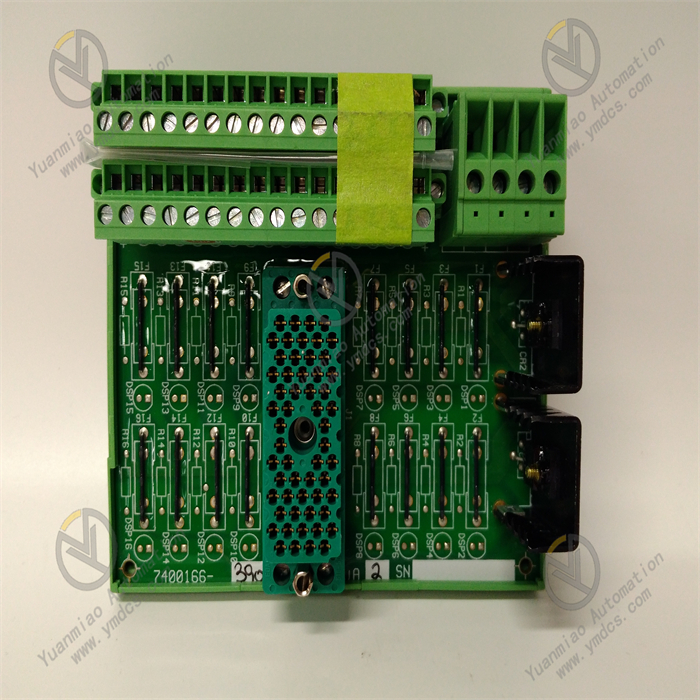
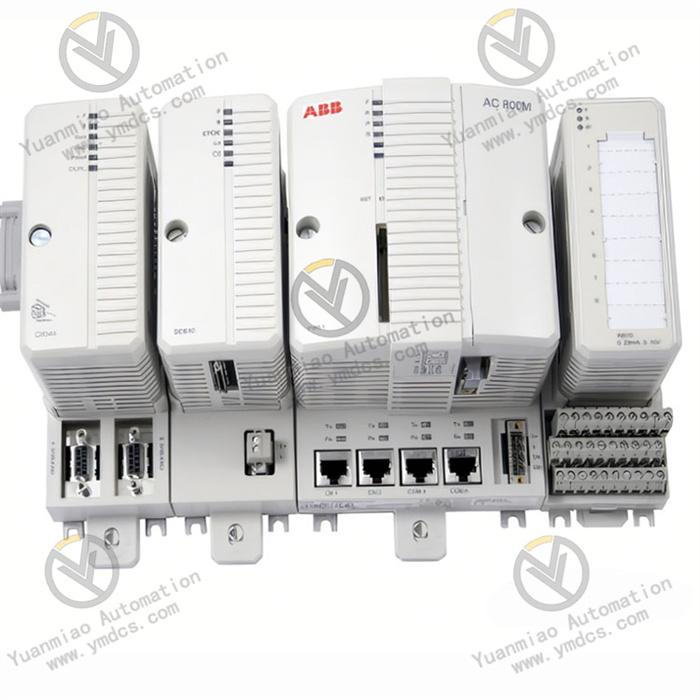
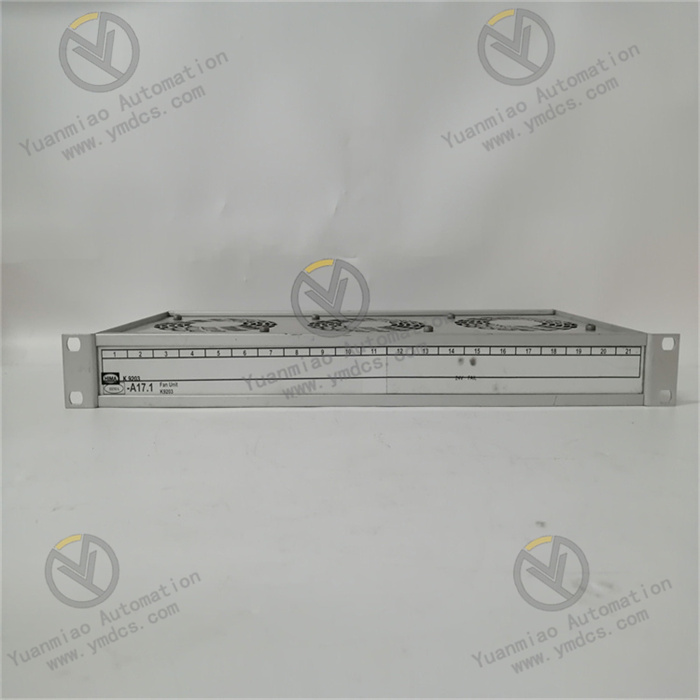
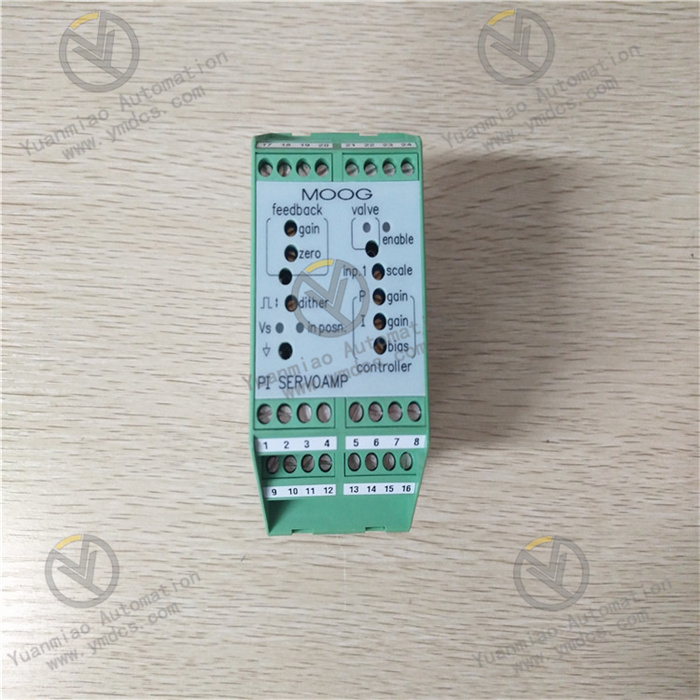
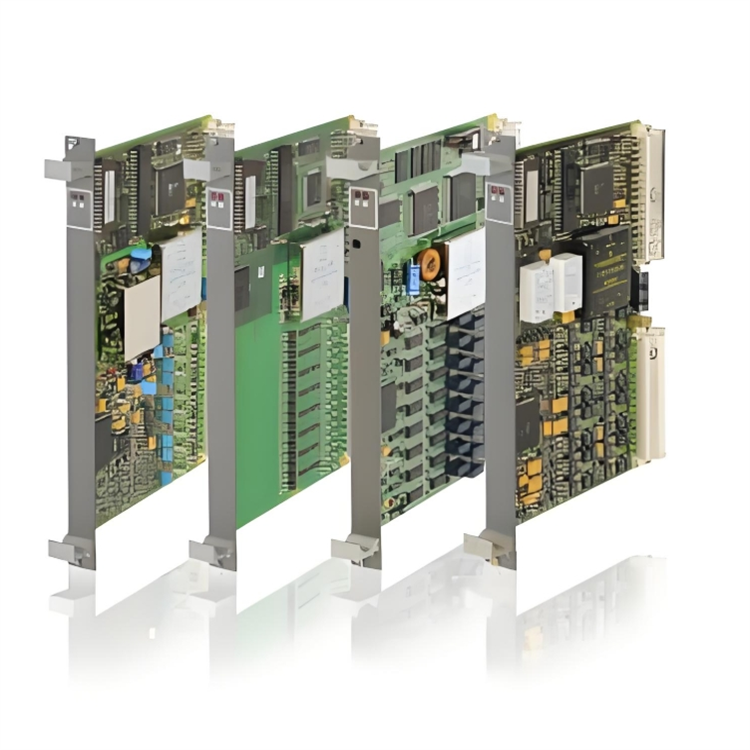
Vibro-meter 200-510-017-019 200-510-111-013 VM600 MPC4
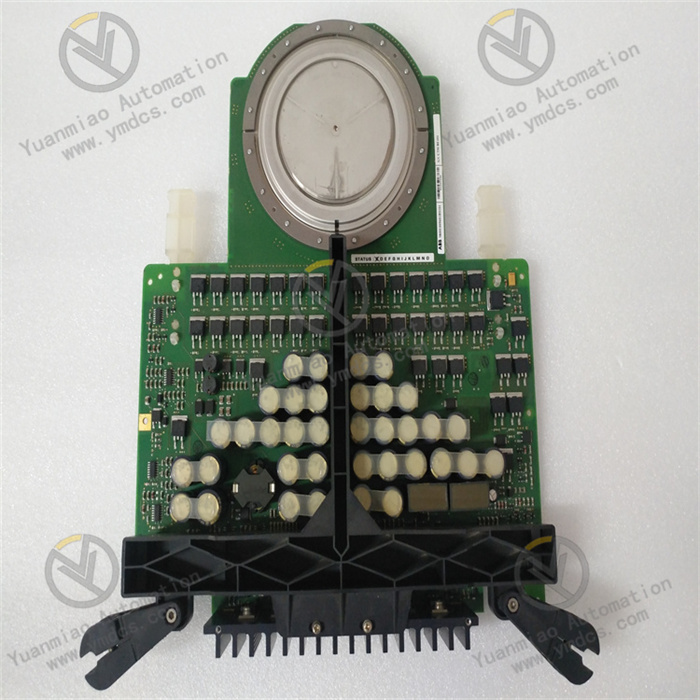
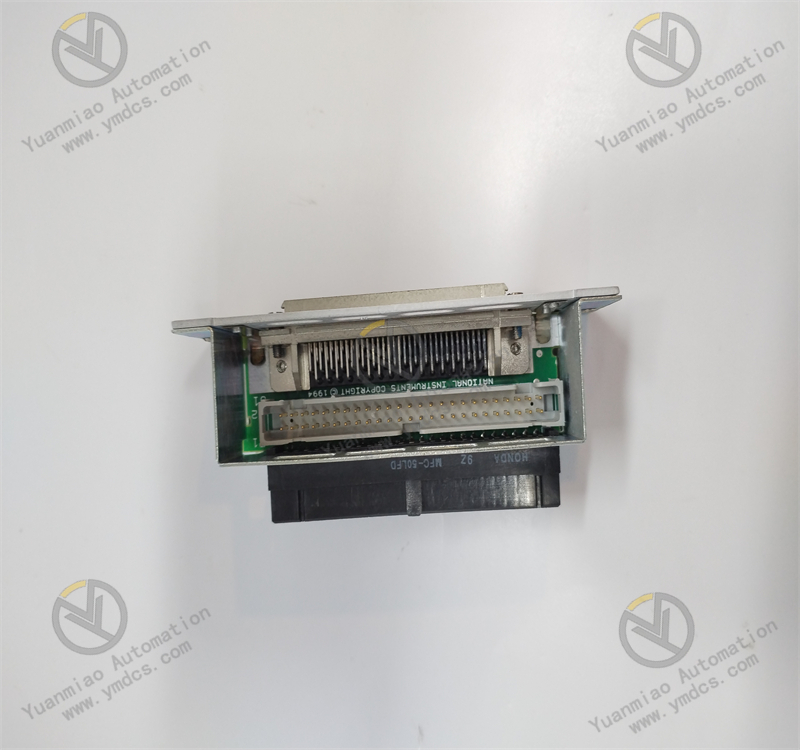
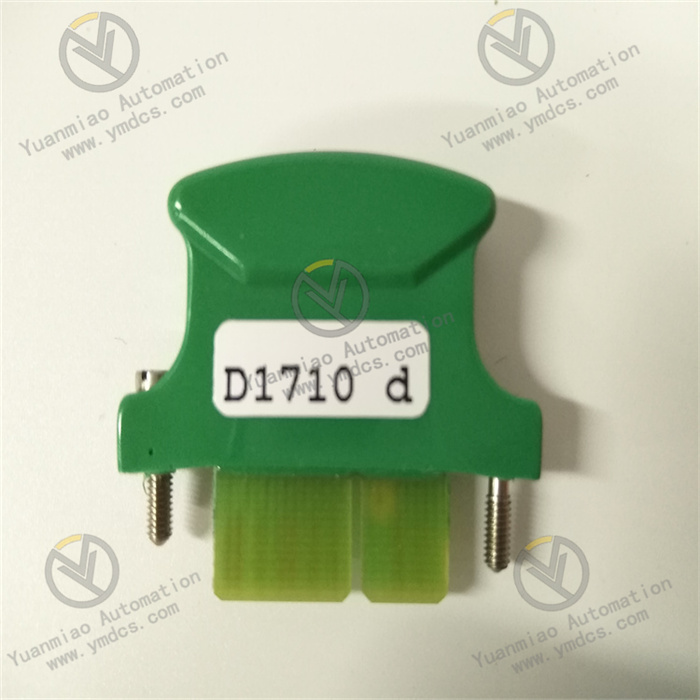
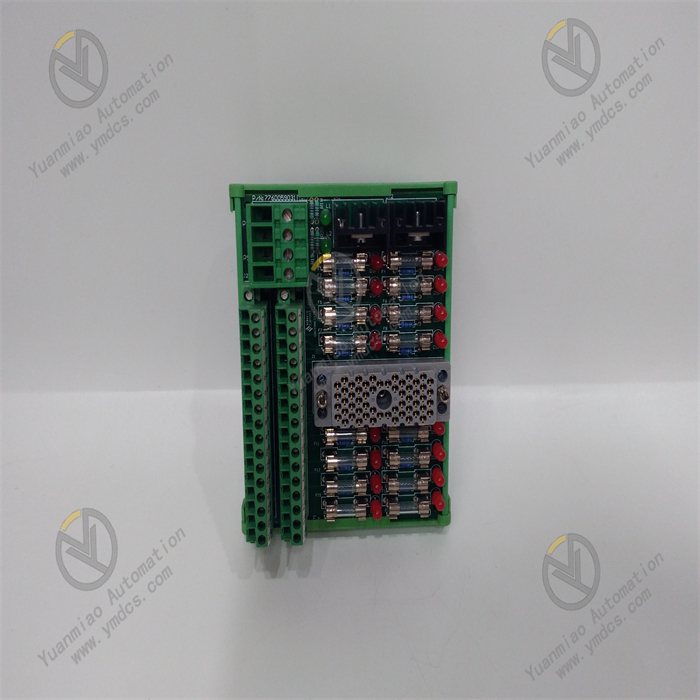
The two vibration monitoring modules are responsible for real-time acquisition and preliminary processing of equipment vibration signals. As the core unit of the system, the VM600 MPC4 receives and analyzes monitoring signals, executes safety interlock tripping, and supports data transmission and remote monitoring. It provides all-round monitoring and protection support for the safe and stable operation of rotating machinery, and is widely used in harsh industrial fields including power generation, oil & gas, chemical and metallurgy.
1. Basic Information & Core Functions
1.1 Common Basic Information
The whole system features high precision, high reliability and harsh environment adaptability. It can be seamlessly integrated into industrial control systems to realize full-lifecycle monitoring and fault early warning for rotating equipment.
1.2 Core Specifications & Functions by Model
1.2.1 Vibro-meter 200-510-017-019 Vibration Monitoring Module
- High-precision Vibration Monitoring: Accurately collects vibration signals of rotating equipment with adjustable measuring ranges (0-50 mm/s to 0-5 g) and frequency coverage of 10Hz–1000Hz. It fully captures various vibration frequency characteristics during equipment operation and provides accurate data support for equipment fault diagnosis.
- Signal Output & System Integration: Equipped with 4-20mA analog output to convert measured vibration signals into standard analog signals for seamless integration into existing industrial control systems. It also supports RS485 Modbus RTU protocol for real-time data transmission and remote monitoring.
- Harsh Environment Adaptation: Adopts rugged industrial design with excellent anti-interference, temperature resistance and vibration resistance. It withstands dust, moisture, temperature fluctuation and mechanical vibration at industrial sites, meeting long-term continuous operation requirements in harsh working conditions.
Easy Installation & Maintenance: Compact and lightweight design (dimension: 150mm×100mm×50mm, weight: 0.5kg). Small footprint for flexible deployment in limited-space field sites or control cabinets with low subsequent maintenance workload.
1.2.2 Vibro-meter 200-510-111-013 Vibration Monitoring Module
- Real-time Vibration Monitoring & Analysis: Built-in high-performance sensors collect real-time vibration data of rotating equipment and accurately monitor equipment health status. It provides data support for predictive maintenance and effectively reduces unplanned downtime.
- Wide Compatibility: Designed for industrial application requirements and compatible with various PLC systems. It can be seamlessly integrated into existing industrial infrastructure without major system modification, featuring low integration cost and high efficiency.
- Rugged & Durable Construction: Made of industrial high-strength materials with outstanding vibration and temperature resistance. It operates stably in harsh environments with high vibration and large temperature variation, adapting to monitoring demands of various rotating equipment.
- Convenient Deployment & Operation: Compact size (dimension: 11cm×6cm×6.7cm, weight: 0.5kg) for easy installation in space-restricted locations. Humanized interface simplifies equipment commissioning and parameter configuration, lowering operator learning difficulty.
1.2.3 Vibro-meter VM600 MPC4 Machine Protection Card
Part Number: Vibro-meter VM600 MPC4Product Type: Machine Protection Card / Real-Time Processor Module (Core Component of VM600 System)
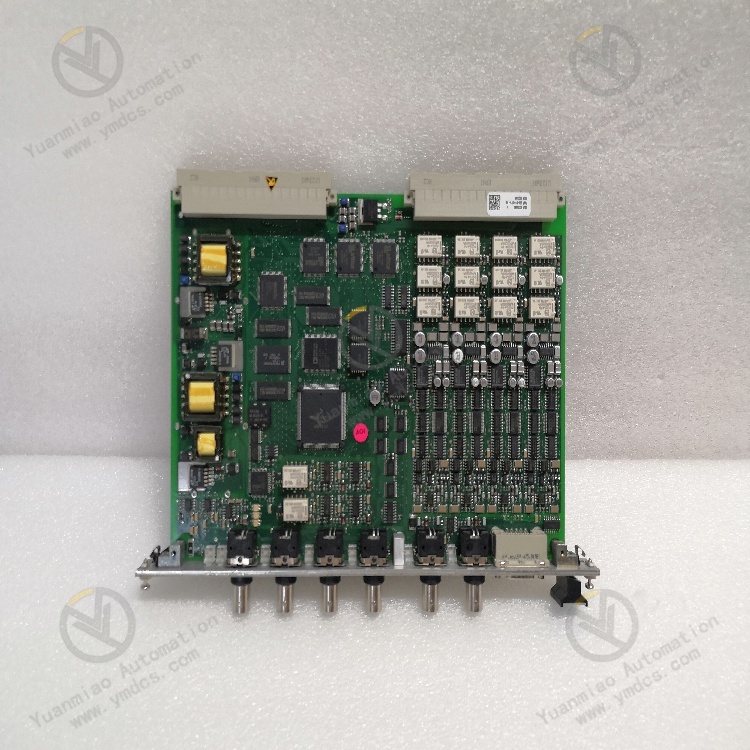
- Multi-signal Processing Capacity: Simultaneously receives 4 dynamic vibration signals (from the two monitoring modules) and 2 speed signals. The on-board DSP chip performs real-time calculation and analysis of vibration amplitude, phase and frequency characteristics to accurately judge equipment operating status.
- Millisecond-level Safety Interlock Protection: Operates independently of the DCS system with extremely high reliability and deterministic logic. When vibration signals exceed preset danger thresholds, it triggers relay tripping via the backplane IOC4T module within milliseconds to shut down equipment and effectively prevent mechanical damage.
- Redundancy & Hot-swap Design: Supports hot-swap redundant configuration, enabling online module replacement and maintenance without interrupting overall system operation. It greatly improves system continuity and reliability, serving as the standard configuration for continuous monitoring of critical rotating machinery.
- Flexible Communication & Data Transmission: Integrated VME bus interface enables seamless connection with industrial control systems for real-time transmission and remote monitoring of monitoring data and equipment status information, facilitating data traceability, fault analysis and parameter adjustment.
- System Coordinated Control: As the core of the VM600 machinery protection system, it centrally manages front-end vibration monitoring modules, completes centralized signal processing and analysis, and issues protection commands to realize coordinated operation of the entire monitoring and protection system.
2. Technical Specifications
| Parameter Item | Vibro-meter 200-510-017-019 | Vibro-meter 200-510-111-013 | Vibro-meter VM600 MPC4 |
|---|---|---|---|
| Part Number | 200-510-017-019 | 200-510-111-013 | VM600 MPC4 |
| Manufacturer | Vibro-meter (Energy Devices) | Vibro-meter (Energy Devices) | Vibro-meter (Energy Devices) |
| Product Type | High-precision Vibration Monitoring Module | Advanced Industrial Vibration Monitoring Module | Machine Protection Card / Real-Time Processor Module |
| Series | VM600 Machinery Protection System | VM600 Machinery Protection System | VM600 Machinery Protection System (Core Unit) |
| Power Supply | 30V | 220V | 85-264VAC, 50/60Hz |
| Signal Input / Processing Channel | Vibration input channel (0-50 mm/s to 0-5 g) | Vibration input channel | 4 dynamic signal channels, 2 speed channels |
| Frequency Range | 10Hz–1000Hz | Standard industrial vibration frequency range | Matches frequency range of front-end monitoring modules |
| Output Interface / Type | 4-20mA analog output, RS485 Modbus RTU | PLC-compatible interface | VME bus interface, trip signal output linked with IOC4T module |
| Dimension | 150mm×100mm×50mm | 11cm×6cm×6.7cm | Industry standard module size (VM600 chassis compatible) |
| Weight | 0.5kg | 0.5kg | Industry standard module weight |
| Key Characteristics | High precision, wide frequency range, easy integration, harsh environment adaptability | High reliability, PLC compatible, compact structure, CE/ROHS certified | Real-time signal processing, millisecond tripping, hot-swap redundancy, VME bus communication |
| Main Function | Vibration signal acquisition, signal conversion & transmission | Real-time vibration monitoring, equipment health status feedback | Signal analysis, safety interlock tripping, system coordinated control |
3. Hardware Design & Structural Details
3.1 Common Design Features
Anti-interference Design: Built-in EMI filter and signal isolation circuit suppress on-site electromagnetic interference effectively and avoid accuracy loss in signal acquisition, processing and transmission. Shielded terminal design further isolates external interference to ensure stable operation even in complex electromagnetic environments.
3.2 Structural Layout by Model
3.2.1 Vibro-meter 200-510-017-019
- Signal Acquisition Area: Dedicated vibration input terminals with standardized layout and firm wiring. Anti-loosening and poor-contact prevention design ensures stable connection with vibration sensors for accurate signal collection.
- Signal Processing Area: Integrated signal amplification, filtering and conversion circuits perform preliminary processing on collected vibration signals, converting them into standard 4-20mA analog signals or transmitting via RS485 interface to guarantee signal stability and readability.
Power & Indication Area: Equipped with power terminals and status LED indicators to display module operation, signal acquisition and alarm status in real time, enabling quick on-site status judgment and troubleshooting.
3.2.2 Vibro-meter 200-510-111-013
- Sensor Interface Area: Advanced sensor ports stably connect various vibration sensors for real-time signal acquisition with strong compatibility for different sensor types.
- Core Monitoring Area: High-precision monitoring chip and signal processing circuit analyze collected vibration signals in real time, feed back equipment health status and support fault early warning.
Integrated Interface Area: Dedicated PLC connection ports for convenient wiring and seamless integration into industrial control systems; status LEDs directly indicate module operating status.
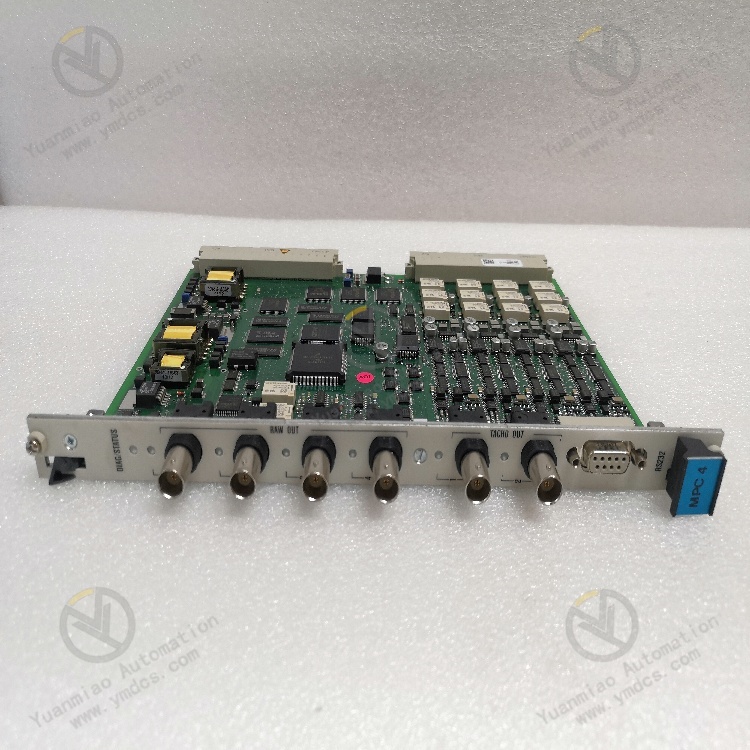
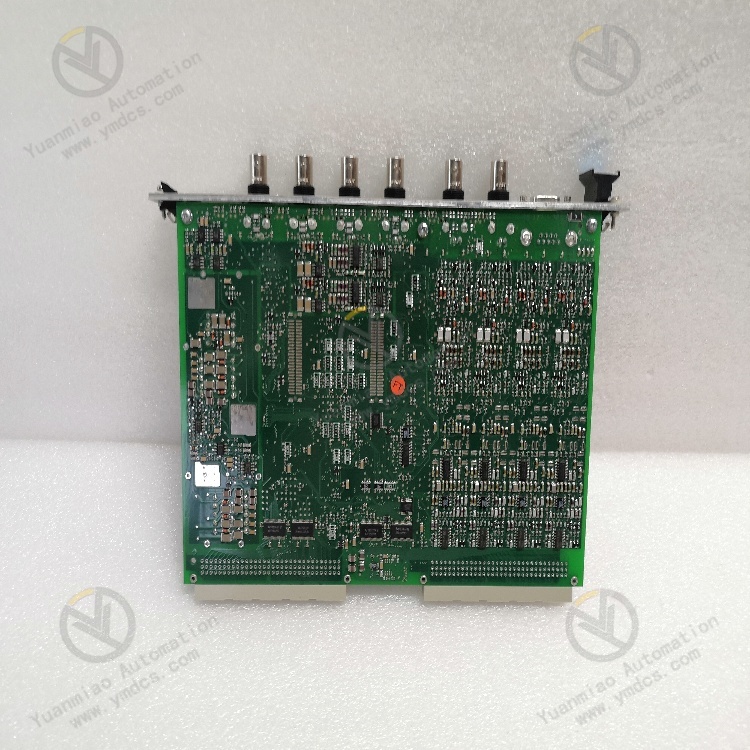
3.2.3 Vibro-meter VM600 MPC4
- Signal Receiving Area: Dedicated input terminals connect the two front-end vibration modules to receive 4 vibration signals and 2 speed signals. Standard layout and firm wiring ensure stable signal transmission.
- Core Processing Area: On-board DSP chip, real-time processor and logic control module perform real-time calculation and analysis of incoming signals, judge equipment operating status and trigger safety protection logic.
- Communication & Linkage Area: VME bus interface connects with industrial control systems for data transmission and remote monitoring; linkage port cooperates with the IOC4T module to output trip signals and execute safety interlock actions.
Redundancy & Indication Area: Supports hot-swap redundant configuration with redundant ports for online module replacement; status LEDs display module running, signal processing and tripping status for convenient on-site maintenance and fault diagnosis.
3.3 Structural Advantages
4. Working Principle & Signal Flow
- Equipment Installation & Power-on: Mount 200-510-017-019 and 200-510-111-013 vibration monitoring modules at designated measuring points of rotating equipment (steam turbine, compressor, etc.) and apply corresponding power supply (30V and 220V respectively). Install the VM600 MPC4 machine protection card in the VM600 control cabinet with 85-264VAC power supply. Complete wiring of vibration sensors to monitoring modules, signal interconnection between monitoring modules and MPC4, as well as connection of MPC4 with DCS/PLC system and IOC4T module to finish system deployment.
- Signal Acquisition & Preliminary Processing: The two vibration modules collect real-time vibration signals via sensors. The 200-510-017-019 amplifies and filters signals, then transmits to MPC4 via 4-20mA analog output or RS485 interface. The 200-510-111-013 conducts real-time monitoring and preliminary analysis, then sends data to MPC4 through PLC-compatible interface; speed signals are transmitted to MPC4 via dedicated channels simultaneously.
- Signal Analysis & Status Judgment: The VM600 MPC4 uses the on-board DSP chip to perform real-time calculation on 4 vibration signals and 2 speed signals, analyzes vibration amplitude, phase and frequency characteristics, compares with preset safety thresholds, and judges equipment status (Normal / Warning / Danger).
- Safety Protection & Interlock Execution: When MPC4 detects vibration exceeding the preset danger threshold, it immediately activates the safety interlock mechanism, triggers relay tripping via the backplane IOC4T module within milliseconds to shut down equipment and avoid mechanical damage. Meanwhile, alarm signals are issued via status indicators, and alarm & trip events are synchronously transmitted to DCS/PLC systems.
- Data Transmission & Remote Monitoring: Through the VME bus interface, MPC4 transmits real-time monitoring data, equipment status, alarm messages and trip records to DCS/PLC systems. Operators realize remote real-time monitoring, data traceability, fault analysis and parameter adjustment. The running status of monitoring modules can be viewed directly via local LEDs for convenient on-site maintenance.
5. Key Features & Advantages
- Cooperative Operation & Full-range Monitoring: The two vibration modules cooperate with MPC4; the front-end performs precise signal acquisition while the back-end conducts real-time analysis and safety protection, forming a complete rotating machinery monitoring and protection system that comprehensively captures vibration abnormalities and covers the whole process from monitoring and analysis to protection.
- High-precision Monitoring & Reliable Data: Vibration modules feature wide frequency range and adjustable measuring range with high acquisition accuracy and stable signals. MPC4 is equipped with high-performance DSP chip for accurate signal analysis and rapid abnormal condition identification, providing solid data support for fault diagnosis and predictive maintenance.
- Millisecond-level Protection & High Safety: MPC4 operates independently of DCS with millisecond-level safety interlock tripping capability, rapidly shutting down equipment under dangerous abnormal conditions to avoid damage and greatly improve operational safety of rotating machinery.
- Redundant Design & High Continuity: MPC4 supports hot-swap redundant configuration for online replacement and maintenance without system downtime. The two monitoring modules deliver high reliability to avoid single-point monitoring failure and ensure long-term continuous system operation.
- Flexible Integration & Wide Adaptability: Rich interfaces enable seamless integration into existing DCS/PLC industrial control systems, adapting to various rotating equipment and industrial scenarios without major system modification, featuring low integration cost and high efficiency.
- Harsh Environment Resistance & High Stability: Industrial rugged construction and anti-interference design provide excellent temperature, vibration, corrosion and EMI resistance, with low long-term failure rate in harsh environments such as power generation and oil & gas.
- Convenient O&M & High Efficiency: Compact modular design enables easy installation and maintenance; status indicators clearly display operating status, and MPC4 supports remote data transmission and fault traceability, reducing on-site workload and improving O&M efficiency.
6. Application Scenarios
- Power Generation Industry: Applied on critical rotating equipment such as steam turbines and generators in power plants. Real-time vibration and speed monitoring realize fault early warning and safety protection, ensuring safe, stable and efficient power production and avoiding unplanned outage.
- Oil & Gas Industry: Used on compressors, pumps and other rotating equipment in oil/gas exploitation and transmission pipelines. It monitors vibration status, detects abnormalities in a timely manner, prevents production interruption and safety hazards caused by equipment faults, and guarantees continuous oil & gas production.
- Chemical Industry: Suitable for steam turbines, compressors and other rotating equipment in chemical plants. It adapts to harsh chemical production environments, monitors real-time equipment status, ensures process stability and production safety, and avoids quality impact due to equipment failure.
- Metallurgy Industry: Deployed on fans, water pumps, steam turbines and other rotating machinery in metallurgical plants. High-precision vibration monitoring and rapid safety protection extend equipment service life, reduce maintenance costs and ensure continuous metallurgical production.