Description
Honeywell 51305072-300
1. Basic Information
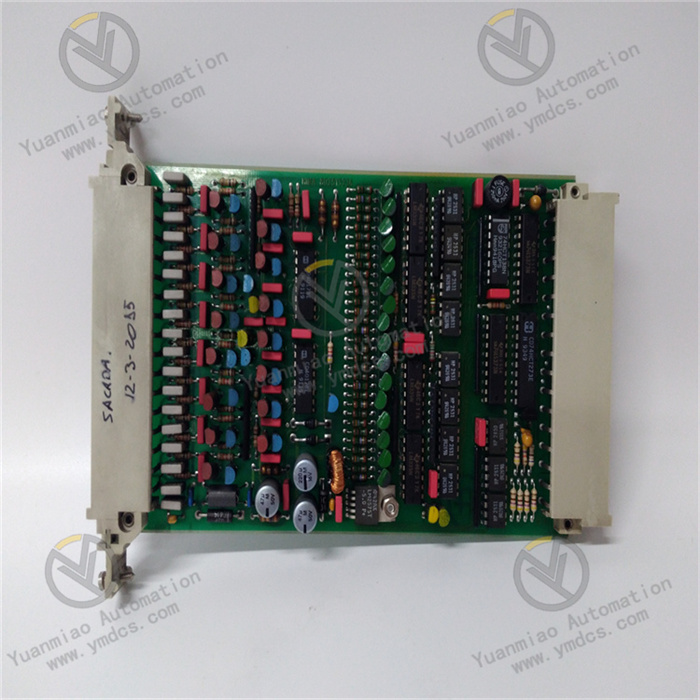
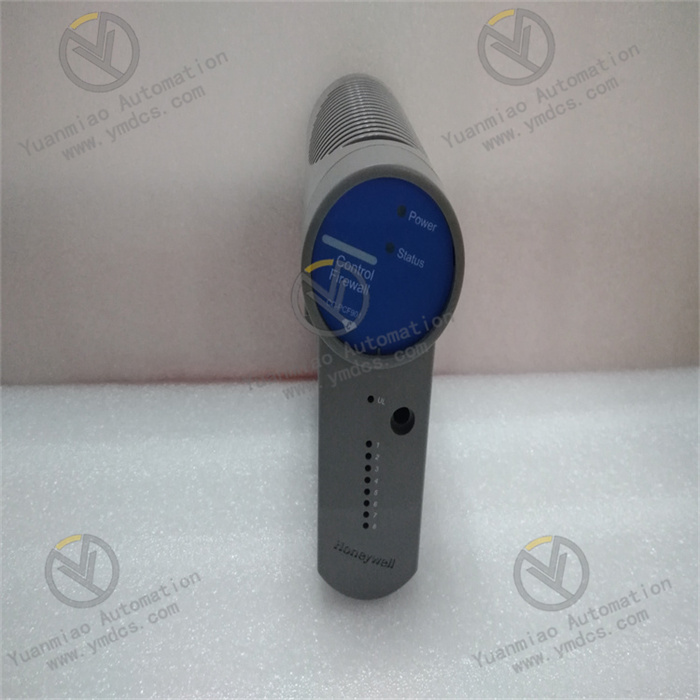
Honeywell 51305072-300 is a CLCN‑B (Control Network‑B) redundant network communication module for TDC3000 DCS systems, serving as the upgraded and enhanced version of 51305072-200 (CLCN‑A). It supports dual LCN hot-redundant network architecture and realizes seamless link switching and fault tolerance.
Optimized for high-reliability industrial scenarios, the module features stronger anti-interference performance, accurate time sequence synchronization and zero packet-loss switching. It is widely used in petrochemical, power and metallurgical industries for legacy system redundancy transformation and high-level network stability upgrading.
2. Technical Specifications
2.1 Core Function & Communication Specifications
- Model: 51305072-300, Type: CLCN‑B Redundant LCN Control Network Module
- Compatibility: Fully compatible with TDC3000 system, downward compatible with CLCN‑A (51305072-200)
- Core Feature: Dual LCN hot redundancy, automatic seamless switching and network-level fault tolerance
- Protocol: Optimized dedicated LCN bus protocol with improved transmission stability
- Transmission Rate: 1Mbps high-speed real-time bus data transmission
- Node Capacity: Supports up to 255 network nodes for large-scale DCS networking
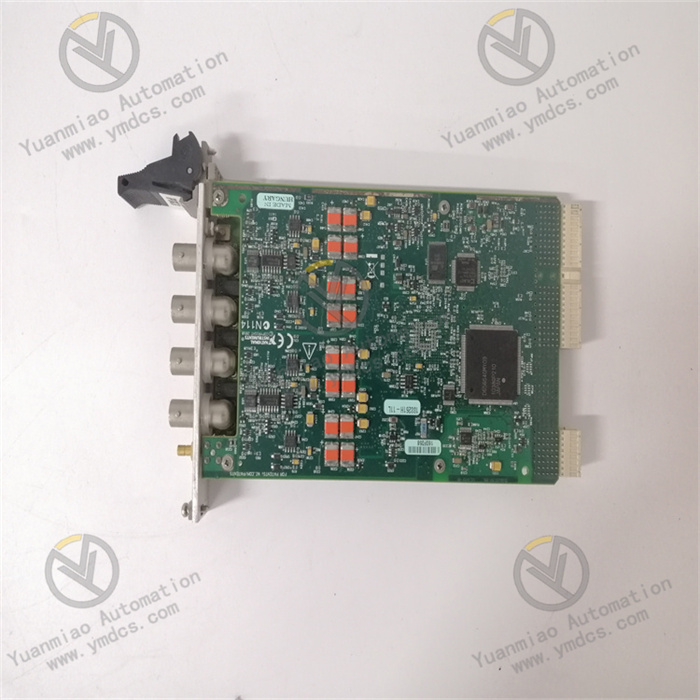
- Interface: Dual independent BNC ports for A/B redundant links with complete electrical isolation
- Switching Performance: Hardware-level fast switching with zero packet loss and no control interruption
2.2 Electrical & Power Specifications
- Power Supply: 24V DC rack backplane power supply
- Max Operating Current: 1A, strong load capacity for long-term full-load operation
- Power Consumption: Low-power optimized design with low heat generation and stable performance
- Protection: Built-in over-voltage, over-current, surge and ESD multi-protection
- Link Isolation: Complete electrical isolation between A/B links to prevent fault cross-interference
2.3 Diagnosis & Operation Characteristics
- Power-on Self-test: Full self-inspection of chip, dual ports and redundant switching circuit
- Dual-link Monitoring: Independent real-time monitoring of A/B link signal quality and status
- Redundancy Management: Dual-link hot standby, automatic fault switching and recovery resynchronization
- Fault Diagnosis: Accurately identifies single-link/dual-link faults and outputs fault codes
- Status Indication: Multi-group LED indicators for link and fault status visualization
- Time Synchronization: High-precision full-network clock synchronization for consistent data timing
2.4 Environmental & Protection Specifications
- Operating Temperature: -40℃~+85℃, ultra-wide temperature resistance for harsh industrial environments
- Storage Temperature: -40℃~+85℃, stable performance after long-term storage
- Humidity Range: 5%~95%RH (non-condensing), dust-proof and moisture-proof
- EMC Performance: Industrial anti-interference design resisting electromagnetic interference and harmonic noise
- Certification: CE, UL, CSA international industrial safety certified
- Structural Stability: Vibration-resistant and anti-loose design for long-term industrial operation
2.5 Physical Structure Specifications
- Structure Type: Standard TDC3000 modular CLCN‑B upgraded board
- Installation: Backplane plug-and-play installation, direct replacement for CLCN‑A modules
- Dimensions: 176mm × 61mm × 25mm, compact and space-saving
- Weight: Approx. 0.2kg, lightweight without extra cabinet load
- Interface Layout: Partitioned dual BNC ports for convenient wiring and maintenance
3. Working Principle
- Power-on Initialization & Redundancy Self-test: After power-on, the module completes full hardware self-inspection, initializes dual-link parameters, synchronizes system clock, and establishes A/B dual LCN hot standby links.
- Dual-link Parallel Data Transceiving: Both links transmit and receive data simultaneously under normal conditions. The module compares and verifies dual-channel data to ensure transmission accuracy.
- Real-time Link Quality Monitoring: Continuously monitors signal strength, delay and data integrity of A/B links to evaluate link health status in real time.
- Automatic Redundancy Switching: Once a single link fails, the module triggers hardware-level seamless switching immediately. All data tasks migrate to the healthy link with zero packet loss and zero control interruption.
- Fault Self-recovery & Resynchronization: When the faulty link recovers, the module automatically completes data synchronization and restores dual-link hot standby mode without manual operation.
- Fault Alarm & Status Upload: Triggers local LED alarm and remote fault code upload upon link abnormality, supporting rapid troubleshooting and maintenance.
4. Application Scenarios
4.1 Large-scale TDC3000 Redundant Networking
Builds dual LCN redundant network architecture for large and critical TDC3000 DCS systems, eliminates single-point network failure risks, and ensures 7×24-hour uninterrupted operation of core production units such as petrochemical plants and power generation units.
4.2 Uninterrupted Process Control Guarantee
Supports continuous production processes with zero downtime requirements. The dual-link fault-tolerant capability avoids process fluctuation, interlock misoperation and production shutdown caused by single communication link failure, ensuring safe and stable operation of key processes.
4.3 Legacy CLCN‑A System Upgrading
Perfectly replaces CLCN‑A single-link modules without program and wiring modification, upgrading ordinary LCN network to high-reliability redundant network at low cost, and greatly improving system anti-risk capability.
4.4 DCS Spare Part Replacement & Maintenance
Serves as a high-end redundant spare part to replace aging and faulty CLCN modules, quickly restores network redundancy functions, solves network flash disconnection and node offline faults, and reduces system downtime and maintenance costs.
4.5 High-reliability Industrial Automation Construction
Adapts to harsh industrial environments with ultra-wide temperature resistance, strong anti-interference and seamless switching performance. It is the core hardware for safety level upgrading and network stability optimization of DCS systems in high-risk industries.