Description
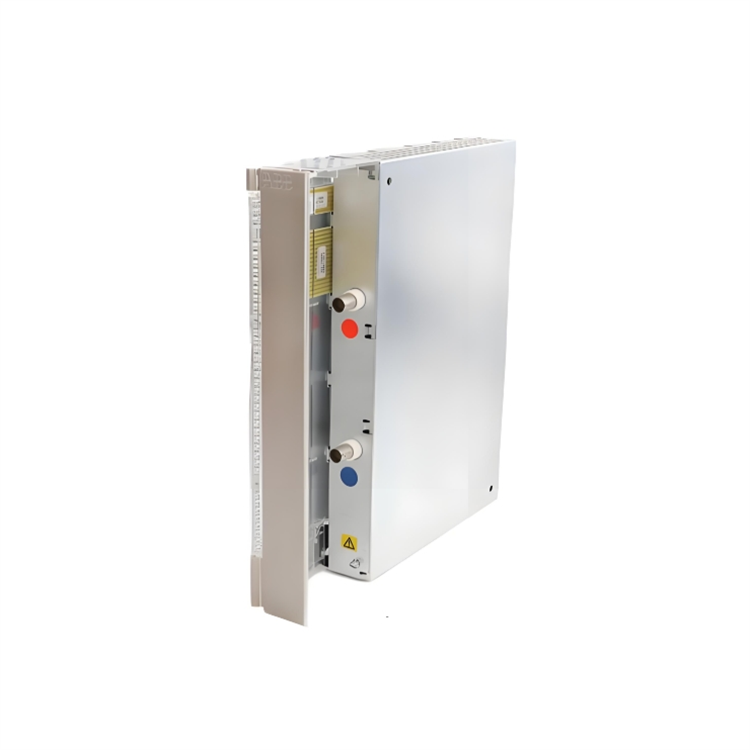
Honeywell 51402455-100 MP-DNCF02-200
1. Basic Information
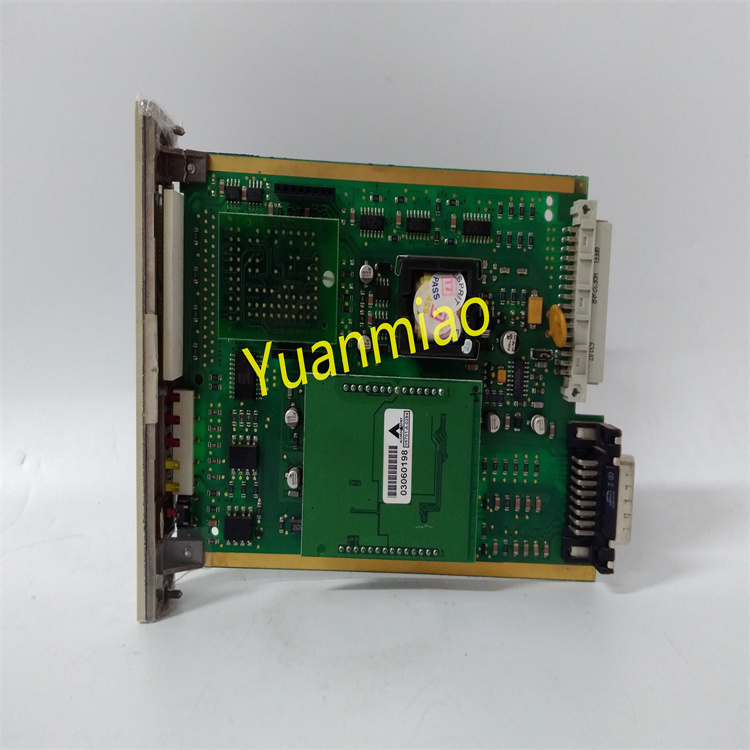
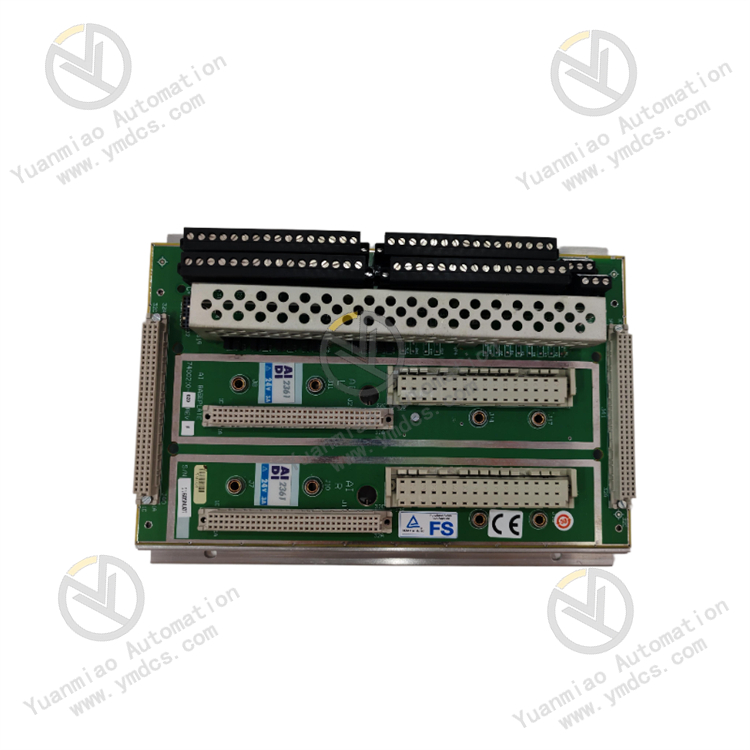
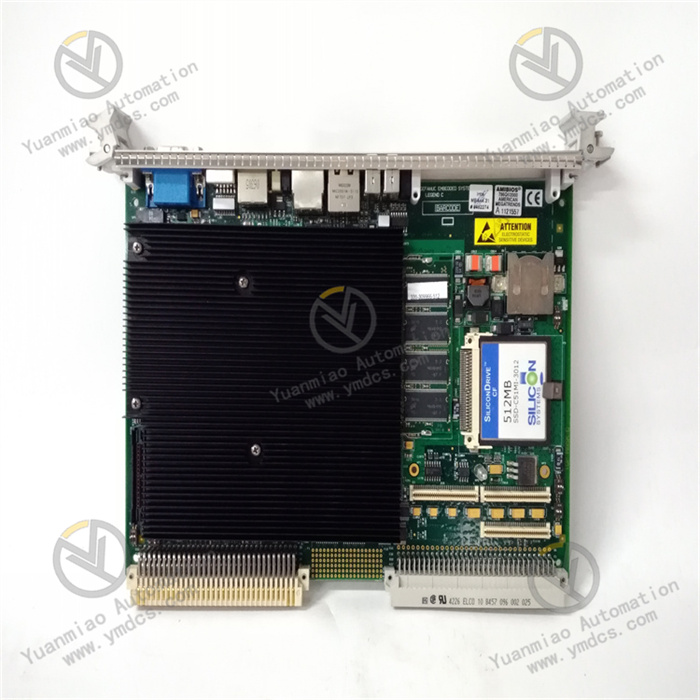
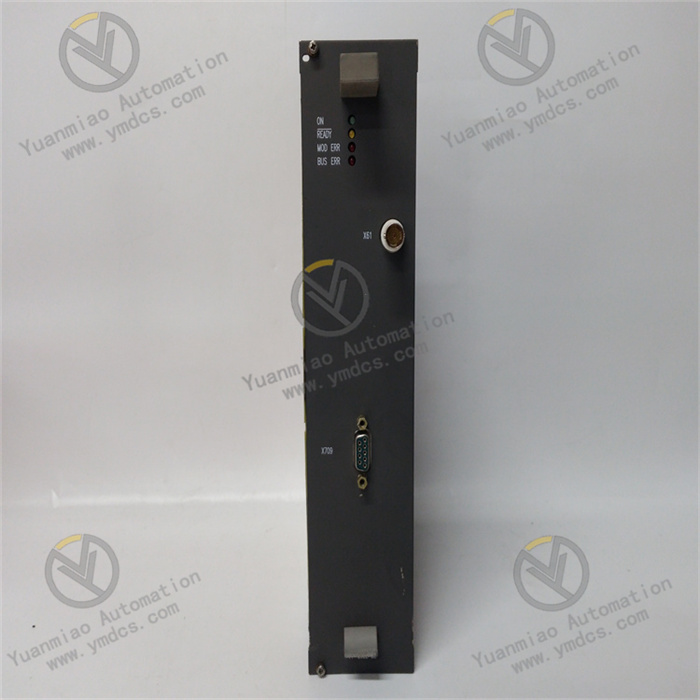
Honeywell 51402455-100 (MP-DNCF02-200) is a professional Device Name Clarification Module (DNCF) for Honeywell Experion PKS C300 DCS systems. It is designed for network topology management, device address verification and I/O mapping calibration in large-scale DCS networking scenarios.
This module eliminates common network faults such as device name duplication, address conflict and topology disorder, supports online calibration and redundant bus adaptation. With low power consumption and high anti-interference performance, it is widely used in chemical, thermal power and oil & gas industries for system networking optimization, capacity expansion and old topology fault repair.
2. Technical Specifications
2.1 Core Function & Bus Features
- Model: 51402455-100 / MP-DNCF02-200, Type: Device Name Clarification Module
- Compatible System: Honeywell Experion PKS C300 DCS System, IOLINK bus compatible
- Core Functions: Network device identification, address verification, topology sorting, I/O mapping calibration and conflict elimination
- Topology Management: Supports multi-remote I/O station and large-scale module parallel networking
- Conflict Handling: Automatically detects duplicate names, repeated addresses and loop faults
- Online Calibration: Real-time topology update without system shutdown
- Redundancy Adaptation: Fully compatible with dual redundant IOLINK bus architecture
- Network Optimization: Reduces bus load and addressing delay for stable network synchronization
2.2 Electrical & Communication Specifications
- Power Supply: C300 rack backplane 24VDC power supply, low power consumption
- Communication Bus: C300 redundant IOLINK field bus
- Protocol: Experion PKS dedicated bus protocol for C300 device management
- Isolation Design: Built-in signal isolation to prevent bus crosstalk and ground interference
- Protection: Over-voltage, over-current and ESD protection for industrial complex environments
2.3 Diagnosis & Operation Characteristics
- Power-on Topology Self-test: Automatically scans full network and verifies device uniqueness
- Real-time Monitoring: Continuously monitors topology changes, address conflicts and offline faults
- Precise Fault Diagnosis: Accurately locates duplicate devices, topology breaks and mounting abnormalities
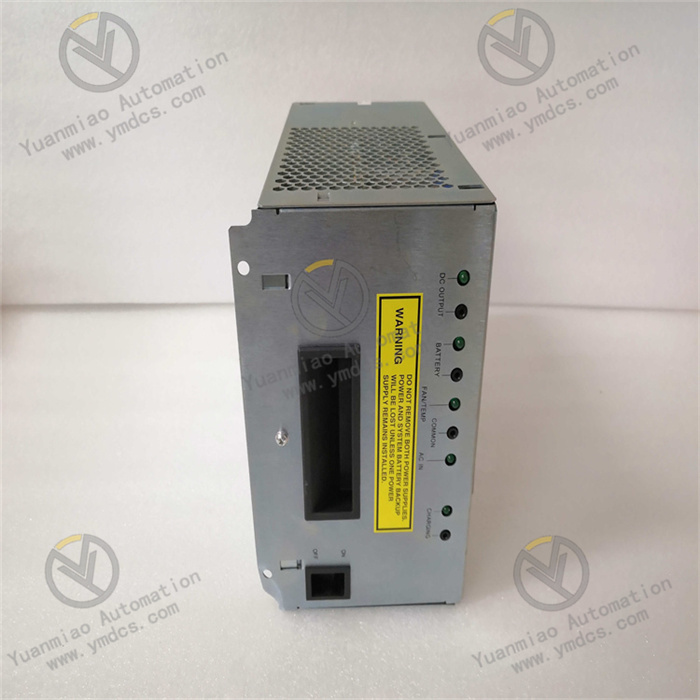
- LED Indication: Onboard status indicators for run, communication and fault status
- Hot-swap Support: Online replacement without network interruption
- Auto Fault Recovery: Corrects transient topology errors and isolates persistent faults
2.4 Environmental & Protection Specifications
- Operating Temperature: -20℃~+60℃ industrial wide temperature range
- Storage Temperature: -40℃~+85℃ high and low temperature impact resistance
- Humidity Range: 5%~95%RH (non-condensing), dust-proof and moisture-proof
- EMC Performance: Industrial anti-interference design against electromagnetic and harmonic noise
- Vibration Resistance: Reinforced PCB for long-term vibration working conditions
- Protection Grade: IP20 standard for indoor industrial cabinet installation
3. Working Principle
- Power-on Initialization & Full Network Scan: After backplane power-on, the module completes self-test, synchronizes IOLINK bus timing, scans all local and remote I/O devices, and generates the initial network topology list.
- Device Name & Address Clarification: Compares and verifies the uniqueness of device names and physical addresses, corrects non-standard mapping relationships, and establishes a unified full-network addressing list.
- Topology Standardization & Synchronization: Synchronizes the calibrated topology data to the C300 controller and Experion upper system, revises network accounting errors, and ensures accurate device identification.
- Real-time Dynamic Update: Monitors topology changes caused by capacity expansion or module replacement, automatically rescans and calibrates to adapt to system hardware updates.
- Fault Identification & Isolation: Detects address conflicts, duplicate devices and topology breaks in real time, isolates faulty branches to prevent full-network paralysis, and uploads alarm codes.
- Redundant Bus Coordination: Realizes dual-bus data synchronization and mutual verification, ensuring continuous and stable topology identification even with single bus failure.
4. Application Scenarios
4.1 Large-scale C300 DCS Standard Networking
Standardizes network topology for large chemical, thermal power and oil & gas DCS devices, solves addressing confusion and identification errors in multi-rack and multi-remote station parallel networking, and unifies full-network logic rules.
4.2 System Capacity Expansion & Process Upgrade
Adapts to hardware addition and process transformation, automatically calibrates new device topology information, avoids address conflicts between new and old devices, and realizes low-cost and stable system expansion.
4.3 Legacy System Topology Fault Repair
Fixes stubborn problems such as device name duplication, address drift and topology account disorder in aging DCS systems, solves abnormal offline and data jitter faults, and restores network stability.
4.4 Distributed Remote I/O Network Optimization
Accurately identifies hierarchical topology of long-distance distributed remote I/O stations, eliminates identification deviation and synchronization delay in long-line networking, and ensures reliable data interaction.
4.5 System Debugging & Acceptance Calibration
Used for standard topology calibration in new project debugging and annual maintenance, standardizes equipment accounts, eliminates hidden network dangers, and guarantees long-term stable operation of DCS systems.