Description
I. Basic Information
Model:UNC4673AV1
ABB Part No.:HIEE205014R1
Origin:Sweden
Applicable Platform:ABB AC800M DCS, UNITROL Excitation System, Power Plant Auxiliary Control System, Industrial Drive Control System
Product Type:High-speed Bus Communication Control Interface Module, System Data Interaction Coprocessing Unit
Application Scope:Data forwarding of generator excitation system, industrial drive system bus networking, cross-module data interaction of power plant auxiliary control DCS system, high-speed communication between PLC and field intelligent equipment, multi-controller redundant data synchronization. Widely used in industrial automatic control systems of power, chemical, metallurgy and energy industries for bus expansion and overall data transmission.
Product Positioning
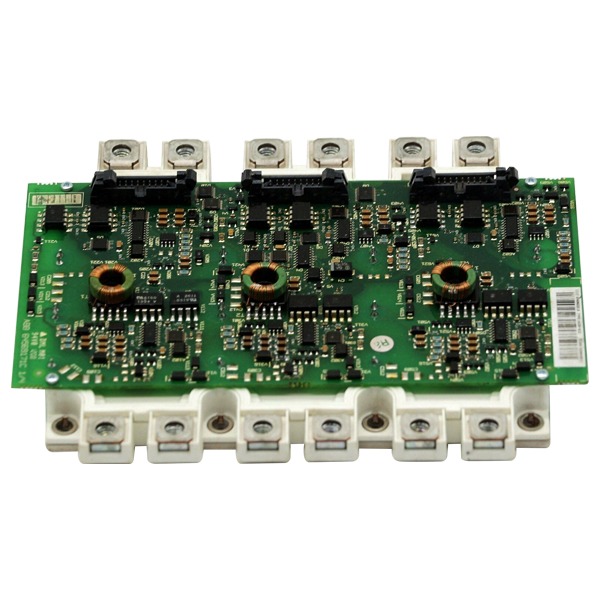
ABB HIEE205014R1 UNC4673AV1 is a high-performance bus communication coprocessing module dedicated to ABB industrial control systems. As the core data interaction hub of the system, it independently undertakes bus data parsing, protocol conversion, real-time data forwarding and equipment status inspection tasks, effectively reducing the computing pressure of the main controller and improving the real-time performance and stability of the whole system communication. Equipped with a dedicated industrial communication processor, it supports multi-protocol compatible communication, with hardware-level fault self-diagnosis, bus self-healing and data check fault tolerance capabilities. It can realize millisecond-level data synchronization between multiple modules and subsystems, perfectly adapting to working conditions requiring high communication timeliness and reliability such as generator excitation control, variable frequency drive and power plant automation. It is widely used in technical renovation of old system communication modules, fault spare parts replacement and system bus capacity expansion and upgrading.
Hardware Architecture
1. Dedicated Industrial Communication Coprocessing Unit
Equipped with a 32-bit high-performance industrial-grade communication processor, it independently runs communication scheduling programs without occupying main controller resources. It can autonomously complete bus data transceiving, protocol parsing and data packet forwarding. Built-in 256KB high-speed RAM and 2MB solidified flash memory are used to store communication firmware, protocol configurations, data cache and fault logs, ensuring stable transmission of high-frequency and large-capacity industrial data, and completely avoiding communication stuttering and data delay caused by excessive main controller load.
2. Multi-protocol Compatible High-speed Bus Communication Unit
Natively adapts ABB exclusive backplane bus and mainstream industrial communication protocols such as Modbus TCP, Profinet and EGD. It has high-speed data throughput capacity, supporting real-time data interaction of large-scale I/O measuring points and intelligent equipment. The bus communication adopts CRC cyclic redundancy check, data retransmission mechanism and heartbeat link detection, accurately avoiding data packet loss and message disorder caused by electromagnetic interference, and ensuring accurate and reliable transmission of control commands and process parameters.
3. Bus Redundant Self-healing and Fault Tolerant Unit
Supports dual-bus redundant networking architecture with bus link fault self-healing capability. When a single communication link is abnormal, disconnected or fails due to interference, the system can switch to the standby link within milliseconds without disturbing communication recovery and affecting the operation of the whole system control logic. The built-in communication priority scheduling mechanism preferentially transmits key control data such as interlock and regulation, ensuring the continuity and safety of core process control.
4. Full-dimensional Hardware Self-diagnosis and Event Storage Unit
Adopts refined hardware self-inspection mechanism to monitor core parameters such as processor operation status, bus link, power supply voltage, data cache and port status in real time, accurately locating faults such as bus disconnection, protocol matching abnormality, data check error and module hardware failure. Fault events are automatically latched and stored with high-precision timestamps, supporting offline export through background configuration software, providing complete data basis for fault traceability of communication abnormality, system disturbance and equipment tripping. Multiple LED status indicators on the panel intuitively display operation, communication, fault and bus synchronization status, facilitating on-site operation and maintenance.
5. Wide-range Power Supply and Full EMC Protection Unit
Adopts industrial standard DC24V wide-range power supply design with voltage fluctuation fault tolerance. Built-in multi-level hardware protection including reverse power protection, overvoltage/overcurrent protection, surge impact protection, ESD static protection and communication port short-circuit current limiting. The whole machine PCB adopts industrial three-proof coating technology, which is moisture-proof, dust-proof and corrosion-resistant, resisting high-frequency electromagnetic interference generated by inverter and contactor switching in the control room, adapting to harsh operating conditions of industrial control cabinets.
6. Standard Rack Compact Installation Architecture
Adopts lightweight compact industrial design, suitable for embedded installation of ABB standard system racks, with stable structure and small occupied space. The passive natural heat dissipation design has no fan, no mechanical loss and low failure rate, supporting module disassembly and replacement without system shutdown, adapting to the long-term 7×24-hour uninterrupted operation requirements of industrial systems.
Matching System and Hardware
Supporting Hardware
ABB AC800M controller, UNITROL series excitation modules, S800 series I/O modules, redundant 24VDC industrial power supply, industrial shielded communication network cables, system rack backplane, bus terminating resistors, on-site intelligent transmitters and drive equipment.
Commissioning Software
ABB Control Builder M, ABB excitation system configuration software, system bus diagnosis tool, used for communication protocol configuration, bus parameter setting, fault log reading, module firmware upgrade, communication link verification and system networking debugging.
Upper-level Connection System
Power plant DCS monitoring system, SCADA plant-wide monitoring platform, excitation system upper management software, industrial automation configuration platform, realizing remote monitoring of communication status, bus fault alarm, centralized upload of equipment data and traceability management of system operation status.
Typical Application Industries
Thermal power, hydropower and new energy power station generator excitation control systems; petrochemical and coal chemical process DCS control systems; metallurgical industry variable frequency drive control systems; municipal energy and distributed power station automatic control systems; bus communication expansion and hardware technical renovation projects of old industrial automatic systems.
Core Product Features
1. Independent Coprocessing Architecture Optimizes System Performance
The independent communication processor takes full responsibility for bus data interaction and protocol parsing, completely reducing the communication scheduling pressure of the main controller. It effectively avoids system scanning delay and logic operation stuck caused by large communication data volume, greatly improving the operation stability and response speed of the whole automatic system.
2. Multi-protocol Compatibility Adapts to Multi-scenario System Networking
Compatible with multiple mainstream industrial communication protocols and ABB exclusive buses, it realizes seamless docking of controllers, excitation modules, I/O stations and third-party intelligent equipment, adapting to new system networking, old system compatible renovation and cross-equipment data interconnection scenarios with strong system scalability and compatibility.
3. Dual-bus Redundant Self-healing Ensures Ultra-high Communication Reliability
Supports dual-link bus redundant architecture with automatic link fault detection, millisecond-level switching and bus self-healing functions. Single-link fault will not interrupt system control, with no data loss and no logic disturbance, fully meeting the strict requirements of high-risk processes such as power and chemical industry for communication continuity.
4. Refined Self-diagnosis Realizes Accurate Fault Traceability
Monitors hardware status, bus links and data transmission status in full real time, accurately locating problems such as communication abnormality, hardware fault and protocol mismatch. Timestamped fault logs are permanently stored and support offline export and archiving, providing complete data support for system operation and maintenance, fault troubleshooting and safety audit.
5. Wide-temperature Industrial Durable Design Adapts to Harsh Working Conditions
Ultra-wide operating temperature range, three-proof PCB process and multiple electromagnetic compatibility protection, anti-vibration, anti-humidity and anti-industry electromagnetic interference. It has excellent mean time between failures, and can operate stably in complex environments of industrial control rooms for a long time, adapting to 7×24-hour uninterrupted production working conditions.
6. Standardized Compatible Design Enables Convenient Spare Parts Replacement
Hardware dimensions, bus interfaces and communication protocols are fully compatible with ABB series automation platforms. Fault replacement of old modules only needs to copy the original communication parameters and bus configuration for rapid commissioning, without modifying cabinet wiring and system architecture, greatly shortening the shutdown maintenance time.
II. Technical Specifications
2.1 Electrical Performance Parameters
- Model: UNC4673AV1, ABB Part No.: HIEE205014R1
- Power Supply: DC24V (21.6~26.4V), Full Load Power Consumption ≤22W
- Core Processor: 32-bit Dedicated Industrial Communication Coprocessor
- Storage Configuration: 256KB RAM High-speed Cache, 2MB Flash Firmware Storage
- Communication Protocols: Modbus TCP, Profinet, EGD, ABB Backplane Exclusive Bus
- Synchronization Accuracy: ±100ns in Local Area Network
- Redundant Performance: Dual-bus Redundant Switching Time ≤1s, Supporting Link Self-healing
- Data Refresh Cycle: Stable 50ms Cycle Data Interaction, Adapting to Large-scale Measuring Point Transmission
- Hardware Protection: Reverse Power, Overvoltage/Overcurrent, Surge Impact, ESD Static, Port Short-circuit Current Limiting Protection
- Core Functions: Bus Data Transceiving, Multi-protocol Parsing and Conversion, Redundant Communication Scheduling, Link Fault Diagnosis, Data Fault Tolerance Verification, Fault Event Storage, System Bus Networking Expansion
2.2 Mechanical Parameters
- Installation Mode: ABB Standard Industrial Rack Embedded Card Slot Installation
- Shell Material: Flame-retardant Industrial Plastic Shell + Metal Reinforced Structure, Dust-proof and Vibration-resistant
- Status Indication: Multi-channel LED Indicators for Operation, Communication, Fault and Bus Synchronization Status
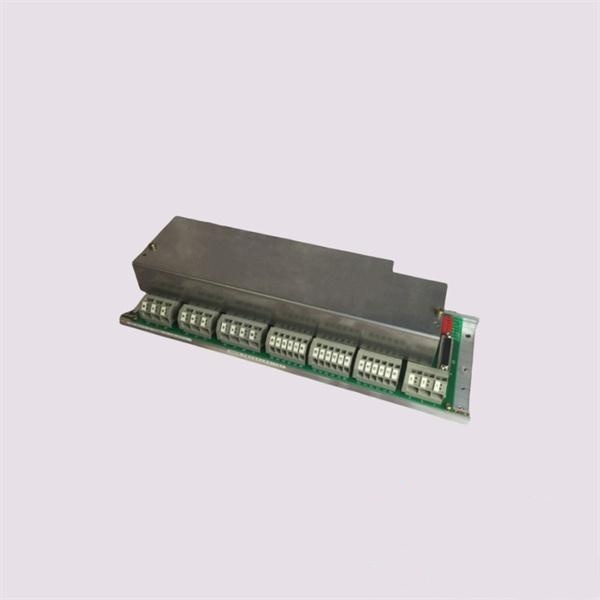
- Interface Configuration: Backplane Bus Interface, Communication Expansion Interface, Power Supply Terminal Interface
- Protection Class: IP20
2.3 Environmental Resistance Parameters
- Operating Temperature: -40℃ ~ +70℃
- Storage and Transportation Temperature: -40℃ ~ +85℃
- Working Humidity: 5%~95%RH, Non-condensing, No Corrosive Gas and Conductive Dust
III. Key Features
1. Independent Bus Coprocessing Optimizes System Operation Performance
Independently completes system-wide bus communication scheduling and data processing, reducing the main controller computing load. It avoids system stuttering and scanning cycle fluctuation caused by large-capacity data transmission, ensuring the accurate and efficient execution of logic operation, parameter regulation and interlock action of the whole control system, and improving the overall stability and response speed of the system.
2. Multi-protocol Intercommunication and Conversion Realizes Seamless System Networking
Supports bidirectional conversion and data intercommunication of multiple mainstream industrial communication protocols, realizing seamless docking between ABB native equipment and third-party intelligent instruments, drive equipment and upper monitoring systems. It solves the communication compatibility problems of different brands and models of equipment, adapting to old system upgrading and multi-equipment integrated networking scenarios.
3. Dual-bus Redundant Self-healing Ensures Zero Communication Interruption
Dual-link bus hot standby operation with real-time link status monitoring. When single-link fault, disconnection or interference failure occurs, it automatically switches to the standby link without data loss and system disturbance, no shutdown maintenance is required, ensuring the continuous and stable operation of key process equipment such as generator sets and chemical devices.
4. Full-link Fault Self-diagnosis and Data Traceability
Full-dimensional self-inspection covering hardware, power supply, bus links, data transmission and protocol matching, accurately locating fault points and locking timestamped fault logs. It supports local indicator alarm and remote background alarm, enabling rapid communication fault troubleshooting and system abnormality traceability, meeting the requirements of industrial equipment operation and maintenance audit and safety compliance.
5. High-throughput Real-time Data Transmission
It has large-capacity data throughput capacity, supporting high-speed data interaction of tens of thousands of process measuring points. Millisecond-level time synchronization accuracy ensures consistent data timing of multi-equipment and multi-subsystems, avoiding regulation deviation and interlock misoperation caused by disordered data timing, adapting to high-precision process control scenarios.
6. Standardized System Expansion and Spare Parts Adaptation
As a standardized core communication module of ABB industrial control platform, it can be flexibly used for system bus capacity expansion, old module replacement and communication architecture upgrading, with strong hardware compatibility, convenient debugging and high commissioning efficiency. It is a core supporting spare part for industrial automation system operation, maintenance and technical transformation.
IV. Working Principle
After the module is powered on with DC24V working power, it automatically completes hardware self-inspection, processor initialization, bus link detection and firmware loading, and enters normal communication operation state after passing self-inspection. The module independently takes over the bus communication tasks of the whole system, and establishes real-time data links with the main controller, I/O modules, excitation modules and drive equipment through the backplane bus.
During operation, the module collects process data, operating status and fault information of each subsystem equipment according to a preset cycle, completes data verification, protocol parsing and packet forwarding, and synchronously uploads real-time data and equipment status to the upper monitoring system. At the same time, it receives control commands and parameter configuration commands from the upper system and main controller, and accurately issues them to corresponding on-site equipment to realize closed-loop control and remote monitoring of the system.
Under the dual-bus redundant architecture, the two communication links operate in hot standby and synchronize data in real time. The module continuously monitors the communication quality of the links. When faults such as single-link disconnection, data packet loss and verification abnormality are detected, it immediately triggers link self-healing switching, seamlessly switches to the standby link to ensure continuous and stable communication. Meanwhile, it monitors its own hardware and power supply status in real time. Once abnormality occurs, it immediately locks fault events, triggers local and remote alarms without affecting the operation of system core control logic. After the fault is eliminated, the module automatically returns to the normal bus working mode and re-completes dual-link synchronous networking.
V. Application Scenarios
1. Bus communication expansion of UNITROL excitation system for generator sets in thermal power, hydropower and new energy power stations, realizing data intercommunication, status monitoring and command interaction between excitation controller and DCS system, ensuring stable excitation regulation of generator sets.
2. Bus networking upgrading of DCS control systems in petroleum, coal chemical and fine chemical industries, solving the problems of system communication congestion caused by multiple measuring points and multiple equipment, and improving system data transmission efficiency and operation stability.
3. Communication operation and maintenance of variable frequency drive control systems in metallurgy and building materials industries, coordinating data interaction and status monitoring of multiple drive equipment to realize cooperative and precise control of production line equipment.
4. Technical renovation and replacement of old industrial automatic systems, replacing old communication modules to repair problems such as unstable bus communication, data delay and frequent disconnection, compatible with the original system architecture and reducing renovation costs.
5. Bus capacity expansion of industrial auxiliary control, water treatment and distributed energy station automatic systems, adapting to the communication networking requirements after new measuring points and equipment upgrading, and expanding system operation capacity.
6. Preventive operation and maintenance spare parts reserve of industrial control systems, used for emergency replacement of faulty communication modules, quickly restoring system communication functions and shortening unplanned shutdown duration.