Description
1. Overview
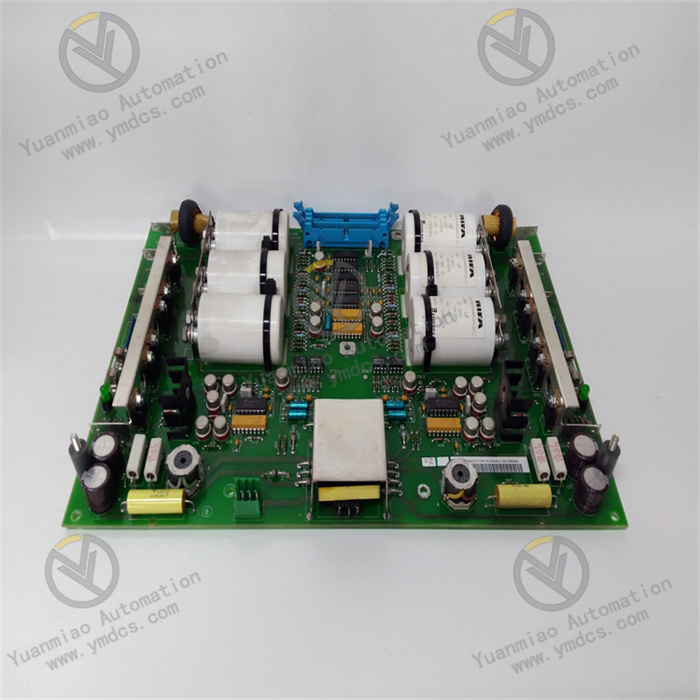
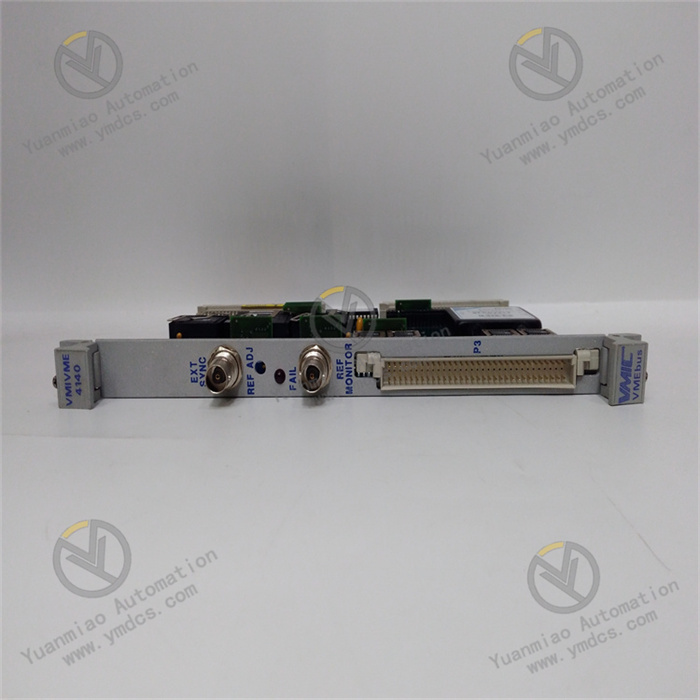
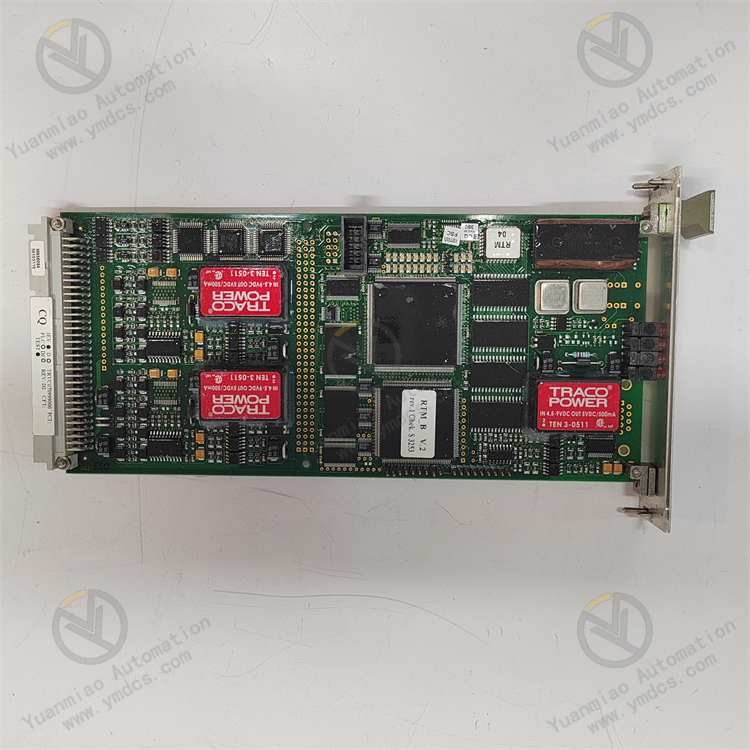
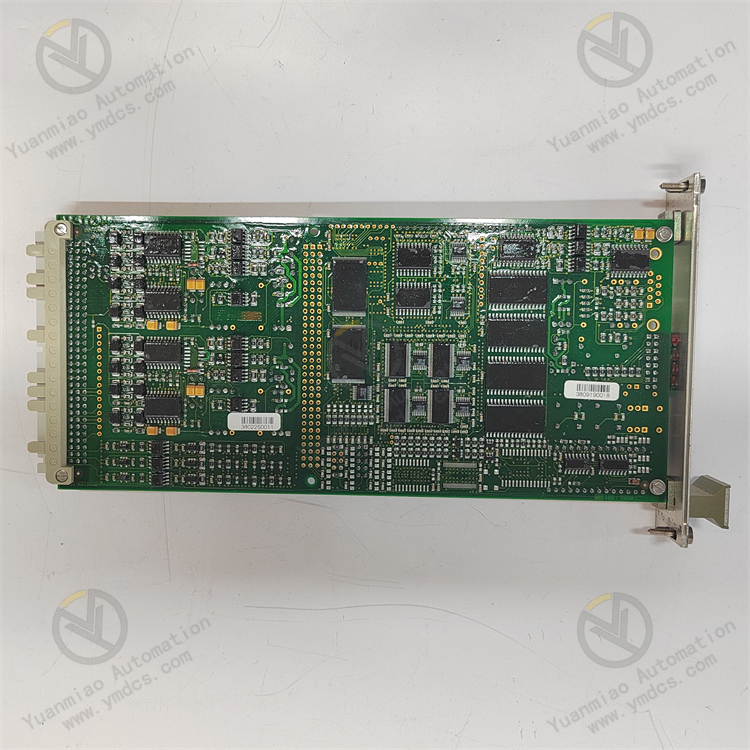
ALSTOM NRD108031 (marked with TRVC070999000 BOTTOM) is an industrial-grade bottom interface backplane developed by ALSTOM. Serving as fundamental supporting hardware for ALSTOM complete industrial control systems, power station turbine control systems and rail transit control systems, it acts as the bottom chassis base board (BOTTOM board) that cooperates with upper-layer logic modules, I/O modules and interlock modules. This board integrates all-in-one basic functions including system bus adaptation, multi-channel signal routing, bottom power distribution, redundant communication support and loop switching transmission. It functions as the bottom carrier, signal relay and power hub of the whole automation system hardware architecture, ensuring stable power supply, signal interconnection and bus data exchange for upper functional modules.
2. Technical Features
2.1 Bottom Bus Support Forms the Core Carrier of System Architecture
2.2 Redundant Communication Adaptation Delivers Superior Transmission Stability
2.3 Integrated Power Distribution Provides Stable Regulated Power
2.4 High-Density Integrated Design Fits Compact Cabinets
2.5 Wide-Temperature Compatibility Offers Outstanding Environmental Resistance
2.6 Industrial-Grade Coating Delivers Anti-Interference and Anti-Aging Performance
3. Specification Parameters
3.1 Basic Parameters
- Model: NRD108031 TRVC070999000 BOTTOM
- Product Series: ALSTOM Industrial Control System Bottom Interface Backplane Series
- Manufacturer: ALSTOM
- Device Type: System bottom bus base, power & signal switching backplane module
- Compatible Systems: ALSTOM original power station turbine control systems, power DCS automation systems, rail transit energy control systems, industrial automation bus systems
- Application Scenarios: Bottom hardware support for power plant control cabinets, onboard & ground automation systems for rail transit, DCS cabinet architecture construction for process industries, technical replacement of legacy backplanes
- Core Functions: System bus routing & forwarding, FIP redundant communication support, multi-channel signal switching transmission, bottom power distribution & regulation, adaptation for up to 8 I/O module groups, hardware architecture bearing
- Operating Modes: 24-hour continuous energized operation, real-time bus data transmission, permanent power regulation, adaptive link operation
- Compatibility: Fully compliant with ALSTOM original bus architecture, compatible with same-series upper functional modules; supports non-destructive in-situ replacement of legacy backplanes
3.2 Hardware Bus Performance Parameters
- Bus Architecture: ALSTOM proprietary industrial bus compliant with FIP/WorldFIP redundant communication standard电子工程世...
- Channel Configuration: Dual-master redundant communication channels with automatic link switching
- Loading Capacity: Supports synchronous adaptation and bus scheduling for maximum 8 groups of I/O modules
- Connectors: 6 standardized industrial connectors for multi-module docking
- Transmission Performance: High bus throughput, low latency, lossless stable data transfer
3.3 Power Electrical Parameters
- Rated Input Power: Standard industrial DC 24 V
- Power Output Mode: Distributed regulated power supply with balanced multi-channel output
- Electrical Protection: Multi-layer hardware defense against overvoltage, overcurrent, short circuit, surge and electrostatic discharge
- Filter Performance: Onboard power filter suppresses power ripple and transient voltage disturbance
- Insulation: Galvanic isolation between power, signal and bus circuits to eliminate leakage and crosstalk
3.4 Environmental Parameters
- Operating Temperature: -20℃ ~ +70℃ wide industrial range accommodating heat buildup inside sealed cabinets
- Storage Temperature: -25℃ ~ +75℃ for long-distance transit and offline storage
- Operating Humidity: 5%–95% RH (non-condensing); resistant to condensation-caused short circuits
- EMC Compliance: High-level industrial EMC certified against harmonics, RF radiation and power pulse disturbance
- Mechanical Performance: Tolerates standard industrial vibration and shock; seismic, dust-proof, anti-aging and deformation-resistant
3.5 Structural and Installation Parameters
- Construction: Compact high-density multi-layer industrial PCB with neat layout and uniform heat dissipation
- Overall Form Factor: Standard compact industrial backplane dimensions matching original cabinet base
- Weight: Lightweight industrial design for permanent cabinet mounting
- Mounting: Embedded fixed installation at cabinet bottom with OEM card slot positioning for easy secure assembly
- Structural Features: Enclosed dustproof & moisture-proof construction suited to dense cabinet installation
4. Working Principle
Three core functions are fulfilled during runtime:
- Power distribution, regulation and filtering. The incoming industrial DC 24 V power is filtered, regulated and branched to supply clean stable operating voltage to upper I/O, logic and interlock modules, eliminating module malfunctions induced by power fluctuation.
- Bus signal routing and data forwarding. Based on the proprietary industrial bus architecture, data exchange, command transmission and signal scheduling among all mounted modules are completed to realize coordinated communication and data synchronization across the whole hardware system.
- Redundant communication guarantee. The dual-master redundant architecture monitors communication link health continuously; seamless automatic switching occurs upon single-channel failure to ensure zero communication outage and no data loss.
The module monitors its own power status, bus quality, channel performance and loop load in real time throughout operation. Overcurrent, short circuit, communication faults and overload trigger immediate hardware protection with automatic faulty loop isolation and error log retention to prevent fault propagation across the system. Hardware status is consistently reported to upper control systems for full visibility of bottom cabinet conditions. Supported by robust environmental adaptability and fault tolerance, the board enables reliable 24/7 operation of the entire industrial control system as the fundamental bottom safeguard for safe, stable and orderly automation performance.
5. Application Scenarios
5.1 Turbine & Auxiliary Automation Systems for Power Plants
5.2 Rail Transit Energy Automation Systems
5.3 Automation Control Systems for Process Industries