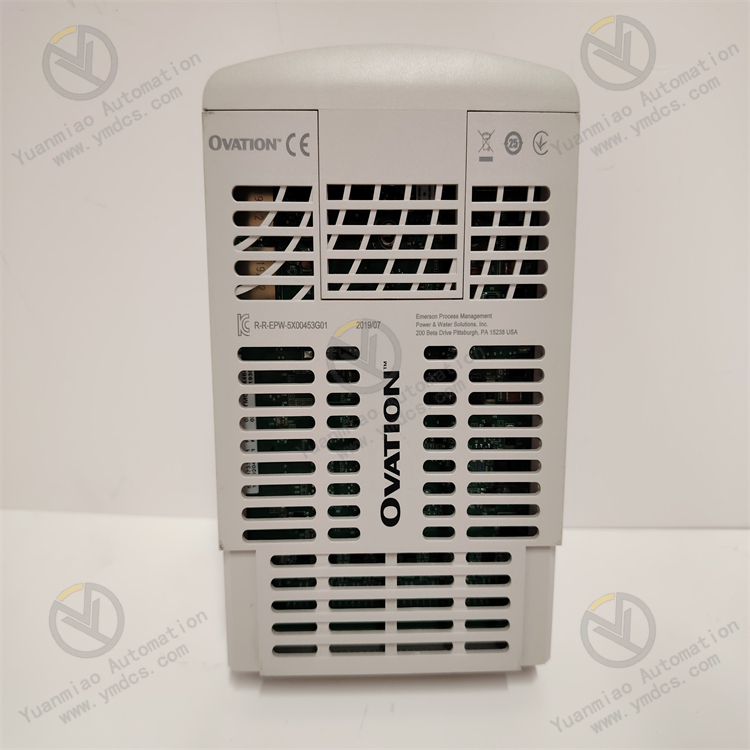
Description
1. Overview
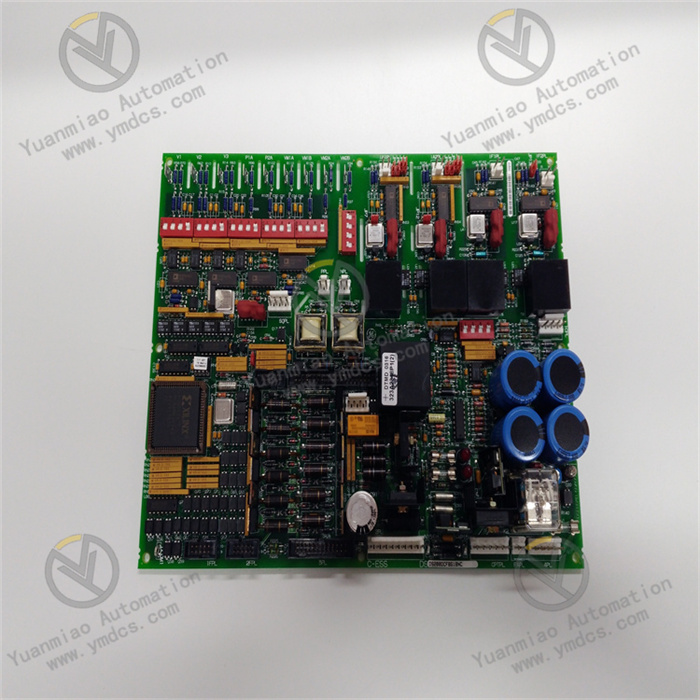
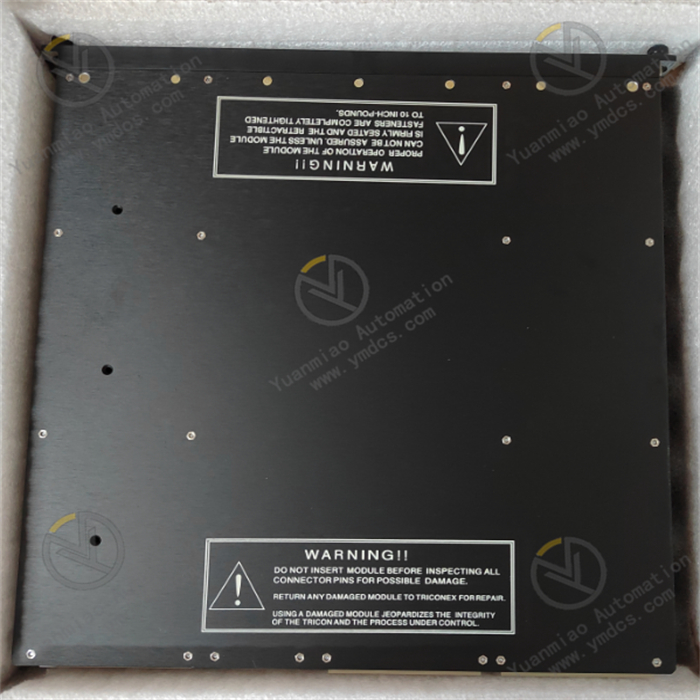
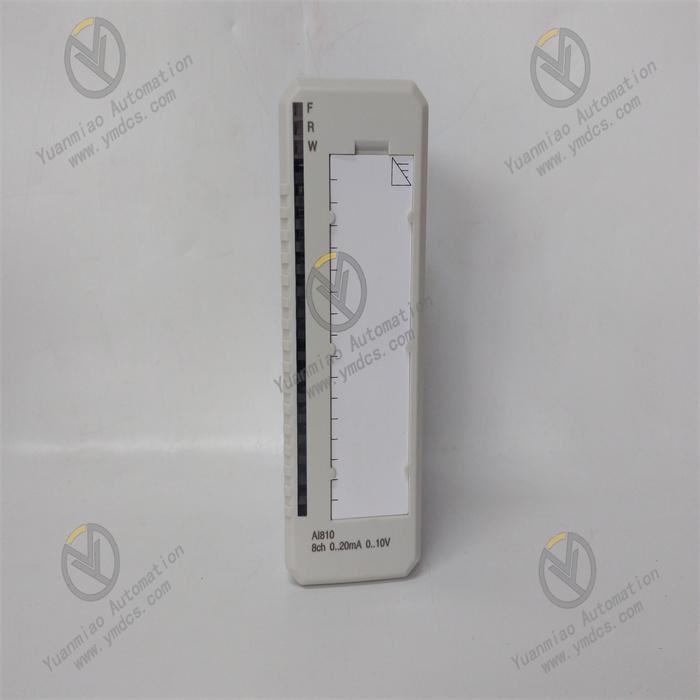
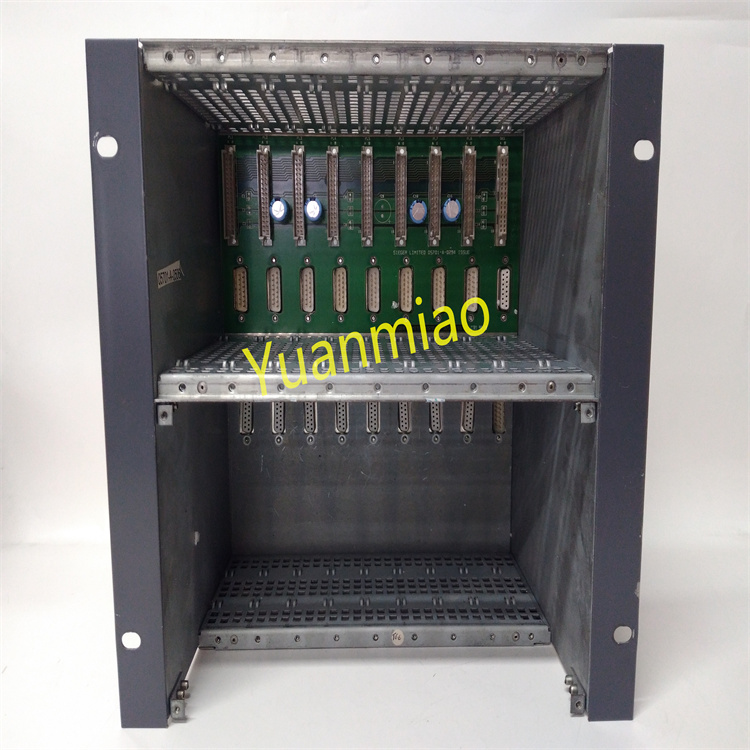
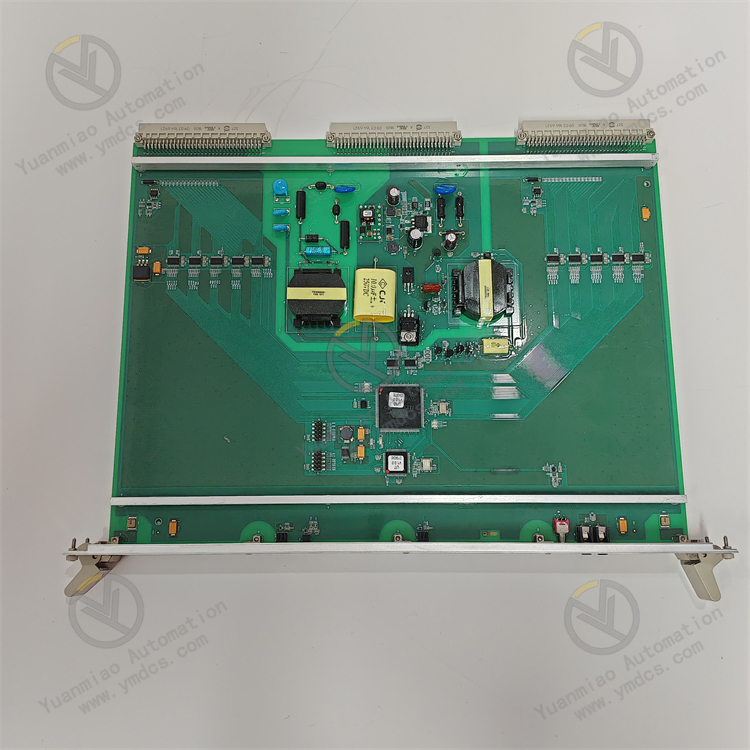
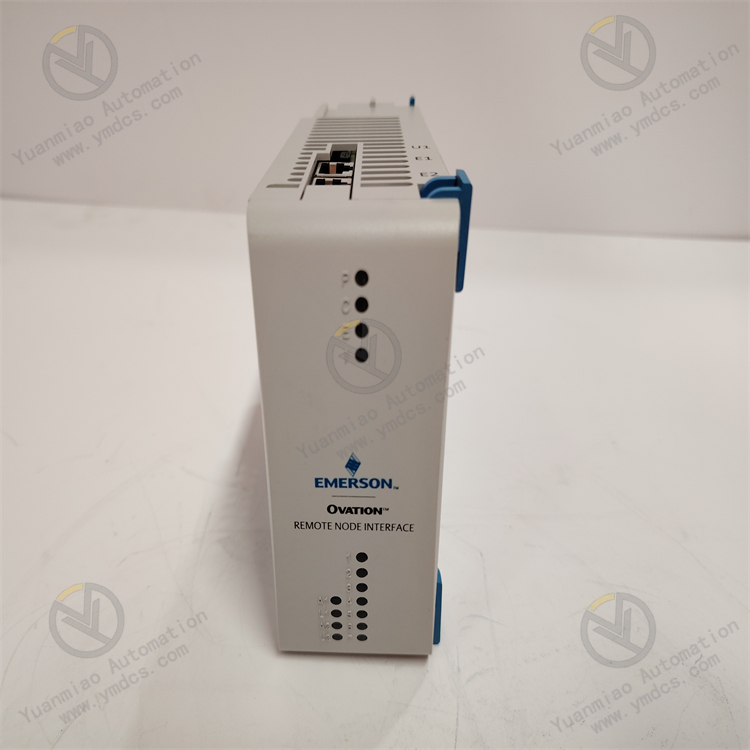
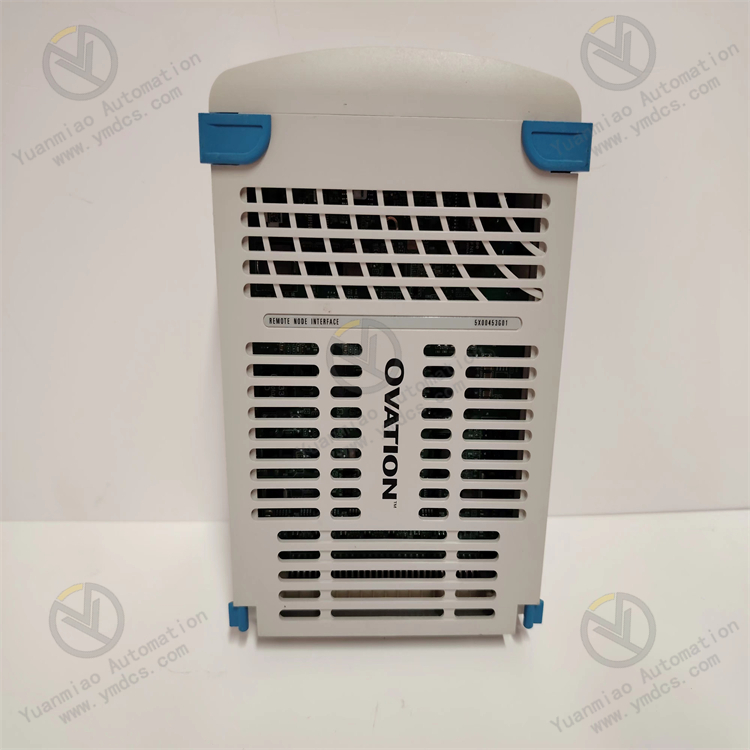
The Emerson 5X00453G01 is a dedicated Remote Node Interface (RNI) module for Ovation DCS systems, serving as the core communication unit for distributed I/O networking. Designed for large-scale thermal power, hydropower, petrochemical and new energy industries, it realizes link docking, signal forwarding, protocol adaptation and bus synchronization between remote I/O racks and local controllers. It effectively expands DCS I/O deployment range and solves networking difficulties caused by scattered field equipment and long wiring distances, forming the core hardware foundation of Ovation distributed remote I/O architecture.
2. Technical Features
2.1 Dual-Interface Communication Architecture & Flexible Networking
2.2 Long-Distance Stable Transmission for Distributed I/O
2.3 Multi-Protocol Compatibility & Seamless System Docking
2.4 Full-Dimensional Link Self-Diagnosis & Accurate Fault Location
2.5 Hot-Swap & Online Configuration for Non-Stop Maintenance
2.6 Industrial Anti-Interference Design for Harsh Long-Term Operation
2.7 Standardized Adaptation for New & Legacy System Upgrading
3. Detailed Specifications
3.1 Basic Hardware Parameters
- Model: 5X00453G01
- Manufacturer: EMERSON (Former Westinghouse)
- Series: Ovation DCS Distributed I/O Communication Module
- Device Type: Remote Node Interface Module (RNI)
- Interface Configuration: 1×10/100Mbps Adaptive Ethernet Port, 1×Standard RS-485 Industrial Serial Port
- Mounting Method: Standard Ovation IOC Chassis Backplane Plug-In Installation
- Core Functions: Remote I/O Rack Bus Docking, Distributed Data Transceiving, Multi-Protocol Communication Parsing, Link Diagnosis, Long-Distance Signal Transmission, Online Configuration, Hot-Swap Maintenance
- Applicable Systems: Full-Series Ovation DCS, Distributed Remote I/O Architecture, Third-Party Industrial Auxiliary Control Systems
3.2 Communication Performance Parameters
- Ethernet Specification: 10/100Mbps Adaptive, Full/Half-Duplex Auto-Negotiation, Ultra-Low Forwarding Delay
- Serial Port Specification: Standard RS-485 Differential Communication, Configurable Half/Full-Duplex Mode
- Communication Protocol: Ovation Dedicated Bus Protocol, Modbus Industrial Protocol
- Transmission Characteristics: No Significant Attenuation for Long-Distance Transmission, Ultra-Low Packet Loss, High Bus Synchronization Accuracy
- Bus Capability: Support Parallel Networking of Multiple Remote I/O Nodes, High-Capacity Measuring Point Concurrent Data Interaction
- Link Fault Tolerance: Single-Link/Single-Node Fault Isolation, No Impact on Overall System Communication
3.3 Electrical Parameters
- Power Supply: Standard Ovation Backplane 24VDC Stabilized Power Supply
- Power Consumption: Low-Power Steady Operation, No Abnormal Heating Under Full Load
- Built-In Protection: Over-Voltage Surge, Reverse Polarity, Port Overload, Static & Bus Short-Circuit Protection
- Electrical Isolation: Independent Communication Port Isolation, Resist External High-Voltage Intrusion and Common-Mode Interference
- Power Fault Tolerance: Stable Communication Under Slight Voltage Fluctuation and Unstable Power Conditions
3.4 Environmental & Mechanical Parameters
- Operating Temperature: -40℃~+70℃ for Long-Term Cabinet Continuous Operation
- Storage & Transit Temperature: -40℃~+85℃ for Transportation & Long-Term Storage
- Operating Humidity: 5%~95% RH (Non-Condensing), Moisture & Corrosion Resistant
- Vibration Resistance: Industrial-Grade Seismic Design, Adapt to Long-Term Cabinet Vibration
- Protection Grade: Enclosed Modular Structure, Dustproof & Moisture-Proof for Harsh Industrial Environments
- EMC Performance: Full-Dimensional Industrial EMC Compliance, Anti-RF, Anti-Harmonic, Anti-Static & Anti-Surge
3.5 Diagnosis & Maintenance Parameters
- Self-Diagnosis: Power-On Self-Test, Ethernet/Serial Link Monitoring, Data Transceiving Fault Diagnosis, Bus Desynchronization Alarm, Hardware Fault Detection
- Fault Tolerance: Independent Locking and Isolation of Single-Link and Single-Node Faults, No Impact on System Networking
- Maintenance Features: Hot-Swap Supported, Online Parameter Configuration, Communication Rate Debugging, Non-Stop Capacity Expansion
- Data Logging: Storage of Communication Faults, Link Switching, Configuration Changes and Abnormal Event Logs for Fault Tracing and Analysis
4. Operating Principle
After power-on, the Emerson 5X00453G01 completes hardware initialization, backplane bus handshake, dual-port self-test and protocol loading, and enters remote node communication mode after passing inspection. As the core transfer hub between local DCS controllers and remote I/O racks, it establishes dual communication channels via Ethernet and RS-485. It receives logic commands, configuration parameters and control instructions from local controllers, performs protocol parsing and data encapsulation, and forwards valid commands to each remote I/O rack to drive remote I/O modules to complete signal acquisition and logic output.
Meanwhile, the module real-timely collects measuring point data, equipment status, channel conditions and fault information from remote I/O racks. After verification, filtering and synchronization processing, the data is transmitted back to local DCS controllers and upper monitoring systems, realizing real-time data synchronization and consistent logic linkage between local and remote measuring points. During full-time operation, it continuously monitors dual-link communication quality, bus synchronization status and data integrity. Once link disconnection, packet loss, protocol abnormality or bus desynchronization is detected, it immediately triggers link protection and fault alarming to isolate abnormal nodes and ensure stable operation of the overall distributed I/O architecture.