Description
1. Overview
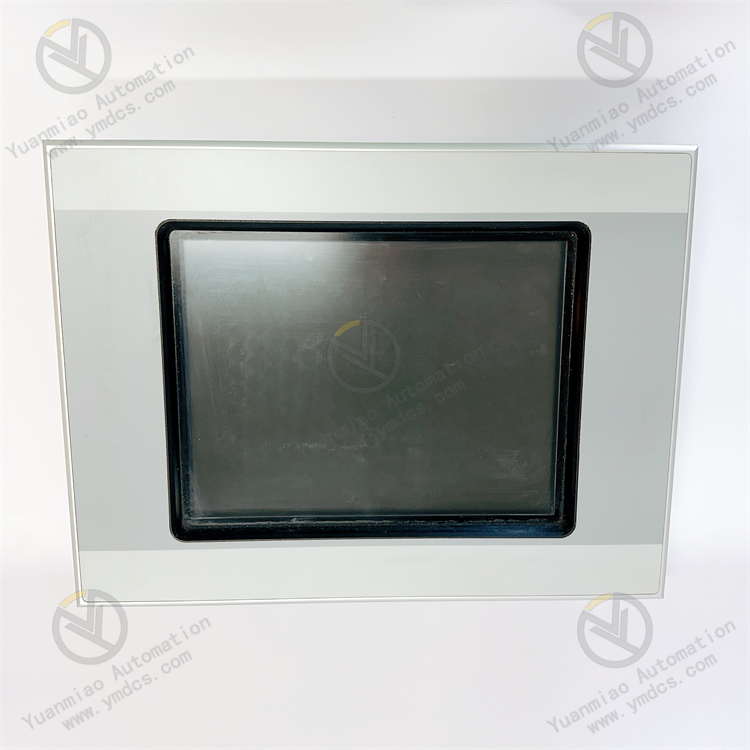
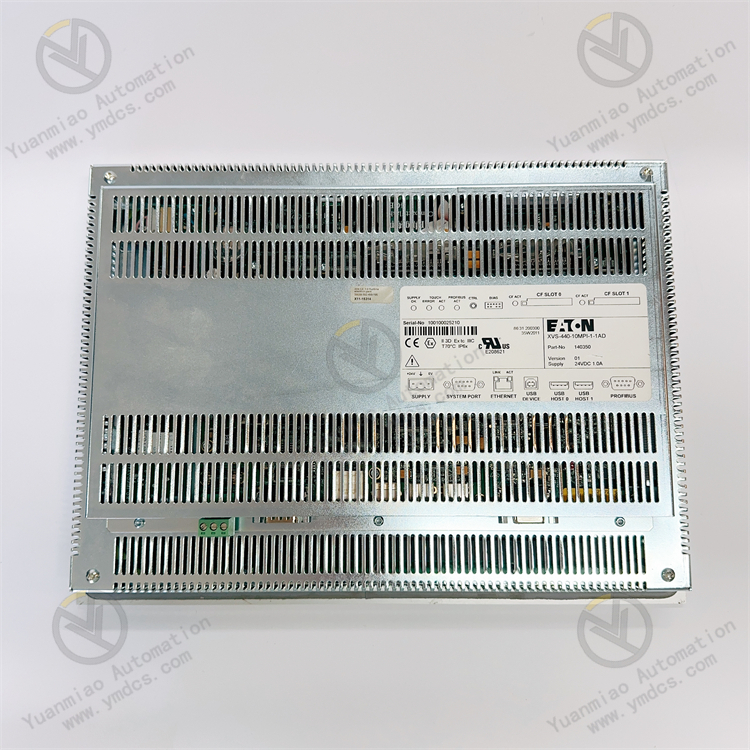
The EATON XVS-440-10MPI-1-10 is a high-performance industrial HMI (Human Machine Interface) touch screen of the XVS400 series. Designed for industrial automation production lines and complete control equipment, it integrates display operation, data monitoring, bus communication, parameter configuration and fault alarm functions.
2. Technical Features
2.1 10.4-inch High-Definition Industrial Touch Display
2.2 Multi-Protocol Bus Compatibility & Strong Networking
2.3 High-Speed Embedded Computing & Stable Operation
2.4 Industrial-Grade Protection & Rugged Structure
2.5 Complete Data Management & Alarm Function
2.6 Wide Temperature & Strong Anti-Interference Ability
2.7 Convenient Configuration & Strong Expandability
3. Detailed Specifications
3.1 Basic Hardware Parameters
- Model: XVS-440-10MPI-1-10
- Manufacturer: EATON
- Series: XVS400 Industrial HMI
- Type: Embedded Industrial Touch Screen Human Machine Interface
- Display Size: 10.4-inch Industrial TFT Color LCD
- Touch Type: Industrial Resistive Touch Screen
- Core Configuration: Industrial High-Speed CPU, Large-Capacity DRAM & NAND Flash
- Core Functions: Visual Process Display, Touch Operation, Data Monitoring, MPI Communication, Fault Alarm & Traceability
- Compatible Devices: Siemens PLC, Industrial Controllers, Automatic Complete Equipment
- Application Fields: Intelligent Production Line, Machine Tool Control, Energy Equipment, Legacy System Visual Upgrading
3.2 Display & Touch Parameters
- Display Size: 10.4-inch Industrial High-Definition Color Screen
- Resolution: 800×600 Pixels
- Display Type: TFT LCD Active Matrix Color Display
- Touch Mode: Precision Resistive Touch, Anti-Drift & Anti-Misoperation
- Backlight: Long-Life Industrial LED Backlight, Uniform Brightness
- Display Functions: Dynamic Screen, Real-Time Data, Trend Curve, Alarm Pop-Up
3.3 Communication & Interface Parameters
- Field Bus: MPI Bus Interface, Native Siemens MPI Protocol Support
- Ethernet: Industrial High-Speed Ethernet for Network Transmission & Remote Networking
- Serial Port: RS232/RS485 Industrial Serial Communication Interface
- Expansion Interface: Program Download, Data Copy & Debug Expansion
- Communication Feature: Multi-Protocol Parallel Compatibility, Stable Multi-Device Networking
3.4 Electrical & Protection Parameters
- Power Supply: Standard Industrial DC24V Power Supply
- Protection Grade: Front IP65 Dustproof & Waterproof, Body IP20
- EMC Performance: Industrial Electromagnetic Compatibility, Anti-Interference & Anti-Voltage Fluctuation
- Power Consumption: Low Power Design, Low Heat Generation
- Circuit Craft: Industrial Three-Proof Coating, Moisture & Corrosion Resistance
3.5 Mechanical & Installation Parameters
- Structure: Ultra-Thin Embedded Industrial Panel Structure
- Installation Mode: Standard Cabinet Embedded Buckle Installation
- Feature: Vibration-Proof, Loosening-Proof, Compact & Durable
3.6 Environmental Parameters
- Operating Temperature: 0℃ ~ +50℃
- Storage Temperature: -20℃ ~ +60℃
- Operating Humidity: 10%~90%RH (Non-Condensing, Non-Corrosive)
- Environmental Resistance: Dustproof, Water-Splash Proof, EMI Resistant, Aging Resistant
- Working Condition: Industrial Workshop, Automatic Cabinet, Equipment Operation Console
- Execution Standard: EATON Industrial HMI Specification, EMC Safety Standard, IP Certification
4. Operating Principle
The EATON XVS-440-10MPI-1-10 industrial HMI operates based on embedded real-time computing, multi-bus protocol parsing, visualized data interaction and condition monitoring alarm. After power-on self-check and system initialization, it loads configuration pictures and enters real-time monitoring state.
During operation, the HMI synchronously connects with lower PLC and industrial equipment through MPI, Ethernet and serial ports, collecting and analyzing operating parameters, interlock status and fault signals. It displays dynamic data, curves and process status on the screen, and receives touch control instructions to realize parameter modification and equipment start-stop control, completing two-way human-machine interaction.
5. Application Scenarios