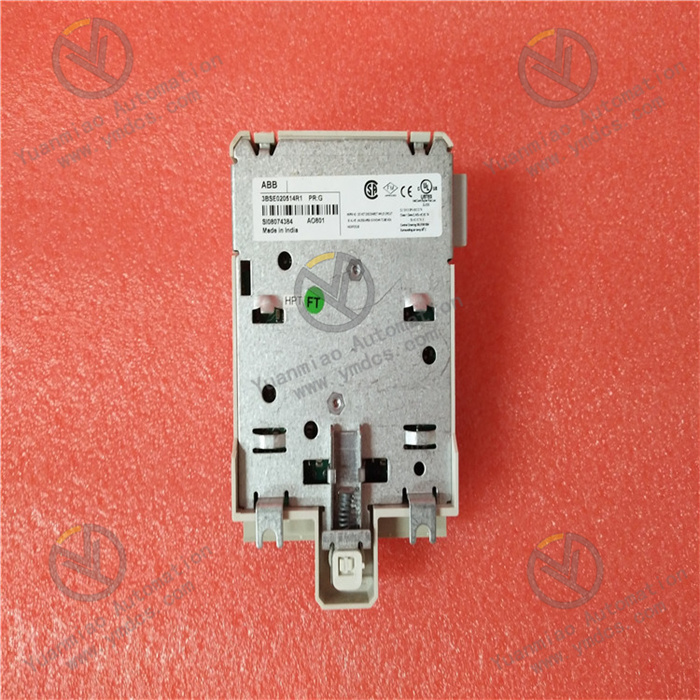
Description
ABB AO650 3BHT300051R1
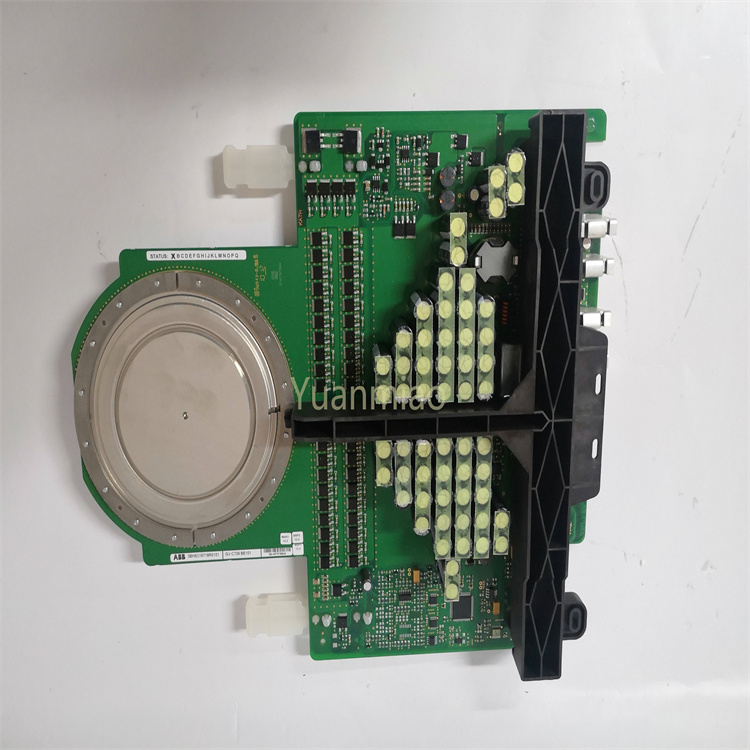
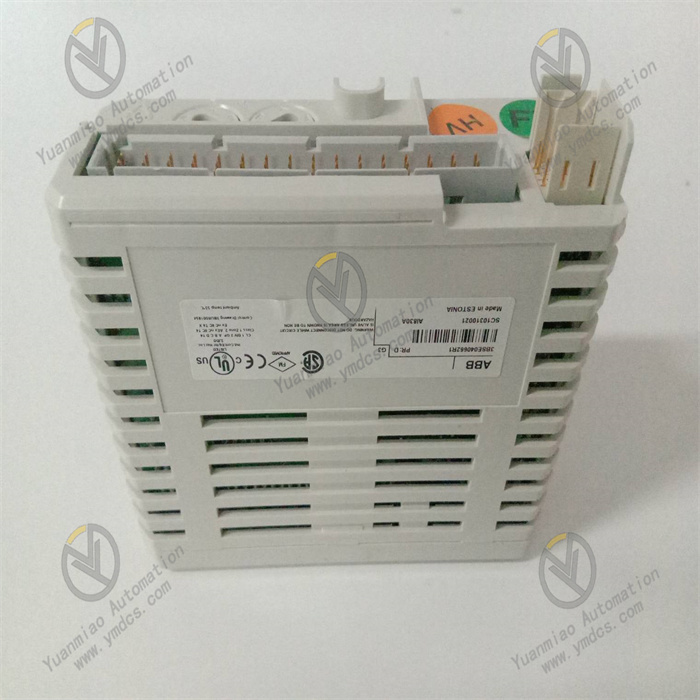
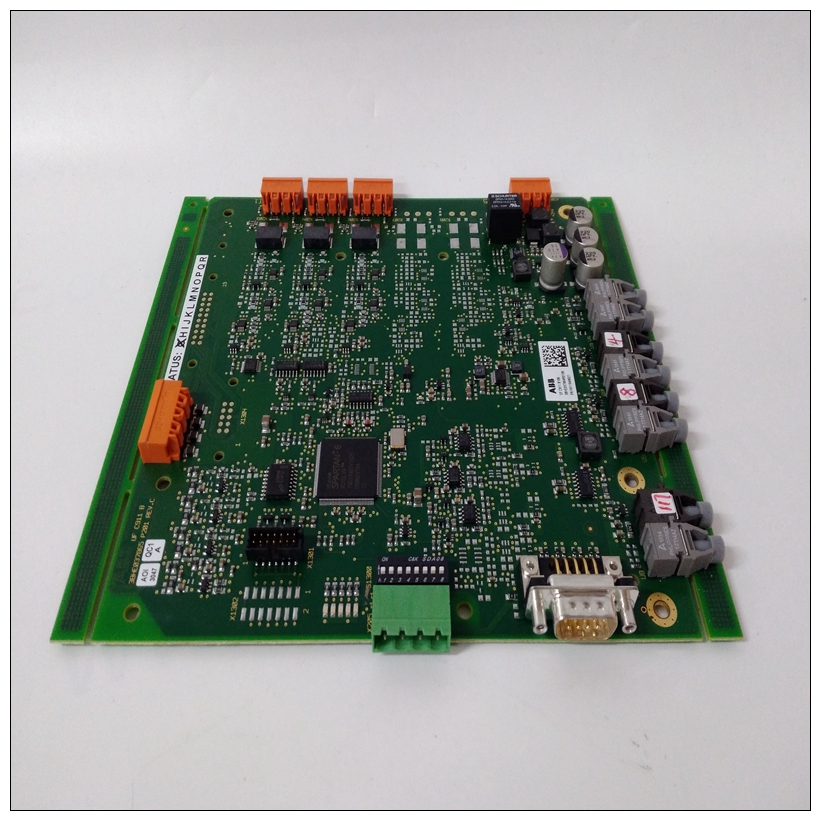
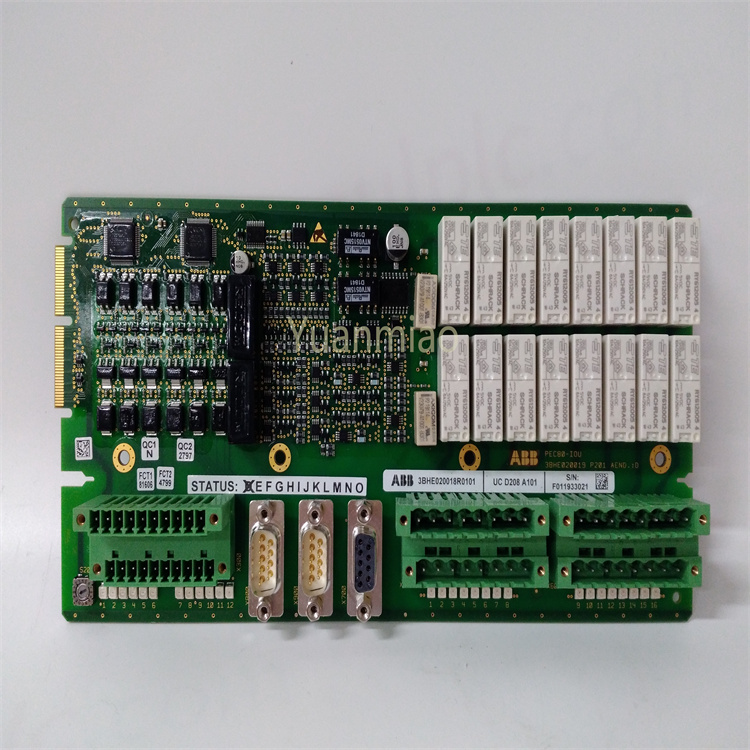
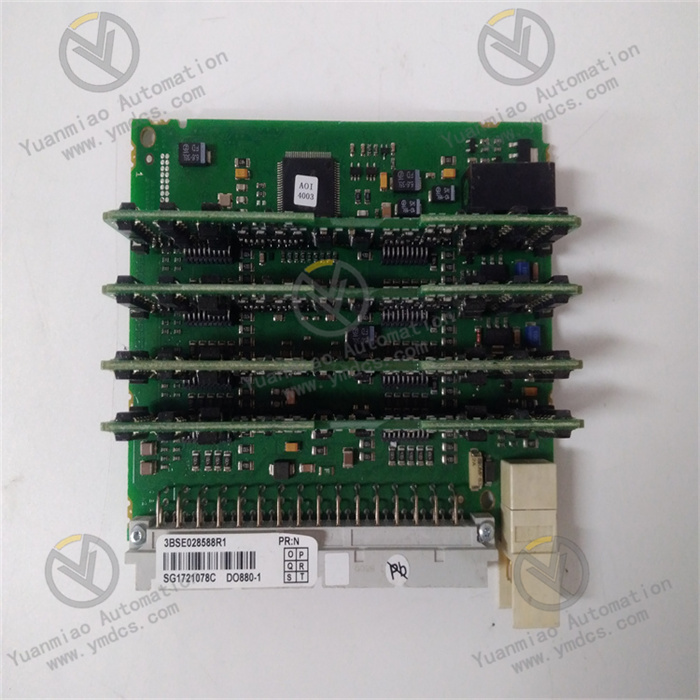
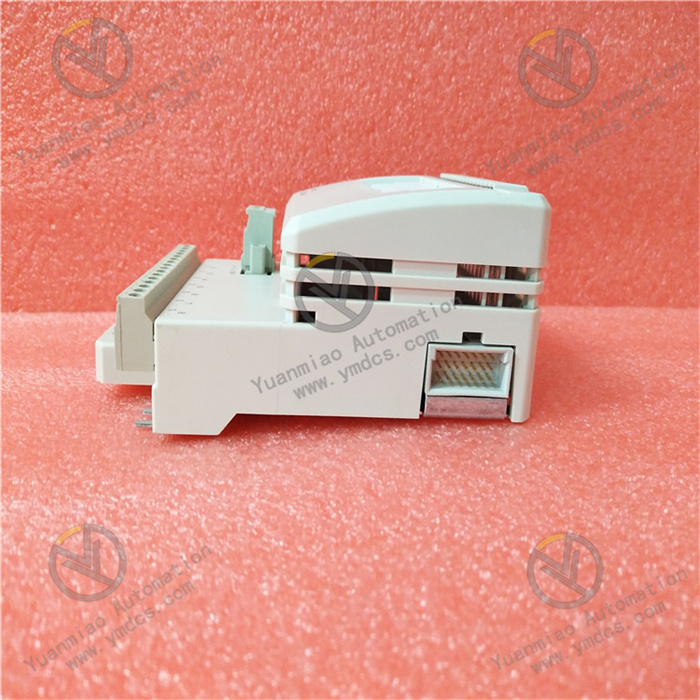
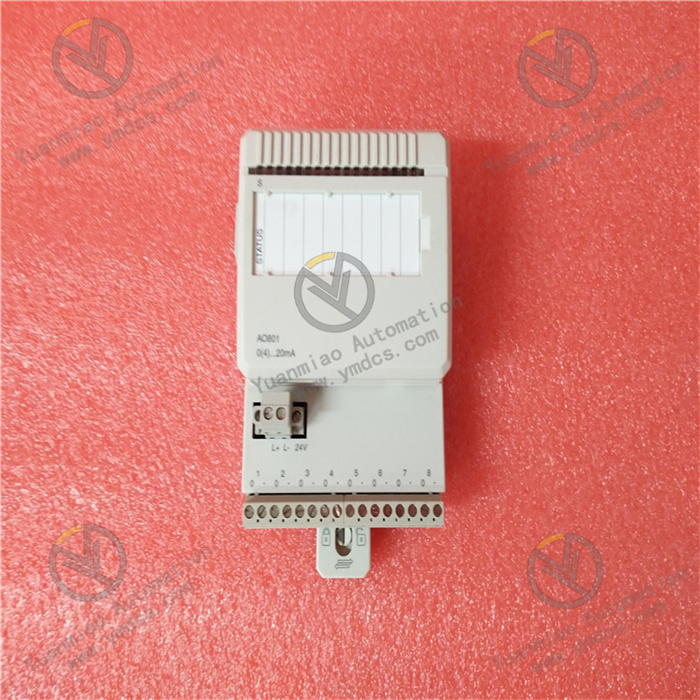
The ABB AO650 3BHT300051R1 is a high-performance 8-channel analog output module belonging to the I/O module family in industrial automation control systems. It is primarily positioned as a precise digital-to-multi-type analog signal conversion and on-site device control unit. This module can stably convert digital commands from the controller into a variety of current or voltage analog signals, featuring independent optical isolation for each channel and strong anti-interference capability. Adopting a compact structural design, it is compatible with various industrial control systems.
I. Product Features
1. Multi-channel Independent Isolation with Excellent Signal Stability
2. Multi-type Signal Output with Wide Adaptation Range
3. High-stability Design with Strong Environmental Adaptability
4. Compact Structural Design with Convenient and Efficient Installation
II. Technical Parameters
1. Basic Parameters
- Model: ABB AO650 3BHT300051R1
- Product Type: 8-channel analog output module (I/O module)
- Brand: ABB
- Place of Origin: Sweden
- Core Functions: Converts digital signals to multi-type analog signals; supports independent channel isolation
- HS Code: 85389091
- Environmental Compliance: Complies with WEEE Category 5 (small equipment) standards; exempt from specific clauses of the 2011/65/EU RoHS Directive
- Net Weight: Approximately 1.485kg
- Dimensions (Length×Height×Width): 252mm×273mm×40mm
- Warranty Period: 12 months (original factory standard warranty)
2. Electrical Parameters
- Output Channels: 8 independent channels
- Channel Isolation: Optical isolation for each channel (OP to - isolated)
- Resolution: 12 bits per channel
- Output Signal Types: Current output (0-20mA, 4-20mA, ±20mA); Voltage output (0-5V, 0-10V, 1-5V, ±10V)
- Signal Accuracy: Complies with the accuracy standard corresponding to industrial-grade 12-bit resolution
- Protection Functions: Equipped with basic overcurrent and overvoltage protection (refer to the general standard of industrial-grade analog output modules)
- Power Supply Specification: Adapted to industrial standard DC power supply (subject to system configuration requirements)
3. Mechanical and Environmental Parameters
- Installation Method: Embedded installation in standard industrial control cabinets
- Operating Temperature: Industrial-grade conventional range (-10~+60℃, refer to the standard of similar products)
- Storage Temperature: -40~+70℃ (refer to the standard of similar products)
- Relative Humidity: 5%~95% (non-condensing)
- Electromagnetic Interference Resistance: Complies with industrial-grade electromagnetic compatibility standards; can operate stably in complex electromagnetic environments
- Vibration Resistance: Complies with IEC 60068-2-6 standard (refer to the general requirements of similar products)
III. Working Principle
The core working logic of the ABB AO650 3BHT300051R1 analog output module follows the sequence of "Power Supply → System Initialization → Signal Reception and Conversion → Analog Output and Status Monitoring → Fault Feedback". The specific workflow is as follows:
IV. Common Fault Troubleshooting
| Fault Phenomenon | Possible Causes | Troubleshooting and Solutions |
|---|---|---|
| No module response, unable to communicate with the controller | Abnormal or interrupted power supply; damaged or poorly connected communication link between the module and the controller; mismatched communication protocol configuration; poor contact at the module installation position | Use a multimeter to measure the power supply voltage and confirm that it meets the module's working requirements. If the power supply is interrupted or abnormal, check the power module and power supply lines. Inspect the connection status of the communication link lines, repair damaged lines and re-fasten the connectors. Verify that the communication protocol configuration parameters (such as baud rate, address code, etc.) between the module and the controller are consistent. Re-plug the module, check whether the installation slot is oxidized or loose, and ensure that the module is installed firmly. |
| Abnormal or no output signal from a certain channel | Open/short circuit or poor contact of the channel output line; incorrect signal type configuration of the channel; fault of the internal channel isolation circuit of the module; load of the on-site equipment exceeding the module's adaptation range | Disconnect the module power supply, check the continuity and connector firmness of the output line corresponding to the faulty channel, and repair open/short circuit or poor contact issues. Verify the output signal type configuration of the channel through the system configuration software, and reconfigure and save it if incorrect. Remove the on-site equipment connected to the channel and connect a standard load for testing. If the signal is still abnormal, there may be a fault in the internal channel of the module. Test the load parameters of the on-site equipment to confirm that it is within the module's adaptation range; if it exceeds the range, replace the equipment with a load suitable for the module. |
| Output signal is interfered with large fluctuations | The module installation location is close to strong interference sources; the output line does not use shielded cables or the shield layer is not grounded; abnormal channel isolation function | Check the module installation location. If it is close to strong interference sources such as frequency converters and high-power motors, adjust the installation location or install a metal shield. Replace the output line with a shielded cable and ensure that the shield layer is reliably grounded at one end (ground resistance ≤ 4Ω). If the above measures are ineffective, the internal channel isolation function of the module may be abnormal; contact ABB authorized after-sales service for maintenance or replacement. |
| The module frequently reports faults and the protection mechanism is activated | Excessive fluctuation of the power supply voltage; simultaneous overload operation of multiple channels; internal circuit fault of the module | Test the stability of the power supply voltage; if the fluctuation is excessive, install a power regulator. Check the load of the on-site equipment connected to each channel, avoid simultaneous overload operation of multiple channels and distribute the load reasonably. If the power supply and load are normal, view the detailed fault information through the system internal event list (Main Menu / Diagnostics / Internal Events). If the problem still cannot be solved, contact ABB authorized after-sales service for maintenance or replacement. |