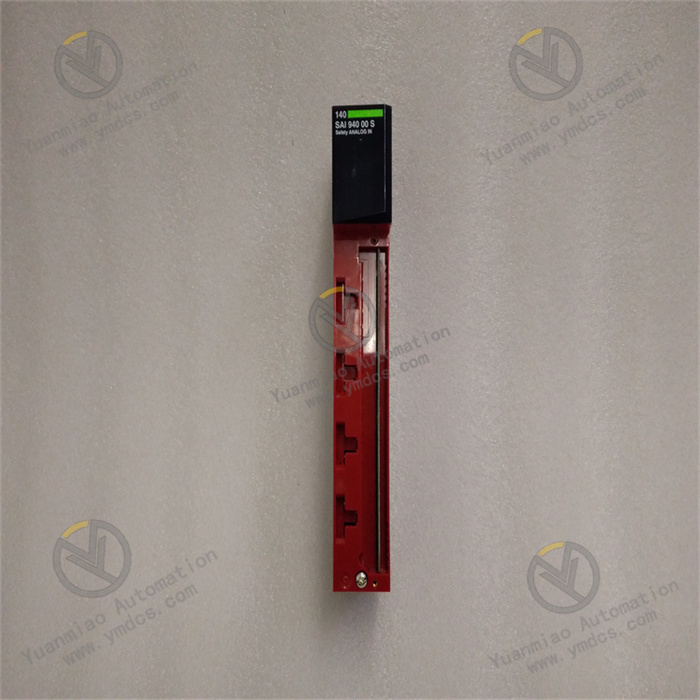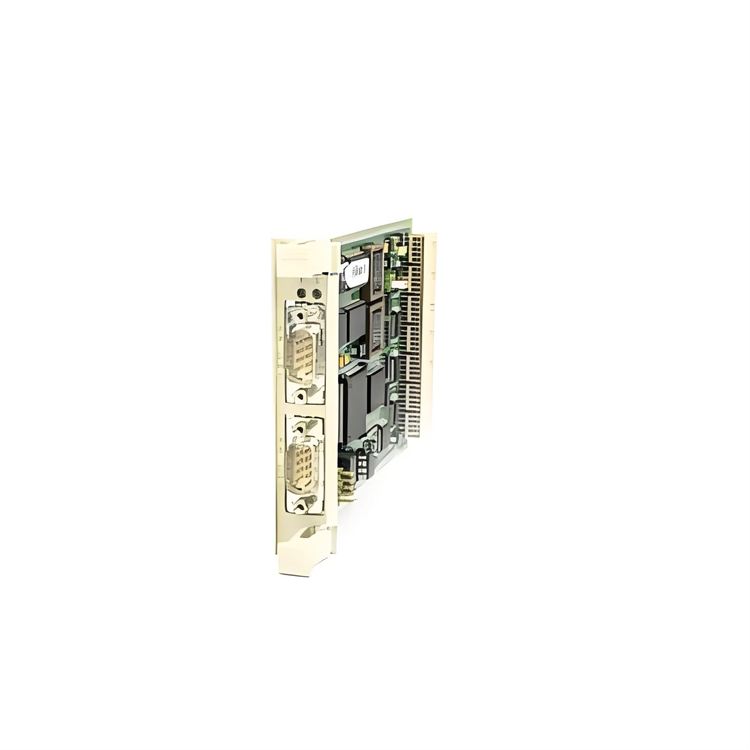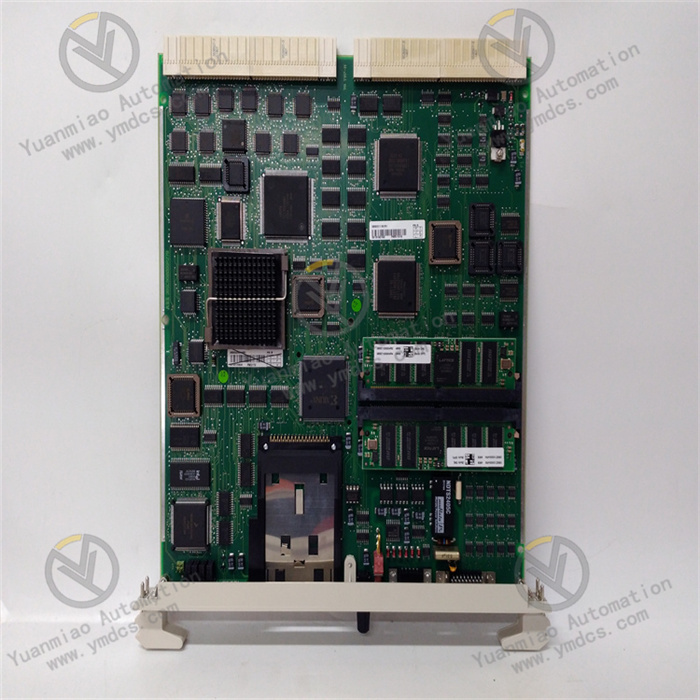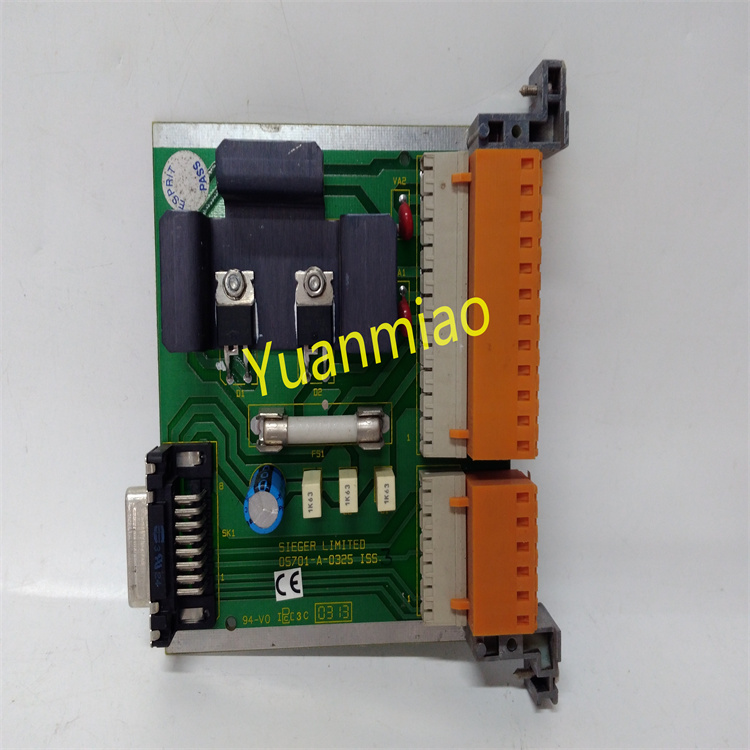
Description
ABB BCU-02 3AUA0000110429L
I. Overview
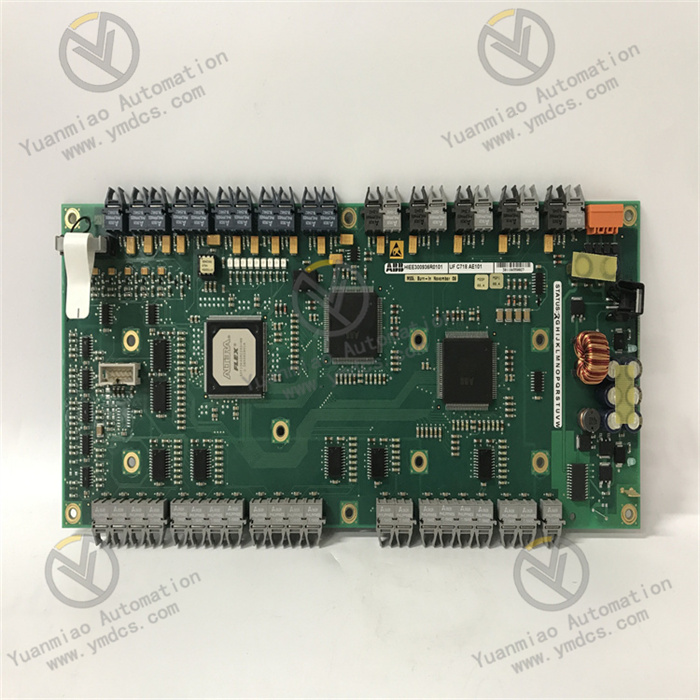
ABB BCU-02 3AUA0000110429 is a dedicated control unit, with its core positioning as the "fiber optic link control core module for ACS880 series variable frequency drives", belonging to the control unit product line of ABB drive systems. Serving as a key control component of ACS880 variable frequency drives, this unit’s core functions are to achieve precise monitoring and logic control of variable frequency drives via fiber optic links. It integrates functions such as digital signal processing, equipment start-stop regulation, operating status monitoring, and fault feedback. Suitable for single-axis and multi-axis drive scenarios, it is widely applied in industries including mining, aluminum manufacturing, cement plants, automobile factories, and transportation. It is a core component that ensures the stable operation of heavy industrial equipment and improves the precision of automated control.
II. Core Features
Exclusive Adaptation to ACS880 Series and Fiber Optic Link Control: Specifically designed for the ACS880 variable frequency drives, an upgraded version of the ACS800 series, it relies on fiber optic links to achieve high-speed communication with the drives. The signal transmission is stable and highly anti-interference, enabling accurate transmission of control commands and operating status data. Suitable for multi-axis coordinated drive scenarios, it is a core component of the ACS880 system control architecture.
High-performance Computing and Precise Control Capabilities: Equipped with a high-performance built-in microprocessor, it has fast logic computing and data processing capabilities, enabling precise operations such as equipment start-stop, speed regulation, and position control. It supports real-time acquisition and processing of digital signals, meeting the stringent requirements of heavy industrial equipment for control response speed and precision.
Flexible Configuration and Multi-industry Adaptability: Supports flexible configuration of multiple digital input and output signals, allowing adjustment of control logic according to the needs of different industry scenarios. It is widely applicable to diverse scenarios including mining, aluminum manufacturing, cement plants, automobile manufacturing, and transportation. It can be used not only for production line automation control but also for special needs such as traffic facility signal control and mining equipment monitoring.
Dedicated Software Configuration and Convenient Operation & Maintenance: Compatible with ABB’s dedicated programming software and configuration tools, users can write control logic, download programs, and debug parameters through the software. It also supports real-time reading of operating data and fault information traceability, facilitating troubleshooting by on-site maintenance personnel and reducing maintenance costs and downtime losses.
- Industrial-grade Reliability and Adaptability to Complex Working Conditions: Adopting high-stability electronic components and sealed protection design, it covers an operating temperature range of -10℃~50℃, with excellent resistance to electromagnetic interference, vibration, and dust. It can achieve 24-hour continuous and stable operation in complex working conditions with high dust and strong interference such as mines and cement plants.
III. Technical Parameters
| Parameter Name | Specification |
|---|---|
| Product Model | ABB BCU-02 3AUA0000110429 |
| Product Type | Dedicated control unit for variable frequency drives, compatible with ACS880 series, fiber optic link control |
| Product Attribute | Original production in Switzerland, high-performance microprocessor architecture, industrial-grade protection, digital main control unit |
| Power Supply Parameters | Operating Voltage: External 24VDC, powered by variable frequency drive or external dedicated power supply |
| Communication Method | Core Communication: Fiber optic link communication; Auxiliary Communication: Seamless connection with drive via dedicated interface |
| Control Functions | Supports equipment start-stop, speed regulation, position control, fault feedback, digital signal processing |
| Environmental Adaptability | Operating Temperature: -10℃~50℃; Protection Level: Adaptable to drive cabinet protection (IP20 and above); Excellent anti-interference and anti-vibration capabilities |
| Compatibility and Adaptation | Exclusively compatible with ABB ACS880 series variable frequency drives; Supports configuration via ABB dedicated programming software |
| Application Industries | Mining, aluminum manufacturing, cement plants, automobile factories, transportation, manufacturing, energy industry, etc. |
IV. Working Principle and Application Logic
The ABB BCU-02 3AUA0000110429 control unit achieves precise control of heavy industrial equipment relying on ACS880 variable frequency drives based on the closed-loop working logic of "signal acquisition - logic computing - fiber optic transmission - control execution". Its core working process is as follows:
The unit accesses external control signals (such as equipment start-stop commands, speed regulation signals, safety interlock signals, etc.) through its built-in digital input interface. Meanwhile, it receives real-time operating status data fed back by the ACS880 variable frequency drive via a dedicated interface, establishing a bidirectional data interaction link.
Relying on the built-in high-performance microprocessor, it performs fast logic computing on the collected external control signals. Combined with preset control parameters (such as speed thresholds, start-stop sequences, safety interlock rules, etc.), it generates precise control commands. At the same time, it parses the operating data fed back by the drive to determine whether the equipment operating status is normal.
The generated control commands are stably transmitted to the ACS880 variable frequency drive via fiber optic links, driving the actuator to complete operations such as equipment start-stop, speed regulation, and position control. Meanwhile, the equipment operating status data is transmitted back to the control unit in real time via fiber optic links, achieving synchronous interaction between control commands and operating status.