I. Basic Information
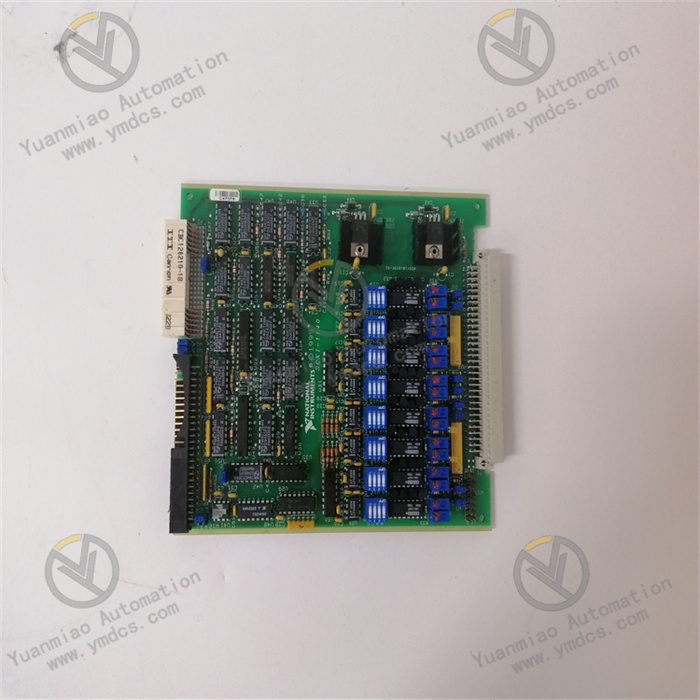
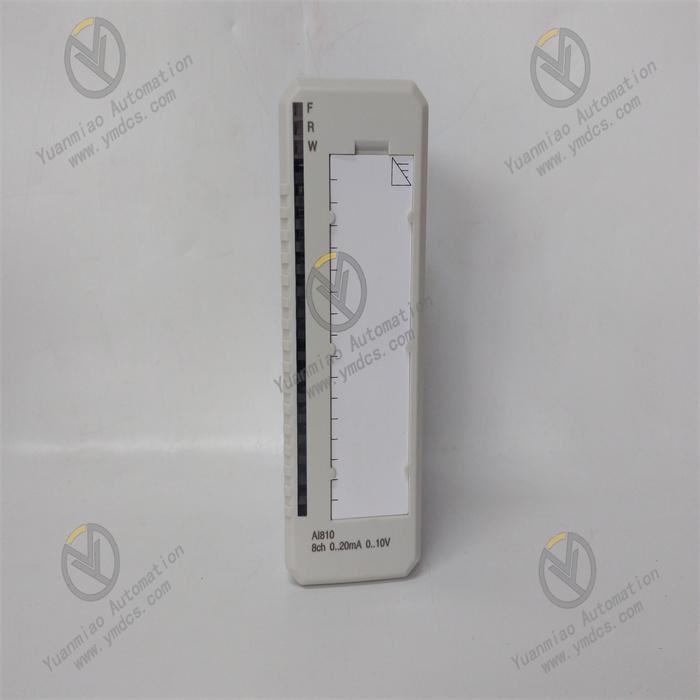
Model:151X1235BC01SA01
Brand:GE General Electric (USA, core supporting component of GE Mark VIe gas turbine control system)
Product Positioning
The GE 151X1235BC01SA01 is a 10-port industrial Ethernet switch module dedicated to the Mark VIe control system, serving as the core communication hub for gas turbines, steam turbines and combined cycle generator units. Differing from commercial switches, it is customized for high-reliability, low-latency and anti-interference power industrial control scenarios. It undertakes real-time data interaction between system controllers, I/O modules, upper monitoring and HMI, and guarantees stable communication, data synchronization and interlock reliability of gas turbine control systems, widely used in thermal power, cogeneration and industrial turbine power generation scenarios.
Hardware Architecture
Equipped with an industrial dedicated communication main control chip and QNX Neutrino real-time embedded operating system, it supports microsecond-level data forwarding with low latency and zero packet loss. Adopting standard backplane plug-in modular design, it integrates 10 independent Ethernet ports and USB debugging interface. It supports industrial Ethernet APL technology with PAM3 modulation and 4B3T coding for long-distance stable transmission. The fully isolated hardware circuit is built with electromagnetic shielding, surge suppression and electrostatic protection units to resist strong electromagnetic interference and transient impact in power stations. It integrates automatic fault self-inspection, link monitoring and redundant switching logic for efficient fault identification and tolerance.
Mounting Specification
Adopting standard backplane plug-in installation for GE Mark VIe cabinets, it features firm fixation, convenient disassembly and maintenance-free online replacement. The compact structure adapts to high-density cabinet layout without extra space occupation. Reinforced against vibration, impact and temperature variation, it supports 7×24-hour uninterrupted operation and adapts to long-term heavy-load operation of power generation units under fluctuating temperature, dust and vibration conditions in power plant workshops.
Compatible Systems
Exclusively compatible with the full hardware system of GE Mark VIe gas turbine and steam turbine control systems, seamlessly connecting main control units, I/O modules, upper monitoring systems and HMI terminals. It supports mainstream industrial protocols such as Ethernet/IP and Modbus TCP, as well as dedicated IONet industrial Ethernet bus, realizing high-speed data synchronization, interlock signal interaction and remote parameter reading and writing for integrated automation control of power stations.
Product Characteristics
Industrial real-time communication architecture ensures ultra-low latency and zero packet loss for accurate data synchronization of unit control signals. 10-port multi-channel parallel networking meets multi-device linkage and multi-point data interaction requirements. Advanced APL Ethernet technology provides long-distance and high-stability transmission with excellent anti-interference performance. Real-time operating system guarantees stable system operation without jitter or drift. Full hardware protection resists surge, static electricity and electromagnetic radiation for harsh power plant conditions. Built-in link redundancy and fault self-inspection realize intelligent fault tolerance and stable networking operation.
II. Technical Specifications
1. Core Electrical Parameters
Working Power Supply: 24~28VDC industrial DC power supply, compatible with power plant industrial control power system, with wide voltage adaptability and strong resistance to voltage fluctuation and transient disturbance. Rated Power Consumption: 10W low-power design with low temperature rise and no heat accumulation during long-term continuous operation, ensuring stable power output and no device aging failure. Electrical Protection: Full-port electrical isolation, surge suppression and electrostatic protection effectively avoid circuit crosstalk, high-voltage induction and electrostatic breakdown, meeting the highest electrical safety standards for power industrial control.
2. Communication & Transmission Parameters
Port Configuration: 10 independent industrial Ethernet ports support multi-device parallel networking and synchronous data transmission, adapting to complex communication requirements of multi-module linkage of large gas turbine control systems. Transmission Technology: Adopting industrial Ethernet APL physical layer technology with PAM3 modulation, 7.5MBd symbol rate and 4B3T coding, it supports full-duplex point-to-point DC balanced communication with a maximum transmission distance of 1000m without signal attenuation and data distortion. Communication Protocols: Compatible with Ethernet/IP, Modbus TCP and dedicated IONet industrial bus, supporting real-time data acquisition, interlock signal transmission, remote parameter configuration and equipment condition monitoring. System Architecture: Based on QNX Neutrino real-time multi-task OS, it ensures constant low forwarding latency and eliminates data delay, jitter and packet loss of ordinary network devices.
3. Physical & Structural Parameters
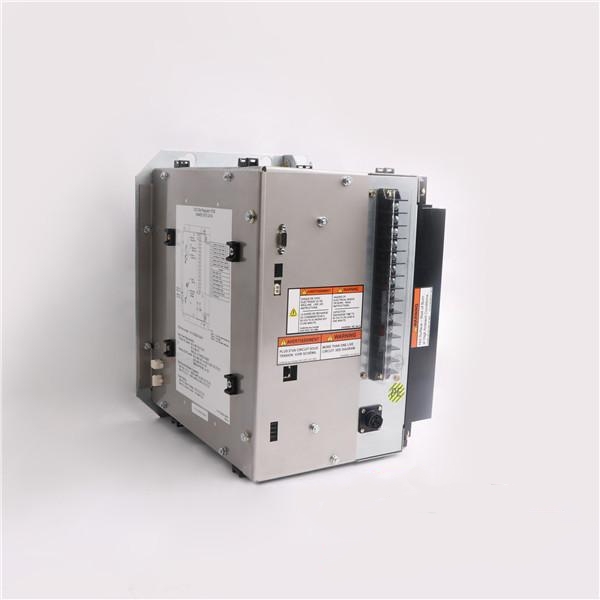
Dimensions: 380mm×230mm×107mm, standard industrial module size matching Mark VIe cabinet slot layout. Weight: Approximately 3kg, lightweight reinforced structure with excellent vibration and impact resistance, ensuring no looseness or structural fatigue during long-term cabinet operation. Installation Mode: Standard backplane plug-in installation with precise positioning and reliable contact, supporting rapid disassembly and online maintenance to reduce equipment downtime and maintenance costs.
4. Environmental Operating Parameters
Operating Temperature:-20℃~+60℃, maintaining stable communication accuracy, transmission rate and system performance in the full temperature range, adapting to cabinet heat accumulation and workshop temperature fluctuation in gas turbine plants.
Storage Temperature:-40℃~+70℃, no chip aging, parameter drift, circuit oxidation or board deformation during long-term storage.
Operating Humidity:5%~95% RH, non-condensing, resisting humid, dusty and slightly corrosive power plant environments without board dampness, insulation degradation and interface oxidation failure.
Condition Adaptation: Passed high-standard industrial EMC, vibration, impact and surge resistance tests, adapting to long-term strong electromagnetic interference, equipment high-frequency vibration and grid harmonic disturbance in thermal power and cogeneration power plants.
III. Key Features
1. Industrial Real-Time Communication Ensures Unit Stability
Equipped with QNX real-time OS and dedicated industrial communication chip, it realizes constant low-latency data forwarding without jitter, packet loss or data disorder. Optimized transmission logic for key control signals such as gas turbine speed regulation, pressure regulation and interlock protection ensures millisecond-level data synchronization between controllers, I/O modules and upper systems, avoiding unit regulation deviation, interlock misoperation and operation oscillation caused by communication delay, and guaranteeing stable operation of gas and steam turbine units.
2. 10-Port Multi-Channel Networking Adapts to Complex Industrial Control Architecture
10 independent Ethernet ports support parallel networking of multiple controllers, I/O stations and upper devices, meeting the complex communication requirements of multi-axis linkage, multi-point data acquisition and multi-system coordinated control in large combined cycle power plants. The independent isolation design of each port ensures that single-link faults do not affect the normal operation of other ports, providing high system fault tolerance and greatly reducing the overall networking failure rate.
3. APL Industrial Ethernet for Long-Distance High-Stability Transmission
Adopting exclusive industrial Ethernet APL physical layer technology, it features superior anti-interference, stability and transmission distance compared with commercial Ethernet. It supports stable kilometer-level long-distance communication, perfectly adapting to the scattered layout and long wiring networking scenarios of large power plants, eliminating signal attenuation, electromagnetic crosstalk and data distortion in long-distance transmission, and ensuring consistent communication quality of full-plant equipment.
4. Full Hardware Protection Adapts to Harsh Power Plant Conditions
The integrated design of fully isolated circuit, electromagnetic shielding, surge suppression and electrostatic protection effectively resists strong electromagnetic radiation, voltage impact, grid surge, dust and moisture erosion in gas turbine workshops. The industrially reinforced board structure is vibration-resistant, temperature-resistant and anti-aging, supporting 7×24-hour uninterrupted heavy-load operation and adapting to long-term continuous production conditions in the power industry with ultra-low failure rate.
5. Multi-Protocol Compatibility with Strong System Expandability
Natively compatible with dedicated IONet industrial bus, Modbus TCP, Ethernet/IP and other mainstream industrial protocols, it can be seamlessly integrated into GE Mark VIe control systems and connected to third-party upper monitoring, data acquisition and remote operation and maintenance systems. It supports equipment status upload, remote parameter reading and writing and fault data recording, adapting to intelligent monitoring and digital transformation requirements of power units with excellent compatibility and scalability.
6. Intelligent Fault Self-Inspection & Fault Tolerance for Convenient O&M
Built-in real-time link status monitoring, hardware self-inspection and communication abnormality alarm logic accurately identifies hidden faults such as port failure, link interruption, data abnormality and module operation error with real-time fault information upload. It supports automatic single-link fault isolation and system fault-tolerant operation, ensuring single-point faults do not cause overall networking paralysis. Online disassembly and maintenance support eliminates unit shutdown requirements, greatly improving operation and maintenance efficiency and unit reliability.
IV. Working Principle
The GE 151X1235BC01SA01 Ethernet switch module operates based on the core principle ofreal-time industrial control communication architecture + APL high-precision data transmission + multi-port parallel networking + intelligent fault tolerance protection, realizing full-equipment data interaction and stable networking operation of Mark VIe control systems.
After power-on, the module initializes communication links and hardware ports via the QNX real-time OS, connects various core equipment of the control system through 10 independent Ethernet ports, and establishes high-speed data transmission channels based on IONet and Modbus TCP protocols. It completes full-duplex point-to-point data transceiving through APL industrial Ethernet physical layer and PAM3 modulation coding, real-timely collects controller operation data, I/O point status and unit operating parameters, and issues control commands, interlock logic and parameter configurations to lower equipment, realizing real-time data synchronization and accurate command interaction of the entire gas turbine control system.
During operation, the module real-timely monitors the link status, data transmission status and hardware parameters of each port, automatically identifies link abnormality, packet loss and port failure, and triggers fault isolation and tolerance mechanisms to prevent fault escalation. Meanwhile, it uploads module operating status and fault information in real time to realize visualized networking monitoring and accurate fault tracing, ensuring stable communication, reliable logic and safe operation of the entire power plant control system.
V. Application Scenarios
1. Gas Turbine Control System: Serving as the core communication hub of GE Mark VIe gas turbine control systems, it realizes data interaction for gas turbine speed regulation, pressure regulation, temperature control and interlock protection systems, ensuring communication reliability during unit start-stop, steady-state operation and fault protection.
2. Steam Turbine & Combined Cycle Power Plant: Applied in thermal power and cogeneration units to complete network communication of multi-axis turbines, auxiliary control systems and upper monitoring systems, realizing coordinated unit control and centralized parameter monitoring.
3. Industrial Turbine Power Generation Equipment: Adapted to self-owned power station turbine units in chemical and metallurgical industries, meeting industrial control networking requirements of high reliability, low latency and strong anti-interference for stable power generation operation of self-owned power stations.
4. Intelligent Transformation of Power Industrial Control: Used for upgrading and digital operation and maintenance transformation of old power plant control systems, building a stable industrial Ethernet network architecture to support remote monitoring, data acquisition, fault tracing and remote parameter debugging.
5. High-Reliability Industrial Control Networking: Suitable for industrial control scenarios requiring high real-time performance and high reliability, providing multi-channel redundant and fault-tolerant core communication networking services for large complete industrial control equipment.