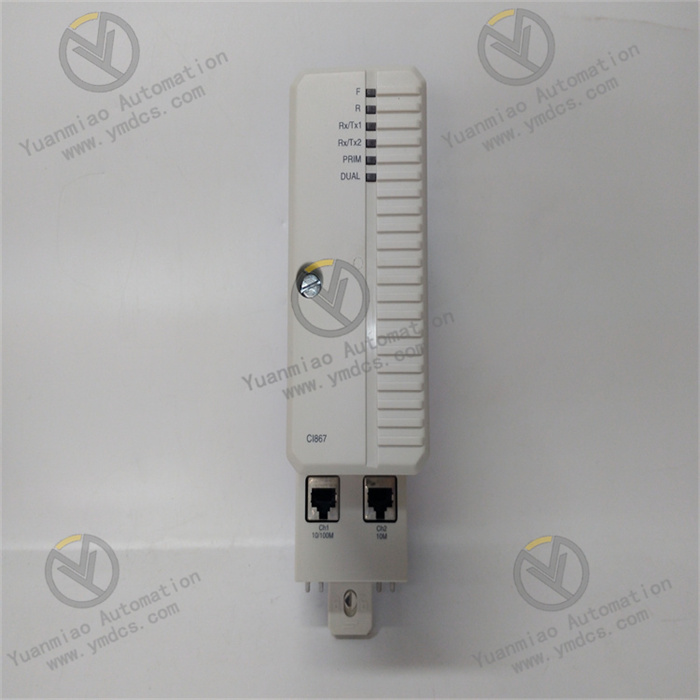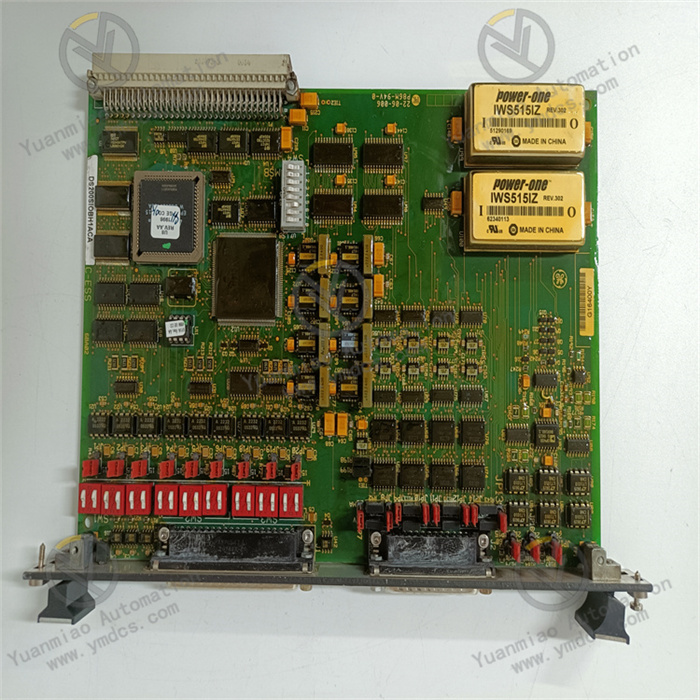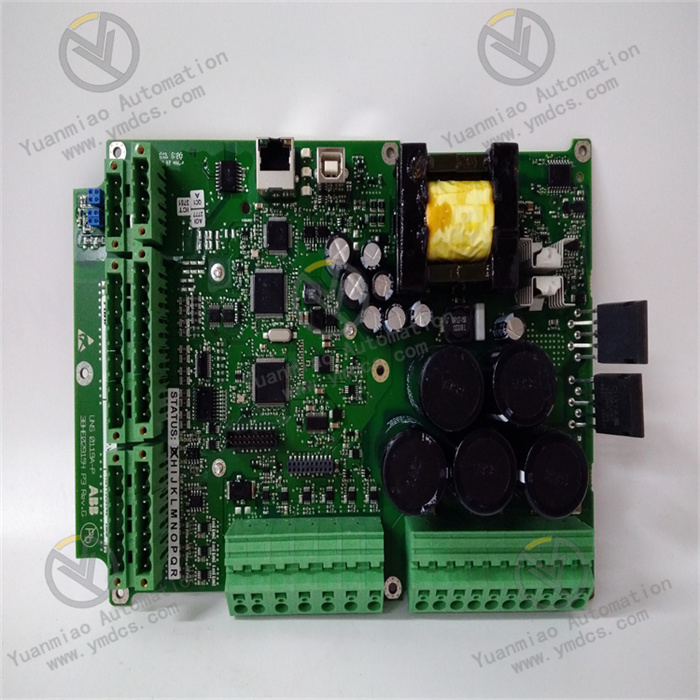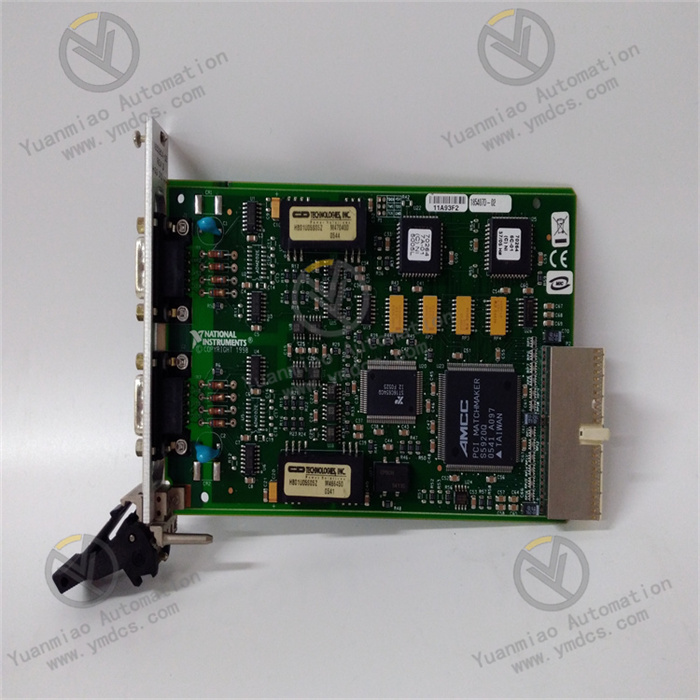
Description
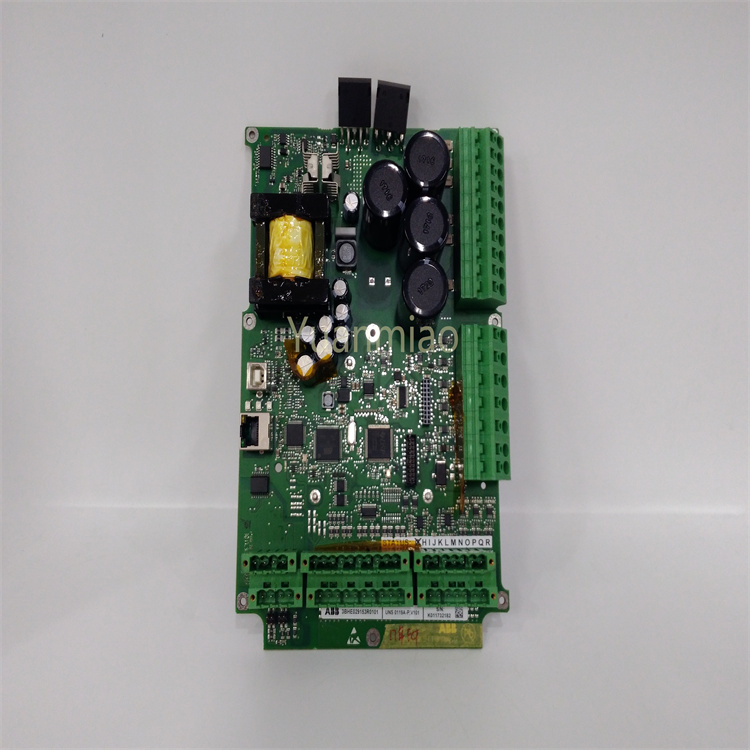
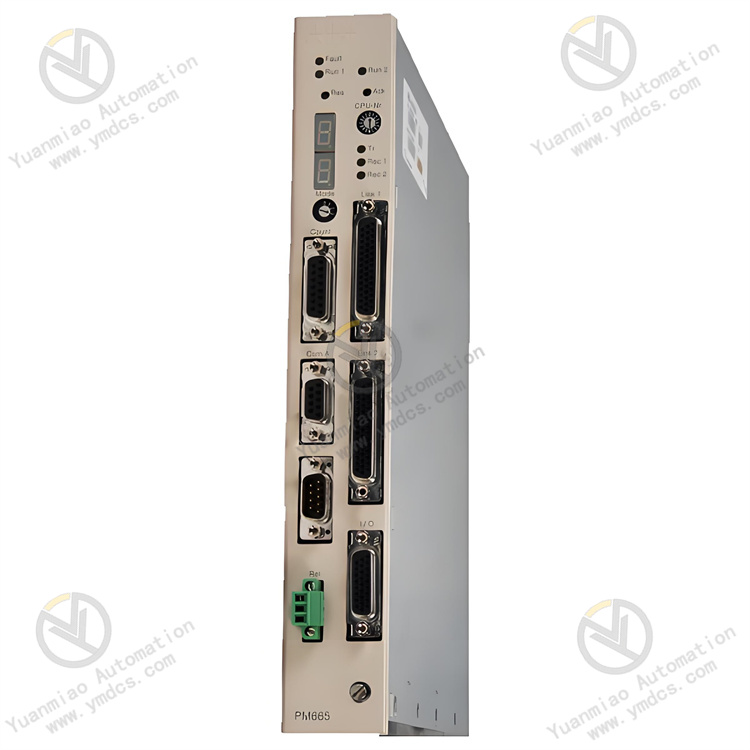
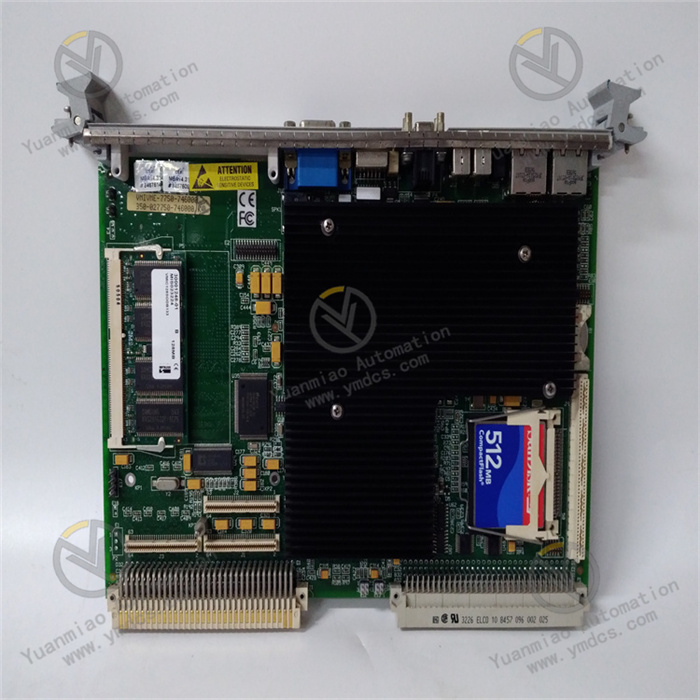
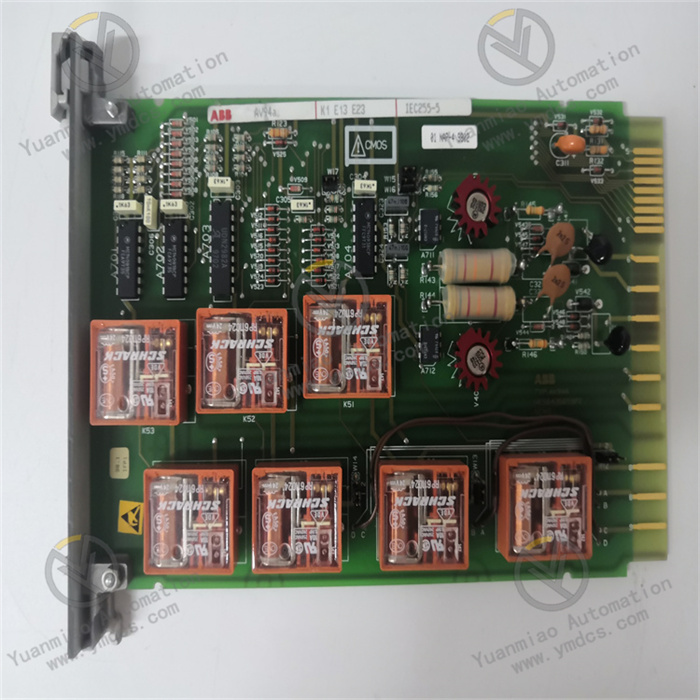
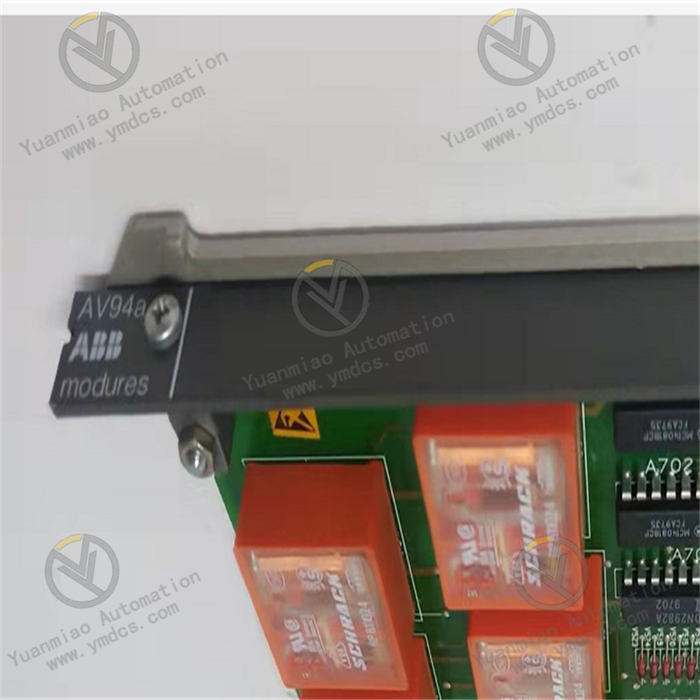
ABB AV94a HESG440940R11
I. Product Positioning
It receives analog/digital input signals from field sensors and instruments, performs high‑speed data processing through preset logic or algorithms, and outputs control signals to drive actuators (such as motors, valves, etc.) to realize automatic control of industrial processes and production equipment.
This module undertakes the core responsibilities of signal acquisition, logic operation, control output, communication interaction, and fault diagnosis.
Unlike communication modules, power conversion modules, and pure power supply equipment, it focuses on core industrial control requirements.
It features high‑speed processing, strong anti‑interference performance, programmability, and easy maintenance, adapting to complex industrial environments and effectively resisting disturbances such as electromagnetic radiation, temperature fluctuations, and signal interference.
II. Technical Parameters
| Item | Specification |
|---|---|
| Model | AV94a HESG440940R11 |
| Order No. / Material Code | HESG440940R11 (corresponding to model AV94a) |
| Equipment Type | Industrial‑grade programmable controller module, core control component for ABB industrial automation, supporting analog/digital signal processing |
| Core Functions | Signal acquisition (analog/digital), logic operation, precise control output, communication interaction, fault detection and diagnosis, programmable configuration |
| Processor Performance | Adopts high‑performance microprocessor; data processing speed up to 550 μs, efficiently handling large volumes of I/O signals and control logic |
| I/O Interfaces | Digital input: 16 channels; Digital output: 16 channels; Supports analog input/output; Input types: single‑ended and differential; Output type: relay |
| Control Power Input | 24 V DC ±20%, complying with typical industrial power standards; max input current 0.5 A; max input signal current 5 mA |
| Communication | Supports RS485, Ethernet, serial communication, etc.; compatible with common industrial protocols including Modbus and Profibus, facilitating multi‑device interconnection and data exchange |
| Program & Data Capacity | Program capacity 300, data capacity 200, meeting programming requirements for various industrial control logics |
| Output Frequency | 100 Hz, adapting to control requirements of various actuators |
| Protection Functions | Integrated electrical fault protection, signal abnormality protection; with fault detection and diagnosis, quickly providing fault information to prevent equipment and system damage |
| Anti‑Interference | Built‑in EMC filter, complying with industrial anti‑interference standards; effectively resists electromagnetic radiation and signal interference to ensure stability and accuracy of control signals |
| Operating Temperature | -40℃ ~ +85℃, humidity 5%–95% (non‑condensing), adapting to harsh industrial temperature and humidity variations |
| Storage Temperature | -40℃ ~ +85℃, suitable for transport and long‑term storage |
| Protection Class | IP20 (board‑level); must be installed in enclosed control cabinets; dustproof and touch‑proof, suitable for industrial cabinet environments |
| Dimensions | 100 mm × 50 mm × 25 mm; compact package, suitable for installation in industrial automation control cabinets, saving space |
| Weight | Approx. 0.2 kg; modular, compact design for easy installation, removal, and maintenance |
| Key Features | High‑speed processing, programmable configuration, multi‑type I/O, multi‑protocol compatibility, fault diagnosis, strong anti‑interference, high reliability; supports remote diagnosis and maintenance; suitable for multi‑scenario industrial control |
III. Core Functions
1. High‑Speed Signal Acquisition and Precise Logic Control
This ensures timely response and high execution accuracy of control commands, adapting to the requirements of various industrial control scenarios.
2. Flexible Programmability and Multi‑Control Mode Adaptation
High versatility greatly improves system flexibility and adaptability.
3. Multi‑Protocol Communication and Multi‑Device Interconnection
It breaks communication barriers between different devices, simplifies system integration, and improves the collaborative operation efficiency of industrial automation systems.
4. Fault Detection and Diagnosis for Efficient O&M
It also supports remote diagnosis and maintenance: operating status and parameters can be viewed and adjusted without on‑site intervention, greatly reducing O&M difficulty and cost and minimizing system downtime.
5. Strong Anti‑Interference and Harsh Environment Adaptability
With a wide operating temperature range (-40℃ ~ +85℃) and IP20 protection, plus high‑quality industrial components, the module withstands harsh environments such as factories, power plants, and chemical plants, resisting temperature swings, humidity, and dust for long‑term stable operation.
6. Convenient Integration, Maintenance, and Upgrade

IV. Applications
1. Manufacturing Automation Production Lines
As the core control unit, it receives input signals from various sensors and instruments, controls actuators (motors, valves, conveyors, etc.) via programmable logic, and realizes automatic management, process coordination, and parameter adjustment, improving productivity and product quality while reducing human error.
2. Energy Industry Equipment Management
It also provides fault detection and timely alerts, enhancing the reliability and safety of energy supply.
3. Process Control
Programmable logic optimizes processes to meet industry standards and ensure safe, stable, and efficient production.
4. Water Treatment
Controls pumps, valves, and other equipment, collects water quality and flow parameters, and realizes automatic linkage and precise management of water treatment processes, improving efficiency, compliance rates, and reducing operational costs.
5. Equipment Monitoring and Control
Collects real‑time operating parameters, enables start/stop control, parameter adjustment, and fault early warning, avoiding production interruptions caused by equipment failure and extending service life.
6. Legacy System Upgrade and Retrofit
V. Product Advantages
- High‑speed processing, precise control: High‑performance microprocessor with 550 μs speed enables fast signal handling and accurate control of industrial processes and equipment.
- Flexible programmability, wide adaptability: Customizable logic and multiple control modes suit transformers, generators, and various production equipment with strong versatility.
Multi‑protocol compatibility, easy interconnection: Supports multiple industrial communication methods and protocols for seamless integration with ABB and third‑party systems.
- Fault diagnosis, efficient O&M: Real‑time fault detection and remote maintenance reduce downtime, difficulty, and cost.
- Strong anti‑interference, stable and durable: Industrial‑grade design, EMC filtering, wide temperature range, high‑quality components, and MTBF >100,000 hours ensure reliable performance in harsh environments.
- Compact and convenient, easy to upgrade: Small, lightweight modular structure simplifies installation; supports software updates to match system evolution and lower lifecycle costs.